Is Betta Fish Food Safe for My Hamster to Eat
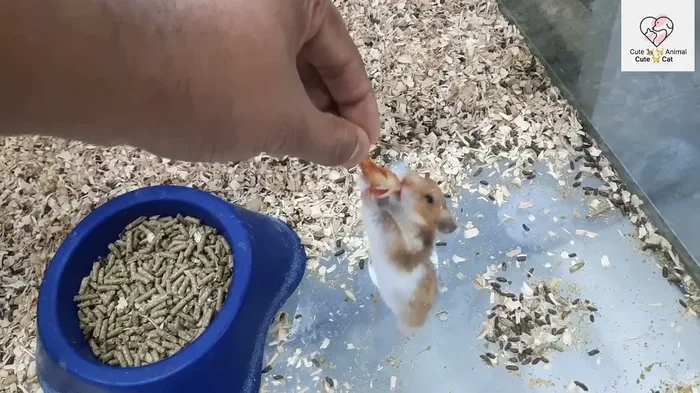
Betta fish food is not toxic to hamsters, but it is not a suitable or safe regular food for them. Hamsters have very different nutritional needs than fish, and feeding them betta pellets or flakes can lead to digestive problems and nutritional imbalances over time. If your hamster accidentally eats a piece of betta food, it will likely be fine, but you should never make it a part of their diet.
You may have noticed your curious hamster nibbling on something it should not have. Maybe it knocked over the fish tank lid, or perhaps it found a stray pellet on the floor. Either way, the question “is betta fish food safe for my hamster to eat” is one many pet owners ask. The short answer is no, betta fish food is not a safe or appropriate food for hamsters. However, a tiny accidental nibble is unlikely to cause serious harm. In this article, we will walk you through everything you need to know about why betta food is bad for hamsters, what could happen if your hamster eats it, and what you should feed your furry friend instead.
Hamsters are small, delicate animals with very specific dietary needs. Their tiny bodies need a balanced mix of fiber, healthy fats, and plant-based nutrients. Fish food, on the other hand, is packed with protein and ingredients designed for aquatic creatures. These two diets are worlds apart. Understanding this difference is the first step in keeping your hamster happy and healthy. So let us dive right in and explore the details.
Key Takeaways
- Betta fish food is not designed for hamsters: It lacks the vitamins, minerals, and nutrients hamsters need to stay healthy.
- Accidental ingestion is usually harmless: A small nibble of betta food will not poison your hamster, but larger amounts may cause stomach upset.
- Hamsters need a fiber-rich, low-fat diet: Their digestive system is built for grains, seeds, and fresh vegetables, not protein-heavy fish food.
- Watch for warning signs: Diarrhea, bloating, or loss of appetite after eating betta food could signal a problem.
- Stick to hamster-safe treats: Small pieces of fruit, cooked vegetables, and commercial hamster treats are much better options.
- Consult a vet if you are unsure: Always reach out to a veterinarian if your hamster shows any unusual symptoms after eating something new.
📑 Table of Contents
What Is in Betta Fish Food?
Before we talk about hamsters, it helps to understand what betta fish food actually contains. Most betta pellets and flakes are made from a mix of ingredients that are rich in protein. Fish need protein to build muscle, repair tissue, and stay active in water. But hamsters process protein very differently than fish do. The betta fish food safe for hamster question really comes down to understanding these ingredients and how they affect a small mammal’s body.
Common Ingredients in Betta Food
- Fish meal and shrimp meal
- Plant-based proteins like soy
- Vitamins and minerals added for fish health
- Color enhancers to make bettas look vibrant
- Wheat flour and starch as binding agents
- Omega fatty acids for fish skin and fins
While most of these ingredients are not outright toxic to hamsters, they are simply not needed and can cause problems. For example, the high protein content in betta food is designed for a creature that lives in water and has a very fast metabolism. A hamster’s digestive system is built to break down grains, seeds, and plant fibers. Feeding it fish-based protein can put unnecessary strain on the kidneys and liver over time. Also, many betta foods contain color enhancers and preservatives that are safe for fish but have not been tested for small mammals like hamsters. Just because an ingredient is safe for one animal does not mean it is safe for another. If you want to learn more about what goes into quality fish food, check out our guide on the best food for betta fish to understand the full ingredient picture.
Why Betta Food Is Not Safe for Hamsters
Now that we know what is in betta food, let us look at why it is not a good fit for hamsters. The reasons go beyond just ingredient mismatch. There are real health risks involved when you feed the wrong food to a small pet.
Digestive System Differences
Hamsters are omnivores, but they lean heavily toward a plant-based diet. Their digestive tracts are relatively short and are designed to process seeds, grains, fruits, and vegetables quickly. Fish, by contrast, have digestive systems built to handle high-protein, moisture-rich diets. When a hamster eats betta food, its body struggles to break down the dense proteins and artificial additives. This can lead to bloating, gas, diarrhea, and general stomach discomfort. Over time, this kind of digestive stress can weaken the hamster’s gut and make it more susceptible to illness.
Nutritional Imbalance
Hamsters need a diet that is high in fiber and moderate in fat. They also need specific vitamins like vitamin C and vitamin E, which they cannot produce on their own. Betta food does not provide these nutrients in the right amounts. Over time, a hamster that eats betta food regularly may develop nutritional deficiencies, even if it appears healthy on the surface. This is one of the most dangerous aspects of feeding the wrong food to a small pet. The problems may not show up immediately, but they can build up silently and cause long-term damage.
High Protein and Fat Content
Betta food is formulated to be protein-rich because betta fish are active swimmers with high energy needs. A hamster, on the other hand, is a small animal that spends most of its time in a cage or burrow. It does not need the same level of protein. Too much protein can lead to kidney stress and liver issues in hamsters. The fat content in betta food is also higher than what a hamster needs, which can contribute to obesity over time. Even if your hamster seems to love the taste, that does not mean it is good for them.
You might wonder if special food for betta fish is any different. The answer is no. Even premium or specialty betta foods are designed for fish. They may have slightly better ingredients, but the core nutritional profile is still built for aquatic animals, not small mammals. If you are curious about what makes betta food “special,” you can read more about whether betta fish eat special food to understand the formulation differences.
What Happens If My Hamster Eats Betta Food?
This is one of the most common concerns pet owners have. The good news is that a single small nibble is unlikely to cause a serious problem. Hamsters are resilient little creatures, and their bodies can handle the occasional accidental ingestion of the wrong food. However, there are still things you should watch for.
Immediate Effects
If your hamster eats a small piece of betta food, you may notice the following:
- Mild stomach upset or gurgling sounds
- Slight change in behavior, such as being more tired than usual
- Refusal to eat their normal food for a few hours
- Small changes in stool consistency
These symptoms are usually mild and go away on their own within 24 hours. Make sure your hamster has access to fresh water and its regular food. Most hamsters will recover just fine after a small accidental nibble. The key is to stay calm and monitor your pet closely.
When to Worry
If your hamster eats a larger amount of betta food, or if it happens regularly, the risks increase significantly. Watch for these warning signs:
- Persistent diarrhea or loose stool
- Swollen or distended abdomen
- Complete refusal to eat for more than 12 hours
- Lethargy or unusual stillness
- Labored breathing or wheezing
If you notice any of these symptoms, it is best to contact a veterinarian right away. While betta food is not typically poisonous to hamsters, the combination of high protein, artificial additives, and low fiber can cause real digestive distress in larger quantities. You should also be aware that hamsters can have food sensitivities just like people do. What seems harmless to one hamster might cause a reaction in another. Always keep a close eye on your pet after any dietary change or accidental ingestion.
What Should You Feed Your Hamster Instead?
The good news is that there are plenty of safe and healthy alternatives to betta food for your hamster. A proper hamster diet is simple, affordable, and easy to put together. Let us look at the best options for keeping your hamster well-nourished.
Commercial Hamster Food
The foundation of any hamster’s diet should be a high-quality commercial hamster mix. These mixes are specifically formulated to meet the nutritional needs of hamsters. They contain a blend of seeds, grains, dried vegetables, and sometimes small pellets. Look for brands that list natural ingredients and avoid those with artificial colors or excessive sugar. A good hamster mix provides the balanced hamster nutrition needs that your pet requires every single day.
Fresh Vegetables and Fruits
Hamsters love fresh produce, and it adds valuable nutrients to their diet. Some great options include:
- Small pieces of carrot or cucumber
- A tiny slice of apple (no seeds)
- A few pieces of broccoli or spinach
- Small bits of cooked sweet potato
- A single blueberry or strawberry as an occasional treat
Always introduce new foods slowly and in small amounts. Hamsters have sensitive stomachs, and a sudden change in diet can cause digestive issues. Remove any fresh food that is not eaten within 24 hours to prevent it from spoiling in the cage. Fresh food adds variety and hydration, which is especially helpful during warmer months.
Safe Treats and Supplements
Occasional treats are a great way to bond with your hamster and add variety to its diet. Some safe treat options include:
- Small pieces of plain, unsalted cooked chicken
- A few mealworms or crickets (dried)
- Hamster-safe chew sticks and wooden treats
- Small amounts of plain yogurt (no sugar or additives)
While hamsters are primarily plant-eaters, they can enjoy small amounts of animal protein as an occasional treat. Just make sure it is plain and unseasoned. You might also be interested in knowing that hamsters and fish have very different dietary needs. If you ever wonder whether other types of pet food are safe for hamsters, it is always best to do your research first or consult a vet. Understanding the basics of hamster diet and animal nutrition will help you make better choices for your pet.
Common Mistakes Pet Owners Make with Hamster Diets
Even well-meaning pet owners can make mistakes when it comes to feeding their hamsters. Here are some common errors to avoid so you can keep your furry friend healthy and happy.
Feeding Human Food Without Research
It is tempting to share your snacks with your hamster. After all, they have those cute little paws that seem to beg for a bite. But many human foods are unsafe for hamsters. Chocolate, caffeine, onions, garlic, and citrus fruits can all be harmful or even toxic. If you are ever unsure about a particular food, it is better to skip it and stick to known safe options. When in doubt, look up whether a food is safe before offering it to your pet.
Assuming All Pet Food Is Interchangeable
This is the exact mistake that leads to the “is betta fish food safe for my hamster” question in the first place. Not all pet food is created equal. Fish food, bird food, dog food, and hamster food are all formulated differently. Each one is designed for a specific species and its unique nutritional requirements. Feeding the wrong type of food can lead to serious health problems over time. Always use species-specific food and store each type separately to prevent mix-ups and pet food cross-contamination.
Overfeeding Treats
Treats are fun, but they should make up no more than 10% of your hamster’s diet. Overfeeding treats can lead to obesity, dental problems, and nutritional imbalances. Always prioritize a balanced main diet over treats, no matter how healthy they seem. A well-fed hamster is a healthy hamster, and balance is the key to long-term wellness.
How to Keep Your Hamster Healthy and Well-Fed
Keeping a hamster healthy goes beyond just food. A proper diet is one piece of the puzzle, but there are other factors to consider as well. Taking a holistic approach to your hamster’s care will help it live a longer, happier life.
Provide Fresh Water Daily
Clean, fresh water is essential for your hamster’s health. Use a water bottle with a sipper tube to keep the water clean and prevent spills. Check the bottle daily to make sure it is working properly and that your hamster has access to water at all times. Hydration plays a big role in digestion and overall hamster health.
Maintain a Consistent Feeding Schedule
Hamsters do well with a routine. Feed them at the same time each day, ideally in the evening when they are most active. A good rule of thumb is to provide about one to two tablespoons of hamster mix per day, adjusted based on your hamster’s size and activity level. Remove any uneaten fresh food after 24 hours. Consistency helps regulate their digestion and keeps them feeling secure in their environment.
Monitor Your Hamster’s Weight and Behavior
Regularly check your hamster’s weight and overall behavior. A healthy hamster should be active, alert, and have a clean, shiny coat. If you notice weight loss, lethargy, changes in eating habits, or any unusual symptoms, it could be a sign of a dietary issue or illness. While we are not diagnosing health conditions here, it is worth noting that if you ever need to assess your fish’s health, you can refer to guides on how to tell if a betta fish is sick to understand general pet health monitoring principles.
Conclusion
To answer the question once and for all, betta fish food is not safe for hamsters to eat as a regular food source. While a tiny accidental nibble is unlikely to cause harm, making it a habit can lead to digestive problems, nutritional imbalances, and long-term health issues. Hamsters have unique dietary needs that are best met through commercial hamster food, fresh vegetables, and occasional safe treats. Always keep fish food and hamster food separate, and store each in its own labeled container to prevent mix-ups. Your hamster deserves the best nutrition you can provide, and that starts with feeding it the right food.
Remember, when in doubt about what to feed your pet, always consult a veterinarian. They can provide personalized advice based on your hamster’s age, breed, and health condition. Keep your furry friend safe, and always double-check before sharing any food between your different pets. A well-fed hamster is a happy, healthy, and energetic companion that will bring you joy for years to come.
Frequently Asked Questions
Can a hamster eat betta fish food once in a while?
A tiny accidental nibble is not likely to harm your hamster. However, betta fish food should never be given intentionally or regularly. The nutritional profile is wrong for hamsters and can cause digestive issues over time. Stick to hamster-specific food for their daily meals.
What should I do if my hamster ate a lot of betta food?
Remove any remaining betta food from the cage and offer fresh water and your hamster’s regular food. Watch for symptoms like diarrhea, bloating, or lethargy. If symptoms persist or worsen, contact a veterinarian for advice. Most hamsters recover from a single incident without intervention.
Is fish-based protein bad for hamsters?
Fish-based protein is not inherently toxic to hamsters, but it is not needed in their diet. Hamsters are primarily grain and plant eaters. Too much protein from fish sources can strain their kidneys and liver over time. It is best to keep their protein intake moderate and plant-based where possible.
Can hamsters and betta fish share a living space?
No, hamsters and betta fish should never share a living space. They have very different environmental needs, and housing them together can cause stress, injury, or disease transmission. Keep your hamster in a secure cage and your betta fish in a properly cycled aquarium, each in their own dedicated area.
What human foods are safe for hamsters?
Some safe human foods for hamsters include small pieces of plain cooked chicken, carrots, cucumbers, apples (without seeds), and blueberries. Always avoid chocolate, caffeine, onions, garlic, and citrus fruits. Introduce any new food slowly and in tiny amounts to monitor for adverse reactions.
How do I store hamster food properly?
Store commercial hamster mix in a cool, dry place in an airtight container. Keep it away from direct sunlight and moisture to preserve its freshness and nutritional value. Do not mix hamster food with fish food or any other pet food to avoid cross-contamination and accidental feeding mistakes.