What Can a Betta Fish Do
A betta fish can do far more than most people realize. These vibrant fish can learn tricks, recognize their owners, and even respond to their names. Understanding what a betta fish can do helps you create a happier, healthier home for your colorful companion.
You might think a fish is just a fish. But if you own a betta fish, you already know that’s not true. These stunning creatures surprise their owners every day with their personality, curiosity, and ability to learn. So what can a betta fish do? More than you probably think.
Betta fish are not just pretty decorations for your shelf. They are active, responsive, and genuinely entertaining pets. From learning simple tricks to showing off their unique personalities, a betta fish can bring a lot of joy to your home. In this guide, we will explore everything your betta is capable of and how you can encourage their natural abilities.
Whether you are a new betta owner or have had your fish for years, this article will open your eyes to what your colorful friend is really up to. Let us dive in and discover the amazing things a betta fish can do.
Key Takeaways
- Betta fish are intelligent: They can learn tricks, recognize their owners, and remember routines.
- Betta fish show personality: Each fish has a unique temperament and preferences.
- Training is possible: You can teach your betta to follow your finger, jump, and more.
- The right environment matters: A proper tank setup boosts your betta’s activity and well-being.
- Betta fish respond to interaction: Regular engagement strengthens the bond between you and your fish.
- Common mistakes reduce activity: Small bowls and neglect lead to boredom and health issues.
- Enrichment keeps bettas happy: Plants, caves, and new stimuli make a big difference.
📑 Table of Contents
Understanding Betta Fish Intelligence
Many people underestimate fish intelligence. But research shows that bettas are smarter than they look. A betta fish can recognize patterns, remember routines, and even distinguish between different people. This intelligence is the foundation for many of the impressive things they can do.
Unlike common belief, bettas do not just swim around mindlessly. They observe their surroundings. They notice when it is feeding time. They may even swim to the front of the tank when they see their betta fish owner approaching. This kind of awareness shows a level of cognition that surprises many first-time owners.
Do Betta Fish Have a Good Memory?
Yes, they do. The question “do betta fish have a memory” comes up often, and the answer is a clear yes. Bettas can remember things for weeks and even months. They can learn to associate certain actions with outcomes. For example, if you tap the glass before feeding, your betta will soon learn that the sound means food is coming.
This memory also means they can remember training routines. If you teach your betta a trick and practice regularly, your fish will retain what it learned. That is a powerful tool for any fish owner who wants to interact more with their pet.
Tricks and Training Your Betta Fish
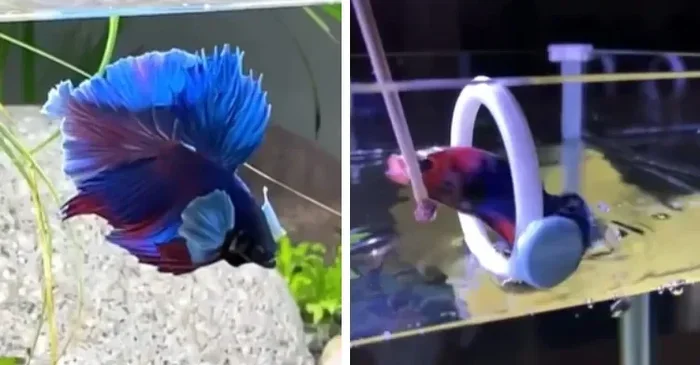
One of the most fun things about owning a betta is teaching it tricks. So what can a betta fish do when it comes to training? Quite a lot, actually. With patience and consistency, you can teach your betta to follow your finger, swim through hoops, and even jump for food.
The key to successful betta fish training is timing and repetition. Always train your fish at the same time each day. Keep sessions short, about five minutes. Use food as a reward. And never force your betta to do anything it seems stressed by.
Easy Tricks to Start With
Here are some simple tricks most bettas can learn:
- Following your finger: Place your finger on the glass and wait for your betta to notice. Move it slowly. Most bettas will follow.
- Swimming through a hoop: Use a small hoop made from soft wire. Guide your betta through it with food.
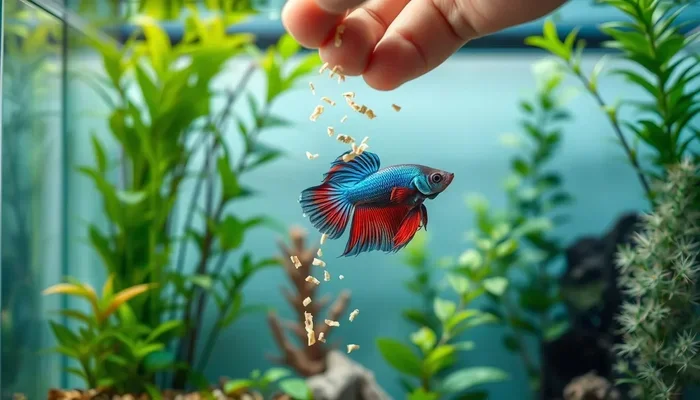
- Jumping for food: Hold food just above the water surface. Bettas are natural jumpers and will learn to leap for it.
- Spinning in a circle: Use a small treat to lure your betta into turning in a circle before rewarding.
- Bouncing a ball: Some owners train their bettas to push a small floating ball with their nose.
For more ideas on what tricks your betta can learn, check out our guide on what tricks you can teach a betta fish.
How Long Does Training Take?
Every betta is different. Some learn tricks in just a few days. Others might take a couple of weeks. The important thing is to stay patient. Never punish your fish if it does not get something right away. Positive reinforcement works best. Use food rewards and gentle encouragement to build trust.
Training sessions also serve as great betta fish enrichment. They keep your fish mentally stimulated and active. A stimulated betta is a happier and healthier betta.
Betta Fish Personality and Behavior
If you have spent any time watching a betta, you know they each have their own personality. Some are bold and curious. Others are shy and prefer to hide. Understanding your betta’s unique behavior is one of the most rewarding parts of fish ownership.
What can a betta fish do in terms of expressing personality? They flare their gills when they see another male betta. They build bubble nests even when there is no female present. They get excited at feeding time. They may even rest on the bottom or float at the top depending on their mood.
Signs of a Happy Betta Fish
A happy betta is easy to spot. Look for these signs:
- Bright, vibrant colors: A healthy betta shows rich, deep colors.
- Active swimming: Your fish moves around the tank with interest and energy.
- Bubble nest building: This is a natural behavior that shows your betta feels safe and comfortable.
- Responsive to you: Swimming to the front of the tank when you approach is a great sign.
- Healthy appetite: A happy betta eats eagerly and finishes its food.
On the other hand, a stressed betta might hide, lose color, or stop eating. Knowing the difference helps you respond quickly and keep your fish thriving.
Creating the Right Environment for Your Betta
What a betta can do depends a lot on its environment. A cramped, dull tank limits a betta’s natural behaviors. A well-set-up tank brings out the best in your fish. So how do you create the ideal habitat?
First, tank size matters. Many people ask, “do betta fish like a lot of space?” The answer is yes. While bettas can survive in small bowls, they thrive in larger tanks. A 5-gallon tank is the minimum recommended size. It gives your fish room to swim, explore, and stay active.
Essential Tank Setup
Here is what your betta fish tank needs:
- A heater: Bettas are tropical fish and need warm water between 76 and 82 degrees Fahrenheit.
- A filter: But choose one with a gentle flow. Bettas do not like strong currents.
- Live or silk plants: These give your betta places to hide and explore.
- A soft substrate: Sand is best. Rough gravel can damage their delicate fins.
- Enrichment items: Caves, tunnels, and floating logs add variety to your betta’s world.
For a complete list of everything you need to set up a proper tank, see our article on what you need for a betta fish for beginners.
Does Tank Size Affect Betta Behavior?
Absolutely. In a small bowl, a betta may become lethargic and bored. In a larger tank with places to explore, your fish will be more active and curious. A bigger environment encourages natural behaviors like exploring, foraging, and building bubble nests.
If you want to learn more about how space affects your betta, read our article on do betta fish like a lot of space.
Feeding and Nutrition for an Active Betta
What your betta eats directly affects what it can do. A well-fed betta has more energy to swim, play, and learn tricks. A malnourished betta becomes sluggish and uninterested in its surroundings.
Bettas are carnivores by nature. They need protein-rich food to stay healthy. High-quality betta pellets should form the base of their diet. You can supplement with frozen or live foods like brine shrimp and bloodworms. These treats also make great motivators during training sessions.
Feeding Schedule Tips
- Feed your betta twice a day with small amounts.
- Skip one feeding day per week to support digestion.
- Use treats during training to reinforce good behavior.
- Never overfeed. Excess food pollutes the tank and makes your fish sick.
A varied diet keeps your betta interested in food and eager to participate in training. If you are curious about treats, our guide on do betta fish have treats for a snack covers this topic in detail.
Common Mistakes That Limit What Your Betta Can Do
Even well-meaning owners can hold back their betta’s potential. Here are the most common mistakes to avoid:
- Keeping your betta in a tiny bowl: This restricts movement and causes stress. Your fish cannot explore or exercise properly.
- Ignoring tank maintenance: Dirty water leads to illness. A sick betta will not have energy for tricks or play.
- Not providing enrichment: A bare tank with nothing to do gets boring fast. Add plants, caves, and variety.
- Skipping interaction: Bettas thrive on engagement. Ignoring your fish means missing out on bonding and training opportunities.
- Overcrowding the tank: Not all fish get along with bettas. Research carefully before adding tank mates.
If you are unsure about which fish can share a tank with your betta, check out our guide on what types of fish can live with a male betta.
Key Takeaways
- Betta fish are intelligent: They can learn tricks, recognize their owners, and remember routines.
- Betta fish show personality: Each fish has a unique temperament and preferences.
- Training is possible: You can teach your betta to follow your finger, jump, and more.
- The right environment matters: A proper tank setup boosts your betta’s activity and well-being.
- Betta fish respond to interaction: Regular engagement strengthens the bond between you and your fish.
- Common mistakes reduce activity: Small bowls and neglect lead to boredom and health issues.
- Enrichment keeps bettas happy: Plants, caves, and new stimuli make a big difference.
Conclusion
A betta fish can do so much more than swim in circles. These remarkable creatures can learn tricks, recognize their owners, build bubble nests, and show off unique personalities. The secret is giving them the right environment, proper nutrition, and regular interaction.
When you invest time in understanding your betta, you will be amazed at what it can do. Start with simple training sessions. Add enrichment to the tank. Watch how your fish responds. Every betta has its own set of talents waiting to be discovered.
So the next time someone asks, “What can a betta fish do?” you will have plenty of answers. Share what you have learned. Help other betta owners see their fish in a whole new light. Your colorful companion has more to offer than you ever imagined.
Frequently Asked Questions
Can a betta fish recognize its owner?
Yes, betta fish can recognize their owners over time. They often swim to the front of the tank when their owner approaches. This recognition comes from regular interaction and feeding routines.
What tricks can a betta fish learn?
Bettas can learn to follow your finger, swim through hoops, jump for food, spin in circles, and even push small floating balls. Start with simple tricks and use food rewards to encourage your fish.
Do betta fish get bored?
Yes, betta fish can get bored in a dull or cramped environment. Adding plants, caves, and enrichment items keeps them active and mentally stimulated. Regular interaction and training also prevent boredom.
How long does it take to train a betta fish?
Training time varies by fish. Some bettas learn simple tricks in a few days, while others take a few weeks. Consistency, short sessions, and positive reinforcement with food rewards work best.
Can betta fish live with other fish?
Yes, bettas can live with certain peaceful fish species. Avoid aggressive or fin-nipping fish. Good tank mates include snails, shrimp, and small peaceful community fish. Always research compatibility before adding new fish.
What is the best tank size for a betta fish?
A 5-gallon tank is the minimum recommended size for a betta. Larger tanks, such as 10 gallons, give your fish more room to swim and explore. A bigger tank also makes maintenance easier and keeps water parameters more stable.