Angelfish and betta fish can share a tank, but only under the right conditions. Size, temperament, and tank setup all play a crucial role in preventing fights and keeping both species healthy.
Key Takeaways
- Temperament matters: Both species can be semi‑aggressive, so careful monitoring is essential.
- Tank size is critical: A minimum of 20 gallons provides enough space for territories.
- Water parameters must match: Keep temperature between 76‑82 °F and pH 6.5‑7.5.
- Introduce slowly: Use a quarantine or “neutral” tank to let fish get used to each other’s scent.
- Provide plenty of hiding spots: Plants, driftwood, and caves reduce stress.
- Watch for signs of stress: Faded colors, frayed fins, or rapid gill movement mean it’s time to separate.
- Research compatible tank mates: See our guide on what fish are compatible with betta fish for more options.
📑 Table of Contents
- Introduction: Why the Question Keeps Coming Up
- 1. Understanding the Basics of Each Species
- 2. Matching Water Parameters
- 3. Choosing the Right Tank Size and Layout
- 4. Introducing Angelfish and Betta Fish
- 5. Ongoing Care and Monitoring
- 6. Alternatives and Other Compatible Tank Mates
- Conclusion: Make an Informed Choice
Introduction: Why the Question Keeps Coming Up
If you’ve ever stared at a gorgeous angelfish gliding through the water and a vibrant betta flashing its fins, you’ve probably wondered, “are angelfish and betta fish compatible?” It’s a natural thought for anyone building a community aquarium. Both fish are stunning, both are popular among hobbyists, and both have a reputation for a bit of spunk.
But mixing them isn’t as simple as tossing them together. Angelfish are cichlids that can grow large and become territorial, while bettas (also called Siamese fighting fish) are known for their bold personalities and occasional aggression. In this article we’ll break down everything you need to know—from water requirements to behavioral cues—so you can decide whether a shared tank is a good idea for you and your fish.
1. Understanding the Basics of Each Species
Angelfish: The Graceful Cichlid
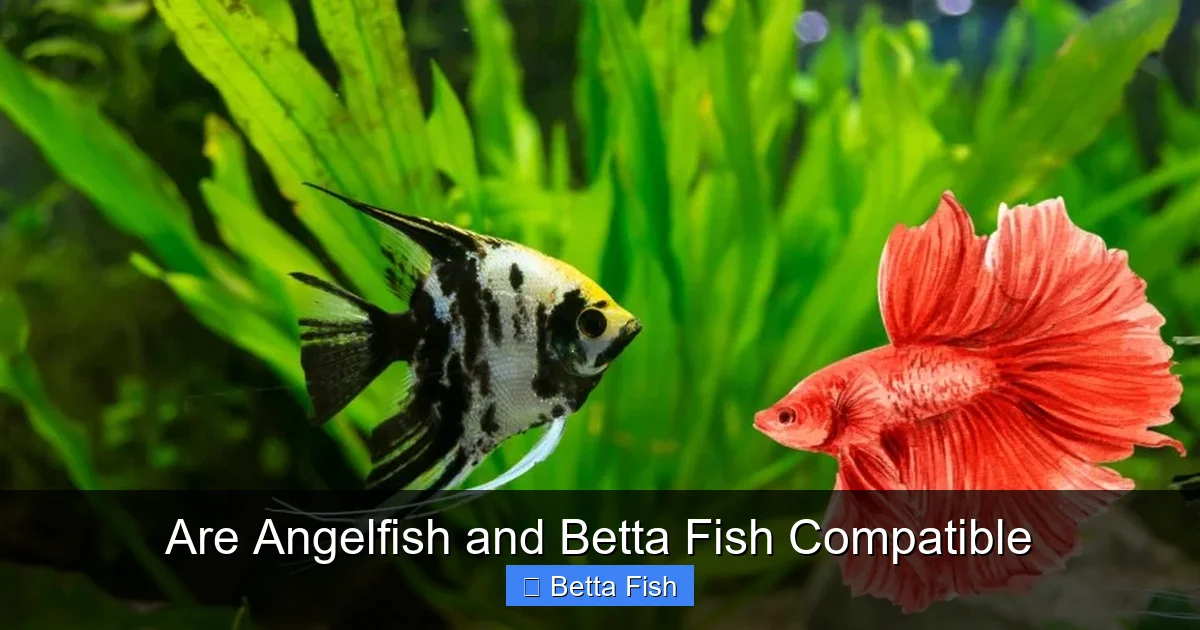
Angelfish (Pterophyllum scalare) are freshwater cichlids native to the Amazon basin. They grow to about 6‑8 inches tall, have laterally‑compressed bodies, and love to swim vertically. In the wild they live in slow‑moving rivers with plenty of leaf litter and roots. They prefer a slightly acidic to neutral pH (6.5‑7.5) and a temperature range of 76‑82 °F.
Visual guide about Are Angelfish and Betta Fish Compatible
Image source: infishtank.com
Betta Fish: The Fiery Fighter
Betta fish (Betta splendens) are tropical labyrinth fish from Southeast Asia. Males are especially colorful and have long, flowing fins. They can survive in lower‑oxygen water because of a special labyrinth organ, but they still thrive best in well‑filtered, warm water (78‑82 °F) with a pH of 6.5‑7.5. Bettas are easy to care for when kept alone, but their temperament can change when other fish are introduced.
Key Similarities
- Both prefer warm, tropical water.
- Both enjoy a slightly acidic to neutral pH.
- Both appreciate plants and hiding spots.
Key Differences
- Size: Angelfish can outgrow bettas by several inches.
- Territorial behavior: Angelfish defend vertical space; bettas defend horizontal space and their “bubble nest” area.
- Activity level: Angelfish are mid‑level swimmers, while bettas often hover near the surface.
2. Matching Water Parameters
Temperature
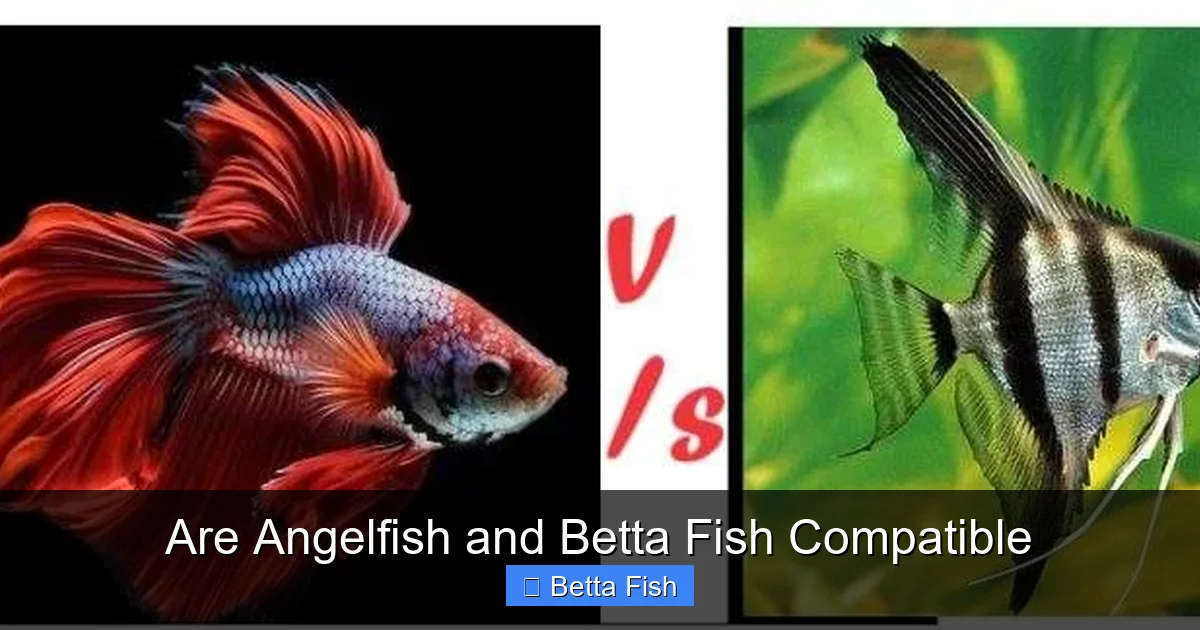
Both species thrive at 78‑82 °F, so keeping the tank within this range satisfies both. Use a reliable aquarium heater and a thermometer to avoid temperature spikes.
Visual guide about Are Angelfish and Betta Fish Compatible
Image source: dreamymammals.com
pH and Hardness
Target a pH of 6.8‑7.2 and moderate hardness (5‑15 dGH). If your tap water is harder, a peat filter or reverse osmosis (RO) water mixed with tap water can bring it into range.
Filtration and Flow
Angelfish appreciate gentle currents, while bettas dislike strong flow that pushes against their delicate fins. A sponge filter or a hang‑on‑back filter with a spray bar set to low works well. Remember to perform weekly 20‑30% water changes to keep nitrate levels low.
3. Choosing the Right Tank Size and Layout
Why Bigger Is Better
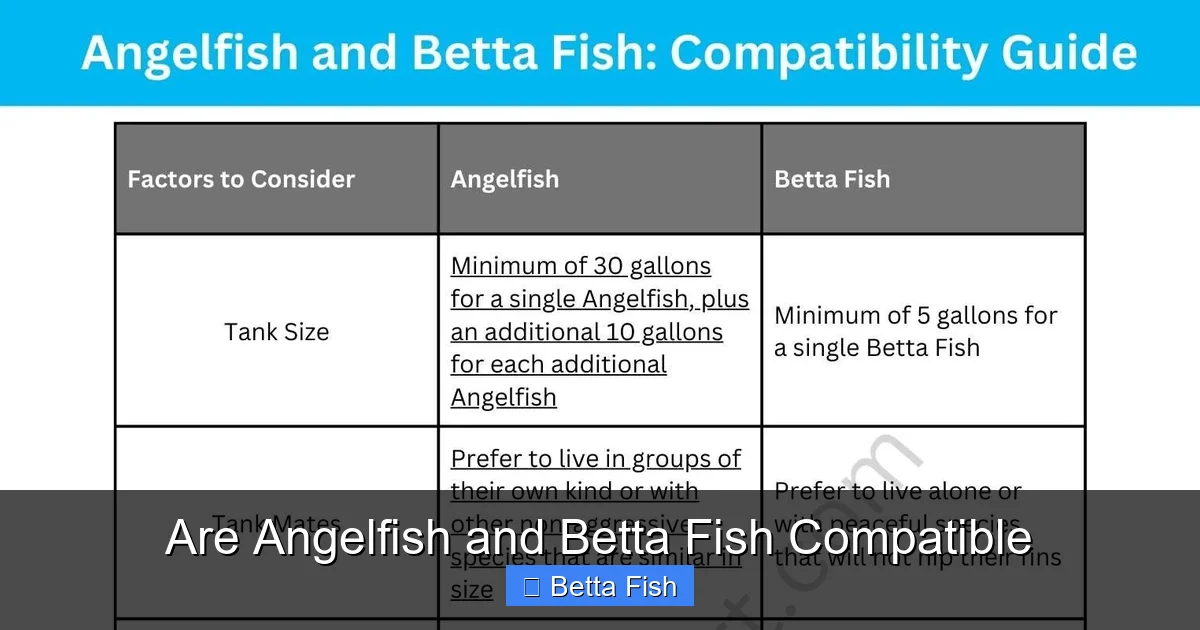
Space is the biggest factor in preventing aggression. A minimum of 20 gallons (75 L) gives each fish its own territory. Larger tanks (30‑40 gallons) provide even more buffer zones, especially if you plan to add other community fish later.
Visual guide about Are Angelfish and Betta Fish Compatible
Image source: aquariumhack.com
Creating Vertical and Horizontal Zones
Angelfish dominate the middle to upper levels, while bettas like to hang near the surface. Use tall plants like Amazon swords, Java ferns, and driftwood to break up sight lines. This “visual barrier” reduces the chance of a betta seeing an angelfish as a rival.
Essential Hiding Spots
- Live plants (e.g., Anubias, Java moss) for cover.
- Decorative caves or overturned pots.
- Floating leaf litter to mimic natural habitats.
4. Introducing Angelfish and Betta Fish
Step‑by‑Step Introduction Process
- Quarantine both fish: Keep each new arrival in a separate hospital tank for at least two weeks to watch for disease.
- Condition the betta’s tank: Add a few days of “scent conditioning” by placing a small mesh bag with a piece of the angelfish’s water in the betta’s tank. This lets the betta get used to the angelfish’s smell.
- Use a neutral “meeting” tank: A third tank (10‑15 gallons) with similar water parameters works best for the first visual introduction.
- Observe behavior for 30‑60 minutes: Look for flaring, chasing, or erratic swimming. If both fish remain calm, you can proceed.
- Transfer to the main tank: Use a gentle net, and place the betta first, then the angelfish. Keep a close eye for the first 24‑48 hours.
Red Flags to Watch For
- Betta flares its fins repeatedly toward the angelfish.
- Angelfish nips at the betta’s fins or tail.
- Both fish hide constantly and stop eating.
If any of these occur, be ready to separate them immediately using a breeder box or a temporary tank.
5. Ongoing Care and Monitoring
Feeding Both Species
Angelfish are omnivorous—they enjoy high‑quality flakes, frozen bloodworms, and occasional veggie matter like blanched spinach. Bettas are carnivorous and need protein‑rich foods such as betta pellets, brine shrimp, or daphnia. Feed in separate spots to avoid competition.
Health Checks
Regularly inspect fins for fraying, look for white spots (possible ich), and note any color fading. Stress in bettas often shows as a “clamped” fin position, while stressed angelfish may develop “spotty” patches on their bodies.
When to Separate
If aggression escalates despite a well‑decorated tank, it’s kinder to give each fish its own space. A 10‑gallon “sick‑bay” tank works well for temporary separation while you reassess tank size or consider different tank mates.
6. Alternatives and Other Compatible Tank Mates
Fish That Play Nicely With Both
If you decide angelfish and betta aren’t a good match, consider other peaceful community fish that share similar water needs. Good options include:
- Neon tetras (small, schooling)
- Cory catfish (bottom dwellers)
- Harlequin rasboras (mid‑level swimmers)
For a full list, check out what fish are compatible with betta fish.
Can You Keep Angelfish with Other Cichlids?
Yes, angelfish often coexist with dwarf cichlids like Apistogramma species, provided the tank is big enough and there are plenty of hiding spots. However, keep in mind that each cichlid species has its own hierarchy.
Final Verdict: Are They Compatible?
In short, angelfish and betta fish can be compatible, but only under specific conditions:
- Large tank (20 gallons minimum)
- Plenty of plants and décor to break line of sight
- Gradual, careful introduction
- Constant monitoring for signs of stress
If you meet these criteria, many hobbyists have successfully kept both species together for months, even years. If any red flags appear, it’s perfectly okay to give them separate homes.
Conclusion: Make an Informed Choice
Mixing angelfish and betta fish is not a guaranteed success story, but it’s far from impossible. By matching water parameters, providing ample space, and using smart introductions, you give both fish the best chance to thrive side by side. Remember, every aquarium is unique—your observation skills are the ultimate guide. If you’re ever unsure, consult experienced hobbyists or a local fish store. Happy fish‑keeping!
Frequently Asked Questions
Can betta fish live with angelfish in a community tank?
Yes, they can coexist if the tank is at least 20 gallons, has plenty of hiding places, and both fish are introduced slowly.
What size tank is recommended for angelfish and betta together?
A minimum of 20 gallons is advised; larger tanks (30‑40 gallons) provide extra security and space for future tank mates.
Do angelfish and betta fish require the same water temperature?
Both thrive in warm water, ideally between 78‑82 °F, making temperature compatibility easy to achieve.
How can I tell if my betta is stressed by an angelfish?
Signs of stress include clamped fins, faded colors, frequent flaring, and rapid breathing at the surface.
What plants are best for a mixed angelfish‑betta tank?
Tall, sturdy plants like Amazon swords, Java fern, and Anubias, plus floating leaves, create vertical layers and visual barriers.
Are there other fish that are safer companions for bettas?
Yes, species such as neon tetras, cory catfish, and harlequin rasboras are commonly recommended; see our guide on what fish are compatible with betta fish for more options.

