Is in Rot on Betta Fish Painful

Fin rot on betta fish can be painful, especially if the infection reaches the base of the fins or tail. This common betta fish disease causes inflammation, tissue damage, and stress that affects your fish’s quality of life. The good news is that fin rot treatment works well when caught early, and betta fish fins can grow back with proper care.
Is fin rot on betta fish painful? This is one of the most common questions new betta owners ask when they notice their fish’s fins looking ragged or discolored. The short answer is yes. Fin rot causes real discomfort and pain for your betta, especially as the infection progresses. Understanding what fin rot is, how it affects your fish, and what you can do about it makes all the difference.
Betta fish fin rot is a bacterial or fungal infection that eats away at the fins and tail. It starts small but can spread quickly if left untreated. The damaged tissue becomes inflamed, and the edges of the fins may turn white, black, or ragged. This condition weakens your fish and causes stress that affects its overall health. But with the right approach, you can treat it effectively and help your betta recover fully.
Key Takeaways
- Fin rot is painful: The bacterial infection causes inflammation and tissue damage that discomforts your betta fish.
- Early detection matters: Catching fin rot in its first stages makes treatment faster and less painful for your fish.
- Poor water quality is the main cause: Dirty tanks and bad water parameters weaken your betta’s immune system.
- Fins can regrow: With proper treatment, betta fish fins grow back after fin rot heals completely.
- Prevention is simple: Regular tank maintenance and clean water prevent fin rot from ever starting.
📑 Table of Contents
What Is Fin Rot on Betta Fish?
Fin rot is one of the most common betta fish diseases. It happens when bacteria or fungi attack the delicate tissue of the fins and tail. Healthy bettas have smooth, flowing fins with vibrant color. When fin rot sets in, the edges start to look fuzzy, torn, or discolored. The infection slowly eats away at the fin tissue, making it shorter and more damaged over time.
The bacteria that cause fin rot are always present in aquarium water. A healthy betta with a strong immune system can fight them off easily. But when the fish is stressed or the water quality is poor, those bacteria get a chance to multiply and cause damage. This is why water quality plays such a huge role in preventing and treating fin rot.
Types of Fin Rot
Not all fin rot is the same. There are two main types you should know about:
- Bacterial fin rot: This is the most common type. Bacteria eat away at the fin edges, making them look ragged and torn. The fins may turn white or develop a fuzzy border.
- Fungal fin rot: Fungi cause a cotton-like growth on the fins. This type often looks like white tufts or patches along the fin edges.
Both types cause pain and discomfort. Bacterial fin rot tends to spread faster, while fungal fin rot often signals a secondary infection. Knowing which type your betta has helps you choose the right treatment.
Is Fin Rot on Betta Fish Painful?
The honest answer is that fin rot causes pain in betta fish. When bacteria or fungi attack the fin tissue, the area becomes inflamed and irritated. The fish feels this discomfort, especially when swimming or moving through the water. Damaged fins are sensitive, and even gentle water flow can cause pain to the affected areas.
Do betta fish feel pain in their fins? Research and aquarist experience both point to yes. Betta fish have nerve endings throughout their body, including in their fins. When tissue is damaged by infection, those nerve endings send pain signals. You might notice your betta rubbing against decorations or staying still more than usual. These are signs that your fish is uncomfortable.
Do betta fish feel pain in their fins? Absolutely. The inflammation from fin rot creates a burning or itching sensation. This is why affected fish often show behavioral changes like reduced activity or loss of appetite. Pain from fin rot also weakens the immune system further, creating a cycle that makes the infection worse if not treated quickly.
Signs Your Betta Is in Pain from Fin Rot
Watch for these signs that your betta is experiencing discomfort:
- Clamped fins: The fish holds its fins close to its body instead of spreading them out.
- Loss of appetite: Your betta stops eating or eats very little.
- Lethargy: The fish stays in one spot or hides more than usual.
- Rapid breathing: You notice your betta breathing faster than normal.
- Flashing: The fish rubs its body against objects in the tank.
If you see any of these signs along with damaged fins, act fast. The sooner you treat fin rot, the less pain your betta will experience.
What Causes Fin Rot on Betta Fish?
Understanding the causes of fin rot helps you prevent it from ever happening. Most cases of fin rot trace back to one or more of these common factors.
Poor Water Quality
This is the number one cause of fin rot. Dirty water contains high levels of ammonia and nitrite, which damage your betta’s fins and weaken its immune system. When water parameters are off, bacteria thrive and attack the fish more easily. Regular water changes and proper filtration keep the water clean and safe for your betta.
Stress and Poor Diet
Stressed bettas get sick more easily. Overcrowded tanks, aggressive tank mates, and sudden temperature changes all cause stress. A poor diet also weakens the immune system. Bettas need protein-rich food to stay healthy. Feeding low-quality flakes or skipping meals makes them vulnerable to infections like fin rot.
Physical Injuries
Sharp decorations or rough tank mates can cause nicks and tears in the fins. These small wounds become entry points for bacteria. Even a tiny cut can turn into fin rot if the water quality is not maintained. Always check your tank decorations for rough edges and avoid keeping fin-nipping fish with your betta.
Low Water Temperature
Betta fish are tropical fish that need warm water. Cold water slows down their metabolism and immune response. When the water is too cool, your betta cannot fight off infections effectively. Keeping the temperature between 76 and 82 degrees Fahrenheit helps prevent fin rot and other diseases.
How to Treat Fin Rot on Betta Fish
Treating fin rot early gives your betta the best chance of a full recovery. The treatment approach depends on how severe the infection is. Here is a step-by-step guide to fin rot treatment.
Step 1: Test the Water
Start by testing your tank water for ammonia, nitrite, and nitrate levels. High ammonia or nitrite means the water is toxic and needs immediate attention. Do a 25 to 50 percent water change right away. Use a water conditioner to remove chlorine and chloramine from tap water before adding it to the tank.
Step 2: Clean the Tank
Remove any uneaten food and debris from the tank. Vacuum the gravel to get rid of waste buildup. Clean the filter media in old tank water, not tap water, to preserve the beneficial bacteria. A clean tank environment gives your betta the best chance to heal.
Step 3: Add Medication if Needed
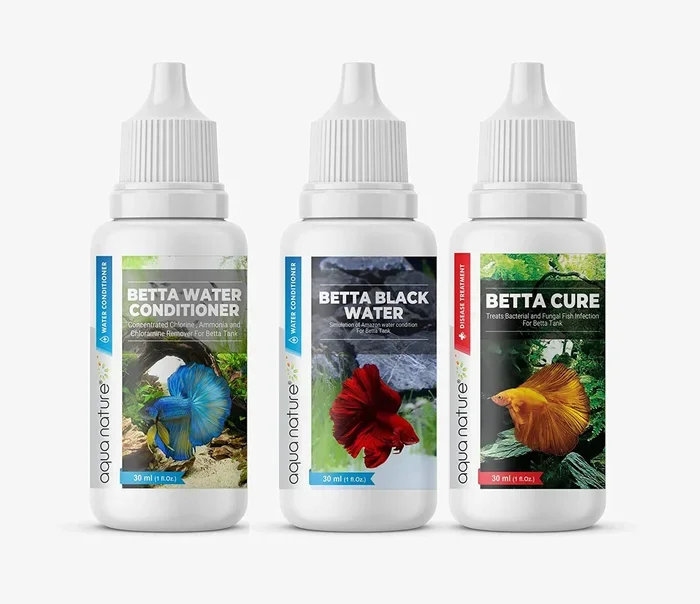
For mild cases, improving water quality alone may be enough. For moderate to severe fin rot, you will need medication. How to cure fin rot on betta fish often involves aquarium antibiotics or antifungal treatments. Products containing melafix or pimafix are popular choices among betta keepers. Follow the dosage instructions carefully and monitor your fish during treatment.
Step 4: Quarantine if Necessary
If you have other fish in the tank, consider moving your betta to a quarantine tank during treatment. This prevents the infection from spreading and lets you monitor your betta more closely. A hospital tank also makes it easier to adjust medication doses without affecting other fish.
Step 5: Support Recovery
During recovery, feed your betta high-quality food to boost its immune system. Offer live or frozen foods like brine shrimp or bloodworms. Keep the water temperature stable and warm. Reduce stress by keeping the tank quiet and avoiding sudden changes in lighting or water flow.
If you want a detailed treatment plan, check out this guide on how to fix fin rot on betta fish for more in-depth instructions and product recommendations.
Can Betta Fish Fins Grow Back After Fin Rot?
One of the most reassuring things for betta owners is that betta fish fins can grow back after fin rot. Once the infection is under control and the water quality improves, the fins will slowly regenerate. New fin tissue grows from the base outward, gradually replacing the damaged areas.
However, the regrowth process takes time. It can take several weeks to a few months for fins to fully recover. The new fins may look slightly different in color or shape at first, but they usually normalize over time. The key is to keep the water clean and maintain good conditions during the healing period.
If you are wondering whether do betta fish fins grow back after fin rot, the answer is yes, provided the infection is treated promptly. Severe cases that reach the fin base may leave some permanent scarring, but even then, the fins can still regrow to a functional state. Early treatment always gives the best results.
Tips to Speed Up Fin Regrowth
- Keep water parameters stable and within the ideal range.
- Feed a nutritious diet rich in protein and vitamins.
- Avoid strong water flow that can damage new, delicate fin tissue.
- Use Indian almond leaves or alder cones, which have natural healing properties.
- Be patient and give your betta time to recover fully.
How to Prevent Fin Rot in Betta Fish
Prevention is always better than cure. Keeping your betta healthy and happy is the best way to prevent fin rot from ever becoming a problem. Here are simple steps you can take every day.
Maintain Clean Water
Test your water parameters weekly. Perform regular water changes of 20 to 30 percent every week. Use a good filter and clean it regularly. Clean water is the foundation of betta fish health and the single most effective way to prevent fin rot.
Feed a Balanced Diet
Offer high-quality betta pellets as the staple diet. Supplement with frozen or live foods a few times a week. Avoid overfeeding, as excess food decays in the water and raises ammonia levels. A healthy diet strengthens the immune system and helps your betta fight off infections naturally.
Reduce Stress
Keep the tank in a quiet area of your home. Avoid sudden loud noises or vibrations near the tank. Choose peaceful tank mates if you keep other fish. Maintain a consistent light schedule of 8 to 10 hours per day. A stress-free betta is a healthy betta.
Monitor Temperature
Use a reliable aquarium heater to keep the water temperature stable. Bettas thrive in water between 76 and 82 degrees Fahrenheit. Sudden temperature drops can shock your fish and weaken its immune system, making it susceptible to fin rot and other illnesses.
When to See a Vet or Expert
Most cases of fin rot can be treated at home. However, there are times when professional help is needed. If your betta’s fins are rotting down to the base, if the infection spreads to the body, or if your fish is not responding to treatment after a week, it is time to consult an expert.
Some white spots on betta fish or white stuff on betta fish may indicate a different condition altogether, such as ich or a fungal infection. These conditions require different treatments. If you are unsure about what is wrong with your betta, a fish vet or experienced aquarist can help you identify the problem correctly.
Final Thoughts
Is fin rot on betta fish painful? Yes, it can be, especially if the infection is left untreated. But the good news is that fin rot is one of the most treatable and preventable betta fish diseases. With clean water, proper nutrition, and prompt treatment, your betta can recover fully and live a happy, healthy life.
Remember that betta fish care is all about consistency. Small daily efforts like checking water parameters and feeding quality food go a long way in keeping your fish safe from infections. If you notice any early signs of fin rot, act quickly. Your betta will thank you with vibrant, flowing fins and energetic behavior.
For more detailed treatment steps, visit our guide on how to cure fin rot on betta fish and get everything you need to know to nurse your fish back to health.
Frequently Asked Questions
How long does it take for fin rot to heal on a betta fish?
Mild cases of fin rot usually start improving within 3 to 5 days of treatment. Full healing of damaged fins can take 2 to 4 weeks depending on the severity. Severe cases that reach the fin base may take longer and require stronger medication.
Can fin rot kill a betta fish?
Yes, if left untreated, fin rot can become fatal. The infection can spread from the fins to the body, causing systemic illness. Once bacteria enter the body, they can damage internal organs. This is why early detection and prompt treatment are so important for your betta’s survival.
Is fin rot contagious to other fish in the tank?
Fin rot itself is not highly contagious, but the bacteria that cause it are present in most aquariums. Fish with weakened immune systems are more vulnerable. If you have other fish in the tank, they may also develop fin rot if water quality is poor. Keeping the tank clean protects all your fish.
Can I use aquarium salt to treat fin rot?
Yes, aquarium salt is a popular and effective treatment for mild fin rot. Salt helps reduce inflammation and creates a hostile environment for bacteria. Use aquarium-specific salt at the recommended dosage, and avoid using table salt as it contains additives that can harm your fish.
Why does my betta fish keep getting fin rot?
Recurring fin rot usually points to an underlying water quality issue or chronic stress. Check your ammonia and nitrite levels regularly. Make sure your filter is working properly and you are doing consistent water changes. Also review your tank setup for any sharp decorations or aggressive tank mates that might cause injuries.
Can betta fish recover from severe fin rot?
Yes, betta fish can recover from severe fin rot if treated quickly and properly. Even when fins are significantly damaged, they can regrow with the right care. The key is to improve water quality immediately, use appropriate medication, and give your fish time and patience to heal completely.