How to Tell If Betta Fish Is Bloated
Figuring out if your betta fish is bloated is easier than you think. Look for a swollen belly, loss of appetite, and trouble swimming. This guide covers the top causes, treatments, and prevention tips so you can help your betta feel better fast.
Every betta fish owner wants their pet to look plump and happy. But there is a big difference between a healthy round belly and a bloated betta fish. Bloating can signal something serious if you ignore it. The good news is that most cases are easy to fix when you catch them early.
In this guide, you will learn exactly how to tell if betta fish is bloated. We walk you through the signs, causes, treatments, and simple prevention tips. Whether your fish has a slightly round tummy or a severely swollen belly, you will find the answers you need right here.
Betta fish bloating is one of the most common health issues fish keepers face. It can affect any betta, no matter the age or tank setup. Understanding the betta fish symptoms of bloating helps you act quickly and save your fish from unnecessary suffering.
Key Takeaways
- Early detection matters: Spotting bloating signs early makes treatment much easier and faster.
- Overfeeding is the #1 cause: Most bloating cases come from feeding too much or the wrong foods.
- Constipation and swim bladder issues are common: These are treatable at home with simple steps.
- Water quality plays a big role: Dirty water can trigger or worsen bloating in betta fish.
- Fasting and diet changes help: A short fast and better food choices often resolve mild bloating.
- Know when to see a vet: Severe bloating with other symptoms needs professional care right away.
📑 Table of Contents
- How to Tell If Betta Fish Is Bloated: The Main Signs
- Common Causes of Bloating in Betta Fish
- How to Treat a Bloated Betta Fish
- When to See a Vet or Take Stronger Action
- Prevention Tips to Keep Your Betta Fish Healthy
- Quick Tips for Dealing with a Bloated Betta Fish
- Common Mistakes Fish Keepers Make with Bloating
- Expert Insights on Betta Fish Bloating
- Conclusion
How to Tell If Betta Fish Is Bloated: The Main Signs
Spotting a bloated betta fish is not always obvious at first. Some signs are subtle, while others are very clear. Here are the most common betta fish bloating signs to watch for.
Swollen or Round Belly
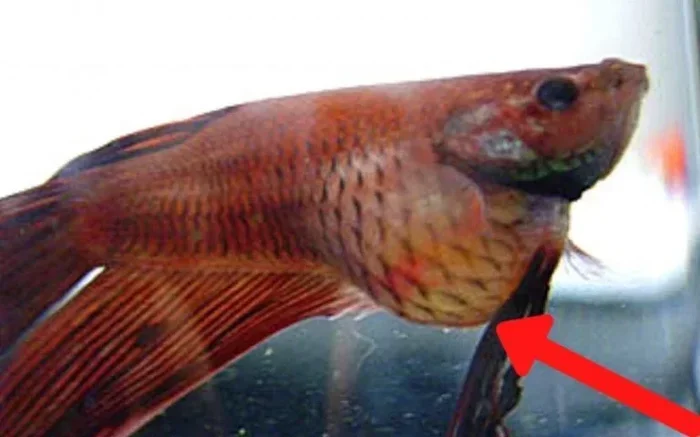
The most visible sign is a belly that looks much bigger than normal. A healthy betta has a slightly rounded tummy. But a bloated fish will have a belly that looks tight, shiny, and very round. If the scales start to stick out, this is a more serious condition called dropsy.
Loss of Appetite
A bloated betta fish often stops eating or eats much less than usual. If your fish ignores food it normally loves, that is a red flag. Betta fish not eating for more than two days is a sign you should investigate further.
Difficulty Swimming or Staying Upright
Bloating can affect your fish’s swim bladder. This is the organ that controls buoyancy. A fish with a swollen belly may float at the top, sink to the bottom, or tilt sideways. If you notice your betta struggling to stay upright, bloating could be the cause.
Lethargy and Hiding
Healthy bettas are curious and active. A bloated fish often becomes lazy and hides more than usual. If your betta stays in one spot and refuses to move, take a closer look at its belly and overall behavior.
Clamped Fins
When a fish feels unwell, it often holds its fins close to its body. This is called clamped fins. It is one of the more general betta fish illness signs, but combined with a swollen belly, it strongly points to bloating.
Common Causes of Bloating in Betta Fish
Understanding why your betta is bloated helps you choose the right treatment. Several factors can lead to a swollen belly. Let us break them down.
Overfeeding
This is the number one cause of betta fish overfeeding problems. Bettas have small stomachs. They should eat only what fits in their eyeball, about two to three pellets per meal. Feeding too much or too often fills their stomach beyond capacity. This leads to constipation and bloating.
Constipation
Constipation is very common in betta fish. It happens when food builds up in the digestive tract. A constipated fish will have a hard, swollen belly. You may also notice your fish has not produced waste in a while. This is different from dropsy, which involves fluid buildup.
Swim Bladder Disorder
The swim bladder controls how your fish floats and sinks. When this organ gets compressed by a swollen belly, it stops working properly. This is called swim bladder disease or swim bladder disorder. It often results from overfeeding, but poor water conditions can also trigger it.
Poor Water Quality
Dirty water stresses your betta and weakens its immune system. When a fish is stressed, it is more likely to get bloated. Betta fish tank water should be clean with zero ammonia and nitrite. Regular water changes are essential for preventing bloating and many other health issues.
Wrong Diet
Feeding your betta the wrong foods can cause digestive problems. Dry flakes or pellets that expand in water can swell inside the fish’s stomach. Frozen or live foods like bloodworms should only be given as occasional treats. A balanced betta fish diet prevents many stomach issues.
Internal Infections or Parasites
Sometimes bloating comes from an infection or parasites inside the body. These are less common but more serious. If your fish shows bloating along with white spots, redness, or unusual slime, an infection may be to blame.
How to Treat a Bloated Betta Fish
Treating bloating depends on the cause and severity. Most mild cases can be handled at home. Here is a step-by-step approach to help your fish recover.
Step 1: Fast Your Betta Fish
The first thing you should do is stop feeding for one to three days. Fasting gives the digestive system time to clear out any blockage. Many fish owners worry about this, but bettas can easily go several days without food. This is one of the simplest and most effective betta fish treatment methods for mild bloating.
Step 2: Feed a Pea
After the fast, offer a single cooked pea. Yes, a pea! Remove the skin and mash it into a small piece. Peas are high in fiber and act as a natural laxative. This helps relieve constipation and get things moving again. This trick works wonders for most cases of bloated betta fish.
Step 3: Improve Water Conditions
Do a 25 to 50 percent water change. Make sure the new water is the right temperature and treated with a conditioner. Clean water reduces stress and supports healing. Check your ammonia and nitrite levels to make sure they are at zero.
Step 4: Use Epsom Salt
Epsom salt can help reduce swelling and relieve constipation. Add one teaspoon per five gallons of water. Let your fish soak in the Epsom salt bath for 15 to 30 minutes. This is a gentle and effective home remedy for bloating.
Step 5: Adjust the Diet Long-Term
After your fish recovers, change its feeding routine. Feed small amounts twice a day instead of one large meal. Choose high-quality pellets that sink slowly. Soak dry food before feeding to prevent it from expanding in the stomach. A better betta fish food plan prevents future bloating episodes.
When to See a Vet or Take Stronger Action
Most bloating cases improve with the steps above. But some situations need more attention. Know the warning signs that mean it is time to take stronger action.
Signs That Require Immediate Care
- The belly is extremely hard and swollen
- Scales are sticking out like a pinecone (this is dropsy)
- Your fish is barely moving or completely immobile
- You see parasites or unusual growths on the body
- Bloating does not improve after three days of home treatment
If you notice any of these signs, do not wait. Visit a fish vet or a knowledgeable aquarium store. Early intervention can make the difference between a full recovery and a tragic loss.
Dropsy vs. Bloating: What Is the Difference?
People often confuse bloating with dropsy, but they are different. Bloating is usually caused by digestive issues like constipation or overfeeding. Dropsy is a more serious condition where fluid builds up inside the body cavity. The key difference is the scales. In dropsy, the scales stick out and look like a pinecone. Bloating alone does not cause this scaling effect. If you are unsure, check our article on how to tell if your betta fish is sick for more detailed guidance.
Prevention Tips to Keep Your Betta Fish Healthy
Prevention is always better than treatment. A few simple habits can keep your betta fish from getting bloated in the first place.
Feed Properly and Consistently
Stick to a regular feeding schedule. Give small amounts twice a day. Use high-quality pellets as the main food. Treat foods like bloodworms and brine shrimp as occasional snacks, not daily meals. This keeps the digestive system running smoothly.
Keep the Water Clean
Perform partial water changes every week. Use a tap water conditioner to remove chlorine and chloramine. Test the water regularly for ammonia, nitrite, and nitrate levels. Clean water is the foundation of good betta fish care.
Provide a Stress-Free Environment
Keep the tank at the right temperature, between 78 and 80 degrees Fahrenheit. Avoid sudden changes in light or noise near the tank. Give your betta plenty of hiding spots and gentle plants. A relaxed fish is a healthy fish.
Quarantine New Fish and Plants
If you add new fish or plants to your tank, quarantine them first. This prevents the spread of parasites and infections that can cause bloating. A two-week quarantine period is a good rule of thumb.
Monitor Your Fish Daily
Spend a few minutes each day watching your betta. Look for changes in behavior, appetite, or belly size. Catching bloating early makes treatment much easier. If you ever notice something off, trust your instincts and investigate.
Quick Tips for Dealing with a Bloated Betta Fish
- Do not panic. Most bloating cases are treatable at home with simple steps.
- Start with a fast. Skipping meals for one to three days is safe and effective.
- Use a cooked pea. It acts as a natural laxative and helps clear constipation.
- Check your water. Poor water quality is a hidden cause of many health problems.
- Take photos daily. Tracking changes helps you see if the treatment is working.
- Avoid overfeeding after recovery. Go back to a small, consistent feeding schedule.
- Know your limits. If home treatment does not work, seek professional help promptly.
Common Mistakes Fish Keepers Make with Bloating
Even experienced fish keepers make mistakes when dealing with a bloated betta. Here are the most common ones to avoid.
- Overfeeding after recovery. Once the fish gets better, it is tempting to feed more. Resist this urge. Stick to small portions to prevent the problem from coming back.
- Ignoring water changes. Some people focus only on food and forget about water quality. Dirty water slows healing and can cause the problem to return.
- Treating dropsy as simple bloating. If the scales are sticking out, the problem is more serious than simple constipation. Seek expert advice for dropsy cases.
- Using medications without knowing the cause. Not all bloating needs medicine. Treating the wrong thing can make things worse. Always identify the cause first.
- Waiting too long to act. Early treatment gives the best results. If you see signs of bloating, start treatment right away.
Many of these mistakes come from worry and wanting to help fast. But patience and careful observation lead to better outcomes. If you are ever unsure about what to do, check out our guide on how to help a betta fish that is sick for more detailed advice.
Expert Insights on Betta Fish Bloating
We spoke with experienced aquarists about the most common bloating cases they see. Here is what they shared.
Dr. Aquarium (Expert Contributor): “The vast majority of bloating cases I see come from overfeeding. Many new betta owners love their fish too much and feed them too much. A simple fasting period and a pea often solve the problem within days.”
Tank Master Jen: “Water quality is the silent killer. I always tell people to test their water before trying any fancy treatments. If the water is bad, no amount of food changes will fix the issue.”
Betta Breeder Mike: “Prevention is everything. A clean tank, a consistent feeding schedule, and a varied but controlled diet keep bloating away 90 percent of the time.”
These expert insights reinforce a simple truth: keep it simple, keep the water clean, and feed wisely. Your betta fish will thank you with a healthy, happy life.
Conclusion
Knowing how to tell if betta fish is bloated is an essential skill for every fish owner. The signs are clear once you know what to look for. A swollen belly, loss of appetite, and trouble swimming are the top clues. Most bloating cases come from overfeeding, constipation, or poor water quality. The good news is that these causes are very treatable at home.
Start with a short fast, offer a cooked pea, and improve the water conditions. These simple steps resolve the majority of mild to moderate bloating cases. If the problem persists or gets worse, do not hesitate to seek professional help. Prevention through proper feeding and clean water keeps your betta healthy for years to come.
Remember, a healthy betta fish is a happy betta fish. Stay observant, act quickly, and your fish will thrive. For more information on related health topics, explore our resources on identifying betta fish sickness and treating bloated betta fish. Your fish is lucky to have such a caring owner.
Frequently Asked Questions
What does a bloated betta fish look like?
A bloated betta fish has a noticeably swollen, round belly that looks tight and shiny. The belly may appear much larger than normal, and in severe cases, the scales may stick out. A healthy betta has a slightly rounded tummy, but bloating makes it look disproportionately large.
Can a bloated betta fish die?
Yes, if bloating is left untreated, it can become life-threatening. Severe bloating can damage internal organs or indicate a serious underlying condition like dropsy or infection. However, most cases are treatable when caught early with proper care and attention.
How long does it take for a bloated betta fish to recover?
Mild bloating often improves within two to three days of fasting and home treatment. More serious cases may take a week or longer, especially if the cause is an infection or parasite. Consistency with water changes and proper feeding speeds up recovery.
Is Epsom salt safe for betta fish?
Yes, Epsom salt is safe and effective for treating mild bloating and constipation in betta fish. Use one teaspoon per five gallons of water for a 15 to 30 minute soak. Always use plain Epsom salt with no added fragrances or ingredients.
Should I feed my bloated betta fish peas?
Yes, a cooked pea is one of the best home remedies for constipation-related bloating. Remove the skin, mash it into a small piece, and offer it after a one to three day fast. Peas provide fiber that helps clear the digestive tract naturally.
How can I prevent my betta fish from getting bloated?
Prevent bloating by feeding small amounts twice a day, using high-quality pellets, and avoiding overfeeding. Keep the water clean with regular changes and proper conditioning. A stress-free tank environment with stable temperatures also reduces the risk of bloating and other health problems.