Betta bites are usually a sign of stress, hunger, or territorial instinct. By checking water quality, feeding habits, and handling techniques, you can quickly stop the nipping and enjoy a peaceful tank. Follow our simple steps and your betta will thank you with vibrant colors—not bites.
Key Takeaways
- Stress is the main culprit: Poor water, loud environments, or a cramped tank can trigger biting.
- Hunger matters: Under‑fed bettas may nip at fingers that look like food.
- Territorial instinct: Betta males protect their space and may bite if they feel threatened.
- Proper handling: Using a soft net or cupping hands reduces defensive bites.
- Health check: Illness or parasites can make a betta more aggressive.
- Enrichment helps: Plants, caves, and toys give your betta a sense of security.
- Observe and adjust: Small changes in routine often solve the biting problem.
📑 Table of Contents
Introduction: When Your Betta Starts Nipping
Imagine you’re reaching into the tank to give your betta a quick splash, and suddenly you feel a tiny pinch on your finger. “Why does my betta fish bite me?” you wonder, half‑laughing, half‑concerned. Betta fish, also called Siamese fighting fish, are known for their bright colors and flowing fins, but they can also be surprisingly feisty.
In this article we’ll walk through the most common reasons a betta might bite, how to spot warning signs, and what you can do right now to stop the nipping. Think of it as a friendly chat over a cup of tea, where we solve the mystery together and make your aquarium a happier place for both you and your finned companion.
1. Stress Triggers the Bite
Betta fish are highly sensitive to their environment. When they feel unsafe, their first line of defense is to bite.
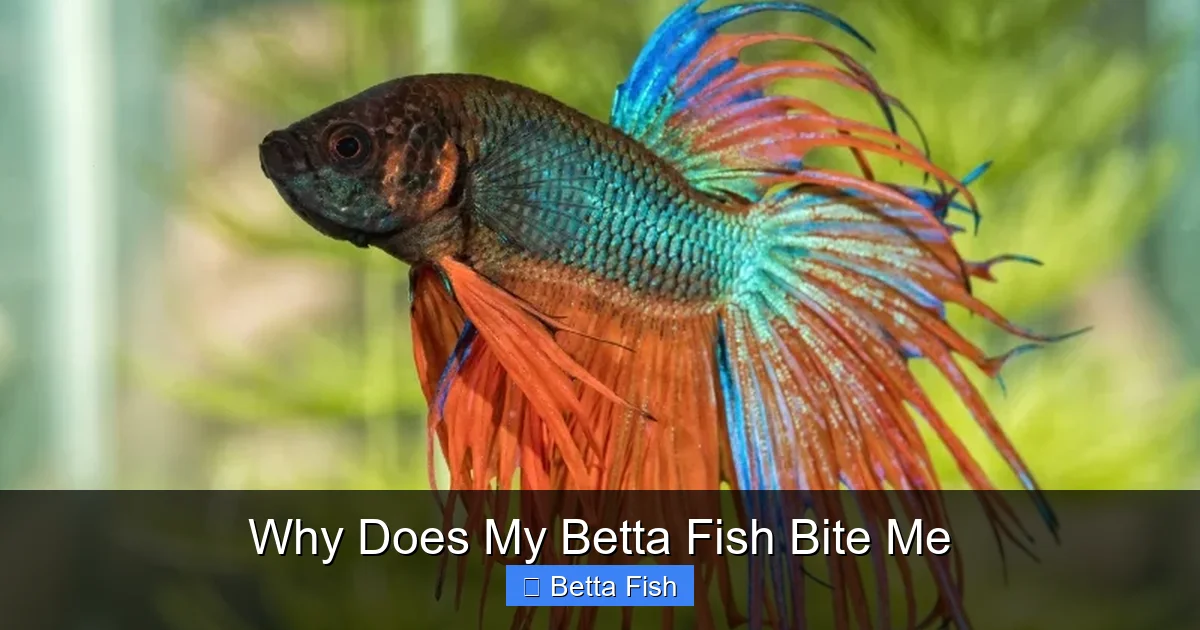
Visual guide about Why Does My Betta Fish Bite Me
Image source: infishtank.com
Water Quality Issues
Bad water is the #1 stressor. High ammonia, nitrite, or a pH that swings wildly can make a betta irritable. Test the water weekly and keep parameters steady: temperature 76‑82°F (24‑28°C), pH 6.5‑7.5, and ammonia below 0.25 ppm.
Noise and Vibration
Betta’s lateral line picks up vibrations. Loud music, a TV thumping against the wall, or a nearby blender can feel like a predator is approaching. Try moving the tank to a quieter corner.
Tank Size and Decorations
Even though bettas can survive in small bowls, they thrive in at least a 5‑gallon tank with hiding spots. A barren space makes them feel exposed, prompting defensive bites. Add live plants, silk driftwood, or a small cave to give them places to retreat.
Link to Related Issue
If you notice your betta looking bloated, it could be a sign of poor water quality too. Why does my betta fish look bloated explains the connection.
2. Hunger and Feeding Habits
Betta fish have tiny mouths but big appetites. Skipping meals or feeding too little can turn a curious nibble into a bite.
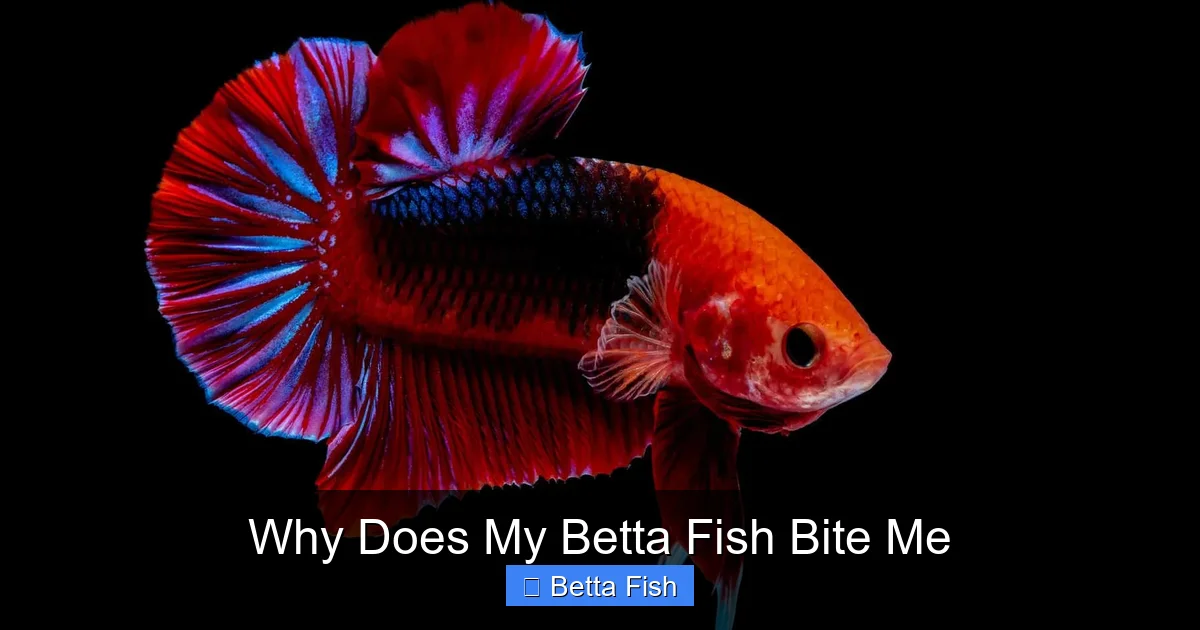
Visual guide about Why Does My Betta Fish Bite Me
Image source: bettasource.com
Feeding Frequency
Adult bettas do well with two small meals per day. Over‑feeding leads to waste, which degrades water, while under‑feeding leaves them hungry and more likely to mistake a finger for food.
Food Type
High‑quality pellets or frozen bloodworms are best. Cheap, low‑protein flakes can cause digestive issues and irritability. Mix in a occasional treat to keep them interested.
Feeding Routine
Consistent timing helps. If you feed at 9 am and 6 pm, your betta learns to expect food then, reducing the chance it will bite when you reach in at random times.
3. Territorial Instincts
Male bettas are natural warriors. In the wild they defend a small stretch of water. In a tank, any perceived intrusion—another fish, a new decoration, or even your hand—can trigger a bite.

Visual guide about Why Does My Betta Fish Bite Me
Image source: infishtank.com
Male vs. Female Behavior
Both sexes can bite, but males are more aggressive. If you have more than one betta, keep them separated or use a divided tank.
Introducing New Items
When adding a new plant or ornament, do it slowly. Sudden changes can be interpreted as a rival moving in.
Link to Aggression Topic
Wondering why two female bettas might fight? Why are my two female betta fish fighting offers insight that also applies to male territorial bites.
4. Health Problems That Increase Aggression
Illness can make a normally calm betta bite. Parasites, fin rot, or internal infections cause discomfort, and a nipping response is a way to protect the sore area.
External Signs
- White or black spots on the body (Why did my betta fish turn white)
- Faded colors or shredded fins (Why does my betta fish fins look shredded)
- Loss of appetite or spitting out food
When to Treat
If you notice any of these signs, isolate the fish in a hospital tank, improve water quality, and consider a mild anti‑parasitic medication. A healthy betta is less likely to bite.
5. Handling Techniques That Prevent Bites
Even a calm betta can bite if you handle it the wrong way. Here’s how to interact safely.
Approach Slowly
Move your hand above the water, let the betta see you, then gently lower your fingers. Sudden movements look like a predator attack.
Use a Soft Net or Cup
A fine‑mesh net or a clean cup lets you move the fish without squeezing its body. Cup the betta from the side, not from above, to avoid startling it.
Limit Direct Contact
Betta’s mouths are tiny but can still deliver a pinch. If you need to clean the tank, use a siphon instead of poking the fish.
Practice Short Sessions
Start with 5‑second interactions and gradually extend as the fish gets comfortable. Reward calm behavior with a tiny treat.
6. Enrichment and Routine for a Happy Betta
Providing mental stimulation reduces boredom‑induced aggression.
Live Plants and Hiding Spots
Java moss, Anubias, or silk plants give your betta places to explore and hide. A small cave mimics a natural shelter.
Interactive Toys
Floating ping‑pong balls or mirrors (used briefly) can engage a betta’s curiosity without stressing it.
Consistent Light Cycle
12‑hour light and 12‑hour dark periods simulate a natural environment, keeping hormonal cycles stable.
Link to Bubble Behavior
Curious about why your betta makes bubbles? Why does my betta fish make bubbles explains the behavior, which can also be a sign of a relaxed, healthy fish.
Conclusion: Turning Bites into Bonding
“Why does my betta fish bite me?” is a question many owners ask, and the answer is rarely one‑dimensional. Stress, hunger, territorial instincts, health issues, and handling methods all play a part. By paying close attention to water quality, feeding schedules, tank setup, and gentle interaction, you can transform those tiny nips into a calm, colorful companion.
Take one step today—maybe a quick water test or a new plant—and watch how quickly your betta’s behavior improves. Before long, you’ll be reaching into the tank for a friendly splash rather than a surprising pinch. Happy fishkeeping!
Frequently Asked Questions
Why does my betta fish bite my finger when I feed it?
It often thinks your finger is food. Feeding on a schedule and using a feeding stick can reduce the confusion.
Can a betta bite be dangerous to humans?
Betta bites are tiny and usually only cause a mild pinch. They rarely break the skin, but they can be uncomfortable.
What water conditions cause a betta to become aggressive?
High ammonia, fluctuating pH, and temperatures outside 76‑82°F stress bettas and can trigger biting.
How often should I clean my betta’s tank to prevent stress?
Partial water changes of 25‑30% weekly keep parameters stable and reduce stress‑related aggression.
Will a betta stop biting if I give it more toys?
Enrichment helps, but the main factors are water quality, feeding, and handling. Toys are a good supplement.
Is it normal for a betta to bite after moving to a new tank?
Yes. Relocation is stressful. Give the fish a few days to adjust, keep the tank covered, and maintain stable water conditions.


