Can a Betta Fish Go Without Eating
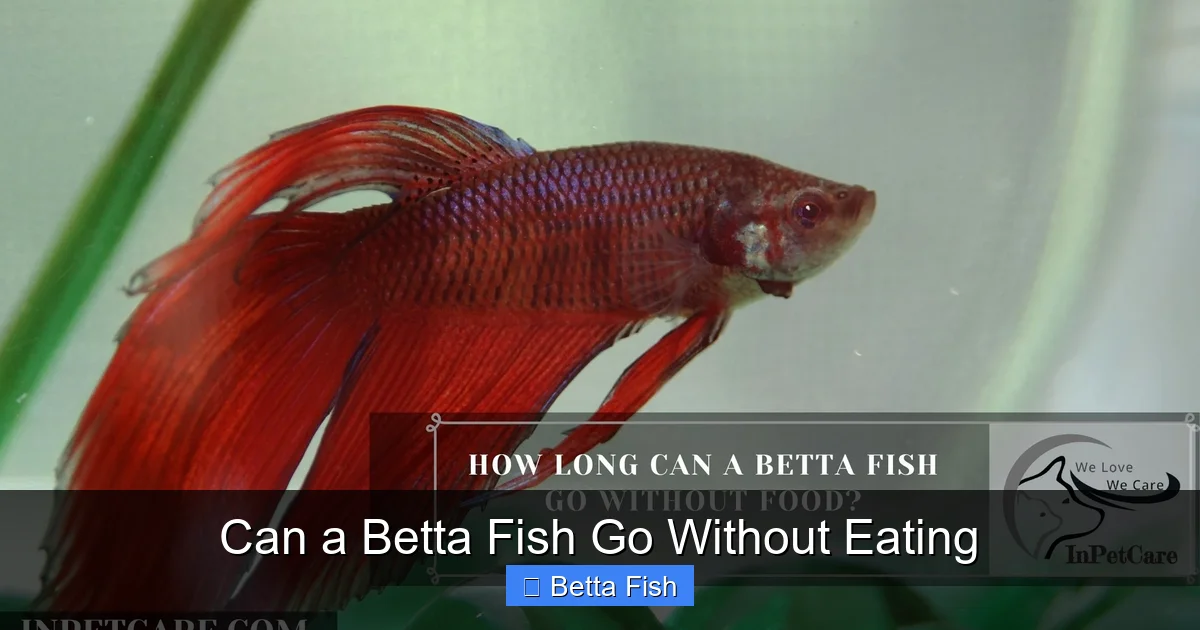
Betta fish can survive short periods without food, but prolonged fasting is dangerous. Understanding the limits, monitoring health, and providing proper nutrition are key to keeping your betta thriving.
Key Takeaways
- Short fasts are okay: A healthy betta can skip a day or two without serious harm.
- Maximum safe period: Most bettas can survive up to 7‑10 days without food if water quality is excellent.
- Stress accelerates decline: Poor water, temperature swings, or illness shorten the fasting window.
- Watch for warning signs: Weight loss, faded colors, and lethargy indicate a problem.
- Gradual re‑feeding: Start with tiny meals after a fast to avoid digestive upset.
- Backup feeding options: Freeze‑dried or live foods can help when regular pellets aren’t available.
- Regular monitoring: Keep a feeding log and water‑test routine to catch issues early.
📑 Table of Contents
Introduction
Betta fish, also called Siamese fighting fish, are popular for their vivid colors and bold personalities. New owners often wonder how often they need to feed their finned friends. The short answer: bettas can go without food for a few days, but they are not built for long‑term starvation.
In this article we’ll break down exactly how long a betta can survive without eating, what signs to watch for, and practical steps to keep your fish healthy during a brief fast or an unexpected feeding lapse.
How Long Can a Betta Fish Really Go Without Food?
Typical fasting window
Under ideal conditions—a clean tank, stable temperature (78‑80°F), and a healthy adult betta—most fish can safely endure 5‑7 days without food. Some experts stretch this to a maximum of 10 days, but the risk of health issues rises sharply after the first week.
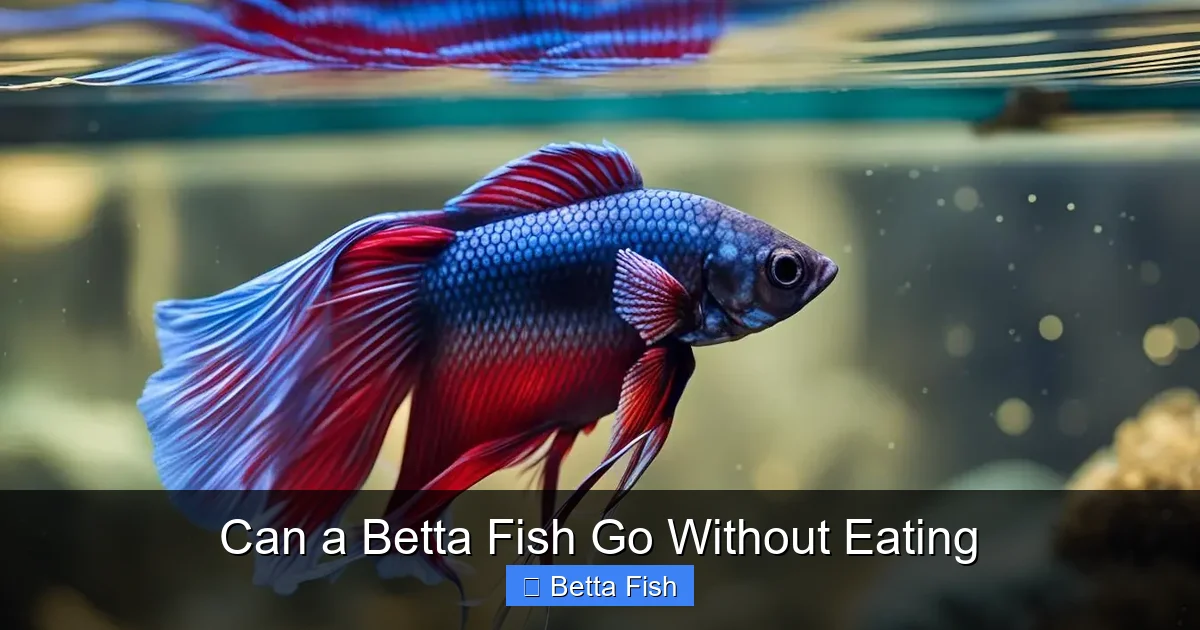
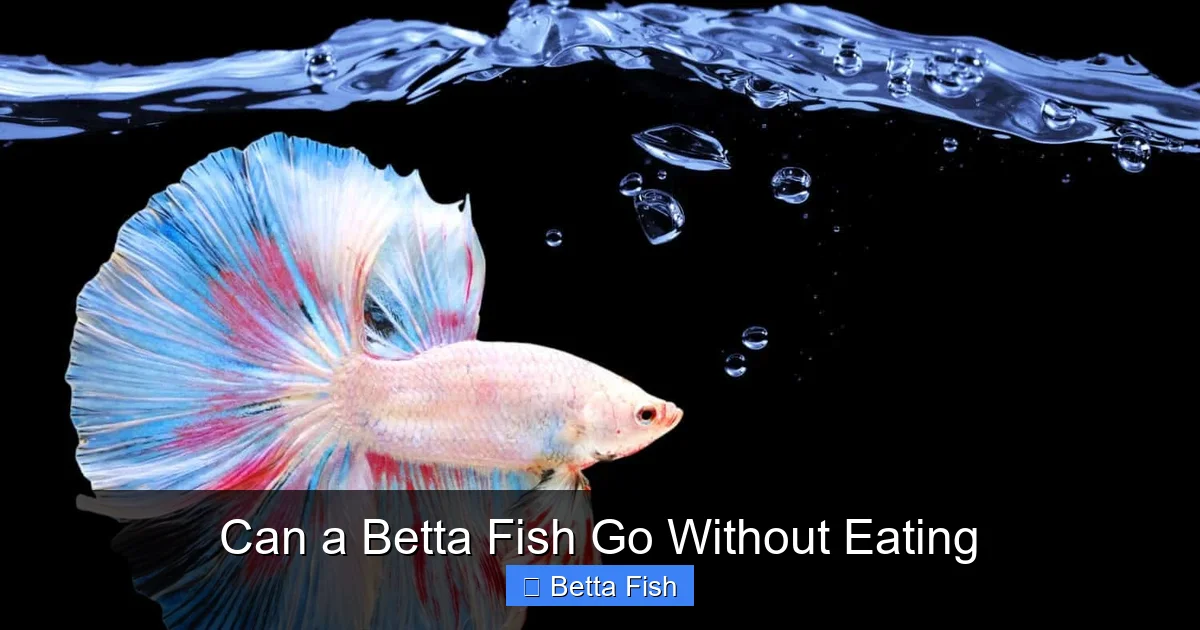
Visual guide about Can a Betta Fish Go Without Eating
Image source: buynowx.com
For a more detailed look at the science, see our article on how long a betta fish can go without eating. It explains the metabolic slowdown that occurs when food is scarce.
Factors that shorten the safe period
- Water quality: Poor ammonia or nitrite levels force the fish to use extra energy to detoxify, draining reserves faster.
- Temperature: Temperatures above 82°F increase metabolism, making the fish burn calories more quickly.
- Age and health: Juvenile bettas have higher metabolic rates, while sick fish need constant nutrients to fight infection.
Why a Betta Might Skip a Meal
Natural behaviors
In the wild, bettas are ambush predators that may go hours between catches. This instinct can translate to occasional missed feedings in captivity, especially if the fish is stressed or the food is unappealing.
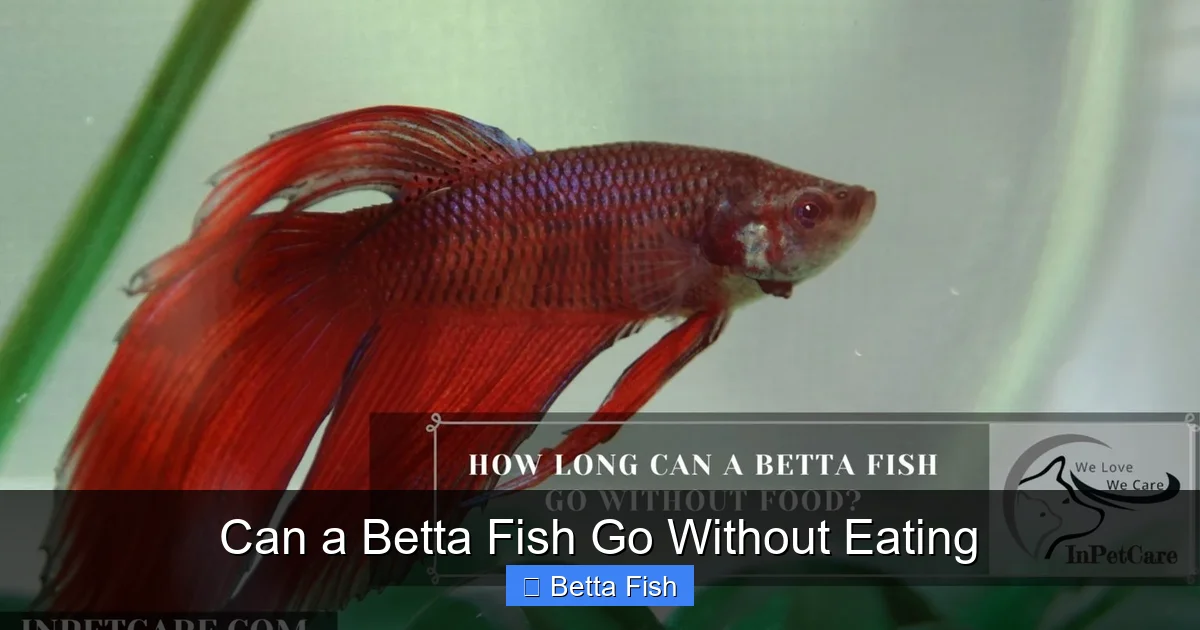
Visual guide about Can a Betta Fish Go Without Eating
Image source: inpetcare.com
Common stressors
- Sudden changes in lighting or temperature.
- New tank mates that cause aggression.
- Improper water parameters.
Illness cues
Loss of appetite is often the first sign of disease. Look for white spots, fin rot, or unusual swimming patterns. If your betta refuses food for more than two days and shows other symptoms, a water test and a visit to a specialist are advisable.
Recognizing the Warning Signs of Starvation
Physical changes
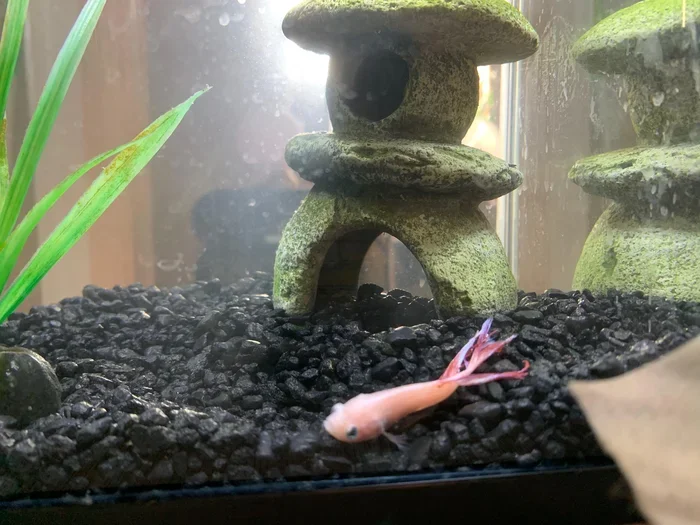
- Weight loss: The belly will appear sunken, and the fish may look “thin.”
- Color fading: Bright reds and blues become dull.
- Fin deterioration: Fins may appear ragged or frayed.
Behavioral shifts
A lethargic betta that hides at the bottom of the tank is likely low on energy. Conversely, frantic surface‑grazing can indicate a desperate search for food.
Visual guide about Can a Betta Fish Go Without Eating
Image source: a-z-animals.com
Safe Feeding Practices
Establish a routine
Feed your betta once or twice daily, offering only what it can eat in 2‑3 minutes. Over‑feeding leads to water quality problems that can mimic starvation symptoms.
Choosing the right food
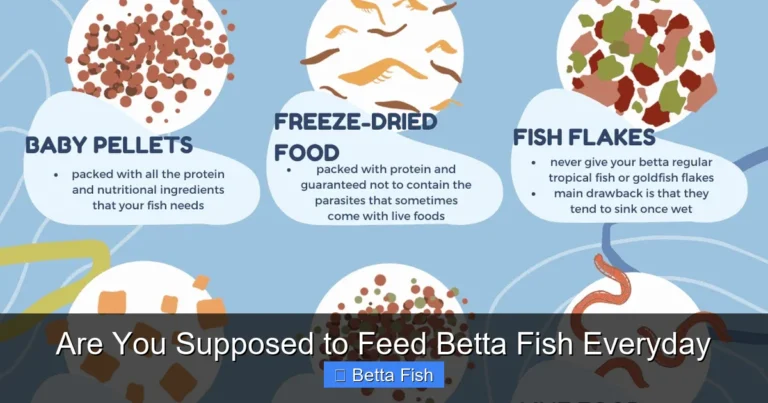
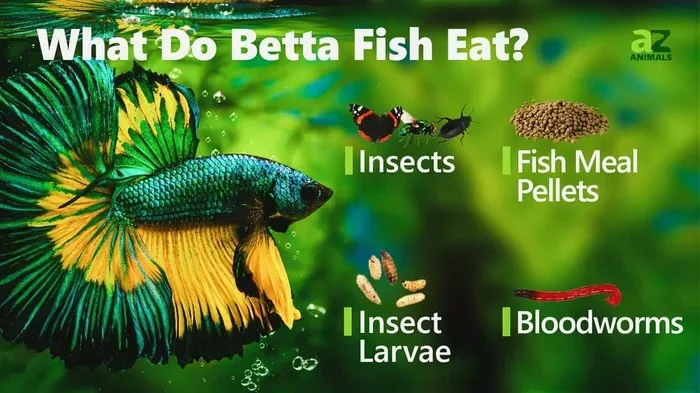
- Pellets: Designed for bettas, they sink slowly and are easy to portion.
- Freeze‑dried or live foods: Brine shrimp, bloodworms, and daphnia provide protein spikes useful during recovery.
- Avoid goldfish flakes: They lack essential nutrients and can cause digestive upset (Can a betta fish eat goldfish food).
What to do if you miss a feeding
Don’t panic. If one day passes, simply resume the normal schedule. If it’s been three days, offer a tiny portion of high‑protein food to stimulate appetite. Watch the fish closely for any adverse reaction.
Re‑feeding After a Prolonged Fast
Start small
Begin with half the usual amount of live or frozen food for the first 24‑48 hours. Gradually increase to normal portions over a week.
Monitor digestion
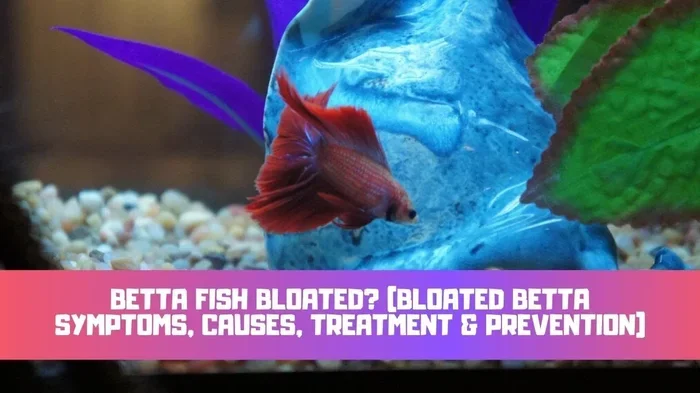
Watch for bloating or constipation. If you notice any, perform a gentle water change and consider a short fast of 24 hours to let the gut settle.
Preventing Unplanned Fasts
Backup feeding plans
- Keep a small supply of freeze‑dried brine shrimp in the freezer.
- Invest in an automatic feeder for vacations or busy weeks.
Regular tank maintenance
Clean water reduces stress, which in turn keeps appetite steady. Test for ammonia, nitrite, and nitrate weekly, and perform 20‑30% water changes as needed.
Conclusion
While bettas can survive a short food shortage, they thrive on consistent, balanced nutrition. Understanding the limits—generally no more than a week without food—helps you act quickly if a feeding is missed. Keep an eye on water quality, temperature, and your fish’s behavior, and you’ll give your betta the best chance at a long, colorful life.
Frequently Asked Questions
Can a betta fish survive a whole week without food?
Yes, a healthy adult betta can typically survive 5‑7 days without eating if water conditions are excellent, but the risk of illness increases after the first few days.
What are the first signs that my betta is starving?
Look for a sunken belly, faded colors, and lethargic behavior. Weight loss and frayed fins are also strong indicators.
Is it safe to feed my betta goldfish flakes in a pinch?
Goldfish flakes lack essential nutrients for bettas and can cause digestive problems. Use them only as an emergency and switch back to proper betta food as soon as possible.
How often should I feed my betta under normal conditions?
Feed once or twice daily, offering only what the fish can consume in 2‑3 minutes. This prevents over‑feeding and maintains water quality.
Can I use an automatic feeder for my betta?
Yes, an automatic feeder is a reliable backup for vacations or busy schedules, ensuring your betta gets regular, small meals.
What should I do if my betta refuses food for three days?
Check water parameters, temperature, and look for signs of illness. Offer a tiny portion of live or frozen food to entice eating, and monitor closely.