Why Is My Betta Fish’s Tail Ripping

Seeing your betta’s tail look torn or ragged can be scary, but it’s often a solvable problem. This guide explains the main reasons behind tail ripping, from water quality to aggression, and offers practical, easy‑to‑follow solutions so you can restore your fish’s beautiful fin quickly.
Key Takeaways
- Water quality matters: Poor parameters stress bettas and cause fin damage.
- Tank mates can bite: Even peaceful species may nip a betta’s tail if space is limited.
- Infections are common culprits: Bacterial, fungal, or parasitic diseases often start with a torn tail.
- Improper diet weakens fins: Lack of essential nutrients leads to frayed, ragged edges.
- Stress triggers self‑injury: Over‑stimulation, temperature swings, and bright lights can cause a betta to tear its own tail.
- Early treatment works best: Spotting the problem early and acting fast can save the fin and the fish.
- Regular maintenance prevents recurrence: Consistent water changes and tank checks keep tails intact.
📑 Table of Contents
- Introduction: When a Betta’s Tail Looks Like It’s Been Torn
- 1. Water Quality – The Hidden Enemy
- 2. Tank Mates and Aggression
- 3. Infections – Bacteria, Fungus, and Parasites
- 4. Nutrition – Feeding for Strong Fins
- 5. Stress Factors – The Silent Tail‑Ripper
- 6. Healing and Prevention – Steps to Save the Tail
- Conclusion: A Happy Betta Starts With a Healthy Tail
Introduction: When a Betta’s Tail Looks Like It’s Been Torn
If you’ve ever watched a betta glide through the water with its elegant, flowing tail, you know how striking that sight can be. So when the tip of that beautiful fin starts to look ragged, torn, or even missing, it feels like a personal failure. You might wonder, “why is my betta fish’s tail ripping?” The good news is that most tail problems have clear reasons and easy fixes.
In this article we’ll walk through the most common causes, how to spot early warning signs, and what you can do today to help your betta heal. Think of it as a friendly chat over a cup of tea—simple language, practical tips, and no jargon.
1. Water Quality – The Hidden Enemy
Why poor water hurts the tail
Betta fish are native to shallow, warm rice paddies where water is clean and stable. In a home tank, sudden spikes in ammonia, nitrite, or nitrate create stress. Stress weakens the protective mucus layer on the skin and fins, making the tail vulnerable to tears and infections.

Visual guide about Why Is My Betta Fish’s Tail Ripping
Image source: babytravel.net
What to test
- Ammonia: 0 ppm
- Nitrite: 0 ppm
- Nitrate: < 20 ppm for bettas
- pH: 6.5‑7.5
- Temperature: 76‑82°F (24‑28°C)
Quick water‑care routine
Do a 25‑30 % water change every week. Use a water conditioner to remove chlorine and chloramines. A small, reliable filter (even a sponge filter) helps keep ammonia low.
For more on water‑related issues, see our guide on why is my betta fish water cloudy—clear water is a happy betta.
2. Tank Mates and Aggression
Can other fish bite a betta’s tail?
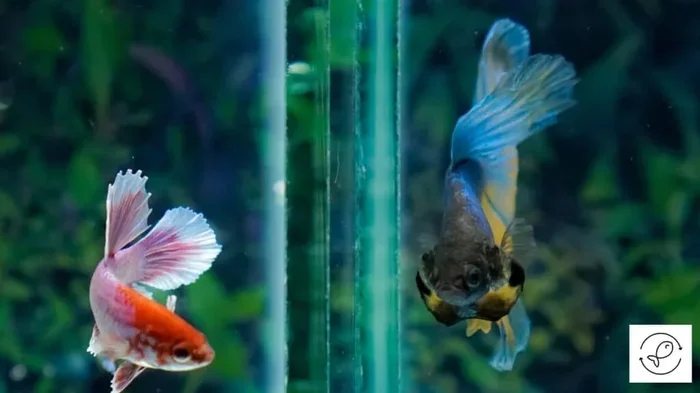
Yes. While bettas are often kept alone, some hobbyists house them with peaceful community fish. Even small, non‑aggressive species like neon tetras may nip at a betta’s fins if the tank is crowded or if the betta feels threatened.

Visual guide about Why Is My Betta Fish’s Tail Ripping
Image source: icon-icons.com
Signs of fin nipping
- Fresh, clean cuts on the tail edge
- Bleeding or red streaks
- Betta flares and chases other fish
How to prevent nipping
Give your betta a minimum of 5‑gal (19‑L) space, add plenty of plants or decorations for hiding spots, and keep tank mates to species that are truly “peaceful tank mates for bettas.” If you notice nipping, move the betta to a separate tank immediately.
3. Infections – Bacteria, Fungus, and Parasites
When a torn tail is actually an infection
In many cases the tail looks ripped because an infection has already started eating away at the tissue. Common culprits include Flavobacterium columnare (bacterial columnaris), fungal infections like Saprolegnia, and parasites such as Ichthyophthirius multifiliis (ich).

Visual guide about Why Is My Betta Fish’s Tail Ripping
Image source: studyglance.in
Symptoms to watch
- White or gray patches on the fin
- Fuzzy, cotton‑like growth (fungus)
- Rapid fraying that spreads toward the body
- Loss of appetite and lethargy
Treatment basics
Isolate the betta in a quarantine tank. Treat bacterial infections with a broad‑spectrum antibiotic like Maracyn‑Two (follow dosage instructions). For fungus, use a copper‑based medication or aquarium salt (1 g per 5 L) for a few days. Parasites often require formalin or malachite green dips.
If you’re unsure, read our article on why did my betta fish lose its tail for a deeper dive into disease signs and treatments.
4. Nutrition – Feeding for Strong Fins
What nutrients keep tails healthy?
Betta fish need high‑protein, high‑fat diets to grow and maintain strong fins. Deficiencies in essential fatty acids, vitamins (especially A, C, and E), and minerals can cause brittle, frayed tails that tear easily.
Best foods
- High‑quality betta pellets (30 % protein or more)
- Frozen or live brine shrimp, daphnia, or bloodworms (once or twice a week)
- Supplement with a vitamin‑rich betta gel or a few drops of liquid fish vitamin once a week
Feeding schedule
Feed two small meals per day, offering only what your betta can eat in 2‑3 minutes. Over‑feeding leads to poor water quality, which circles back to tail stress.
5. Stress Factors – The Silent Tail‑Ripper
Common stress triggers
Betas are territorial and easily startled. Loud noises, bright lights, constant movement, and sudden temperature changes can cause them to thrash and accidentally tear their own tails.
Creating a calm environment
- Keep the tank in a quiet room away from TV or speakers.
- Use a dimmable LED light on a 10‑hour day/night cycle.
- Maintain a stable temperature with a reliable heater.
- Limit reflections by covering the front of the tank or using a background.
When stress leads to self‑injury
If you notice your betta repeatedly rubbing its tail against tank walls or décor, consider adding a soft plant (like Java fern) or a smooth rock for it to glide against instead of harsh surfaces.
6. Healing and Prevention – Steps to Save the Tail
Immediate actions
- Quarantine: Move the betta to a small, bare‑bottom tank with clean, conditioned water.
- Check water: Test and correct any parameters.
- Trim damaged fin: Using sterilized scissors, carefully cut away ragged edges to a clean line. This prevents further tearing.
- Medication: Apply the appropriate treatment based on suspected infection (see Section 3).
- Boost nutrition: Offer a high‑quality pellet and a vitamin supplement.
Long‑term prevention plan
Schedule weekly water changes, keep a log of water parameters, and rotate a variety of high‑protein foods. Observe your betta daily for any changes in behavior or fin condition.
Regularly check the tank for signs of other problems—if you notice white spots on the body, you might also be dealing with why are my betta fish’s scales turning white, which could indicate a broader health issue.
Conclusion: A Happy Betta Starts With a Healthy Tail
Finding out why is my betta fish’s tail ripping can feel overwhelming, but most causes are preventable with proper care. By keeping the water clean, feeding a balanced diet, reducing stress, and acting quickly when you see the first sign of damage, you’ll give your betta the best chance for a full recovery.
Remember, the health of a betta’s tail reflects the overall health of the fish. Keep an eye on the whole picture, and you’ll enjoy many vibrant, graceful swims for years to come.
Frequently Asked Questions
Why does my betta’s tail look frayed?
Frayed tails are often a sign of stress, poor water quality, or early infection. Check your tank parameters and look for any signs of disease.
Can a betta bite its own tail?
Yes. When stressed or uncomfortable, a betta may rub or bite its own fins, causing tears that look like ripping.
How long does it take for a tail to heal?
With proper care, a betta can regrow a damaged fin in 2‑4 weeks. Healing speed depends on water quality, nutrition, and whether an infection is present.
Should I use a medication if I’m not sure the cause?
Start with a broad‑spectrum antibacterial like Maracyn‑Two, but always isolate the fish first. If the problem worsens, consult a vet or experienced hobbyist.
Is it safe to keep my betta with other fish after a tail injury?
It’s best to keep the betta alone until the fin fully heals. Other fish may nip at the damaged area, slowing recovery.
What can I do to prevent future tail damage?
Maintain clean water, provide a balanced diet, avoid bright lights and loud noises, and give your betta plenty of hiding spots and space.