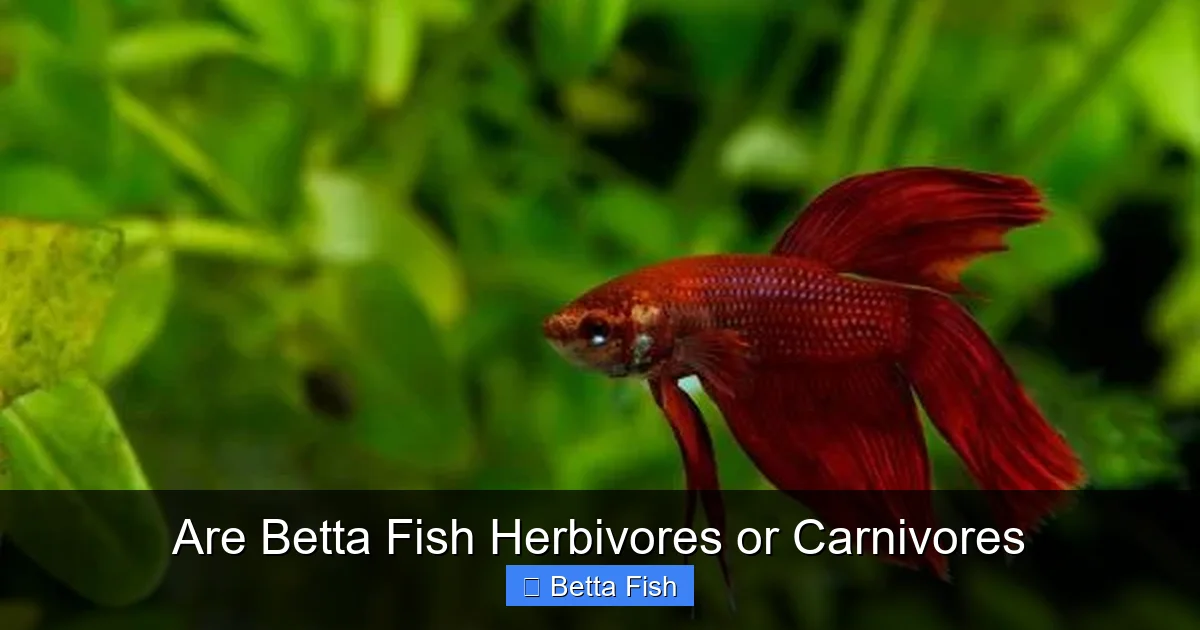
Are Betta Fish Herbivores or Carnivores
Betta fish are primarily carnivorous, thriving on protein‑rich foods like live or frozen insects, brine shrimp, and high‑quality pellets. While they can munch on some plant matter, greens are only a supplemental treat, not a staple.
Key Takeaways
- Natural diet: Betta fish are obligate carnivores that need animal protein for optimal health.
- Plant matter: Vegetables can be offered occasionally, but they should never replace a protein‑based diet.
- Feeding frequency: Small meals 2‑3 times a day prevent overfeeding and keep water quality high.
- Live vs. prepared: Live or frozen foods are most nutritious, but high‑grade pellets are a convenient, balanced alternative.
- Water quality impact: Overfeeding leads to ammonia spikes; proper diet helps maintain clear, healthy water.
- Seasonal variations: In the wild, bettas eat more insects during the rainy season; replicate this with varied protein sources.
- Health signs: Bright colors, active behavior, and strong fins indicate a diet that meets their carnivorous needs.
📑 Table of Contents
- Introduction: The Great Betta Diet Debate
- 1. Betta Fish in the Wild: A Carnivorous Heritage
- 2. Decoding the “Herbivore vs. Carnivore” Question
- 3. Building a Balanced Betta Menu
- 4. Common Feeding Mistakes and How to Avoid Them
- 5. Enhancing Your Betta’s Environment to Support a Carnivorous Diet
- 6. Frequently Overlooked Aspects of Betta Nutrition
- Conclusion: Feeding Your Betta the Right Way
Introduction: The Great Betta Diet Debate
If you’ve ever stared at a dazzling betta flaring its fins, you’ve probably wondered what fuels that brilliance. The question “are betta fish herbivores or carnivores?” pops up in forums, hobby shops, and even among seasoned aquarists. The short answer is clear: bettas are carnivores. But the story behind that answer is full of fascinating details about their wild origins, digestive anatomy, and the best ways to feed them in a home aquarium.
Understanding a betta’s true dietary needs helps you avoid common mistakes like over‑loading the tank with plant‑based flakes or under‑feeding protein‑rich treats. In this guide we’ll explore the science, share practical feeding tips, and answer the most common questions so you can keep your betta healthy, colorful, and happy.
1. Betta Fish in the Wild: A Carnivorous Heritage
1.1 Natural Habitat and Food Sources
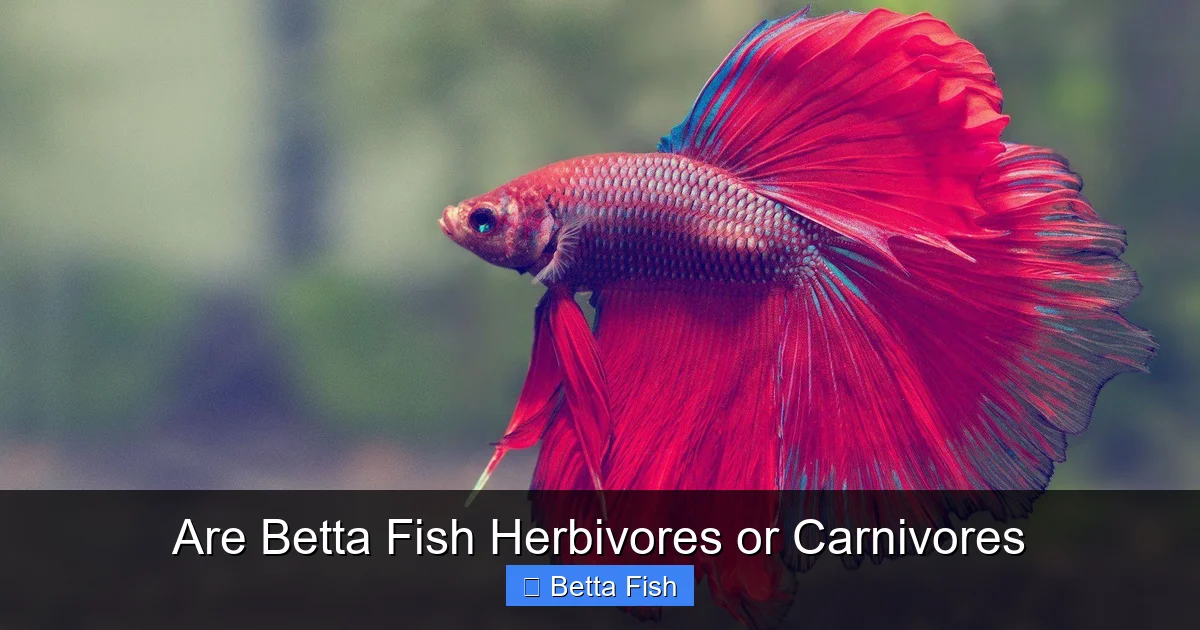
Betta fish (Betta splendens) hail from the shallow, slow‑moving waters of Thailand, Malaysia, and Cambodia. Their native ponds are often filled with leaf litter, floating plants, and a bounty of tiny insects. During the rainy season, the water teems with mosquito larvae, daphnia, and small crustaceans—essentially a protein‑rich buffet.
Visual guide about Are Betta Fish Herbivores or Carnivores
Image source: wallpapercave.com
1.2 Digestive System Built for Meat
Their short, straight intestines are designed to process animal protein quickly. Unlike herbivorous fish that have long, winding guts to break down plant fibers, bettas have a simple digestive tract that extracts nutrients efficiently from insects and other prey.
1.3 Seasonal Shifts
In the wild, bettas eat more insects when the monsoon brings an explosion of larvae. In drier months, they may supplement with algae or plant matter, but protein remains the cornerstone of their diet.
2. Decoding the “Herbivore vs. Carnivore” Question
2.1 What Defines a Carnivore?
A carnivore relies primarily on animal tissue for nutrition. For bettas, this means a diet that is at least 70‑80% animal protein. Foods like brine shrimp, bloodworms, and high‑quality betta pellets meet this requirement.
Visual guide about Are Betta Fish Herbivores or Carnivores
Image source: i.ytimg.com
2.2 Why Some People Mistake Betta Food for Herbivore
Many pet stores stock “vegetable flakes” or “algae wafers” marketed for all tropical fish. Because bettas will sometimes nibble on these, beginners assume they’re herbivores. In reality, those plant‑based foods are only occasional treats, not a primary source.
2.3 The Role of Plant Matter
Occasional greens such as blanched peas, zucchini, or spinach can aid digestion and add fiber, but they should never exceed 10‑15% of the total diet. Think of plant matter as a garnish, not the main course.
3. Building a Balanced Betta Menu
3.1 Premium Betta Pellets: The Everyday Staple
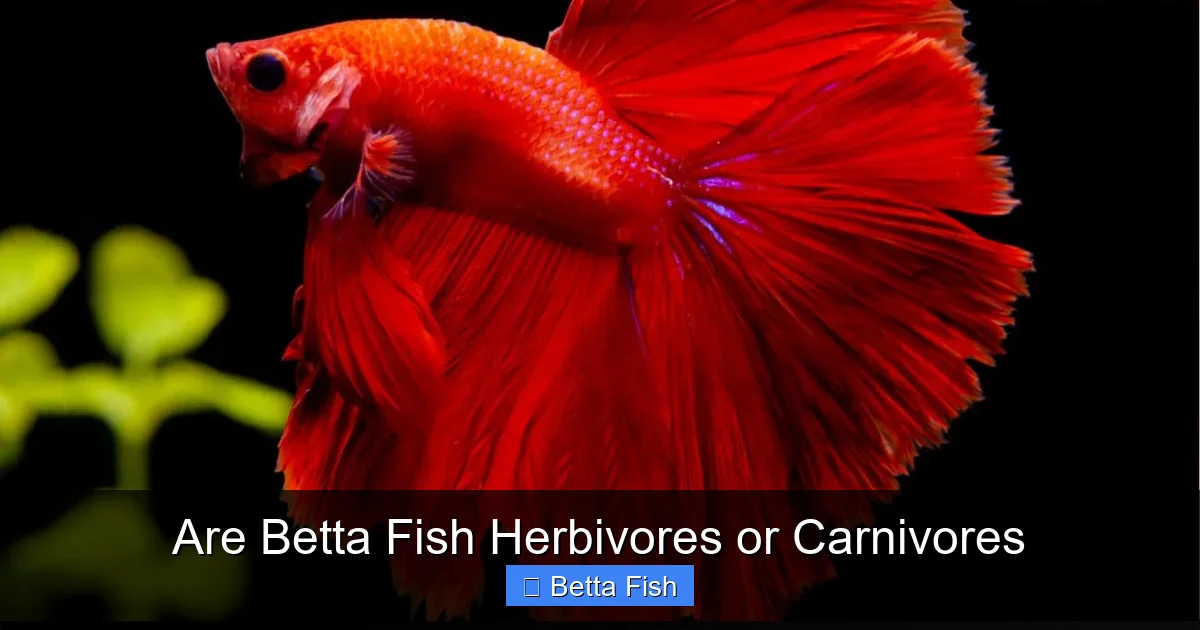
High‑quality betta pellets contain 40‑50% animal protein, essential amino acids, and added vitamins. They sink slowly, mimicking natural hunting behavior. Feed 2‑3 small pellets once or twice daily.
Visual guide about Are Betta Fish Herbivores or Carnivores
Image source: buildyouraquarium.com
3.2 Live and Frozen Foods: The Gold Standard
- Brine shrimp (nauplii): Tiny, easy to digest, and packed with protein.
- Daphnia: Provides a crunchy texture and a small dose of fiber.
- Bloodworms: Rich in iron; great for boosting color, but feed sparingly due to high fat.
- Micro‑worms: Ideal for fry or very small adults.
Offer live or frozen options 2‑3 times a week for variety and optimal health.
3.3 Supplemental Vegetables
Blanch a pea, remove the skin, and offer a tiny piece once a week. You can also give a sliver of zucchini or spinach. These help with constipation and provide micronutrients.
3.4 Feeding Schedule and Portion Control
Betta stomachs are about the size of their eye. Overfeeding quickly leads to cloudy water and health problems. A good rule: feed an amount that your betta can consume in 2‑3 minutes, twice a day.
3.5 Practical Feeding Tips
- Use a feeding cup or tweezers for precise portions.
- Remove uneaten food after 5 minutes to keep water clean.
- Rotate protein sources to prevent boredom and ensure a range of nutrients.
- Observe your betta’s reaction; a healthy fish will actively hunt and show bright coloration.
4. Common Feeding Mistakes and How to Avoid Them
4.1 Overreliance on Flakes
Flake foods often contain plant fillers and lower protein levels. Feeding only flakes can cause stunted growth and dull colors. Use flakes only as an occasional supplement.
4.2 Feeding Too Much Protein
While bettas love meat, excess fatty foods like large bloodworms can cause fatty liver disease. Keep high‑fat treats to once a week.
4.3 Ignoring Water Quality
Uneaten food decomposes, raising ammonia. Regular water changes (25% weekly) and a good filter keep the environment stable.
4.4 Not Adjusting for Life Stage
Fry need more frequent, tiny meals (5‑6 times daily) of micro‑worms or finely crushed pellets. Adults can handle the 2‑3 times daily schedule described above.
4.5 Misinterpreting Color Changes
Dull colors often signal poor nutrition. If your betta looks washed out, evaluate protein intake first before checking water parameters.
5. Enhancing Your Betta’s Environment to Support a Carnivorous Diet
5.1 Tank Setup for Active Hunting
Even though bettas are not strong swimmers, a tank with moderate flow and plenty of hiding spots encourages natural hunting behavior. Live plants like Java moss provide surface area for tiny insects to grow, creating a mini‑ecosystem.
5.2 Compatibility with Tank Mates
Because bettas are carnivores, they may view small free‑swimming fry as food. Choose peaceful, similarly sized species if you want a community setup. Learn more about compatible fish here.
5.3 Temperature and Metabolism
Betta fish are tropical, thriving at 76‑82°F (24‑28°C). Warmer water speeds up metabolism, meaning they may need slightly more frequent feeding during the summer months.
5.4 Light and Day‑Night Cycle
Betas are not strictly nocturnal, but they do appreciate a regular light cycle (10‑12 hours on). Consistent lighting helps regulate feeding times and overall health.
6. Frequently Overlooked Aspects of Betta Nutrition
6.1 Vitamin and Mineral Supplements
If you rely heavily on frozen foods, a occasional vitamin supplement can fill gaps, especially for vitamins A and D.
6.2 Probiotics for Digestive Health
Adding a few drops of a fish‑safe probiotic once a week can improve gut flora, especially after a diet shift.
6.3 Recognizing Signs of Nutritional Deficiency
- Fin rot: Often linked to poor diet and low immunity.
- Loss of color: Indicates insufficient protein or vitamins.
- Lethargy: May result from under‑feeding.
Conclusion: Feeding Your Betta the Right Way
Answering the question “are betta fish herbivores or carnivores?” leads us to a simple truth: they are obligate carnivores that thrive on a protein‑rich diet. While a few greens can be offered for variety, the core of their meals should be high‑quality pellets, live or frozen insects, and occasional treats. By matching their natural feeding habits, monitoring portion sizes, and keeping the tank clean, you’ll enjoy a vibrant, active betta that flaunts its spectacular colors for years to come.
Ready to give your betta the best? Start with a balanced diet, observe its behavior, and adjust as needed. For more on betta care basics, check out Are Betta Fish Easy To Care For and learn how to create the perfect home environment.
Frequently Asked Questions
Are betta fish strictly carnivorous?
Yes, bettas are obligate carnivores. They need animal protein as the main component of their diet to stay healthy and colorful.
Can I feed my betta only vegetable flakes?
No. Vegetable flakes lack the essential amino acids bettas require. They can be an occasional treat, but not a staple.
How often should I feed my adult betta?
Feed small portions 2‑3 times a day, offering an amount they can eat within 2‑3 minutes each session.
Is live food necessary for bettas?
Live or frozen foods provide the highest nutrition and should be offered a few times a week, but high‑quality pellets can meet daily needs.
What are signs that my betta’s diet is inadequate?
Watch for faded colors, ragged fins, lethargy, or frequent constipation. These often point to poor nutrition.
Can bettas eat fruit?
Fruit is not recommended. The sugar content can upset a betta’s digestive system and water quality.