What Can Cure a Betta Fish Tumor
A betta fish tumor can be alarming, but understanding the causes and treatment options is the first step toward helping your fish recover. While some tumors are benign and manageable, others require immediate intervention. This guide covers everything from early detection to home care and professional treatment.
Watching your betta fish develop a lump or unusual growth is scary. You want to help, but you might not know where to start. The good news is that what can cure a betta fish tumor depends on the type, size, and location of the growth. Some tumors respond well to simple changes in care, while others need more advanced treatment.
This guide walks you through everything you need to know. From identifying the early warning signs to exploring treatment options, we cover it all. You will learn how to support your betta fish through the healing process and reduce the chances of tumors coming back. Let us get into it.
Betta fish are hardy creatures, but they are not immune to health problems. Tumors and abnormal growths can develop for many reasons, including genetics, poor water quality, and diet. Understanding the root cause helps you choose the right approach. Whether you are a beginner or a seasoned betta keeper, this article gives you practical steps you can take today.
Key Takeaways
- Early Detection Matters: Catching a tumor early gives your betta the best chance of recovery and comfortable treatment.
- Water Quality Is Critical: Poor water conditions can worsen tumors and weaken your betta’s immune system.
- Diet Plays a Role: Proper nutrition supports healing and helps prevent tumor growth in betta fish.
- Veterinary Care Is Available: Fish vets can diagnose tumors and recommend targeted treatments.
- Prevention Is Possible: Maintaining a clean tank and low-stress environment reduces tumor risk significantly.
- Not All Tumors Are Fatal: Many betta fish live comfortably with benign tumors when properly cared for.
📑 Table of Contents
- Understanding Betta Fish Tumors
- What Causes Tumors in Betta Fish?
- How to Identify a Tumor on Your Betta Fish
- Treatment Options for Betta Fish Tumors
- Preventing Tumors in Betta Fish
- When to See a Vet
- Living With a Benign Tumor
- Quick Tips for Betta Fish Tumor Care
- Common Mistakes to Avoid
- Final Thoughts on Curing a Betta Fish Tumor
Understanding Betta Fish Tumors
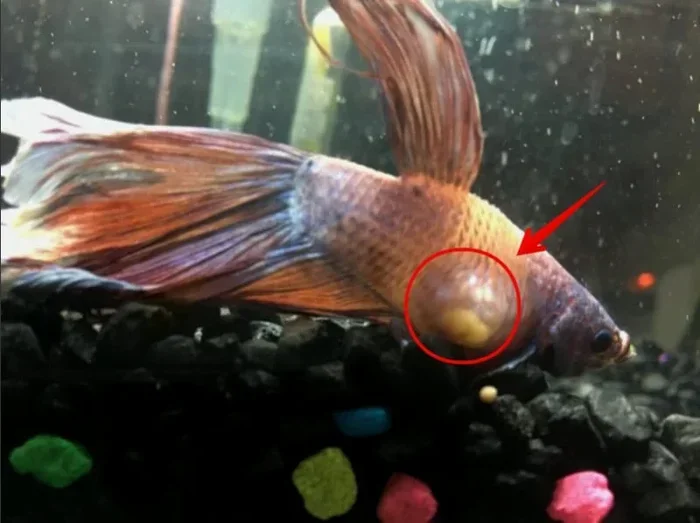
Before you can treat a tumor, you need to understand what it is. A tumor is an abnormal mass of tissue that grows when cells divide uncontrollably. In betta fish, tumors can appear as lumps, bumps, or swelling on the body, fins, or internal organs.
Types of Tumors in Betta Fish
Not all growths are the same. Here are the most common types of tumors you might encounter:
- Benign Tumors: These are non-cancerous growths that do not spread. They grow slowly and often stay in one place. Many betta fish live long, happy lives with benign tumors if they are monitored.
- Malignant Tumors: These are cancerous growths that can spread to other parts of the body. They grow faster and are harder to treat. Malignant tumors pose a serious threat to your betta’s health.
- Cysts: These are fluid-filled sacs that look like tumors. They are usually benign and can sometimes be drained or removed by a vet.
- Abscesses: These are pockets of infection that cause swelling. They are not true tumors but can look very similar.
Common Locations for Tumors
Tumors in betta fish can appear in several places. The most common spots include:
- Body: Lumps on the sides or belly of the fish.
- Fins: Swelling or growths on the fins or tail.
- Eyes: Bulging or swollen eyes, sometimes called pop eye.
- Internal Organs: Tumors inside the body that cause bloating or behavioral changes.
Internal tumors are the hardest to detect. You might notice your betta acting differently, losing appetite, or having trouble swimming. Regular observation is key to catching these early.
What Causes Tumors in Betta Fish?
Understanding the cause helps you prevent future problems. Tumors in betta fish do not happen randomly. Several factors contribute to their development.
Poor Water Quality
This is the number one cause of health problems in aquarium fish. When the water in your tank is dirty or unbalanced, it stresses your betta. Stress weakens the immune system, making your fish more vulnerable to diseases and abnormal cell growth. Ammonia, nitrite, and nitrate buildup are particularly harmful.
Using tap water without treatment can introduce chlorine and heavy metals that damage your betta’s health. Always use a water conditioner before adding water to the tank. Regular water changes keep the environment safe and clean.
Genetics
Some betta fish are simply more prone to tumors because of their breeding history. Fish from poor breeding conditions or inbred lines carry a higher risk. This is something you cannot control, but knowing your fish’s background helps you stay alert.
Diet and Nutrition
What you feed your betta matters more than you might think. A diet high in low-quality fillers and artificial ingredients can lead to health problems over time. Poor nutrition weakens the immune system and can contribute to abnormal cell growth.
Feeding a varied diet of high-quality pellets, frozen bloodworms, and brine shrimp keeps your betta healthy. Avoid overfeeding, which can lead to bloating and digestive issues that mimic tumor symptoms.
Age-Related Changes
As betta fish age, their cells are more likely to mutate and form tumors. Older bettas, especially those over two years old, are more prone to growths. This is a natural part of aging and not always something you can prevent.
How to Identify a Tumor on Your Betta Fish
Catching a tumor early gives you the best chance of successful treatment. Here is what to look for during your daily observation routine.
Physical Signs
- Lumps or Bumps: Any new growth on the body, fins, or head should be monitored closely.
- Swelling: Unusual bloating that does not go away after fasting.
- Color Changes: Redness, darkening, or pale patches near a growth.
- Fin Rot or Damage: Fins that look ragged or inflamed near a tumor site.
Behavioral Signs
Your betta’s behavior tells you a lot about its health. Watch for these warning signs:
- Loss of Appetite: Refusing food for more than a day or two.
- Lethargy: Spending more time at the bottom of the tank or hiding.
- Difficulty Swimming: Trouble maintaining balance or staying upright.
- Clamped Fins: Fins held close to the body instead of flowing naturally.
Many of these signs overlap with other health issues like swim bladder disease or bacterial infections. If you notice any of these symptoms, do not panic. Observe your fish carefully and compare the symptoms over several days before deciding on a course of action.
Treatment Options for Betta Fish Tumors
Once you have identified a tumor, the next step is finding the right treatment. The approach depends on the type, size, and location of the growth. Here are the most effective options available.
Improving Tank Conditions
The first and most important step is to optimize your betta’s environment. A clean, well-maintained tank supports the immune system and can slow tumor growth. Here is what to do:
- Perform 25-30% water changes every week.
- Keep the temperature stable between 78-80 degrees Fahrenheit.
- Use a gentle filter to maintain water flow without stressing your fish.
- Add live plants to improve water quality naturally.
- Ensure your tank is at least 5 gallons for a single betta.
Keeping the tank clean also reduces the risk of secondary infections. A strong immune system gives your betta the best fighting chance against tumor growth. You can also consider adding Indian almond leaves to the water, which have natural anti-inflammatory and antibacterial properties.
Dietary Adjustments
Feeding the right diet supports healing and overall health. Here are some dietary tips for bettas dealing with tumors:
- Switch to high-quality pellets as the staple food.
- Offer frozen or live foods like bloodworms and daphnia as treats.
- Include blanched peas to aid digestion and reduce bloating.
- Feed small amounts twice a day instead of one large meal.
- Avoid overfeeding, which can worsen bloating and stress the digestive system.
A healthy diet strengthens the immune system and gives your betta the nutrients it needs to fight off infections and slow tumor growth. Make sure you are not feeding anything that could cause digestive blockages.
Salt Baths
Salt baths can help reduce swelling and fight mild infections associated with tumors. Use aquarium salt, not table salt. Mix one teaspoon of salt per gallon of tank water and let your betta soak for 10-15 minutes. Do this once a day for up to a week. Salt baths support the fish’s natural osmotic balance and help draw out excess fluid from swollen areas.
Antibiotics and Medications
If the tumor is infected or causing secondary health issues, your vet may prescribe antibiotics. Common medications include:
- Melafix: A natural antibacterial that helps with minor infections.
- Pimafix: Works alongside Melafix to treat fungal and bacterial issues.
- Kanaplex: A stronger antibiotic for serious bacterial infections.
Always follow dosage instructions carefully. Overmedicating can harm your betta more than help. If you are unsure, consult a fish veterinarian before starting any treatment.
Surgical Removal
In some cases, a vet can surgically remove a tumor. This is usually only an option for external, accessible growths. Internal tumors are much harder to operate on and carry higher risks. Surgery is expensive and not always successful, but it can be life-saving for the right candidate.
Not every vet specializes in fish surgery. You may need to travel to find an experienced aquatic vet. Search for fish veterinarians near you or ask at your local fish store for recommendations.
Euthanasia as a Last Resort
Sometimes the kindest choice is to let go. If a tumor is causing your betta significant pain and no treatment is working, euthanasia may be the most compassionate option. This is a difficult decision, but it prevents prolonged suffering. Consult your vet to discuss the most humane method.
Preventing Tumors in Betta Fish
Prevention is always better than cure. While you cannot eliminate all risk, you can take steps to reduce the chances of tumors developing.
Maintain Excellent Water Quality
This cannot be overstated. Clean water is the foundation of betta fish health. Test your water parameters regularly and keep ammonia and nitrite at zero. Nitrate should stay below 20 ppm. Use a water conditioner every time you add new water to the tank.
Provide a Balanced Diet
Feed your betta a variety of high-quality foods. Rotate between pellets, frozen foods, and live foods to ensure they get all the nutrients they need. Avoid feeding cheap flake food that is full of fillers and artificial ingredients.
Reduce Stress
Stress weakens the immune system and makes your betta vulnerable to disease. Keep the tank in a quiet area away from loud noises and direct sunlight. Avoid housing your betta with aggressive tank mates. A peaceful environment promotes healing and long-term health.
Choose Fish From Reputable Sources
Buying from reputable breeders reduces the risk of genetic health problems. Avoid fish from pet stores with poor breeding practices. Ask about the lineage and health history of the fish before purchasing.
When to See a Vet
Not every tumor requires a vet visit, but some situations demand professional help. See a fish vet if:
- The tumor grows rapidly or changes shape.
- Your betta stops eating for more than three days.
- You notice open sores or bleeding near the growth.
- Your betta shows signs of severe distress or pain.
- Home treatments are not improving the condition after two weeks.
A professional diagnosis can rule out other conditions that look like tumors. Your vet can also recommend targeted treatments that are safe and effective. Do not wait too long to seek help. Early intervention makes a big difference in outcomes.
Living With a Benign Tumor
If your betta has a benign tumor that cannot be removed, do not lose hope. Many betta fish live full, happy lives with slow-growing benign growths. Here is how to keep your fish comfortable:
- Keep the tank clean and stress-free.
- Feed a nutritious diet to support overall health.
- Monitor the tumor for any changes in size or appearance.
- Adjust the tank setup to make swimming easier if the tumor affects mobility.
- Give your betta extra attention and care during this time.
A comfortable environment goes a long way in helping your betta cope with a tumor. Regular water changes and a stable routine keep stress levels low. Your fish may not show any signs of discomfort, and many bettas with benign tumors live for years.
Quick Tips for Betta Fish Tumor Care
- Test water parameters at least twice a week.
- Perform weekly water changes of 25-30%.
- Feed high-quality food in small portions twice a day.
- Observe your betta daily for any new lumps or behavioral changes.
- Keep the tank temperature stable and avoid sudden fluctuations.
- Quarantine new fish before adding them to your main tank.
- Research any new tank decorations or equipment for safety.
Common Mistakes to Avoid
When dealing with a betta fish tumor, it is easy to make mistakes. Here are the most common ones:
- Ignoring the Problem: Hoping the tumor will go away on its own is risky. Early action leads to better outcomes.
- Overmedicating: Too much medication can harm your betta more than the tumor itself. Always follow dosage guidelines.
- Neglecting Water Changes: Dirty water worsens every health condition. Never skip regular maintenance.
- Feeding the Wrong Foods: Low-quality food weakens the immune system. Invest in good nutrition.
- Keeping the Tank Too Small: A cramped tank increases stress and slows healing. A 5-gallon tank is the minimum for a single betta.
Avoiding these mistakes puts you on the right path to helping your betta recover. Small, consistent actions make the biggest difference over time.
Final Thoughts on Curing a Betta Fish Tumor
Dealing with a betta fish tumor is challenging, but it is not impossible. The right approach combines good water quality, proper nutrition, and timely medical intervention. Whether your betta needs a simple salt bath or a visit to the fish vet, every step you take matters.
Start by improving the tank environment and diet. These foundational changes support healing and prevent further health issues. If the tumor does not improve or is causing your betta distress, do not hesitate to seek professional help. Your betta fish depends on you for its well-being, and your care makes all the difference.
Remember that not all tumors are life-threatening. Many betta fish live comfortably with benign growths when given proper care. Stay patient, stay observant, and give your fish the best chance at a healthy life. Your dedication as a fish keeper is the greatest gift you can give your betta.
For more tips on keeping your betta healthy, check out our guides on what you can put in a betta fish tank and using tap water safely in a betta tank. You will find plenty of practical advice to support your fish-keeping journey.
Frequently Asked Questions
Can a betta fish tumor go away on its own?
Some small, early-stage growths may shrink if you improve water quality and diet immediately. However, most tumors do not disappear without treatment. It is important to monitor any growth closely and take action as soon as you notice it. Early intervention gives the best chance of resolution.
Is a betta fish tumor contagious to other fish?
Most tumors are not contagious. They are caused by genetic mutations or environmental factors specific to the individual fish. However, if a tumor is caused by a bacterial or viral infection, it could potentially spread to other fish in the tank. Always quarantine sick fish to protect your tank mates.
How long can a betta fish live with a tumor?
This depends on the type and size of the tumor. Benign tumors that are small and slow-growing may not significantly shorten your betta’s lifespan. Malignant or rapidly growing tumors are more serious and may reduce life expectancy. With proper care, many bettas live comfortably for months or even years with a benign growth.
Can you remove a tumor from a betta fish at home?
No, you should never attempt to remove a tumor at home. Fish surgery requires sterile conditions, proper tools, and anesthesia. Attempting DIY removal can cause severe injury, infection, and unnecessary suffering. Always consult a qualified fish veterinarian for any surgical procedures.
What is the difference between a tumor and a cyst in betta fish?
A tumor is a solid mass of abnormal tissue that grows uncontrollably. A cyst is a fluid-filled sac that is usually benign and slower growing. Both can look similar from the outside, but a vet can distinguish between them through examination. Cysts are generally easier to treat than solid tumors.
Can poor water quality cause tumors in betta fish?
Poor water quality does not directly cause tumors, but it weakens the immune system and creates conditions that allow abnormal cell growth to thrive. High levels of ammonia, nitrite, and nitrate stress your betta and make it more vulnerable to health problems. Maintaining clean water is one of the best ways to prevent tumors and other diseases.
=== CONCLUSION ===
Learning what can cure a betta fish tumor empowers you to take action when it matters most. Whether the answer is better water quality, dietary changes, salt baths, or professional veterinary care, every step you take improves your betta’s chances of recovery. Stay proactive, stay informed, and never underestimate the power of a clean, stress-free environment. Your betta fish is counting on you, and with the right care, it can thrive for years to come.