How to Start a Betta Fish Rescue
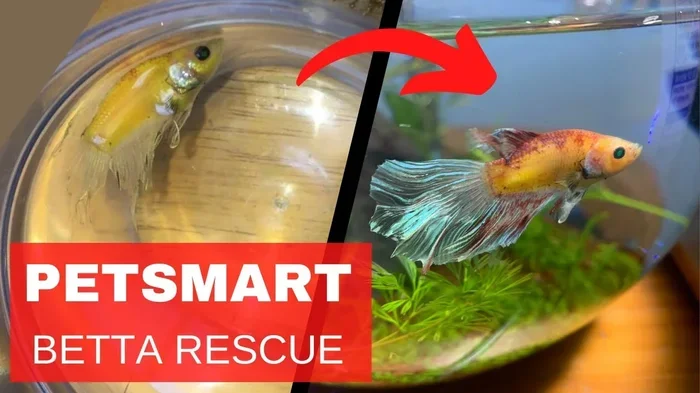
Starting a betta fish rescue is a rewarding journey that saves lives and builds a caring community. You need the right tank setup, knowledge of betta fish care, and a clear plan for adoption and rehabilitation. This guide walks you through every step, from setting up your first tank to finding forever homes for rescued fish.
Starting a betta fish rescue is one of the most meaningful things you can do for these beautiful, often misunderstood fish. Betta fish end up in shelters, pet store bins, and even dumpsters because people don’t understand how much care they truly need. A rescue gives them a second chance at a happy, healthy life.
But where do you begin? How do you go from being a hobbyist fish keeper to running a rescue? This guide breaks it all down into simple, actionable steps. Whether you want to save a few fish in your home or build a full-scale operation, you’ll find everything you need right here.
Before you bring your first rescue fish home, you need a solid foundation of knowledge. Betta fish care goes far beyond filling a bowl with water and dropping in a fish. These creatures need clean water, proper heat, a balanced diet, and space to thrive.
If you’re new to betta keeping, start by reading up on the fundamentals. Check out our guide on how to care for a betta fish 101 to build your baseline knowledge. Understanding things like nitrogen cycles, ammonia levels, and ideal water parameters will serve you well when you begin taking in fish that need extra help.
A betta fish rescue isn’t just about saving fish. It’s about creating a safe environment where neglected or abandoned fish can recover and eventually find new homes. Rescues also educate the public about responsible fish keeping and help reduce the number of bettas that end up in harmful situations.
Many people buy bettas on impulse at pet stores. They don’t realize these fish can live five to seven years with proper care. When the fish gets sick or the owner loses interest, the betta suffers. A rescue steps in to fill that gap and provide the dedicated attention these fish deserve.
Rescues also play a vital role in betta fish welfare. They document cases of neglect, work with local authorities, and advocate for better treatment of ornamental fish in their communities. Every fish saved is a small win for animal welfare as a whole.
The first practical step in starting a betta fish rescue is setting up your home aquarium space. You don’t need a massive warehouse or professional facility to begin. Many successful rescues start in a spare bedroom, garage, or even a dedicated closet with enough room for several tanks.
Each rescue tank needs to be properly cycled and equipped. Here’s what you’ll need for each tank:
- A tank of at least 5 gallons (10 gallons is better for recovery tanks)
- A gentle filter to maintain water quality
- A heater set to 78-80°F
- A thermometer to monitor temperature
- Live or silk plants for hiding spots
- A lid to prevent jumping
- Substrate and basic decorations
For detailed guidance on tank setup, you can refer to our article on how to set up a fish tank for betta fish. This covers everything from choosing the right tank size to cycling your aquarium the proper way. Starting with a well-established setup prevents unnecessary fish loss and gives your rescues the best chance at recovery.
Plan to start with at least two or three tanks. One tank can hold your current rescues, one can be a quarantine tank for new arrivals, and one can serve as a hospital tank for sick fish. This separation is critical for preventing the spread of disease.
Not every rescued betta arrives in perfect health. Many come from neglectful situations with fin rot, fungal infections, or parasites. Being prepared to handle common illnesses is a non-negotiable part of running a rescue.
Ich is one of the most common diseases you’ll encounter. It shows up as white spots on the body and fins. Other frequent issues include fin rot, velvet disease, and bacterial infections. Each requires a specific treatment approach.
Here are the most common conditions you’ll face in a betta fish rescue:
- Ich (White Spot Disease): Caused by a parasite, easily treated with temperature raises and medication.
- Fin Rot: Bacterial infection that eats away at the fins. Requires clean water and antibiotics.
- Velvet Disease: A parasitic infection that creates a gold or rust-colored dust on the fish.
- Swim Bladder Disorder: Causes difficulty swimming, often linked to diet or water quality.
- Fungal Infections: Appear as white cotton-like growths on the body or fins.
For detailed treatment methods, especially for ich which is extremely common in rescue situations, check out our guide on how to treat ich on a betta fish. Having a quarantine protocol in place before you ever take in a new fish will save you headaches down the road.
Keep a basic first-aid kit stocked with aquarium salt, methylene blue, and any medications your vet recommends. Learning to recognize early warning signs of illness will help you act fast and save more lives.
One of the most important aspects of a betta fish rescue is finding the right homes for your fish. A rescue isn’t just about saving fish; it’s about ensuring they stay safe for the rest of their lives.
Your adoption process should be thoughtful and thorough. Here’s how to build a solid adoption system:
- Create an application form that asks about the adopter’s experience, tank setup, and expectations
- Require a minimum tank size (at least 5 gallons) before approving an adoption
- Follow up with adopters after one week and one month
- Include a return policy in case the adopter can no longer care for the fish
- Educate every adopter about proper feeding, water changes, and signs of illness
Screen adopters carefully. Not everyone who wants a betta fish is prepared for the responsibility. Ask questions, request photos of their setup, and trust your instincts. A bad adoption can undo all the hard work you put into rehabilitating a fish.
Consider offering a trial period where adopters can return the fish within the first 30 days if things aren’t working out. This takes pressure off both you and the adopter and ensures the fish always ends up in a safe place.
Starting a betta fish rescue can feel overwhelming at first, but avoiding common mistakes will save you time, money, and heartache. Here are the pitfalls most new rescuers face:
- Taking in too many fish at once: Start with just two or three rescues and scale up as you gain experience.
- Skipping quarantine: Never add a new rescue directly to your main tanks. Always quarantine first.
- Underestimating costs: Medications, water conditioners, filters, and heaters all add up. Budget for at least $50 to $100 per month.
- Neglecting your own fish: If you have personal fish, make sure the rescue doesn’t take priority over their care.
- Ignoring local laws: Some areas require permits or licenses to operate an animal rescue of any kind.
Another mistake is trying to do everything alone. Rescues are physically and emotionally demanding. Having a support system of fellow hobbyists, online communities, or even a local vet who understands fish health makes a huge difference.
Start small, learn as you go, and don’t be afraid to ask for help. Every experienced rescuer started exactly where you are now.
Building a betta fish rescue doesn’t have to be expensive. Here’s a realistic startup budget to help you plan:
| Item | Estimated Cost |
|—|—|
| 3 x 10-gallon tanks with lids | $150-$200 |
| 3 x Hang-on-back filters | $45-$60 |
| 3x Heaters (78-80°F) | $30-$45 |
| Thermometers | $10-$15 |
| Water conditioner and test kits | $30-$40 |
| Substrate and basic decorations | $40-$60 |
| Medications and first-aid supplies | $25-$40 |
| Food (high-quality pellets, frozen) | $20-$30/month |
| Total Startup | $330-$470 |
This budget assumes you’re starting with three tanks. You can scale up or down based on your space and financial situation. Many rescuers begin with just one tank and expand as they gain confidence and resources.
Remember that ongoing costs like food, water changes, and medications will continue each month. Factor this into your decision before committing to a rescue.
Running a betta fish rescue is emotionally and physically demanding, but the rewards are immeasurable. There’s nothing quite like watching a neglected, sick fish transform into a vibrant, healthy companion in a loving new home.
Every fish you save is a testament to your dedication and compassion. You become a voice for animals that can’t speak for themselves. And you inspire others in your community to care more about the creatures sharing our world.
If you’ve been thinking about starting a rescue, now is the time. Start small, stay committed, and never stop learning. The betta fish community needs more people like you.
Key Takeaways
- Start small: You don’t need a huge setup to begin rescuing betta fish. A few properly cycled tanks are all you need to get started.
- Learn the basics: Understanding betta fish care, water conditions, and common illnesses is essential before taking in any fish.
- Build a support network: Connecting with other fish keepers and local vets makes the rescue process much easier and more sustainable.
- Focus on rehabilitation: Many rescued bettas need time, patience, and proper treatment to recover fully before adoption.
- Create a clear adoption process: Screening adopters ensures your rescued fish go to safe, loving homes.
- Stay compliant: Check local laws and regulations about operating a rescue or shelter in your area.
Frequently Asked Questions
How much does it cost to start a betta fish rescue?
Startup costs typically range from $300 to $500 depending on how many tanks you set up. You’ll need tanks, filters, heaters, test kits, medications, and basic supplies. Ongoing monthly costs for food and water care usually run $20 to $50 per tank.
Do I need a license to start a betta fish rescue?
Laws vary by location. Some areas require animal rescue permits even for fish. Check with your local animal control or city government before starting. Even if no license is required, operating transparently and responsibly builds trust with your community.
How many betta fish can I rescue at home?
Start with two to three fish and only add more as you gain experience. Each fish needs its own properly cycled tank, especially if they’re sick or recovering. Overcrowding leads to stress and disease outbreaks that can harm all your fish.
Where can I find betta fish that need rescuing?
Check local shelters, Craigslist free listings, Facebook rescue groups, and aquarium forums. Many bettas are surrendered when owners move, get sick of caring for them, or simply don’t know how to keep them alive. Pet stores sometimes also offload fish that are too sick to sell.
What should I look for in a potential adopter?
Ask about their tank size, filtration, heating setup, and experience level. Require a minimum 5-gallon tank with a heater and filter. Follow up after adoption to ensure the fish is doing well. A good adopter shows enthusiasm, asks questions, and has a plan for long-term care.
How do I handle a severely sick rescue betta fish?
Isolate the fish immediately in a hospital tank. Assess symptoms carefully and research the specific condition. Use appropriate medications and maintain pristine water quality. If you’re unsure, consult a veterinarian experienced with fish. Sometimes humane euthanasia is the kindest option when a fish is suffering beyond recovery.