Can Betta Fish Find Food

Betta fish are natural hunters with keen senses that help them locate food in the wild and in captivity. Understanding their feeding instincts, diet options, and tank setup ensures they can easily find and enjoy the right nutrition every day.
Key Takeaways
- Natural hunters: Betta fish rely on sight and motion detection to spot prey.
- Diet variety: A balanced mix of pellets, frozen, and live foods mimics what they find in the wild.
- Tank environment matters: Proper lighting, décor, and water quality make it easier for bettas to locate food.
- Feeding frequency: Most adult bettas do well with two small meals per day; overfeeding can cloud their hunting instincts.
- Signs of hunger: Restlessness, searching the surface, and reduced coloration indicate a betta needs more food.
- Emergency feeding: If you must skip a day, bettas can survive several days without food, but regular feeding is best.
- Safe food choices: Avoid goldfish flakes and stick to betta‑specific or tropical fish foods to keep them healthy.
Quick Answers to Common Questions
What should I feed my betta if I can’t find live food?
High‑quality betta pellets or frozen daphnia are excellent alternatives that still trigger hunting behavior.
Can I feed my betta the same food as my goldfish?
No. Goldfish food is low in protein and can cause digestive problems for bettas. Stick to betta‑specific or tropical fish foods.
How often should I feed an adult betta?
Two small meals per day, spaced about 8‑10 hours apart, is ideal for most adult bettas.
Will my betta eat food that sinks too fast?
Fast‑sinking foods can be missed because the betta may not see them in time. Choose slow‑sinking pellets or gently float the food.
Is it okay to give my betta occasional treats?
Yes—small amounts of live or frozen treats like brine shrimp keep feeding interesting and healthy.
📑 Table of Contents
- Introduction: Why the Question Matters
- 1. The Natural Hunting Instinct of Betta Fish
- 2. What Betta Fish Eat in the Wild
- 3. Feeding Options That Help Betta Fish Find Food
- 4. Setting Up a Tank That Encourages Successful Feeding
- 5. Recognizing Hunger and Feeding Cues
- 6. What Happens If a Betta Misses a Meal?
- Conclusion: Helping Your Betta Master the Hunt
Introduction: Why the Question Matters
If you’ve ever watched a betta dart across the surface of its tank, you might wonder, can betta fish find food on their own? The answer is a confident yes—betta fish are instinctive predators. In the wild, they hunt tiny insects, larvae, and crustaceans. At home, they rely on us to provide the same type of nutrition, but they still need the ability to locate it.
This article breaks down how bettas hunt, what they naturally eat, how to set up a tank that encourages successful feeding, and what to do when you’re away. By the end, you’ll feel like a seasoned betta keeper who knows exactly how to help your fish find food every day.
1. The Natural Hunting Instinct of Betta Fish
Vision and Motion Detection
Bettas have large, forward‑facing eyes that give them excellent depth perception. They are especially attuned to movement, which is why they often snap at floating pellets or live daphnia. Their eyesight works best in bright, well‑lit water, so proper lighting is essential.

Visual guide about Can Betta Fish Find Food
Image source: kboo.org
Scent and Taste Buds
While vision dominates, bettas also use a limited sense of smell. Chemical cues from food particles dissolve in the water, helping them hone in on a meal. This is why freshly frozen or live foods are often more attractive than dry flakes—they release stronger scents.
Territorial Behavior
In the wild, male bettas guard a small bubble nest area. This territorial mindset makes them aggressive hunters within a defined space, scanning the water column for any sign of prey.
2. What Betta Fish Eat in the Wild
Typical Wild Diet
Wild bettas (also called Siamese fighting fish) inhabit shallow rice paddies, streams, and flood‑plain pools in Southeast Asia. Their menu includes:

Visual guide about Can Betta Fish Find Food
Image source: tusktravel.com
- Small insects and mosquito larvae
- Micro‑crustaceans such as copepods and water fleas
- Worms and tiny aquatic snails
- Eggs of other fish or amphibians
These foods are high in protein and provide the energy bettas need for their characteristic bursts of activity.
Why This Matters for Home Aquariums
Replicating this protein‑rich diet at home helps keep your betta healthy and reinforces its natural hunting behavior. When you feed a betta, think of offering a miniature version of its wild buffet.
3. Feeding Options That Help Betta Fish Find Food
Betta‑Specific Pellets and Flakes
High‑quality betta pellets are formulated to sink slowly, giving the fish time to see and chase them. Look for products with at least 40% protein and no filler grains.

Visual guide about Can Betta Fish Find Food
Image source: img.punjabijagran.com
Live and Frozen Foods
Live foods like brine shrimp, daphnia, and bloodworms trigger the betta’s predatory instincts. If live options aren’t practical, frozen versions work just as well after thawing.
Supplemental Treats
Occasional treats such as finely chopped earthworms or microwaved mosquito larvae add variety and keep the betta engaged.
What to Avoid
Goldfish flakes and other low‑protein foods are not suitable. They can cause digestive issues and do not stimulate the betta’s natural hunting drive. For more on why goldfish food is a bad idea, read Can Betta Fish Eat Goldfish Food.
4. Setting Up a Tank That Encourages Successful Feeding
Lighting
Provide 8‑10 hours of bright, natural‑type lighting each day. A well‑lit tank makes food particles visible and supports the betta’s visual hunting.
Plants and Hiding Spots
Live or silk plants create a semi‑natural environment where a betta can stalk prey. Floating plants also give surface area for floating foods.
Water Quality
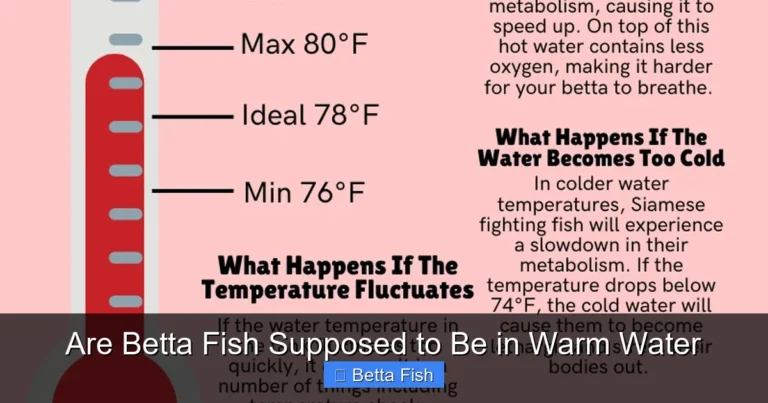
Clean, warm water (78‑80°F) keeps the fish active and its senses sharp. Regular partial water changes prevent waste buildup that can dull the betta’s ability to detect food.
Feeding Routine
Offer two small meals per day, spaced 8‑10 hours apart. This mimics the sporadic feeding pattern of wild bettas and prevents overfeeding, which can cloud the water and hide food.
5. Recognizing Hunger and Feeding Cues
Behavioral Signs
- Restlessness near the water surface
- Increased fin fluttering and “gasping” motions
- Brightening of colors, especially the male’s iridescent fins
When to Adjust Feeding
If you notice these cues, add a tiny extra portion. Conversely, if your betta leaves food uneaten for more than a few minutes, reduce the amount to avoid water fouling.
6. What Happens If a Betta Misses a Meal?
Short‑Term Skips
Adult bettas can safely go without food for 24‑48 hours without stress. Their slow metabolism allows short fasting periods.
Longer Gaps
Research shows bettas can survive up to a week without food, but health will decline quickly after 48 hours. For detailed information, see How Long Can Betta Fish Survive Without Food.
Emergency Feeding Tips
If you’ll be away for several days, consider:
- Automatic feeders set to release small pellets twice daily
- Pre‑soaked frozen foods that dissolve slowly
- Ask a trusted friend to hand‑feed a tiny portion
Conclusion: Helping Your Betta Master the Hunt
In short, can betta fish find food? Absolutely—thanks to their sharp vision, keen motion detection, and instinctual hunting drive. By offering a diet that mirrors their wild meals, maintaining a well‑lit and clean tank, and watching for hunger cues, you give your betta everything it needs to locate and enjoy its food.
Remember, the goal isn’t just to feed your fish; it’s to let it exercise its natural behavior. When a betta darts after a live shrimp or snaps at a sinking pellet, you’re witnessing a small piece of nature thriving in your home.
Happy feeding, and enjoy watching your betta become the confident predator it was born to be!
Frequently Asked Questions
Can betta fish find food in a new tank?
Yes, bettas quickly adapt to new environments. Give them a few days to explore, then introduce familiar food types.
Do bettas need live food to stay healthy?
Live food isn’t required, but it enhances natural hunting behavior and provides high‑quality protein.
How can I tell if my betta is not getting enough food?
Watch for dull coloration, reduced activity, and frequent searching near the surface; these are signs of hunger.
Can temperature affect my betta’s ability to find food?
Yes—water that’s too cold slows metabolism and reduces appetite, while water that’s too warm can stress the fish.
Is it safe to feed my betta with a turkey baster?
Using a turkey baster can work for precise feeding, but be gentle to avoid splashing and stressing the fish.
What other fish can share a tank with a betta without stealing its food?
Peaceful, small species like neon tetras or rasboras can coexist, but they may compete for surface food. Feed betta pellets first, then add other fish food.