How to Stop Betta Fish from Jumping
Betta fish jumping is a common and dangerous problem that every owner should know how to prevent. This guide covers the real reasons bettas jump, from stress and poor water quality to tank setup mistakes. You will learn how to secure your tank, improve water conditions, and create a safe habitat that keeps your fish right where it belongs.
There is nothing quite like the sinking feeling of turning around and finding your betta fish lying on the floor, gasping for air. Betta fish jumping is one of the most common and preventable problems fish owners face. These beautiful, vibrant creatures are natural jumpers, and without the right setup, they can and will leap out of their tanks.
The good news is that stopping this behavior is entirely doable. With a few simple changes to your tank setup and routine, you can keep your betta safe and sound. This guide walks you through every reason bettas jump and gives you clear, actionable steps to prevent it. Whether you are a new betta owner or have been caring for fish for years, you will find practical advice here.
Let us dive right in and explore how to protect your betta from its own instinct to jump.
Key Takeaways
- Betta fish jump for specific reasons: stress, poor water quality, low oxygen, or a too-small tank are the top culprits.
- A proper tank lid is essential: mesh or full covers stop escapes and keep your betta safe.
- Water quality matters hugely: regular testing and changes reduce the urge to jump.
- Tank setup affects behavior: the right temperature, space, and decorations calm jumpy bettas.
- Quick action saves lives: if your betta jumps out, act fast with the right recovery steps.
- Prevention is always better than cure: a well-maintained tank stops jumping before it starts.
📑 Table of Contents
Why Do Betta Fish Jump?
Understanding the reason behind betta fish jumping is the first step to stopping it. Bettas are not random jumpers. Something triggers the behavior, and once you identify the cause, the solution becomes much clearer.
Natural Instinct
In the wild, bettas live in shallow rice paddies and slow-moving streams. These environments can dry up quickly during the dry season. Bettas have evolved to jump and glide across the surface to find new water sources. This survival instinct is deeply wired into them. Even in a safe aquarium, that instinct does not disappear.
Stress and Poor Water Conditions
Stress is one of the biggest drivers of betta fish jumping. When the water is dirty, too warm, or low in oxygen, bettas become uncomfortable. They may try to escape their environment. Common stressors include high ammonia levels, nitrate spikes, and sudden temperature changes. A stressed betta is a jumpy betta.
If you notice your fish darting toward the surface frequently, check your water parameters. Use a test kit to measure ammonia, nitrite, nitrate, and pH. Keeping these in the safe range calms your fish and reduces the urge to leap.
Lack of Space
Tiny bowls and cramped tanks make bettas restless. A fish that cannot swim freely may try to escape. A tank of at least five gallons is the minimum recommended size for a single betta. More space means less stress and less jumping. If you want to learn more about setting up the right tank, check out our guide on how to set up a fish tank for betta fish.
How to Prevent Betta Fish from Jumping
Prevention is the best approach. A few smart changes to your tank and routine can eliminate the risk of escape almost entirely.
Use a Proper Tank Lid
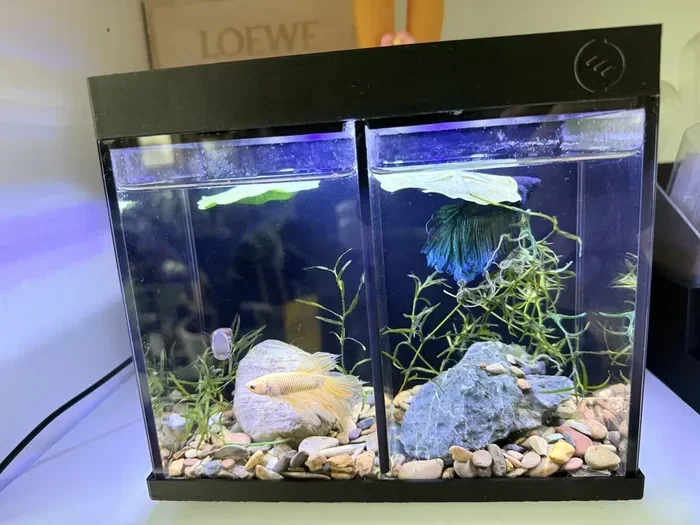
The single most effective way to stop betta fish jumping is to put a lid on the tank. A full glass lid works best, but a mesh cover also does a great job. The key is to seal any gaps where the fish could squeeze through.
Here are some lid options to consider:
- Glass aquarium lid: A snug-fitting glass cover is the most secure option. It also helps retain heat and humidity.
- Mesh screen lid: Mesh allows airflow while keeping the fish inside. It is a popular choice for planted tanks.
- Custom cut acrylic cover: These fit perfectly and can be trimmed to match your tank shape.
Whatever you choose, make sure there are no gaps near the filter intake or heater. Bettas are surprisingly flexible and can fit through small openings. If you are also concerned about maintaining proper water quality, a lid helps by reducing evaporation and keeping debris out.
Keep the Water Level Right
Some owners fill their tanks too high, leaving little space between the water surface and the lid. This can cause splashing and make it easier for a betta to launch itself out. Keep the water level about one to two inches below the top of the tank. This gives your betta room to breathe at the surface and reduces the chance of a jump gone wrong.
Maintain Excellent Water Quality
Clean water keeps bettas calm and healthy. Perform regular water changes of about 25% every week. Use a tap water conditioner to remove chlorine and chloramines before adding fresh water. Test the water at least once a week with a reliable liquid test kit.
Here are the ideal water parameters for bettas:
- Temperature: 78 to 80 degrees Fahrenheit
- pH: 6.5 to 7.5
- Ammonia: 0 ppm
- Nitrite: 0 ppm
- Nitrate: Under 20 ppm
When water parameters stay stable, your betta feels safe. A safe betta stays in the tank.
Add Gentle Water Movement
Betta fish prefer calm water, but a complete lack of movement can lead to low oxygen levels. Use a gentle sponge filter or adjust the flow from your filter to a low setting. This keeps the water oxygenated without creating strong currents that stress your fish. A well-oxygenated tank reduces the surface-gasping behavior that often precedes a jump.
Provide Enrichment and Hiding Spots
A boring tank makes a restless betta. Add plants, caves, and decorations to give your fish places to explore and hide. Live plants like java fern and anubias are excellent choices. They also help improve water quality naturally.
If you keep your betta in a bowl, consider upgrading to a larger tank. A well-decorated aquarium gives your fish mental stimulation and reduces the urge to escape. For more tips on creating a great habitat, read our article on how to properly care for betta fish.
Common Mistakes That Cause Betta Fish to Jump
Many owners accidentally encourage jumping without realizing it. Avoiding these common mistakes makes a huge difference.
| Mistake | Why It Causes Jumping | How to Fix It |
|---|---|---|
| No tank lid | Gives the betta a clear escape route | Install a secure lid or mesh cover |
| Dirty water | Creates stress and low oxygen | Perform weekly water changes |
| Too small a tank | Restricts movement and raises stress | Use at least a five-gallon tank |
| Wrong water temperature | Makes the fish uncomfortable and active | Use a heater and monitor temperature |
| Loud noises or vibrations | Startles the fish and triggers escape behavior | Place the tank in a quiet area |
Each of these mistakes is easy to correct. The key is consistency. A stable, clean, and secure environment is the foundation of good betta care.
What to Do If Your Betta Fish Jumps Out
Even with the best prevention, accidents can happen. If your betta jumps out of the tank, act quickly. Every second counts.
Step-by-Step Recovery
- Gently scoop the fish up with a soft net or your clean, wet hands. Do not grab it roughly.
- Place the betta in a clean container with dechlorinated water at the right temperature.
- Check for injuries. Look for damaged fins, redness, or signs of distress.
- Let the fish rest. Do not disturb it for a few minutes. Allow it to regain its balance.
- Return the betta to its tank only after it is swimming normally and showing no signs of stress.
Most bettas recover fully if you act fast. The biggest danger is the fish drying out. Betta fish can survive for a short time out of water thanks to their labyrinth organ, but this is not a guarantee. Always treat a jump as an emergency.
If your betta seems stressed after the incident, you may want to review its environment. Learn more about how to treat a stressed betta fish to help your fish recover fully.
Long-Term Strategies to Keep Your Betta Safe
Stopping betta fish jumping is not a one-time fix. It requires ongoing attention and care. Here are long-term strategies that make a lasting difference.
Build a Consistent Maintenance Routine
Set a schedule for water changes, filter cleaning, and parameter testing. A consistent routine keeps your tank stable and your betta relaxed. Use a calendar or set phone reminders so you never miss a maintenance task.
Observe Your Fish Daily
Spend a few minutes each day watching your betta. Look for signs of stress like rapid breathing, faded colors, or frantic swimming. Catching problems early prevents escalation and reduces the chance of escape behavior.
Choose the Right Tank Mates
If you keep other fish with your betta, make sure they are peaceful. Aggressive tank mates can stress your betta and trigger jumping. Good companions include snails, shrimp, and small, calm community fish. Always research any new addition before adding it to the tank.
Keep the Tank in a Quiet Location
Place your aquarium away from speakers, TVs, and high-traffic areas. Sudden noises and vibrations can startle your betta into jumping. A calm spot in your home goes a long way toward keeping your fish relaxed.
Quick Tips to Remember
- Always use a lid. It is the single best way to prevent escapes.
- Test your water weekly. Clean water equals calm fish.
- Keep the tank at least five gallons. More space means less stress.
- Maintain a steady temperature. Use a reliable heater with a thermostat.
- Watch your betta daily. Early detection of stress stops problems before they grow.
- Act fast if your fish jumps out. Speed saves lives.
These tips are simple but powerful. Follow them consistently and your betta will stay safe and healthy.
Final Thoughts
Betta fish jumping is a serious issue, but it is entirely preventable. The secret lies in understanding your fish, maintaining clean water, and securing the tank properly. A good lid, proper water parameters, and a stress-free environment work together to keep your betta right where it should be safely inside the tank.
Take a moment today to check your tank setup. Make sure you have a secure lid, clean water, and enough space for your fish to thrive. Small changes now can save your betta’s life later. Your fish depends on you for its safety, and with the knowledge you have gained here, you are well equipped to give it the care it deserves.
A happy, healthy betta that stays in its tank is a joy to watch every single day. Keep these tips in mind, stay consistent, and enjoy the wonderful world of betta fish keeping.
Frequently Asked Questions
Why do betta fish jump out of their tanks?
Betta fish jump due to natural instinct, stress, poor water quality, or lack of space. In the wild, they jump to find new water sources when their habitat dries up. In captivity, these instincts remain, and uncomfortable conditions can trigger escape behavior.
Can a betta fish survive after jumping out of the tank?
Yes, a betta can survive if you act quickly. The fish has a labyrinth organ that allows it to breathe air, but drying out is still dangerous. Scoop it up gently, place it in clean dechlorinated water, and monitor it closely for signs of stress or injury.
What is the best type of lid for a betta tank?
A full glass lid is the most secure option, but a mesh screen cover also works well. The important thing is that there are no gaps where the fish can squeeze through. A proper lid also helps maintain humidity and temperature inside the tank.
How often should I test my betta tank water?
You should test your water at least once a week. Use a liquid test kit to check ammonia, nitrite, nitrate, and pH levels. Regular testing helps you catch problems early and keep your betta calm and healthy.
Does tank size affect betta fish jumping behavior?
Yes, a very small tank increases stress and restlessness, which can lead to jumping. A tank of at least five gallons gives your betta enough room to swim and explore. Larger tanks with proper enrichment reduce the urge to escape even further.
How can I calm a stressed betta fish that keeps trying to jump?
Start by checking your water parameters and performing a partial water change. Add hiding spots with plants and decorations, keep the tank in a quiet area, and make sure the temperature is stable. Reducing stressors in the environment helps your betta feel safe and stay in the tank.
=== CONCLUSION ===
Stopping betta fish jumping comes down to three core principles: secure the tank, maintain clean water, and reduce stress. When you get these right, your betta will feel safe and have no reason to try escaping. Use the tips and strategies in this guide to build a better home for your fish. Your betta deserves a safe, comfortable environment, and now you have everything you need to provide one.