How to Transfer a Betta Fish to a New Tank
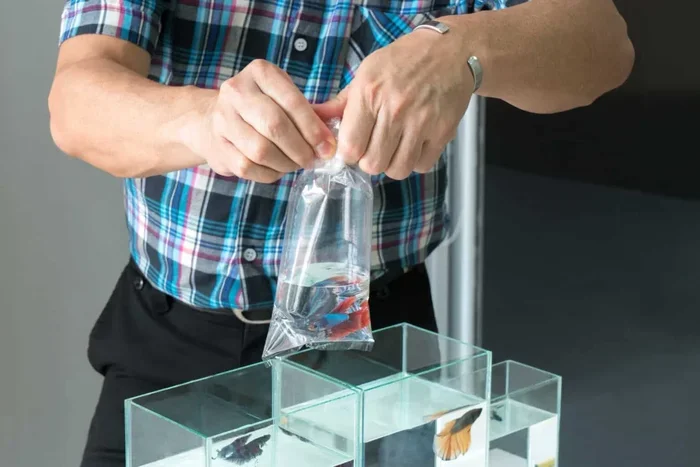
Moving your betta to a new tank can feel stressful, but doing it right keeps your fish healthy and happy. This guide shows you how to transfer a betta fish to a new tank without causing shock or illness. You will learn about water matching, gentle netting, and proper acclimation steps. Follow these simple tips to make the transition smooth and safe for your colorful friend.
This is a comprehensive guide about how to transfer a betta fish to a new tank.
Key Takeaways
- Prepare the new tank first: Cycle the tank and match water temperature before moving your betta.
- Use a gentle net: Avoid pouring fish from old water to reduce stress and injury.
- Acclimate slowly: Float the bag or use drip acclimation to match temperature and water chemistry.
- Watch for stress signs: Look for clamped fins, hiding, or loss of color after the move.
- Keep the environment stable: Maintain proper pH, ammonia, and filtration in the new setup.
- Feed lightly after moving: Give small meals once your betta shows normal swimming behavior.
- Clean safely: Never use soap or harsh chemicals when preparing the new tank.
[FEATURED_IMAGE_PLACEHOLDER]
Introduction
Moving your betta to a better home is a great step for its long-term health. A larger, cleaner tank gives your fish more space to swim and explore. It also makes water quality easier to manage over time. Many owners worry about the move, but a careful plan makes it simple.
Knowing how to transfer a betta fish to a new tank helps you avoid common mistakes. Sudden changes in temperature or water chemistry can shock your fish. A slow, steady process keeps stress low and protects your betta’s immune system. With a few basic supplies and some patience, you can make the move safe and smooth.
Why Moving Your Betta to a New Tank Matters
A small bowl or tiny tank can limit your betta’s quality of life. Poor water flow, low oxygen, and quick toxin buildup often cause stress. Upgrading to a proper aquarium gives your fish a healthier home. It also creates room for gentle filtration and stable temperature control.
Many people ask can you put a betta in a regular fish tank, and the answer is yes when the setup is right. A filtered tank with a soft current works well for most bettas. You just need to match the water conditions before the move. This preparation reduces shock and helps your fish settle in faster.
A new tank also gives you space to add safe decorations and live plants. These items offer hiding spots and reduce boredom. You can even learn do betta fish get bored in a tank to understand why enrichment matters. A thoughtfully arranged tank supports natural behavior and better overall health.
Preparing the New Tank Before the Move
Good preparation prevents most transfer problems. Start by setting up the new aquarium at least a few days in advance. This gives you time to check for leaks, adjust the heater, and confirm the filter works. It also lets the water settle and reach a stable temperature.
Make sure the tank is clean before you add water. Avoid soap or harsh scrubbers, since residue can harm fish. If you are unsure about cleaning methods, read can you use soap to clean a betta fish tank for safe alternatives. A gentle rinse with warm water is usually enough for glass and acrylic surfaces.
Fill the tank with treated water that matches your betta’s current conditions. Tap water often contains chlorine or chloramine, so use a proper dechlorinator. If you are wondering can you use tap water in a betta fish tank, the answer is yes once it is treated correctly. You can also use bottled or purified water if needed, depending on your local supply.
Check the temperature before moving your fish. Bettas prefer warm, stable water, so avoid cold surprises. If you need to raise the temperature gradually, you may want to review can i add warm water to a betta fish tank to do it safely. Slow adjustments are always better than sudden changes.
A simple comparison table can help you prepare the right setup.
Quick Tank Setup Comparison
- Small unfiltered container: Easy to fill, but water quality drops fast and requires frequent changes.
- Filtered aquarium: More stable water, better oxygen flow, and less daily maintenance.
- Heated tank: Keeps temperature steady, which supports immunity and active behavior.
- Unheated tank: May work in very warm rooms, but temperature swings can stress your betta.
Quick tip: Test the water before the move. Ammonia and nitrite should be at zero, and pH should be stable. This makes the new home ready for a safe transition.
Choosing the Right Tank Size and Setup
Tank size matters because it affects water stability and swimming space. Many owners wonder can you put betta fish in a big tank, and larger tanks are often easier to maintain once cycled. A bigger water volume dilutes waste and keeps temperature more steady. Just make sure the current is not too strong for your betta.
You should also think about tank mates if you plan to add companions later. Bettas can live with some peaceful species, but introductions must be done carefully. If you want to explore this idea, check can you have other fish in a betta tank before making changes. A new tank transfer is not the best time to add new fish at the same time.
Decorations should be smooth and fish-safe. Sharp edges can tear fins, and heavy items should be placed securely. Live plants can help absorb waste and give your betta shelter. If you like the idea of adding greenery, you might look into can you put lucky bamboo in a betta fish tank to see whether it fits your setup.
Gathering the Right Supplies for the Transfer
Having everything ready before you start makes the move much easier. You do not need fancy equipment, but a few simple items help a lot. The right supplies also reduce handling time, which keeps your betta calmer.
Here are the basics to gather:
- A clean transfer bucket or bowl
- A soft fish net
- A battery-powered air pump or battery backup if power may drop
- A heater and thermometer for the new tank
- A water conditioner
- A small container of old tank water
- A lid or cover for the new tank
Using a lid is important because bettas can jump. If you are not sure whether covering the tank is necessary, see can i put a lid on my betta fish tank for helpful guidance. A secure cover also helps maintain steady temperature and reduces evaporation.
You may also want a water test kit nearby. Testing before and after the move gives you peace of mind. It helps you confirm that ammonia, nitrite, nitrate, and pH are in a safe range. This is especially useful if you are moving your betta into a freshly cycled tank.
How to Transfer a Betta Fish to a New Tank Step by Step
This is the most important part of the process. A careful transfer protects your betta from temperature shock, chemical stress, and physical injury. Follow the steps in order and avoid rushing.
Step 1: Match the Water Conditions
Before moving your fish, make sure the new tank water is close to the old water in temperature and chemistry. Big differences can stress your betta quickly. Use a thermometer to compare both tanks. If the temperatures are off, adjust the new tank slowly.
You should also consider the water source. Some owners ask can you put sink water in a betta fish tank, and sink water can work if it is treated and free of harmful additives. Others prefer can you put purified water in a betta fish tank when their tap water is inconsistent. The best choice depends on your local water quality and the needs of your fish.
If you use tap water, condition it first. If you want to compare options, you can also read can you use bottled water in a betta fish tank and can you put distilled water in a betta fish tank to understand the pros and cons. Distilled water is usually not ideal on its own because it lacks minerals, but it can be blended in small amounts if needed.
Step 2: Prepare a Gentle Acclimation Process
Acclimation helps your betta adjust without sudden shock. One simple method is to float the sealed transport bag in the new tank for 15 to 20 minutes. This equalizes temperature gradually. After that, you can open the bag and add small amounts of new tank water over time.
If your betta is moving from a very different water source, drip acclimation can be helpful. This method adds new water drop by drop so your fish adjusts to pH and mineral differences more slowly. Keep the process calm and quiet. Loud noise and sudden movement can make your betta nervous.
Step 3: Move the Fish Carefully
When the acclimation time is done, gently net your betta and move it to the new tank. Try not to transfer a lot of old water if the water quality in the old container is poor. A small amount of old water on the net is usually fine, but avoid dumping dirty water into the new setup.
Handle the fish as little as possible. Wet hands are better than dry hands if you need to guide the fish, because dry skin can remove the protective slime coat. Move slowly and keep the net smooth. If your betta seems panicked, pause and let it settle before continuing.
Step 4: Release and Settle In
Once your betta is in the new tank, let it explore at its own pace. Some fish swim around right away, while others hide for a while. Both reactions can be normal. Keep the lights dim for the first few hours if your betta seems stressed.
Do not feed a large meal immediately. A small amount of food can be offered once your betta is swimming normally. If your betta ignores food at first, that is usually okay for a short time. Watch for steady breathing, normal fins, and relaxed movement.
Helping Your Betta Adjust After the Move
The first few days matter a lot. Your betta may need time to get used to the new layout, water flow, and lighting. Try to keep the routine calm and consistent. Avoid rearranging decorations or adding new tank mates right away.
Watch your betta closely for signs of stress. Clamped fins, pale color, heavy breathing, or constant hiding can mean the fish is still adjusting. If these signs continue, check water parameters first. Stress is often linked to water quality issues rather than the move itself.
Temperature stability is especially important after the transfer. If you are unsure about warming the tank safely, you can review can you add warm water to a betta fish tank for gentle guidance. A reliable heater and thermometer are the best tools for keeping conditions steady.
Feeding should stay simple during the adjustment period. Offer small portions and remove uneaten food quickly. Overfeeding can cloud the water and increase ammonia, which is the last thing a newly moved betta needs. Clean water helps your fish recover faster.
Quick tip: Keep the first week low-stress. Limit loud noise near the tank, avoid tapping the glass, and maintain a regular light schedule.
Common Mistakes to Avoid During the Transfer
Even a well-meaning move can go wrong if a few common errors happen. Avoiding these mistakes makes the process much safer.
- Moving the fish too fast: Sudden temperature or water changes can shock your betta.
- Skipping water treatment: Untreated tap water may contain chlorine that harms fish.
- Using soap or chemicals: Residue can be toxic, so read can you use soap to clean a betta fish tank before cleaning any equipment.
- Overcrowding the new tank: Adding too many fish or decorations at once creates stress.
- Ignoring filtration needs: Some owners ask do betta fish have to be in a filtered tank, and while bettas can survive without one, filtration usually supports better water quality.
- Forgetting a cover: An uncovered tank can lead to jumping, especially during a stressful move.
- Changing everything at once: New tank, new decorations, new food, and new companions all together can overwhelm your betta.
Another common issue is assuming all water sources are the same. Some people try can you put alkaline water in a fish tank betta setups without checking pH first. Others wonder can you put crystals in a betta fish tank without confirming the material is safe. Always verify that decorations and water types are suitable before adding them.
If you ever feel unsure about a product or method, test it on a small scale first. A cautious approach is better than fixing a problem later.
Expert Insights for a Smooth Betta Transfer
Experienced keepers usually say the same thing: patience matters more than speed. A transfer does not need to be complicated. It just needs to be calm, clean, and consistent. The goal is to make the new tank feel like a safe extension of the old home.
One helpful habit is to keep a simple log during the move. Write down the old tank temperature, the new tank temperature, and the time spent acclimating. This makes it easier to repeat the process later if you upgrade again. It also helps you notice patterns if your betta reacts differently to certain conditions.
Another smart practice is to keep backup plans ready. If the new tank heater fails or the water looks cloudy, you should know what to do next. Having a small holding container and extra conditioned water can save the day. Preparation gives you confidence and keeps your betta protected.
If your betta has special needs, adjust the process accordingly. Older fish, shy fish, or fish recovering from illness may need extra time. In those cases, shorter acclimation sessions and quieter surroundings can help a lot. A gentle transfer is always better than a rushed one.
When to Wait Before Making Other Changes
After moving your betta, give the fish time to settle before adding anything new. This includes new plants, new decorations, and especially new fish. A fresh transfer is already a big change, so stacking more changes can be overwhelming.
If you are thinking about companions later, research carefully first. Some people ask can you put two betta fish in a tank together, but that depends on gender, temperament, and tank size. Others want to know can two female betta fish share a tank, which can work in some setups with enough space and hiding places. Still, it is best to wait until your betta is fully adjusted.
You may also want to avoid major water changes right after the move. Stable conditions help your betta relax. Once the fish is comfortable, you can return to a regular maintenance routine.
Conclusion
Learning how to transfer a betta fish to a new tank is mostly about preparation, patience, and gentle handling. When you match the water, acclimate slowly, and keep the environment stable, your betta has a much better chance of settling in happily. A careful move also protects the fish from unnecessary stress and gives it a stronger start in its new home.
Remember to clean safely, treat your water, and avoid rushing the process. Watch your betta’s behavior, keep feeding light at first, and make changes gradually. With a little planning, the transfer can be simple and rewarding. Your betta will thank you with healthier swimming, brighter color, and a more relaxed daily routine.
Frequently Asked Questions
How long should I acclimate my betta before moving it to the new tank?
Floating the bag for 15 to 20 minutes is a good start, and adding small amounts of new water afterward can help your betta adjust even more. If the water chemistry is very different, go slower and keep the process calm.
Can I move my betta fish without a net?
Yes, but netting is usually the safest and cleanest method if done gently. Pouring the fish and old water together can transfer waste and stress your betta, so a soft net is often the better choice.
Should I use water from the old tank in the new tank?
A small amount can help preserve familiar water conditions, but do not add dirty or poor-quality water. The new tank should already be cycled and treated so your betta has a stable home.
What if my betta hides after the transfer?
Hiding for a short time can be normal while your betta gets used to the new space. Keep water quality high, reduce noise and bright light, and watch for steady improvement over a few days.
Can I add plants or decorations right after moving my betta?
It is usually better to wait until your betta is comfortable in the new tank. Adding too many changes at once can increase stress, so let the fish settle before rearranging the setup.
Do I need a filtered tank for the transfer?
A filter is not always required for survival, but it usually makes the new tank easier to maintain and more stable. If you want to understand your options, read could betta fish live in a filtered tank for more context on filtered setups.