How Often Should I Change My Betta Fish Water for Health
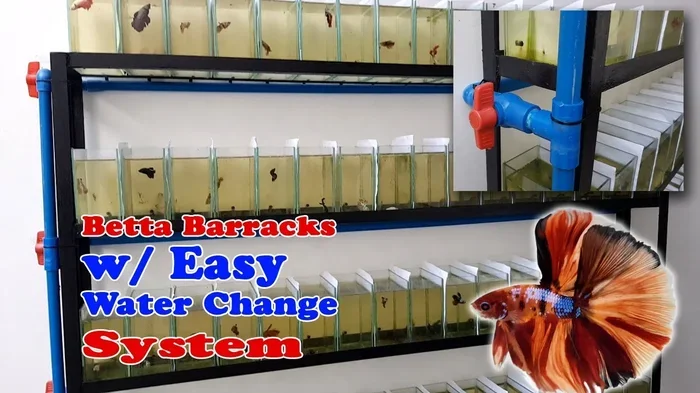
How often should i change my betta fish water to keep your fish healthy and happy? The short answer is that regular partial water changes form the backbone of good aquarium care. You will learn the ideal schedule, how to prepare fresh water, and which mistakes to avoid. This guide breaks down everything you need for a clean, safe home for your betta.
Key Takeaways
- Weekly partial changes: Swap out 25 to 50 percent of the tank water every seven days for best results.
- Test before you change: Check ammonia, nitrite, nitrate, and pH levels to guide your schedule.
- Condition new water: Always treat tap water with a reliable conditioner to remove chlorine and chloramine.
- Match temperature: Keep new water close to the tank temperature to avoid shocking your betta.
- Clean the substrate: Vacuum the gravel or sand during changes to remove leftover food and waste.
- Avoid full replacements: Never change 100 percent of the water unless you face a serious emergency.
- Watch your fish: Adjust the schedule if you see stress signs, cloudy water, or high nitrates.
📑 Table of Contents
How Often Should I Change My Betta Fish Water for Health
Keeping a betta fish happy starts with clean, stable water. Many new owners ask how often should i change my betta fish water because the answer is not one size fits all. The right schedule depends on tank size, filtration, feeding habits, and water test results. In this guide, you will learn a simple weekly routine, how to prepare fresh water, and the small details that make a big difference. You will also see which mistakes to avoid so your fish stays vibrant and stress free.
Think of water changes as a reset button for your tank. Every fish produces waste, and leftover food breaks down into harmful compounds. A partial change removes those compounds while keeping good bacteria in place. You do not need to empty the whole tank each week. In fact, full changes can shock your fish and upset the balance of the tank. A steady, gentle routine works best for long term health.
Before you start, gather a few basic tools. You will need a clean bucket, a gravel vacuum or siphon, a water conditioner, and a thermometer. If you test your water, keep a simple test kit nearby. These tools help you make smooth, safe changes without stressing your betta. Once you have everything ready, the process becomes quick and easy.
The Ideal Water Change Schedule
Most betta owners do well with a weekly partial change. A good starting point is to replace 25 to 50 percent of the water every seven days. This range removes waste and keeps nitrate levels under control. If your tank is small, you may need to change water more often. If you have a larger tank with a filter, you might stretch the interval slightly. The key is to watch your water and your fish, then adjust as needed.
Weekly Partial Changes
A weekly routine keeps things simple and predictable. Start by turning off any equipment that could run dry during the change. Then use a siphon to remove water while gently stirring the substrate. This step lifts debris and leftover food from the bottom. Move slowly so you do not scare your fish. After you remove the old water, refill the tank with treated, temperature matched water. This approach keeps the environment stable and comfortable.
Small Tanks Versus Large Tanks
Tank size changes the rhythm of maintenance. Small bowls and tiny tanks build up waste faster, so they often need more frequent partial changes. Larger tanks dilute waste better and give beneficial bacteria more room to work. If you are working with a small setup, check your water often and be ready to change it more often. If you upgrade to a bigger tank, you may find the maintenance becomes easier over time. A larger water volume also helps keep temperature and water chemistry steadier.
Adjusting Based on Test Results
Tests tell you what your eyes cannot see. Ammonia and nitrite should stay at zero in a healthy tank. Nitrate will rise over time, and that is normal. When nitrate climbs too high, it is time for a change. pH can also shift, especially if you use certain decorations or tap water with a unique mineral profile. Test once a week at first, then adjust your schedule based on the results. This method helps you answer how often should i change my betta fish water with confidence, because you are responding to real data instead of a guess.
Signs Your Betta Needs a Water Change
Your fish and your water give you clear clues. Cloudy water, a film on the surface, or a bad smell all point to excess waste. Your betta may also show behavior changes when water quality drops. Watch for clamped fins, less activity, loss of appetite, or frequent pacing. These signs do not always mean water is the only issue, but they are good reasons to check your parameters and consider a change.
Cloudy Water and Surface Film
Cloudiness can come from excess food, stirred up substrate, or a bloom of microorganisms. A thin oily film on the surface often means organic waste is building up. Both issues usually improve with a partial change and better feeding habits. If cloudiness returns quickly, look at how much you feed and whether your filter is sized appropriately. A small amount of maintenance goes a long way toward keeping the tank clear and fresh.
Fish Behavior Clues
Bettas are lively fish that usually explore their tank and react to you. When water quality slips, they may become sluggish or hide more than usual. Some bettas lose color or clamp their fins when they feel stressed. If you notice these changes, test the water right away. A gentle partial change can help your fish feel better fast. Always move calmly and keep the new water close to the tank temperature so you do not add more stress.
How to Prepare New Water Safely
Safe water prep is just as important as the change itself. Tap water often contains chlorine or chloramine, which can harm your fish. A quality water conditioner neutralizes these chemicals and makes the water safe. You should also match the temperature before adding the new water. Sudden temperature swings can shock your betta and weaken its immune system. Taking a few extra minutes here protects your fish and keeps the tank stable.
Conditioning Tap Water
Add conditioner to the new water before it goes into the tank. Follow the bottle directions for the amount of water you are treating. Stir gently and let it sit for a few minutes if the product recommends it. This simple step removes harmful chemicals and makes the water safe for your betta. If you want to learn more about the right product for your setup, you can read about whether you can use Aqueon Water Conditioner for your betta fish. The right conditioner makes routine care much easier.
Temperature Matching Basics
Use a thermometer to compare the new water with the tank water. Aim for a close match so your fish feels no sudden change. Warm the new water slightly if needed, but avoid overheating it. You can also pre warm the water in a safe container before adding it. Once the temperatures are close, add the water slowly. This careful approach keeps your betta comfortable and reduces stress during every water change.
Step by Step Water Change Routine
A smooth routine saves time and protects your fish. The process is simple once you practice it a few times. Start by preparing your new water first, then remove the old water, and finish by refilling carefully. Keep your movements gentle and your tools clean. This section walks you through a reliable method you can use every week.
Gather Your Tools
Set out a clean bucket, a siphon or gravel vacuum, a conditioner, and a thermometer. Make sure the bucket has never held soap or chemicals. Rinse it well before use. Having everything ready keeps the process quick and calm. Your betta will stay relaxed when the work is efficient and quiet.
Remove Old Water and Clean the Substrate
Place the siphon in the tank and start the flow. Move the tube gently through the gravel or sand to lift debris. Stop when you have removed the amount you planned. If you see waste stuck in corners, reach those spots carefully. This is also a good time to wipe algae from the glass with a clean algae pad. Keep the pace slow and steady so your fish stays calm.
Refill With Treated Water
Pour the conditioned water into the tank slowly. Aim for the heater, filter output, or a clean plate on the substrate to reduce splashing. This helps keep the temperature stable and prevents disturbance. After the tank is full, turn your equipment back on. Watch your betta for a few minutes to make sure it looks relaxed and normal. A smooth refill is the final touch that keeps the routine safe and effective.
Common Water Change Mistakes to Avoid
Even simple care can go wrong if you rush or skip steps. Some mistakes are easy to fix, while others can stress your fish. Learning what to avoid will help you build a safer routine. The list below covers the most common issues and how to prevent them.
Changing Too Much Water at Once
Full water changes are rarely necessary and can shock your fish. They also remove too much of the beneficial bacteria that help keep the tank balanced. Stick to partial changes unless a serious problem forces you to act. If you ever face an emergency, research the safest way to reset the tank before you act. In normal care, smaller changes are gentler and more effective over time.
Skipping Water Conditioner
Tap water is not always safe straight from the faucet. Chlorine and chloramine can hurt your betta and disturb the tank balance. Always treat new water before adding it. If you are curious about using different water sources, you can explore topics like can i use tap water in my betta fish bowl or can i use purified water in my betta fish tank. The safest choice is to condition the water and match the temperature before it enters the tank.
Ignoring Test Results
Guessing instead of testing can lead to poor timing. High nitrate or a rising pH can sneak up on you. A simple test kit helps you catch problems early. When results look off, adjust your schedule and check your feeding routine. Testing turns guesswork into a clear plan, which makes care much easier.
Rough Handling of the Tank
Loud splashes, fast movements, and heavy banging can frighten your betta. Move slowly and keep noise low during the change. Avoid dragging equipment across the glass. A calm routine keeps stress low and helps your fish stay healthy. Gentle care also makes the process easier for you.
Expert Tips for Long Term Water Quality
Good habits keep water clean between changes. Feeding the right amount, maintaining the filter, and watching stocking levels all matter. These small choices add up to a healthier tank. Use the tips below to build a strong routine that supports your betta for the long run.
Feed Less to Reduce Waste
Overfeeding is one of the fastest ways to foul water. Offer only what your betta can eat in a few minutes, and remove leftovers if needed. Many owners find that small, controlled feedings keep the tank cleaner. If you want to compare water sources and their effects on care, you may also look into can i use bottled water for my betta fish tank. No matter the water source, feeding less waste keeps maintenance easier.
Maintain the Filter Gently
A filter helps keep water clear, but it needs light maintenance too. Rinse filter media in old tank water during a change, not in fresh tap water. This protects the beneficial bacteria that live on the media. Clean flow helps the tank stay healthy without wiping out the good biology. A well kept filter supports your weekly water changes beautifully.
Keep a Consistent Routine
Consistency matters more than perfection. Pick a day you can remember and stick with it. Routine changes keep nitrate and waste under control. They also help you notice small changes in your fish or water before they become big problems. A steady rhythm makes care feel simple and predictable.
FAQ Section
How often should i change my betta fish water in a small tank?
In a small tank, plan on a partial change every week or even twice a week if the water tests show rising nitrates. Small volumes build up waste faster, so frequent changes help keep the environment safe and stable.
Can i use tap water for my betta fish tank during a water change?
Yes, tap water works well when you treat it with a conditioner that removes chlorine and chloramine. Always match the temperature to the tank before adding it so your betta does not get shocked.
What percentage of water should i replace each week?
A good target is 25 to 50 percent, depending on tank size and water test results. Partial changes remove waste while keeping the tank balanced and comfortable for your fish.
Do i need to remove my betta during a water change?
Usually, you do not need to move your fish. A gentle siphon and slow refill keep the fish calm in the tank. Only move your betta if you must handle a special situation and you know how to do it safely.
How do i know if the water quality is bad?
Test for ammonia, nitrite, nitrate, and pH to get a clear picture. Cloudy water, bad odors, and unusual fish behavior are also signs that the water may need attention.
Can i change the water too often?
Yes, changing water too often or too much can stress your fish and disrupt beneficial bacteria. Stick to a steady partial schedule and adjust only when test results or visible issues call for it.