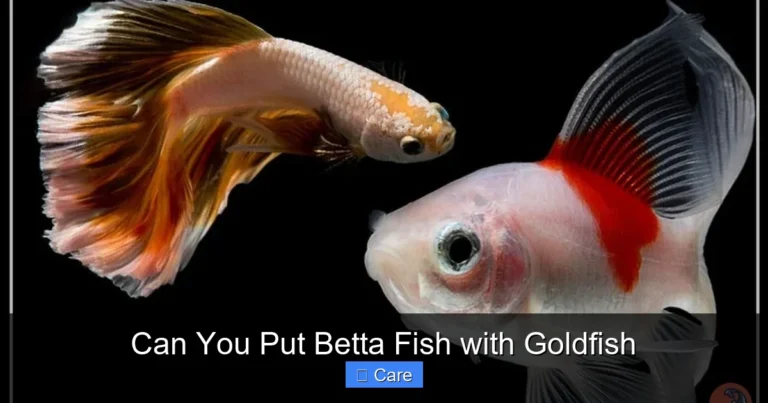
How to Set Up a Betta Fish Tank

Setting up a betta fish tank is easier than you think. Follow this friendly guide to pick the perfect tank, create a safe environment, and keep your betta thriving from day one. All the basics are covered in clear, simple steps.
Key Takeaways
- Right tank size matters: A minimum of 5 gallons gives your betta space to swim and stay healthy.
- Cycle before adding fish: Establishing beneficial bacteria prevents toxic spikes.
- Temperature is critical: Keep water between 76‑82 °F (24‑28 °C) with a reliable heater.
- Gentle filtration works: Use a low‑flow filter or sponge to keep water clean without stressing the fish.
- Safe décor prevents injuries: Choose smooth plants, driftwood, and hideouts that won’t tear fins.
- Regular maintenance is key: Weekly water changes and monthly substrate cleaning keep the tank stable.
- Acclimation protects your betta: Slowly introduce your fish to the new water to avoid shock.
📑 Table of Contents
- Why a Proper Setup Is the Foundation of a Happy Betta
- 1. Choosing the Right Tank and Location
- 2. Essential Equipment Checklist
- 3. Setting Up the Tank: Step‑by‑Step
- 4. Introducing Your Betta: Acclimation and First Day Care
- 5. Ongoing Maintenance for a Healthy Betta
- 6. Common Mistakes and How to Avoid Them
- Conclusion: Your Betta’s New Home Is Ready
Why a Proper Setup Is the Foundation of a Happy Betta
Betta fish (Betta splendens) are famous for their dazzling colors and bold personalities. But behind that beauty is a fish that needs a stable, clean, and well‑heated environment. A rushed or incomplete setup can lead to stress, disease, and a short lifespan. By taking the time to plan each step, you create a miniature world where your betta can flourish, show off its fins, and live a long, vibrant life.
In this guide we’ll walk through everything you need—from picking the right tank size to cycling the water, adding décor, and the first day routine. Think of it as a friendly chat over coffee, with practical tips you can start using right now.
1. Choosing the Right Tank and Location
Size matters more than you think
While many beginners start with tiny 1‑gallon bowls, research shows a minimum of 5 gallons is ideal. Larger water volume dilutes waste, maintains temperature, and gives your betta room to explore.

Visual guide about How to Set Up a Betta Fish Tank
Image source: acaquarium.com
Shape and material
Glass or acrylic tanks both work. Glass is scratch‑resistant; acrylic is lighter and shatter‑proof. A rectangular shape provides more surface area for heating and filtration.
Finding the perfect spot
- Avoid direct sunlight – it promotes algae and temperature spikes.
- Keep the tank away from drafts, air conditioners, and heat vents.
- Place it at eye level for enjoyment, but ensure the stand can support the weight (≈8 lb per gallon).
2. Essential Equipment Checklist
Heater
Betta fish are tropical; a reliable submersible heater set to 78 °F (25.5 °C) is non‑negotiable. Choose a model with an adjustable thermostat and a built‑in safety shut‑off.

Visual guide about How to Set Up a Betta Fish Tank
Image source: fishlab.com
Filter
Betta fish prefer calm water, so opt for a low‑flow sponge filter or a hang‑on‑back (HOB) filter with a gentle spray bar. The filter removes toxins while providing surface agitation for oxygen exchange.
Lighting
A 10‑12 hour light cycle mimics natural conditions. LED strips or compact aquarium lights work well and can highlight your décor.
Substrate and décor
Fine gravel or sand (1‑2 mm) is easy to clean. Add live or silk plants, smooth driftwood, and a small cave for hiding. Avoid sharp ornaments that could tear delicate fins.
Water testing kit
Testing for ammonia, nitrite, nitrate, and pH helps you monitor the tank’s health, especially during cycling.
3. Setting Up the Tank: Step‑by‑Step
Step 1 – Clean the tank and accessories
Rinse the glass, substrate, and décor with warm water only—no soap. Soap residues can be toxic to fish.

Visual guide about How to Set Up a Betta Fish Tank
Image source: fishlab.com
Step 2 – Add substrate
Spread a 1‑inch layer of gravel or sand, then gently rinse it with a cup of dechlorinated water to settle the particles.
Step 3 – Install equipment
Place the heater near the water flow, attach the filter, and set up the light. Ensure cords are safely routed away from water.
Step 4 – Fill with conditioned water
Use a water conditioner to neutralize chlorine and chloramines. Fill slowly to avoid disturbing the substrate. For a detailed guide, see how to fill a betta fish tank.
Step 5 – Adjust temperature and start filtration
Turn on the heater and filter. Allow the water to reach the target temperature (78 °F) before proceeding—this can take several hours.
Step 6 – Cycle the tank
Even with a filter, the tank needs a nitrogen cycle to build beneficial bacteria. Follow a simple fishless cycle: add a small amount of pure ammonia daily, test water, and wait until ammonia and nitrite drop to zero while nitrate rises. For a full walkthrough, read how to cycle a betta fish tank.
Step 7 – Add décor and plants
Arrange plants, driftwood, and hideouts. If using live plants, rinse roots and plant them in the substrate, ensuring they won’t uproot when the betta swims.
4. Introducing Your Betta: Acclimation and First Day Care
Acclimating without stress
When the tank is fully cycled and stable, it’s time to bring your betta home. Float the sealed bag in the tank for 15 minutes to equalize temperature. Then, gradually add tank water to the bag every 5 minutes for another 20‑30 minutes. Finally, gently net the fish and release it into the tank.
First‑day observations
- Watch for normal swimming and flaring behavior.
- Check for any signs of stress: clamped fins, rapid breathing, or hiding.
- Offer a small amount of high‑quality betta pellets or frozen brine shrimp.
5. Ongoing Maintenance for a Healthy Betta
Weekly water changes
Replace 25‑30 % of the water each week with conditioned water at the same temperature. This removes accumulated nitrates and keeps the environment stable.
Filter care
Rinse filter media in a bucket of tank water (not tap water) once a month. Replace sponge or cartridge as recommended by the manufacturer.
Cleaning the substrate
Use a gravel vacuum to lift debris without removing all the good bacteria. Aim for a light vacuum every two weeks.
Testing water parameters
Check ammonia, nitrite, nitrate, and pH weekly for the first month, then bi‑weekly. Keep nitrate below 20 ppm and pH between 6.5‑7.5.
Seasonal tips
During colder months, monitor heater performance closely. In summer, ensure the tank is not placed near windows that receive direct sunlight.
6. Common Mistakes and How to Avoid Them
- Using too small a tank: Leads to rapid waste buildup and stress.
- Skipping the cycle: Causes toxic ammonia spikes that can kill a betta within days.
- High‑flow filters: Betta fish are “labyrinth” breathers; strong currents can exhaust them.
- Over‑decorating with sharp ornaments: Can tear fins and invite infection.
- Neglecting temperature: Fluctuations cause immune suppression.
By staying mindful of these pitfalls, you set the stage for a long, colorful life for your betta.
Conclusion: Your Betta’s New Home Is Ready
Setting up a betta fish tank may feel like a project, but each step builds a safe, stable habitat that lets your fish display its natural beauty. From picking a 5‑gallon tank, cycling the water, and adding gentle filtration, to regular maintenance and careful acclimation, you now have a complete roadmap. Follow this guide, enjoy the process, and watch your betta thrive in its new, well‑prepared home.
Frequently Asked Questions
How long does it take to cycle a betta tank?
Typical fishless cycling takes 2‑4 weeks, depending on temperature and ammonia source. Test water regularly; the tank is ready when ammonia and nitrite are zero and nitrate is low.
Can I use a regular aquarium filter for a betta?
Yes, but choose a low‑flow option like a sponge filter or adjust the output to a gentle stream. Betta fish prefer calm water.
Do bettas need live plants?
Live plants are beneficial for water quality and provide natural hiding spots, but silk or plastic plants work if you maintain good water parameters.
How often should I change the water?
Replace 25‑30 % of the water weekly. In a well‑cycled tank, a bi‑weekly change may be sufficient, but monitor nitrate levels.
What temperature is safest for a betta?
Maintain water between 76‑82 °F (24‑28 °C). Use a reliable heater and a thermometer to keep the temperature stable.
Can I keep a betta with other fish?
Betta fish are territorial, especially males. They can coexist with peaceful, fast‑swimming species in a sufficiently large tank (10+ gallons) that provides plenty of hiding places.