Do Betta Fish Poop
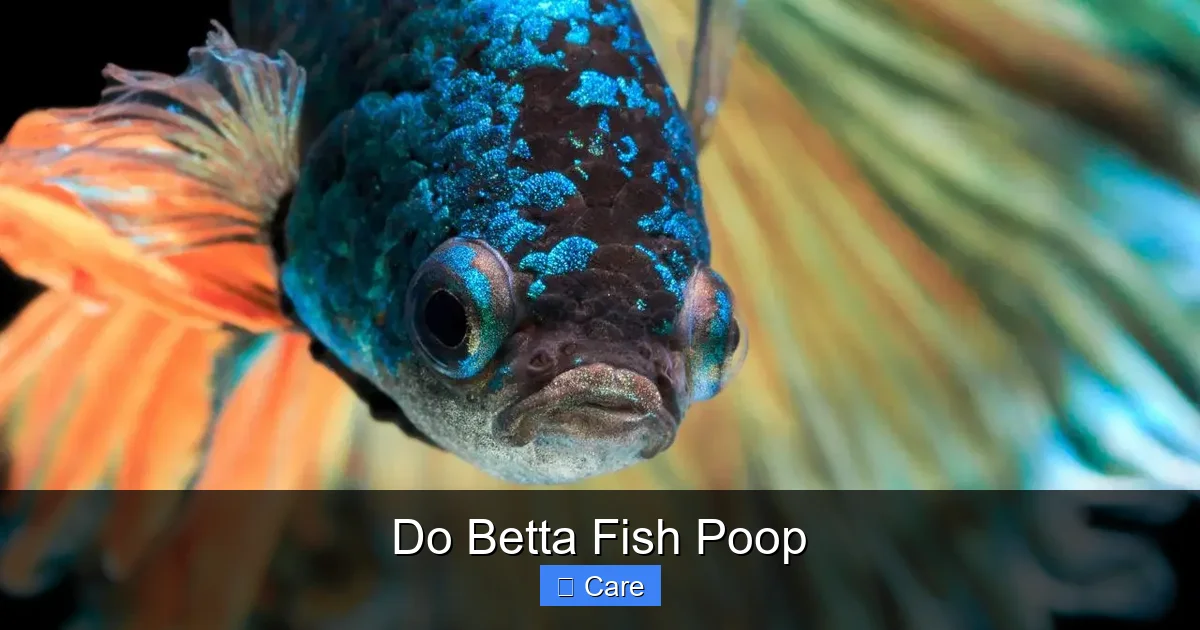
Betta fish do poop, and understanding their waste is essential for a thriving aquarium. This guide explains where bettas release waste, what healthy poop looks like, and simple steps to maintain pristine water for your finned friend.
Key Takeaways
- Betta waste is normal: All healthy bettas produce solid and liquid waste regularly.
- Location matters: Poop usually exits near the vent and settles on the tank bottom.
- Color clues: Light brown, firmer pellets indicate a balanced diet; black or stringy waste can signal trouble.
- Clean water prevents illness: Frequent partial water changes and a good filter keep ammonia low.
- Observe feeding habits: Over‑feeding leads to excess waste and cloudy water.
- Stress shows in poop: Stress‑related issues like constipation appear as abnormal stools.
- Regular checks help: Spotting changes early can stop disease before it spreads.
📑 Table of Contents
- Introduction: Why Betta Poop Matters
- 1. The Anatomy of a Betta’s Digestive System
- 2. What Healthy Betta Poop Looks Like
- 3. Factors That Influence Betta Poop
- 4. Maintaining a Clean Tank: Managing Betta Waste
- 5. Recognizing Warning Signs in Betta Poop
- 6. Practical Tips for Betta Owners
- Conclusion: Happy Betta, Clean Tank
Introduction: Why Betta Poop Matters
If you’ve ever watched a betta swim in a tiny bowl, you might wonder whether that little flash of color ever “goes” anywhere. The short answer is yes—betta fish do poop, and their waste tells you a lot about their health, water quality, and overall happiness.
In this article we’ll walk through everything you need to know about betta fish poop: where it comes out, what it looks like, how diet and tank conditions affect it, and practical tips for keeping the water clean without stressing your fish. Think of it as a friendly chat over a cup of tea, with a few science‑backed facts sprinkled in.
1. The Anatomy of a Betta’s Digestive System
How a Betta Processes Food
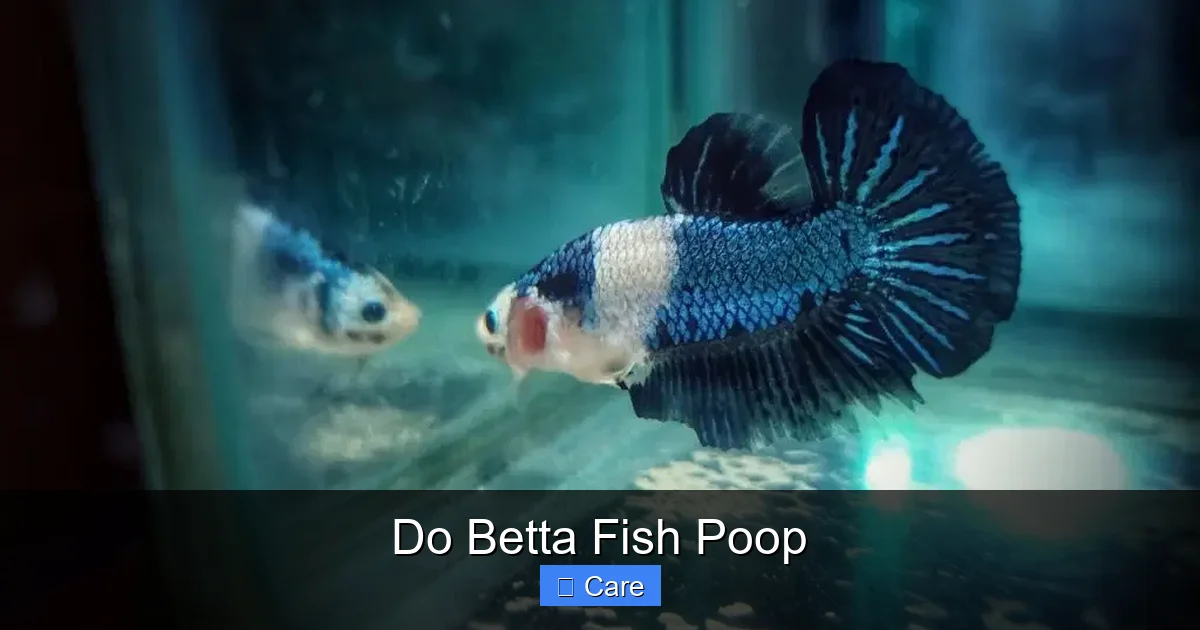
Betta fish have a short, straight gut that’s perfect for digesting small protein‑rich meals like pellets, frozen bloodworms, and brine shrimp. After the stomach breaks down food, nutrients are absorbed in the intestine, and the leftover material moves toward the vent—an opening near the anal fin.
Visual guide about Do Betta Fish Poop
Image source: ekk4j69ebaa.exactdn.com
Where Does the Poop Exit?
The vent is the official “exit point” for both solid waste and excess liquid. When you see a tiny speck drift down to the substrate, that’s the betta’s poop. For a visual guide, check out our article on where betta fish poop out of. It shows exactly where the waste leaves the body and why it tends to settle in one spot.
2. What Healthy Betta Poop Looks Like
Typical Color and Consistency
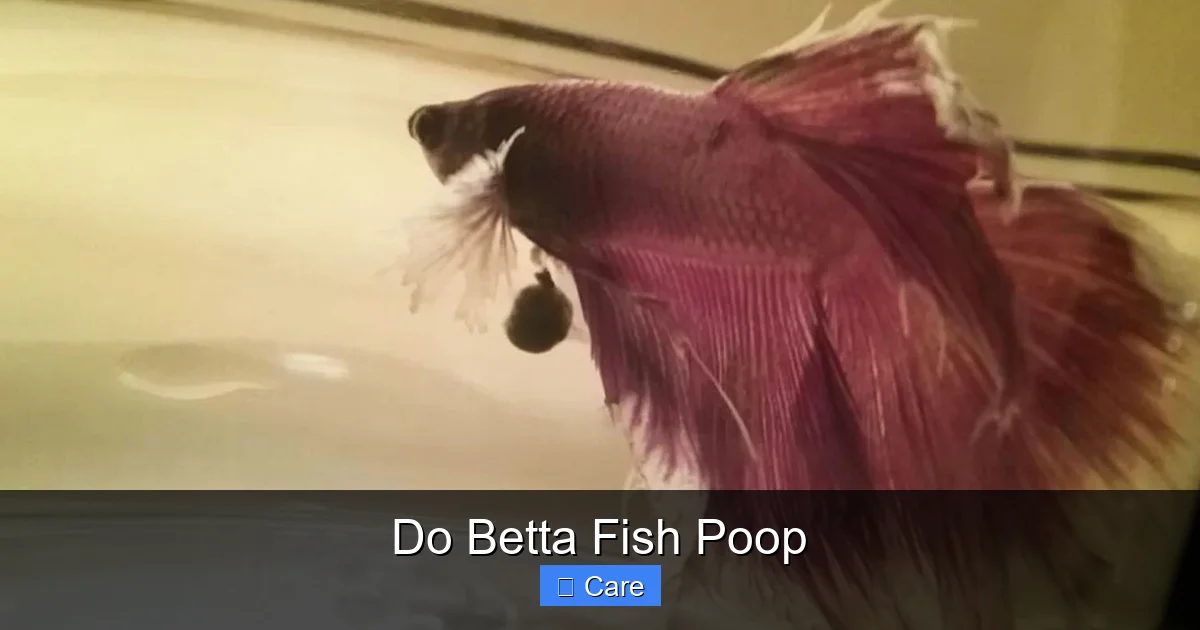
In a well‑fed, healthy betta, poop is usually light brown to tan and forms small, firm pellets. The size can vary from a grain of rice to a pea, depending on how much the fish ate.
Visual guide about Do Betta Fish Poop
Image source: bettafish.org
When to Worry
- Black or tarry stools: May indicate a digestive upset, parasites, or a bacterial infection.
- Stringy, mucus‑covered waste: Often a sign of constipation or an imbalanced diet.
- Excessive volume: Could mean over‑feeding or a sudden change in diet.
For a deeper dive into poop appearance, see what does betta fish poop look like.
3. Factors That Influence Betta Poop
Diet Quality
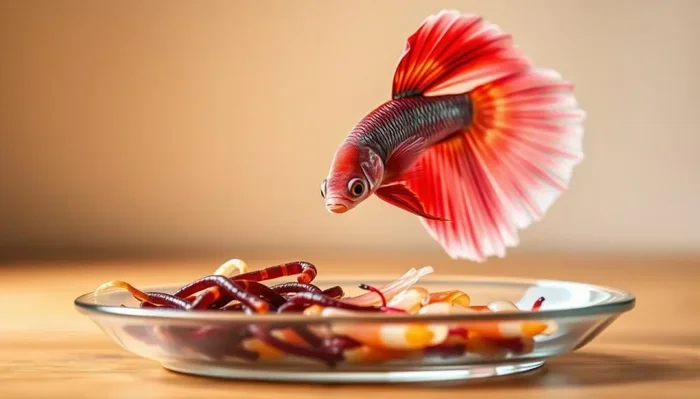
Betta pellets formulated for carnivorous fish provide the right protein‑to‑fat ratio. Feeding too many treats like live or frozen foods can create softer, more frequent waste. Follow our feeding guide how do you feed a betta fish for balanced nutrition.
Visual guide about Do Betta Fish Poop
Image source: bettafish.org
Water Temperature
Betta metabolism speeds up in warmer water (around 78‑80°F). Faster digestion means more frequent pooping. If the tank is too cold, waste can become sluggish and harder to pass. Learn the ideal range in what temperatures do betta fish like.
Stress Levels
Stress from aggressive tank mates, cramped space, or sudden changes can disrupt digestion. A stressed betta may produce irregular or scant waste. Check out how do i know if my betta fish is happy for signs of a relaxed fish.
4. Maintaining a Clean Tank: Managing Betta Waste
Regular Partial Water Changes
Because bettas produce waste continuously, a weekly 25‑30% water change removes ammonia and keeps the environment safe. Use a siphon to pull out debris from the substrate where poop settles.
Choosing the Right Filter
While bettas can live in unfiltered tanks, a gentle sponge filter helps trap solid waste without creating strong currents that stress the fish. If you’re unsure whether you need a filter, read do betta fish need filters for a quick decision guide.
Substrate and Cleaning Tools
Fine‑gravel or sand makes it easy to vacuum waste without damaging delicate fins. A small aquarium brush can scrape any stuck particles from tank walls.
Feeding Practices to Reduce Waste
- Feed small amounts 2‑3 times daily, only what the betta can eat in 2‑3 minutes.
- Use a varied diet but keep treats to less than 10% of total feed.
- Remove uneaten food after each feeding session.
5. Recognizing Warning Signs in Betta Poop
Constipation and Its Signs
If you notice a betta’s poop becoming very small, hard, or absent for several days, the fish may be constipated. Common triggers include a diet too high in dry pellets or insufficient hydration.
Offer a small amount of peeled, cooked peas (mashed) to act as a natural laxative. After 24‑48 hours, normal waste should resume.
Infection Indicators
Black, blood‑tinged, or foul‑smelling waste can signal bacterial or parasitic infections. In such cases, increase water changes, isolate the fish if possible, and consult a vet or reputable aquarium store for medication.
When Poop Disappears
Sudden lack of waste may mean the betta isn’t eating at all—a red flag for illness. Pair this observation with other symptoms like loss of color, lethargy, or labored breathing. See how do you know if your betta fish is dying for a full checklist.
6. Practical Tips for Betta Owners
Set Up a Observation Routine
Spend a few minutes each day watching your betta’s swimming pattern and the bottom of the tank. Note any changes in poop frequency, color, or amount.
Keep a Log
Write down feeding times, food types, and any waste observations. Over weeks, patterns emerge that help you fine‑tune diet and water maintenance.
Use a Transparent Cover
A clear tank lid lets you see the water surface and spot floating waste without disturbing the fish.
Consider a Live Plant
Plants absorb ammonia and provide natural hiding spots, reducing stress and promoting regular digestion.
Conclusion: Happy Betta, Clean Tank
Yes, betta fish do poop, and paying attention to that poop is one of the simplest ways to gauge their health. By understanding where waste comes from, recognizing healthy versus abnormal stools, and maintaining a regular cleaning schedule, you’ll create a thriving environment for your colorful companion. Remember: a clean tank equals a happy betta, and a happy betta means many more beautiful moments watching those vibrant fins flare.
Frequently Asked Questions
Do betta fish poop all the time?
Betta fish poop regularly, typically once or twice a day depending on how much they eat and the water temperature.
What does healthy betta poop look like?
Healthy poop is light brown, firm, and pellet‑shaped. It should sink to the bottom and not be overly fuzzy or stringy.
Can I see the betta’s poop without a filter?
Yes. In a filtered tank waste is trapped, but in a simple bowl or low‑flow setup you’ll see small specks drifting to the substrate after feeding.
How often should I change the water to manage waste?
Perform a 25‑30% water change weekly, and increase to 50% if you notice cloudy water or a spike in waste.
What should I do if my betta’s poop turns black?
Black or tarry waste can signal infection or digestive trouble. Increase water changes, check diet, and consider a vet‑recommended medication.
Will feeding peas help a constipated betta?
Yes. A small amount of mashed, peeled peas can act as a natural laxative and often resolves mild constipation within a day or two.