How to Recognize a Healthy Betta Fish
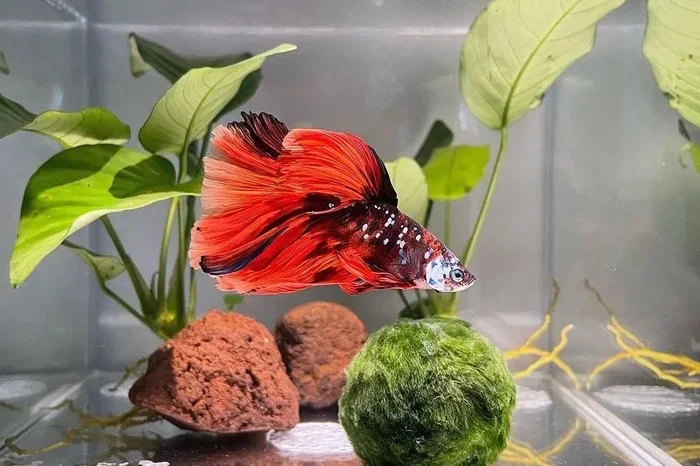
Knowing how to recognize a healthy betta fish is essential for every fish owner. A healthy betta displays bright, vivid colors, moves with energy, and has clear eyes with intact fins. Understanding these betta fish signs helps you catch problems early and keep your fish thriving for years.
Spotting a healthy betta fish is easier than most people think. Once you know what to look for, you can tell at a glance whether your fish is thriving or struggling. This guide covers everything from color and fins to behavior and appetite. You will walk away with practical skills to keep your betta in top shape.
Many new fish owners overlook the early betta fish symptoms of poor health. By the time obvious problems appear, the situation can worsen quickly. Learning to read your fish’s body language and appearance gives you a huge advantage. Think of it as learning a new language — the one your betta uses every single day.
Whether you just brought home a new fish or have had your betta for months, this guide is for you. We will break down each sign of a healthy betta into simple, easy-to-follow sections. No guesswork required — just clear, actionable advice you can use right away.
Key Takeaways
- Vibrant colors and flowing fins are the first visual clues your betta is healthy and happy.
- Active, curious behavior like exploring and building bubbles shows strong betta fish well-being.
- Clean water and proper tank setup play a huge role in maintaining betta fish health.
- Regular feeding with a balanced diet supports energy levels and a strong immune system.
- Early detection of warning signs like faded colors or lethargy can prevent serious illness.
- Consistent monitoring of your betta’s appearance and behavior is the best prevention strategy.
📑 Table of Contents
- What Does a Healthy Betta Fish Look Like?
- Behavior Signs of a Healthy Betta Fish
- Water Quality and Tank Setup for Betta Health
- Diet and Feeding Habits That Signal Good Health
- Common Warning Signs Your Betta Fish Is Unhealthy
- How to Maintain Long-Term Betta Fish Wellness
- When to Seek Help for Your Betta Fish
- Conclusion
What Does a Healthy Betta Fish Look Like?
The appearance of your betta tells you a lot about its current health. A healthy betta fish has bright, vivid colors that seem to glow under aquarium lights. The fins should flow smoothly without tears, clumping, or discoloration. When you observe your fish closely, you will notice a sleek, streamlined body shape.
Color as a Health Indicator
A vibrant betta displays rich reds, deep blues, or bright greens depending on its variety. Faded or dull colors often signal stress, poor diet, or illness. Betta fish color changes can happen gradually, so compare your fish to its appearance from a week or two ago. If you notice a sudden loss of color, this is a red flag worth investigating.
Some bettas naturally have lighter coloring, and that is perfectly fine. The key is to know what is normal for your specific fish. Use the guide on choosing a healthy betta as a reference point when evaluating your fish’s natural palette.
Fins and Body Condition
Intact fins with no torn edges or rot are a strong indicator of good health. The tail should spread wide and move gracefully through the water. Clamped fins — fins held close to the body — often mean your fish feels unwell or stressed.
Check the body for any white spots, bumps, or unusual growths. A healthy betta has a smooth, slightly rounded belly. Swelling or a sunken belly can point to digestive issues or more serious conditions. Regular visual checks take less than a minute and pay off big time.
Behavior Signs of a Healthy Betta Fish
How your betta moves and acts reveals volumes about its internal health. A healthy betta fish explores its surroundings with curiosity and confidence. It builds bubble nests at the surface, which is a natural behavior linked to feeling safe and content.
Activity Levels and Movement
Watch how your betta swims during feeding time and throughout the day. Active swimming with smooth, steady movements is a great sign. A healthy betta will investigate plants, decorations, and the glass walls of the tank.
Lethargy — swimming slowly or staying at the bottom — often means something is wrong. However, bettas do sleep, so a brief rest period is normal. The difference lies in consistency. If your fish stays inactive for hours and shows no interest in food, betta fish behavior changes like this deserve your attention.
Breathing Patterns
Gill movement tells you a lot about respiratory health. A healthy betta breathes steadily without visible effort. Rapid or labored breathing can indicate poor water quality, low oxygen levels, or an underlying infection. Checking gill movement should become part of your daily observation routine.
Water Quality and Tank Setup for Betta Health
Your betta lives in its water, so the quality of that water directly affects its health. Proper betta fish care starts with maintaining clean, stable water conditions. Even small changes in temperature or pH can cause stress and weaken the immune system.
Ideal Water Parameters
Keep the water temperature between 76 and 82 degrees Fahrenheit. A stable pH between 6.5 and 7.5 creates a comfortable environment. Ammonia and nitrite levels should always read zero, and nitrates should stay below 20 parts per million.
Using a simple test kit makes monitoring easy. Regular water changes — about 25 percent every week — remove harmful buildup and keep conditions fresh. If you are unsure about your current setup, the article on betta fish water care offers detailed guidance on maintaining pristine conditions.
Tank Size and Environment
A minimum tank size of 5 gallons gives your betta room to swim and explore. Smaller bowls lead to faster toxin buildup and temperature swings. Adding gentle filtration and live plants mimics a natural habitat and supports overall well-being.
Decorations should be smooth with no sharp edges that could damage delicate fins. A well-designed tank reduces stress and encourages natural behaviors. For help setting up the perfect home, check out the tank setup guide for betta fish.
Diet and Feeding Habits That Signal Good Health
A healthy betta fish has a strong appetite and eats with enthusiasm. The way your fish responds to food is one of the simplest health checks you can perform daily. A well-fed betta shows energy, color, and a rounded but not bloated belly.
What to Feed Your Betta
High-quality betta pellets form the foundation of a good diet. Frozen or live foods like brine shrimp and bloodworms make excellent supplements. Variety in the diet supports nutrition and keeps feeding time exciting for your fish.
Overfeeding is one of the most common mistakes new owners make. Excess food fouls the water quickly and causes digestive problems. Feed small amounts twice a day and remove any uneaten food after a few minutes. Consistent feeding habits make it easier to spot changes in appetite that could signal illness.
Appetite as a Health Barometer
A betta that eagerly swims to the surface at feeding time is telling you it feels good. Refusing food for more than two days warrants closer observation. Combined with other symptoms like lethargy or color loss, a loss of appetite can indicate a developing problem.
Common Warning Signs Your Betta Fish Is Unhealthy
Recognizing what a healthy betta looks like also means knowing what an unhealthy one looks like. Early detection of problems gives you the best chance of successful treatment. Betta fish symptoms often appear in clusters, so look for patterns rather than single signs.
White spots on the body or fins may indicate ich, a common parasitic infection. Red streaks or inflamed gills point to bacterial issues. Fins that appear shredded or rotting need immediate attention. Cloudy eyes can signal internal infection or poor water quality.
If you notice any of these betta fish symptoms, testing your water parameters should be your first step. Often, the root cause is poor water conditions rather than disease. Addressing the environment before treating with medication gives your fish the best foundation for recovery.
How to Maintain Long-Term Betta Fish Wellness
Keeping your betta healthy over the long term requires consistency and attention to detail. Betta fish well-being is not about one big action — it comes from daily small habits done right. Think of it as building a routine that supports your fish’s natural needs.
Daily and Weekly Routines
Spend a few minutes each day watching your betta swim and eat. Note any changes in appearance or behavior. Weekly tasks should include partial water changes, filter maintenance, and parameter testing. These simple habits prevent most common health problems before they start.
Stress Reduction
Bettas are sensitive to sudden changes in their environment. Avoid tapping on the glass, moving the tank frequently, or placing it in high-traffic areas with loud noises. A calm, stable setup supports a strong immune system and a longer betta fish lifespan.
If you own multiple fish, understanding gender differences helps prevent aggression and stress. The guide on telling betta fish gender can help you make smarter decisions about tank mates and housing.
When to Seek Help for Your Betta Fish
Sometimes, despite your best efforts, your betta may fall ill. Knowing when to act and what resources to use makes all the difference. Most common betta diseases are treatable if caught early. Trust your instincts — if something looks off, investigate further.
Start by testing the water and reviewing recent changes in routine. If water parameters are stable and symptoms persist, consider targeted treatment. Quarantine tanks help prevent the spread of disease to other fish in your home. Acting quickly gives your betta the best odds of a full recovery.
Conclusion
Learning to recognize a healthy betta fish empowers you as an owner. You now know the visual cues, behavioral signs, and environmental factors that define betta health. From vibrant colors and flowing fins to active swimming and a strong appetite, each sign tells a story about your fish’s condition.
Consistent observation and good water quality form the foundation of proper betta fish care. Feed a balanced diet, maintain stable parameters, and watch for early warning signs. These habits keep your betta thriving and extend its lifespan significantly. Your betta depends on you for its well-being — and with the knowledge from this guide, you are well equipped to give it a happy, healthy life.
Start applying these tips today. Your betta will thank you with bright colors, energetic swimming, and the kind of vibrant presence that makes fish keeping so rewarding. A healthy betta is a joy to watch, and now you know exactly how to keep it that way.
Frequently Asked Questions
How can I tell if my betta fish is happy?
A happy betta shows bright colors, active swimming, and builds bubble nests regularly. It eats eagerly and explores its tank environment with curiosity. These betta fish behavior patterns are clear indicators of contentment and good health.
What are the first signs of a sick betta fish?
The first signs include faded colors, clamped fins, lethargy, and loss of appetite. You may also notice rapid breathing, white spots, or redness on the body. Early detection of these betta fish symptoms gives you the best chance of successful treatment.
How often should I check my betta fish water parameters?
Test your water at least once a week to ensure ammonia, nitrite, and nitrate levels stay in safe ranges. Regular water testing is one of the most effective ways to prevent illness and maintain a stable aquarium environment for your betta.
Can a poor diet cause health problems in betta fish?
Yes, overfeeding or offering low-quality food can lead to bloating, constipation, and weakened immunity. A balanced diet of high-quality pellets and occasional supplements supports long-term betta fish health and keeps your fish energized.
What tank size is best for a single betta fish?
A minimum of 5 gallons is recommended for a single betta. Larger tanks provide more stable water conditions and room for swimming. The article on betta tank size offers detailed guidance on choosing the right setup.
How long do healthy betta fish typically live?
With proper care, a healthy betta fish lives between 3 and 5 years. Consistent water maintenance, a nutritious diet, and a stress-free environment all contribute to a longer betta fish lifespan. Small daily habits make a big difference over time.