How to Ready 2.5 Tank for Betta Fish
Getting a 2.5 gallon tank ready for your betta fish is easier than you think. This guide walks you through every step, from choosing the right tank to adding your fish safely. You will learn how to cycle the water, set up the perfect environment, and avoid common mistakes that new fish keepers make.
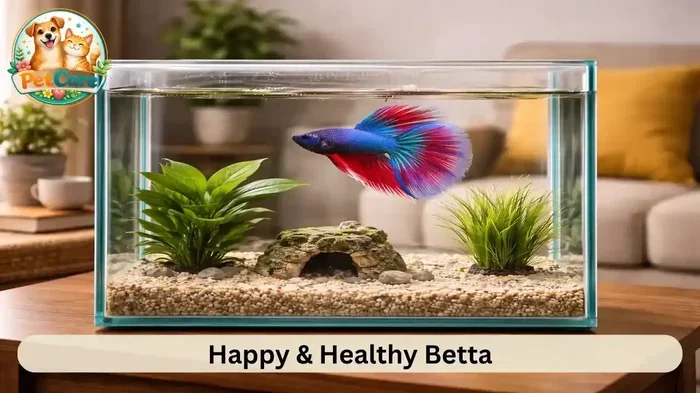
So you just got a 2.5 gallon tank and a beautiful betta fish. That is exciting! But before you drop your fish into the water, there is some important work to do. How to ready 2.5 tank for betta fish is a question every new betta owner should ask. A tank that is not properly set up can make your fish sick or worse. The good news is that preparing a 2.5 gallon tank is simple once you know the steps.
This guide covers everything you need. From picking the right equipment to cycling the tank and adding your betta safely. We will walk through each step in plain language. By the end, you will feel confident and ready to give your betta a happy, healthy home. Let us get started.
Key Takeaways
- Choose the right tank: A 2.5 gallon tank is a great home for a single betta fish when set up correctly.
- Cycle the tank first: Always cycle your tank before adding your betta to build healthy bacteria.
- Use a heater and filter: Bettas need warm, clean water between 76-82°F to thrive.
- Add gentle decorations: Soft plants and smooth substrate keep your betta safe and stress-free.
- Test water regularly: Keep ammonia and nitrite levels at zero for a healthy betta.
- Do partial water changes: Change 25-30% of the water weekly to maintain quality.
- Avoid common mistakes: Skip the soap, never use cold tap water untreated, and don’t overcrowd the tank.
📑 Table of Contents
- Why Proper Tank Setup Matters for Betta Fish
- How to Cycle Your 2.5 Gallon Tank
- Preparing the Water for Your Betta Tank
- Setting Up the Tank for Your Betta
- Adding Your Betta Fish to the New Tank
- Ongoing Maintenance for a Healthy 2.5 Gallon Tank
- Signs Your Tank Setup Is Working Well
- Final Thoughts on How to Ready 2.5 Tank for Betta Fish
Why Proper Tank Setup Matters for Betta Fish
Betta fish are more delicate than they look. Many people think bettas can live in tiny bowls. That is a myth. While bettas can survive in small spaces, they thrive in a well-prepared tank. A 2.5 gallon tank gives your betta enough room to swim and explore. It also makes it easier to keep the water clean and stable.
When you ready 2.5 tank for betta fish the right way, you are creating a stable environment. Stable water conditions mean less stress for your fish. Less stress means a healthier, more colorful betta that lives longer. Taking the time to set things up properly pays off big time.
The Right Equipment for a 2.5 Gallon Betta Tank
Before you start, gather everything you need. Having all your supplies ready makes the process smooth. Here is what you will need for a 2.5 gallon setup:
- A 2.5 gallon aquarium tank with a lid or hood
- A small sponge filter or gentle filter rated for 5 gallons
- A submersible aquarium heater set to 78°F
- A thermometer to monitor water temperature
- Gravel or sand substrate safe for aquariums
- Water conditioner to remove chlorine and chloramine
- Live or silk plants for hiding spots
- A net for handling your fish
- Water test kit for ammonia, nitrite, and nitrate
You do not need a fancy filter. Bettas prefer gentle water flow. A sponge filter works great for a 2.5 gallon tank. It provides mechanical and biological filtration without creating too much current. Your betta will thank you for the calm water.
How to Cycle Your 2.5 Gallon Tank
Cycling is the most important step. It builds good bacteria in your tank that break down harmful toxins. Never skip this step. Adding your betta to an uncycled tank can cause serious health problems. Cycling usually takes 4 to 6 weeks. It is worth the wait.
If you want a deeper dive into the cycling process, check out our guide on how to cycle a fish tank for betta. That article covers the nitrogen cycle in detail and gives you easy ways to test your water as the tank matures.
Steps to Cycle Your Tank
- Set up the tank with all equipment, substrate, and decorations.
- Fill the tank with treated water. Use a water conditioner to remove chlorine.
- Turn on the filter and heater. Set the heater to 78°F.
- Add a source of ammonia. You can use fish food or pure ammonia drops.
- Test the water every 2-3 days. Watch for ammonia to spike, then drop to zero.
- Wait for nitrite to appear and then fall. Then watch for nitrate to rise.
- Do a 50% water change once ammonia and nitrite read zero.
- Add your betta fish. Only after the cycle is complete.
Patience is key here. A properly cycled tank is a safe tank. Your betta will live a much longer and happier life in a cycled environment.
Preparing the Water for Your Betta Tank
Water quality makes or breaks a betta setup. Tap water contains chlorine and chloramine that are harmful to fish. You must treat the water before adding it to your tank. Using a good water conditioner is non-negotiable.
For more details on this process, our article on how to prepare water for a betta fish covers exactly what to look for in a water conditioner and how to treat tap water properly every time.
Water Parameters for Betta Fish
Bettas do best in specific water conditions. Here are the ideal parameters for your 2.5 gallon tank:
- Temperature: 76-82°F (78°F is the sweet spot)
- pH: 6.5 to 7.5 (neutral is best)
- Ammonia: 0 ppm
- Nitrite: 0 ppm
- Nitrate: Below 20 ppm
- Water hardness: Soft to moderately hard (3-10 dGH)
Test your water regularly with a liquid test kit. Test strips work but are less accurate. A liquid test kit gives you precise readings every time. Keep a log of your test results. This helps you spot problems early.
Quick Tips for Water Preparation
- Always let tap water sit out for 24 hours before treating it, or use a conditioner immediately.
- Match the temperature of new water to the tank water during water changes.
- Never use distilled water alone. It lacks beneficial minerals.
- Use a bucket dedicated only to aquarium water. Do not use buckets that held cleaning chemicals.
- Add conditioner to new water before pouring it into the tank.
Setting Up the Tank for Your Betta
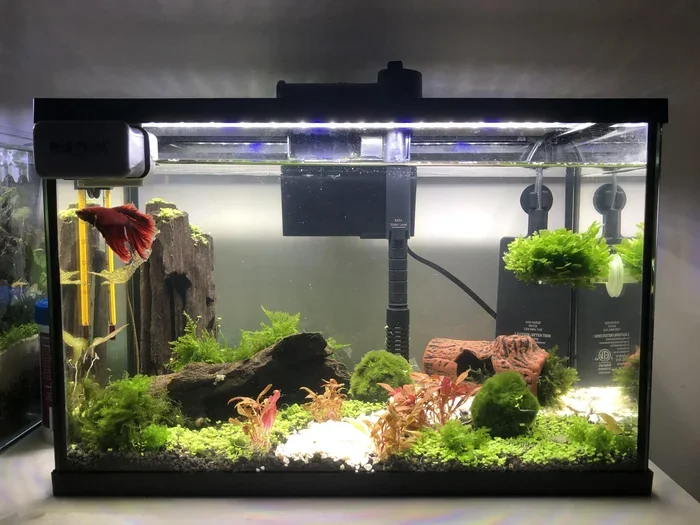
Now it is time to put everything together. Setting up a 2.5 gallon betta tank is fun. You get to design a little underwater world for your fish. Just remember that your betta needs a safe and comfortable space.
For a more complete walkthrough of the setup process, you can also check out how to set up a fish tank for betta fish. That article covers tank placement, equipment arrangement, and initial setup tips in greater detail.
Step-by-Step Tank Setup
Follow these steps to get your tank ready:
- Rinse the tank with clean water. Do not use soap or detergent ever.
- Add substrate. Rinse gravel or sand before placing it in the tank. Use about 1-2 inches of substrate.
- Place decorations. Add smooth rocks, driftwood, or caves. Avoid sharp edges. Bettas have long fins that can tear easily.
- Install the filter. Place it according to the manufacturer’s instructions. Adjust flow to be gentle.
- Mount the heater. Place it near the filter output for even heat distribution.
- Add live or silk plants. Live plants like java fern or anubias are great choices. They help filter the water naturally.
- Fill the tank slowly. Pour water over a plate to avoid disturbing the substrate.
- Turn on all equipment. Check the filter, heater, and thermometer.
- Let the tank run for 24 hours. Make sure everything works before adding your fish.
Best Decorations for a 2.5 Gallon Betta Tank
Bettas love places to hide and explore. Adding decorations is not just about looks. It gives your fish mental stimulation and reduces stress. Here are some great options:
- Live plants: Java fern, anubias, and marimo moss balls are safe and beneficial.
- Silk plants: Soft and gentle on betta fins. Avoid plastic plants with sharp edges.
- Caves and hiding spots: Small ceramic caves or coconut shells work well.
- Smooth rocks and driftwood: Adds a natural look and provides surfaces for beneficial bacteria.
Avoid overcrowding a 2.5 gallon tank. Leave plenty of open swimming space. Your betta needs room to move around comfortably. Too many decorations can make the tank feel cramped and harder to clean.
Adding Your Betta Fish to the New Tank
After cycling and setting up your tank, the exciting part begins. Adding your betta fish needs to be done carefully. Rushing this step can shock your fish. Take it slow and follow these steps.
The Acclimation Process
- Float the bag. Place the sealed bag with your betta in the tank for 15-20 minutes. This equalizes the temperature.
- Add small amounts of tank water to the bag. Do this every 5 minutes for about 20 minutes.
- Gently net the betta into the tank. Do not pour the bag water into your tank.
- Observe your fish for the first few hours. Look for signs of stress or illness.
Do not feed your betta for the first 12 hours. This gives the fish time to adjust. After that, offer a small amount of food and see how your betta responds.
Ongoing Maintenance for a Healthy 2.5 Gallon Tank
Setting up the tank is only the beginning. Regular maintenance keeps your betta healthy and the water clean. A 2.5 gallon tank needs consistent care because the water quality can change quickly in smaller volumes.
Weekly Maintenance Routine
- Do a 25-30% water change every week. Use a gravel vacuum to remove waste from the substrate.
- Test the water for ammonia, nitrite, and nitrate levels.
- Clean the glass with an algae scraper or magnetic cleaner.
- Check the heater and filter to make sure they are working properly.
- Wipe down the outside of the tank with a clean, damp cloth.
For more guidance on cleaning routines, our article on how to clean a 2.5 gallon betta fish tank gives you a detailed breakdown of cleaning methods and schedules tailored to smaller tanks.
Common Mistakes to Avoid
- Using soap to clean the tank. Soap residue is deadly to fish. Always use plain water.
- Skipping the tank cycle. An uncycled tank can cause ammonia poisoning very quickly.
- Overfeeding your betta. Feed small amounts 1-2 times a day. Remove uneaten food.
- Placing the tank in direct sunlight. This causes algae blooms and temperature swings.
- Using a too-powerful filter. Strong currents stress bettas and make it hard for them to swim.
- Adding tank mates without research. A 2.5 gallon tank is best for one betta only.
Signs Your Tank Setup Is Working Well
How do you know your 2.5 gallon tank is set up correctly? Watch your betta. A healthy betta shows these signs:
- Bright, vibrant colors and flowing fins
- Active swimming throughout the tank
- Good appetite and eagerness to eat
- No signs of stress like gasping at the surface or hiding constantly
- Clean, clear water with no strong odors
If you notice any problems, test your water first. Most betta health issues start with poor water quality. Keeping up with your maintenance routine prevents most issues before they start.
Final Thoughts on How to Ready 2.5 Tank for Betta Fish
Preparing a 2.5 gallon tank for your betta fish is a rewarding process. It takes some patience and effort, but the result is a beautiful, thriving habitat for your fish. Follow each step carefully. Do not rush the cycling process. Keep up with regular maintenance. Your betta will live a long, happy, and healthy life in a tank that is properly ready and maintained.
Remember that every tank is a little different. What works perfectly for one setup might need small adjustments for another. The key is to stay observant, test your water regularly, and always prioritize your fish’s well-being. You have got this. Your betta is lucky to have such a caring owner.
Frequently Asked Questions
Can I put my betta fish directly into a new 2.5 gallon tank?
No, you should never add your betta to an uncycled tank. Cycling builds the beneficial bacteria needed to break down toxic ammonia and nitrite. Adding your fish too early can cause ammonia poisoning, which is often fatal. Always wait until the tank is fully cycled before introducing your betta.
Do I need a filter in a 2.5 gallon betta tank?
Yes, a filter is important even in a small tank. A sponge filter is ideal for 2.5 gallons because it provides gentle filtration without creating strong currents. Filters help remove waste and house beneficial bacteria that keep the water safe for your betta.
How often should I do water changes in a 2.5 gallon tank?
You should do a 25-30% water change every week for a 2.5 gallon tank. Smaller tanks accumulate waste faster, so regular water changes are essential. Always use treated water that matches the tank temperature when you do a water change.
What temperature should a 2.5 gallon betta tank be?
The ideal temperature for a betta tank is between 76 and 82 degrees Fahrenheit, with 78°F being the sweet spot. Use a submersible heater and a thermometer to maintain a stable temperature. Sudden temperature changes can stress your betta and make it sick.
Can I keep other fish with my betta in a 2.5 gallon tank?
It is best to keep a betta alone in a 2.5 gallon tank. Bettas are territorial and can become aggressive with other fish. The small size of the tank also limits options for tank mates. If you want a community tank, you will need a larger tank with careful planning.
How long does it take to cycle a 2.5 gallon tank?
Cycling a 2.5 gallon tank typically takes 4 to 6 weeks. The process depends on temperature, the ammonia source you use, and the bacteria already present in your environment. Test your water regularly during cycling to confirm that ammonia and nitrite have dropped to zero before adding your betta.