Where to Buy Pink Betta Fish
Finding a healthy pink betta fish requires knowing where to look. Prioritize reputable specialty breeders and dedicated aquarium shops over big-box stores. Always inspect for clear eyes, intact fins, and active behavior before purchasing, whether online or in-person. A trustworthy seller will provide health guarantees and proper care information, ensuring your new pink betta thrives.
Key Takeaways
- Specialty Breeders Are Top Tier: For the healthiest and most vibrant pink bettas, seek out dedicated, small-scale breeders who focus on genetics and water quality.
- Local Fish Stores Often Excel: A high-quality, locally-owned aquarium shop is frequently a better bet than large pet retailers, offering healthier stock and expert advice.
- Online Requires Diligence: Buying a pink betta online offers vast selection but demands thorough research into seller reputation, shipping policies, and live-arrival guarantees.
- Health Trumps Color: A slightly less vibrant but active fish with no signs of disease is a far better choice than a stunning but lethargic or injured specimen.
- Avoid Common Red Flags: Steer clear of sellers with poor communication, no health guarantees, tanks with dead fish, or bettas kept in tiny, dirty cups.
- Ask Informed Questions: A good seller will happily answer questions about the fish’s age, diet, water parameters, and parentage. Hesitation is a warning sign.
- Post-Purchase Setup is Crucial: Have a fully cycled, heated, and filtered tank (minimum 5 gallons) ready and waiting before you bring your pink betta home.
[FEATURED_IMAGE_PLACEHOLDER]
📑 Table of Contents
- So, You Want a Pink Betta Fish: A Journey Begins
- Understanding the “Pink” in Your Pink Betta
- Your Local Options: Brick-and-Mortar Adventures
- The Online Frontier: A World of Choice (and Risk)
- The Red Flag Checklist: What to Absolutely Avoid
- Bringing Your Pink Betta Home: The First Steps
- Conclusion: A Commitment to Beauty and Welfare
So, You Want a Pink Betta Fish: A Journey Begins
Ah, the pink betta fish. That soft, rosy hue, like a whisper of cotton candy or the blush of a sunrise, captures hearts instantly. It’s a color that feels both delicate and strikingly beautiful, a standout in the world of Bettas. But finding one isn’t as simple as a quick trip to the nearest pet store aisle. The pink betta fish is a specialized color morph, often the result of careful selective breeding. This means your sourcing options matter—a lot. Choosing the right place to buy is the single most important step in ensuring you bring home a healthy, long-lived companion instead of a fish fighting an uphill battle from day one. This guide will walk you through every avenue, from your neighborhood shop to the vast expanses of the internet, arming you with the knowledge to make a smart, compassionate choice.
Think of it this way: you’re not just buying a pet; you’re adopting a living creature with a complex history. Where that history began—the water it swam in, the food it ate, the genes it inherited—profoundly impacts its future health. A poorly-bred or stressed pink betta can be prone to fin rot, immune deficiencies, and a shortened lifespan. A well-cared-for specimen from a reputable source, however, can be a vibrant, interactive joy for three to five years or more. Our goal here is to help you find that second path. We’ll decode the terminology, highlight the best sources, expose the pitfalls, and give you the practical checklist to walk into any purchase with confidence.
Understanding the “Pink” in Your Pink Betta
It’s Not Always What It Seems
Before we even talk about where to buy, we need to understand what we’re looking for. The term “pink betta” can be a bit of a catch-all. True, genetically pink bettas are relatively rare. More often, what is sold as “pink” falls into a few categories. There are pale or pastel reds, which have a very light, washed-out red coloration that can appear pinkish, especially under certain tank lighting. Then there are true pink-colored bettas, which lack the red pigment (erythrin) and instead express a lighter shade, sometimes with a translucent or “cellophane” quality to their fins and body. Finally, you might see pink-white or rosy bi-colors, where the body is a soft pink and the fins are white or another contrasting color.
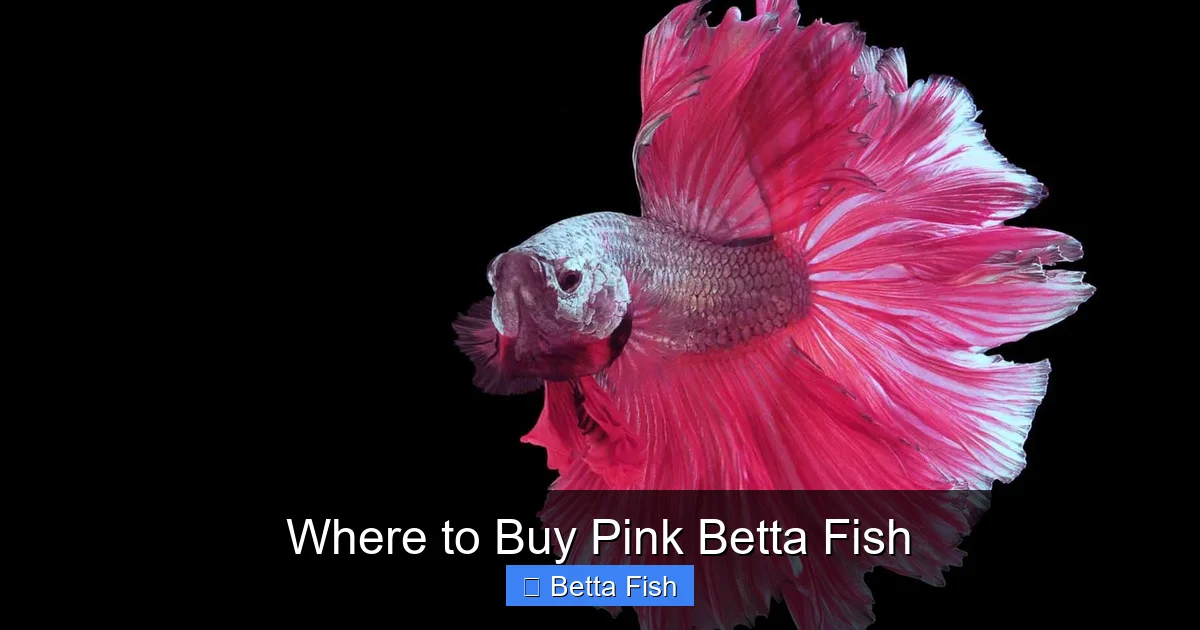
Visual guide about Where to Buy Pink Betta Fish
Image source: aquariadise.com
Why does this matter for buying? Because an unscrupulous seller might simply label a faded, stressed, or unhealthy red betta as a “pink” to move inventory. A knowledgeable breeder or store will be able to tell you the specific color variety and even show you photos of the fish’s parents. This transparency is your first clue you’re dealing with someone who cares about genetics and honest representation. When you see a pink betta fish for sale, ask questions. A good answer is a very positive sign.
The Price Tag Reflects the Journey
You’ll notice a huge price range for pink bettas, from $5 to over $100. This isn’t random. The lower end typically comes from large-scale commercial breeders or pet stores where fish are mass-produced for color and profit, often with less regard for genetic health or hardiness. The higher end comes from dedicated hobbyist breeders who invest in selective lines, superior nutrition, pristine water conditions, and meticulous husbandry. They are breeding for specific traits—in this case, a consistent, beautiful pink hue—while also maintaining overall fish health. Paying more upfront often means you’re investing in a sturdier genetic foundation and a fish that has been raised with expert care, potentially saving you from vet bills and heartbreak later. It’s a classic case of “you get what you pay for” in the aquatic world.
Your Local Options: Brick-and-Mortar Adventures
The Dedicated Local Fish Store (LFS)
This is your gold standard for in-person purchasing. A true Local Fish Store is not Pet Chain MegaStore X. It’s the family-owned shop run by enthusiasts who have been in the hobby for decades. The water in their display tanks is usually crystal clear. The staff knows the Latin names of their fish, not just the common names. They can tell you about the specific water parameters a pink betta fish needs and might even know the name of the breeder who supplied it.
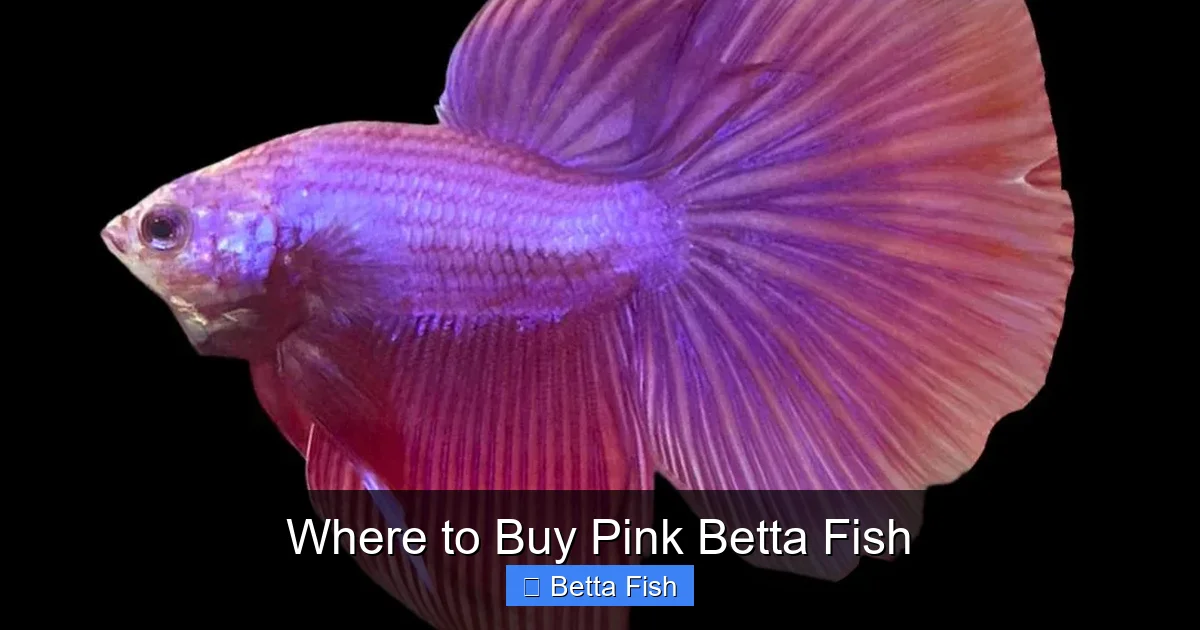
Visual guide about Where to Buy Pink Betta Fish
Image source: thailandbettafish.com
How to find one: Use Google Maps and search “aquarium shop” or “fish store.” Read reviews meticulously. Look for mentions of “clean tanks,” “healthy fish,” and “knowledgeable staff.” Once you find a candidate, visit. Take a deep breath—the store should smell like clean water, not ammonia. Look at the betta cups or tanks. Are they clean? Is the water changed frequently? Are the fish alert, with pristine fins and no white dots (ich) or fuzzy growths (fungus)? Do they have a variety of colors and fin types, including potentially a pink specimen? If the answer is yes, you’ve found a treasure. Build a relationship with the owner. They often take special orders and can source a specific color like pink from their trusted breeder network if they don’t have it in stock.
The Big-Box Pet Store: Proceed with Extreme Caution
Let’s be honest. You’ve seen the rows of tiny, colorless cups at the large pet retailers. The fish are often stressed, with shredded fins and cloudy eyes. This is the result of a supply chain focused on volume and low cost. While you *can* occasionally find a healthy betta there, the odds are stacked against you. The pink betta fish you might see is likely a pale red that has faded further from poor water conditions. These stores receive shipments of fish that have endured long, stressful transport from massive commercial farms. Their staff, while often well-meaning, usually lacks the specialized betta knowledge to provide proper advice or identify early signs of disease. If you must shop here, be a ruthless inspector. Choose the most active fish in the cleanest cup. But know that you are taking a significant gamble on the fish’s long-term health and genetic robustness. For a specialized color like pink, your chances of finding a true, vibrant example are quite low.
The Online Frontier: A World of Choice (and Risk)
Specialty Betta Breeder Websites
This is the absolute best destination for a serious aquarist seeking a specific, high-quality pink betta fish. These are small operations, often run by passionate individuals from their homes or small facilities. They breed a limited number of pairs, raising the fry with meticulous care. Their websites are filled with stunning, professional photos of their fish, detailed lineage information, and clear policies. They typically sell fish at 3-4 months of age, when their full color and finnage are developed.

Visual guide about Where to Buy Pink Betta Fish
Image source: m.media-amazon.com
How to vet them: Look for an active social media presence (Instagram, Facebook) where they post regular updates and videos of their fish—this proves they are real. Read their “About” page to understand their philosophy. Do they mention water changes, live foods like daphnia or bloodworms, and selective breeding? Check for a clear health guarantee (e.g., 14-30 day guarantee) and a detailed shipping policy that includes heat packs in winter and a “dead-on-arrival” (DOA) refund or replacement procedure. Prices will reflect the quality ($40-$150+). Communication should be prompt and knowledgeable. Ordering from a reputable online breeder might mean a higher cost and a waitlist, but it delivers the highest probability of getting a stunning, healthy, genetically-sound pink betta directly to your door.
Online Aquarium Marketplaces & Forums
Platforms like Aquabid, or the classified sections of forums such as Fishlore or The Betta Fish Forum, are bustling marketplaces where breeders and hobbyists sell fish directly. Here you can find incredible variety and sometimes negotiate price. The key here is seller reputation. On these sites, sellers have feedback ratings from thousands of transactions. Never, ever buy from a seller with less than 50 positive feedback comments, and read those comments carefully. Look for mentions of “healthy arrival,” “great communication,” and “beautiful fish.” Ask the seller for recent photos of the exact fish you’re buying (not just stock photos) and details about its last water change and feeding regimen. These platforms offer a direct line to some of the best breeders in the country, but they require you to be a savvy investigator.
General Online Retailers (Amazon, eBay, etc.)
We must address this with a stark warning. While you might see listings for “live pink betta fish” on massive e-commerce sites, this is arguably the riskiest option. The sellers are often aggregators who source from the same low-grade commercial farms that supply big-box stores. Shipping times can be unpredictable, packaging is sometimes inadequate, and there is zero accountability if the fish arrives dead or diseased. The customer service is designed for selling books, not live animals. Your pink betta would be a tiny, expendable item in a massive, impersonal logistics chain. The potential for suffering is high, and the outcome is rarely good. Our strong, unequivocal advice is to avoid these channels entirely when purchasing a live betta fish. The potential heartbreak and financial loss are not worth the minor convenience.
The Red Flag Checklist: What to Absolutely Avoid
Armed with knowledge of the good sources, you must also be an expert in spotting the bad. Your ability to say “no” is your most powerful tool. Here is a definitive list of red flags, regardless of whether you’re shopping online or down the street:
- The “Tiny Cup” Syndrome: Any seller keeping bettas in small, dirty plastic cups with no filtration or heating for more than a few days is committing animal neglect. This is the #1 sign of a low-quality operation. Betta cups are for short-term display only. Reputable sellers quarantine and house bettas in heated, filtered tanks or heated bins.
- Poor Communication: If you ask a specific question about a pink betta fish‘s health, age, or origin and get a vague, slow, or non-responsive answer, walk away. Good sellers are proud of their stock and love to talk about it.
- No Health Guarantee: A live animal sale without any guarantee is a huge red flag. At minimum, a reputable seller offers a 48-hour to 14-day guarantee against hidden diseases, with a clear process for claims (usually requiring a photo and sometimes a vet certificate).
- Unrealistic Photos: Stock photos that look too perfect, or photos that are clearly filtered to enhance color dramatically, are deceptive. You want recent, clear, unfiltered photos of the *exact* fish you’re buying, taken in good lighting.
- Extremely Low Prices: A $5 pink betta shipped to your door is almost certainly a recipe for disaster. The shipping cost alone for a safe, insulated, heat-packed package is $25-$40. If the fish price seems too low, the seller is cutting corners on everything else—the fish’s care, the packaging, or both.
- Dirty Tanks & Sick Fish: If you visit a local store and see multiple dead fish in tanks, algae-covered glass, or fish with clamped fins, lethargy, or visible sores, do not buy anything. The same water conditions that harm other fish will have compromised the bettas.
- Lack of Basic Knowledge: If the person selling you the fish doesn’t know that bettas need a heater, that they are labyrinth fish (and thus need surface access), or that they should not be kept in a tiny vase, they are not a qualified source.
Bringing Your Pink Betta Home: The First Steps
So you’ve found your perfect, ethically-sourced pink betta fish. The work isn’t over—the first few days are critical. The #1 mistake new owners make is not having the tank fully prepared before the fish arrives.
The Non-Negotiable Setup
You need a tank of at least 5 gallons. This is not a suggestion; it’s the minimum for a healthy, enriched life. It must have a gentle filter (a sponge filter is ideal) and a reliable aquarium heater set to 78-80°F (25.5-26.5°C). The water must be fully cycled—a process that takes 4-6 weeks—to establish beneficial bacteria that process toxic fish waste. Adding a betta to an uncycled tank is a slow, painful death sentence from ammonia poisoning. Use a water conditioner to dechlorinate tap water. Add smooth plants (live or silk) and hiding spots like caves or betta logs to reduce stress.
The Acclimation Process
When your fish arrives (or comes home from the store), do not just dump it in the tank. For online arrivals, float the sealed bag in the tank for 15-20 minutes to equalize temperature. Then, open the bag and slowly add small amounts of your tank water to it over the next 30 minutes. This slowly acclimates the fish to your water chemistry. Finally, use a net to gently transfer the betta to the tank, discarding the shipping water (which may be contaminated with ammonia). For a store-bought fish, you can often acclimate directly in its cup using the drip method. For the first 24-48 hours, keep the lights dim and avoid feeding. Just let it settle. A stressed pink betta might hide or clamp its fins initially—this is normal. If it persists for more than a couple of days, re-check your water parameters.
Conclusion: A Commitment to Beauty and Welfare
In the end, the search for the perfect pink betta fish is a reflection of the kind of pet owner you aspire to be. It’s about more than just acquiring a beautiful living ornament. It’s about supporting ethical breeding practices, rejecting negligent retail models, and committing to the well-being of a sentient creature. Whether you find your pink companion at a revered local fish store, through a patient online breeder, or (less ideally) at a chain retailer, your actions as a consumer send a message. Choose the path of quality, transparency, and compassion. Prepare a proper home, ask hard questions, and walk away from deals that seem too good to be true. The reward is a stunning, interactive, and healthy pink betta that will grace your living space with its elegant presence for years to come. That first glimpse of that soft pink color, glowing in the proper light of a well-maintained tank, will be all the confirmation you need that the extra effort was worth every second.
Frequently Asked Questions
Are pink betta fish rare?
True, genetically solid pink bettas are less common than reds or blues. They are a specialized color that requires specific breeding lines, so they are not typically found in mass-market pet stores but are available from dedicated breeders and high-quality local fish stores.
Why are pink bettas so expensive?
The price reflects selective breeding for a consistent color, superior genetics for health, and expert husbandry. Breeders invest significant time and resources into raising a small number of high-quality fish, which drives up the cost compared to mass-produced, lower-quality bettas.
How can I tell if a pink betta fish is healthy?
Look for clear, bright eyes; intact, flowing fins with no tears, black edges, or fraying; a body that is not emaciated or bloated; and active, curious behavior. The fish should be swimming smoothly, not listing to one side or struggling at the surface. Avoid any fish with white spots, fuzzy growths, or excessive slime coat.
Is it safe to ship a live pink betta fish?
Yes, when done by reputable, experienced breeders who use proper insulation, heat packs (in cold weather), and oxygenated bags. They ship on Mondays/Tuesdays to avoid weekend delays and include a robust live-arrival guarantee. Always review a seller’s shipping policy and guarantee carefully before ordering.
Can pink betta fish live with other fish?
Male bettas are famously solitary and aggressive toward other males. A single pink betta can often cohabitate with certain peaceful, fast-swimming, non-fluffy-finned community fish (like harlequin rasboras or corydoras catfish) in a heavily planted 20+ gallon tank, but it requires careful research and monitoring. They are never suitable for a community with long-finned or brightly colored fish that might trigger aggression.
Does a pink betta require different care than other colors?
No. The care requirements are identical regardless of color. All bettas are tropical labyrinth fish that need a heated (78-80°F), filtered tank of at least 5 gallons, a varied diet, and clean water. The color does not change their fundamental biology or environmental needs. Focus on providing excellent, species-appropriate care, and your pink betta’s color will shine.