Can a Betta Fish Get Depressed

Betta fish can show signs of stress and depression when their environment isn’t right. By recognizing behavioral clues, providing proper tank setup, and offering enrichment, you can prevent mood problems and enjoy a vibrant, active companion.
Key Takeaways
- Stress triggers are real: Poor water quality, cramped spaces, and lack of stimulation can make a betta feel depressed.
- Watch the behavior: Lethargy, faded colors, and loss of appetite are common warning signs.
- Tank size matters: A minimum of 5 gallons with filtration and heating gives a betta room to thrive.
- Enrichment is essential: Live plants, caves, and gentle water flow keep a betta mentally active.
- Routine care prevents problems: Regular water changes, proper feeding, and temperature checks reduce stress.
- Social interaction differs by gender: Male bettas are solitary, while females can live in groups if given enough space.
- Early intervention works: Spotting depression early lets you adjust the environment before health declines.
📑 Table of Contents
- Introduction: Why Betta Mood Matters
- What Does “Depressed” Mean for a Betta?
- Top Causes of Betta Depression
- Optimizing the Tank Environment
- Enrichment Activities to Boost Mood
- When to Seek Professional Help
- Special Considerations for Male vs. Female Betta
- Practical Checklist: Keeping Your Betta Happy
- Conclusion: A Happy Betta Is a Healthy Betta
Introduction: Why Betta Mood Matters
When you first bring home a betta fish, you’re probably dazzled by its brilliant fins and bold personality. Many owners think of bettas as low‑maintenance pets, but like any living creature, they have emotional needs. If those needs aren’t met, a betta can become stressed, lethargic, and even appear “depressed.” Understanding this helps you create a happier home for your finned friend.
In this article we’ll explore what depression looks like in bettas, the main causes, and practical steps you can take today. By the end, you’ll know how to spot trouble early and keep your betta swimming with confidence.
What Does “Depressed” Mean for a Betta?
Defining fish stress
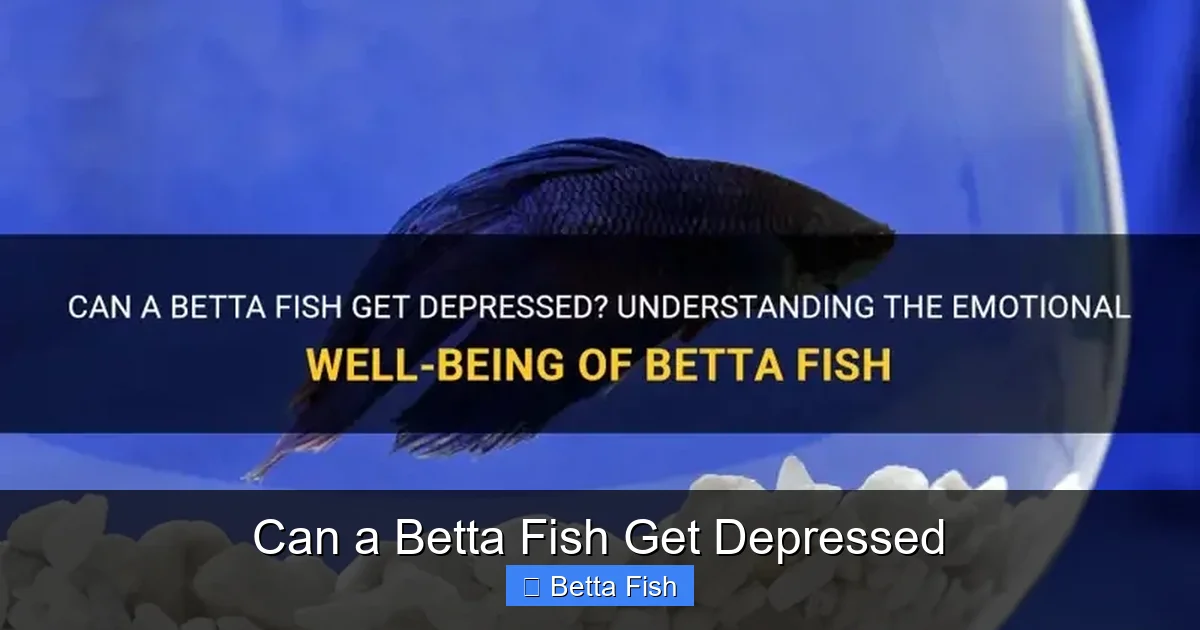
Fish don’t experience emotions exactly like humans, but they do react to unfavorable conditions. “Depression” in a betta is really a chronic state of stress that shows up as reduced activity, dull coloration, and loss of appetite. It’s the fish’s way of saying something is wrong.
Visual guide about Can a Betta Fish Get Depressed
Image source: petshun.com
Common signs to watch
- Lethargy: The betta spends most of the day at the bottom or on the tank lid, barely moving.
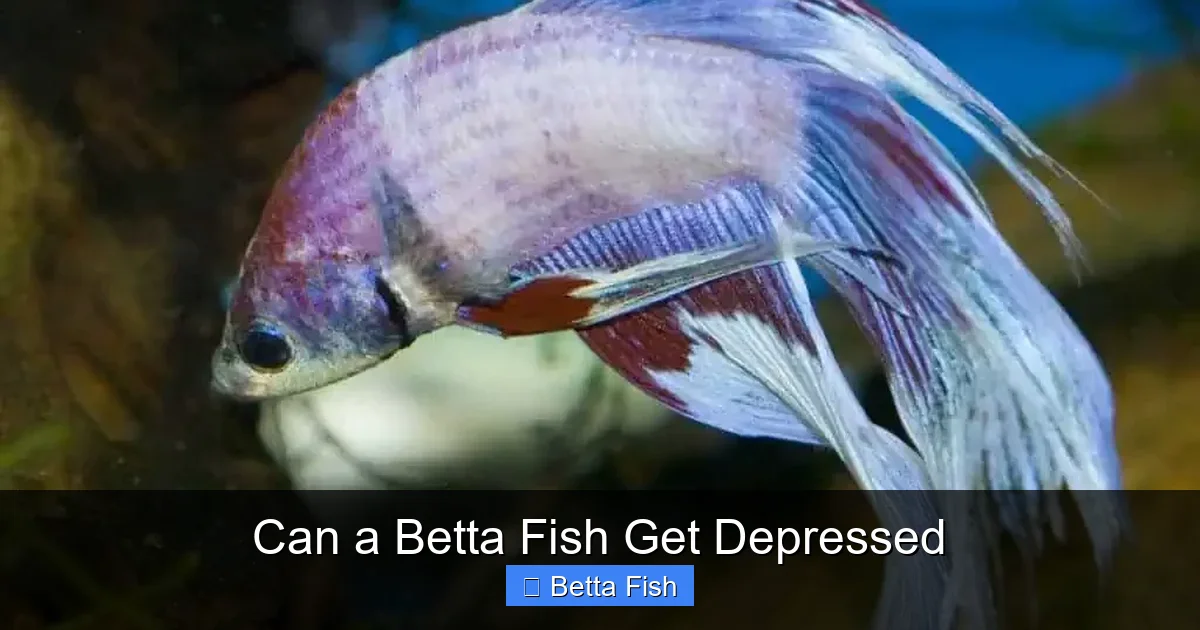
- Faded colors: Bright reds, blues, and greens become pale or washed out.
- Loss of appetite: Refuses usual foods or eats far less than normal.
- Flattened fins: Fins may appear limp, clamped, or torn.
- Erratic swimming: Swimming in circles, crashing into decorations, or staying very close to the surface.
If you notice two or more of these behaviors consistently, it’s time to investigate the tank conditions.
Top Causes of Betta Depression
Poor water quality
Betta fish are sensitive to ammonia, nitrite, and pH swings. A dirty tank raises stress hormones, leading to the symptoms above. Test your water weekly and aim for ammonia = 0 ppm, nitrite = 0 ppm, nitrate < 20 ppm, and pH = 6.5‑7.5.
Visual guide about Can a Betta Fish Get Depressed
Image source: bettasource.com
Inadequate tank size
Many beginners keep bettas in tiny bowls. While bettas can survive in small volumes, they thrive in at least a 5‑gallon tank with a gentle filter. A larger space reduces territorial stress and gives room for swimming.
Lack of enrichment
Betas are curious hunters. Without plants, caves, or floating toys, they become bored. Boredom can manifest as the “depressed” list we described.
Improper temperature
Betas are tropical fish that need water between 76‑82 °F (24‑28 °C). Temperatures outside this range slow metabolism and cause lethargy.
Social stress
Male bettas are solitary and will fight if housed with other males. Female bettas can live in groups, but only if the tank is large enough and provides hiding spots. Mixing incompatible species can also raise stress levels.
Optimizing the Tank Environment
Choosing the right tank
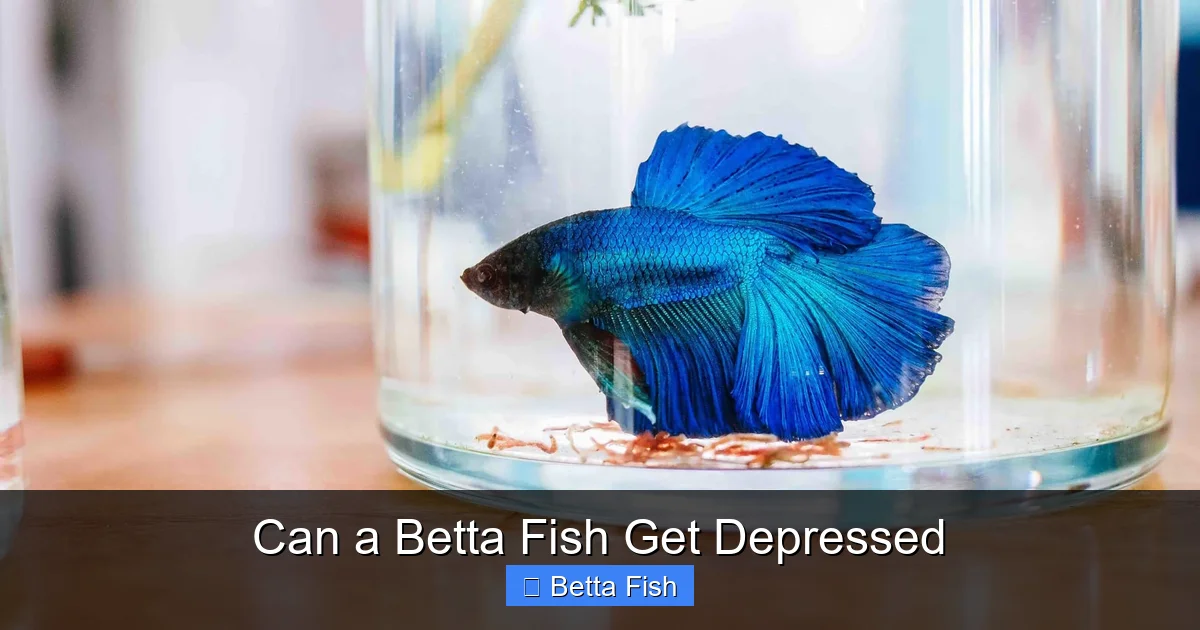
Start with a 5‑gallon acrylic or glass tank. Add a sponge filter that provides gentle water movement without creating strong currents that can tire a betta.
Visual guide about Can a Betta Fish Get Depressed
Image source: articles.hepper.com
For more details on tank size, see our guide on Can You Keep Betta Fish In A Bowl – it explains why a proper aquarium is healthier than a bowl.
Setting up the substrate and décor
- Use a fine, inert substrate like sand or smooth gravel.
- Include live or silk plants. They give hiding places and help maintain water quality.
- Provide a few caves or PVC pipes for the betta to explore.
Maintaining water parameters
Perform 25‑30% water changes weekly. Use a water conditioner to remove chlorine and chloramines. Keep a thermometer in the tank and a heater set to 78 °F (25.5 °C).
Feeding for mental health
Offer a varied diet: high‑quality betta pellets, frozen or live brine shrimp, and occasional daphnia. Variety stimulates natural hunting behavior and keeps the fish engaged.
Enrichment Activities to Boost Mood
Interactive feeding
Use a feeding wand or drop food near the surface. This encourages the betta to chase and capture food, mimicking wild hunting.
Mirror play (with caution)
Placing a small mirror for a few minutes each day can provide mental stimulation. Limit sessions to 5‑10 minutes to avoid excessive aggression.
Changing the view
Rotate décor items or rearrange plants every few weeks. A fresh environment prevents boredom.
When to Seek Professional Help
Signs of illness vs. depression
Some symptoms overlap with disease (e.g., fin rot, ich). If you see white spots, fuzzy growths, or rapid weight loss, consult a vet or an experienced hobbyist.
Quarantine new fish
Always quarantine new bettas for at least two weeks before adding them to an established tank. This prevents the introduction of pathogens that could stress your resident fish.
Special Considerations for Male vs. Female Betta
Male bettas
Males are solitary and should be kept alone. Attempting to house two males together usually ends in fighting, which is a major stressor. If you want a community tank, keep the male alone and choose compatible tank mates such as snails or small, non‑aggressive fish.
Female bettas
Females can live in groups called “sororities” if the tank is at least 10 gallons and includes plenty of hiding spots. This social setting can actually reduce stress for females.
For more on housing multiple bettas, read Can You Have Multiple Betta Fish In A Tank.
Practical Checklist: Keeping Your Betta Happy
- ✅ Use a minimum 5‑gallon tank with a gentle filter.
- ✅ Maintain temperature at 78 °F (25.5 °C) with a reliable heater.
- ✅ Test water weekly; keep ammonia and nitrite at 0 ppm.
- ✅ Perform 25‑30% water changes each week.
- ✅ Provide live plants or silk foliage and at least one hiding cave.
- ✅ Feed a varied diet 2‑3 times daily, removing excess food.
- ✅ Offer enrichment: wand feeding, short mirror sessions, décor rotation.
- ✅ Monitor behavior daily for signs of stress or illness.
Conclusion: A Happy Betta Is a Healthy Betta
Betta fish can indeed show signs that resemble depression, but the good news is that most problems are preventable. By paying attention to water quality, tank size, temperature, and enrichment, you create a low‑stress environment where your betta can flourish. Remember to watch for subtle changes in color, appetite, and activity—those are the early alarms that guide you to act quickly.
With the right care, your betta will reward you with vibrant colors, graceful fins, and a lively personality that makes every glance at the tank a joy. Keep the checklist handy, stay curious, and enjoy the rewarding experience of a happy, thriving betta.
Frequently Asked Questions
Can a betta fish get depressed?
Yes. While fish don’t feel emotions exactly like humans, bettas can experience chronic stress that appears as lethargy, faded colors, and loss of appetite—signs commonly described as depression.
What are the first signs that my betta is stressed?
Typical early signs include reduced swimming, staying close to the surface or bottom, dulling of bright colors, and a noticeable drop in feeding activity.
How often should I change the water to prevent stress?
Replace 25‑30% of the tank water weekly. If you notice ammonia or nitrite spikes, increase the frequency until the parameters stabilize.
Can I keep my betta with other fish?
Male bettas should be housed alone, but females can live with peaceful species if the tank is large enough. For detailed options, see What Fish Can Go With A Betta Fish.
Do I need a filter for a betta tank?
A gentle sponge filter is recommended. It keeps the water clean without creating a strong current that can tire a betta.
Is a bowl ever okay for a betta?
A bowl can survive a betta short‑term, but it lacks filtration, heating, and space, leading to stress. A proper aquarium is the healthiest choice—read more at Can You Keep Betta Fish In A Bowl.