Why Are Small Fish Farms Better
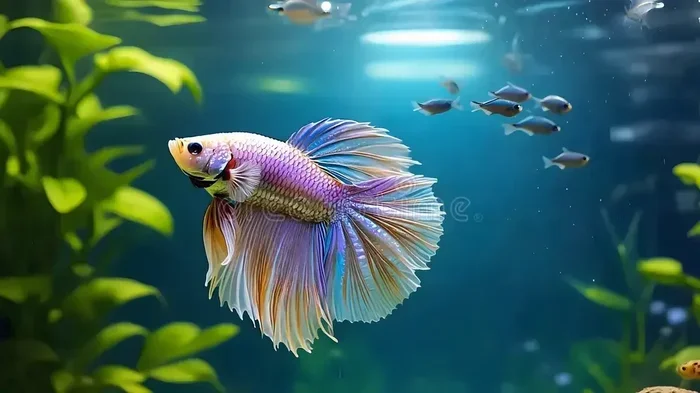
Small fish farms offer healthier betta fish, lower costs, and a lighter environmental footprint. By focusing on manageable scale, they provide better water quality, easier disease control, and more personalized care. Choosing a small farm means happier fish and a happier hobbyist.
Key Takeaways
- Improved water quality: Smaller systems are easier to monitor and maintain, keeping ammonia and nitrite levels low.
- Reduced disease risk: Limited stock numbers mean fewer pathogens and quicker quarantine.
- Cost‑effective operation: Less water, energy, and feed are required, saving money for hobbyists.
- Environmental sustainability: Small farms use fewer resources and produce less waste.
- Better fish welfare: Individual attention leads to healthier, more vibrant bettas.
- Scalable for beginners: New hobbyists can start small and expand as they gain confidence.
- Local community support: Small farms often sell directly to local pet stores, keeping money in the community.
📑 Table of Contents
- Introduction: The Rise of Small‑Scale Fish Farming
- 1. Superior Water Quality Management
- 2. Healthier Fish Through Better Disease Control
- 3. Cost‑Effective Operations for Hobbyists
- 4. Environmental Benefits of Going Small
- 5. Enhanced Fish Welfare and Aesthetic Appeal
- 6. Easy Entry Point for New Breeders
- Practical Tips for Starting Your Own Small Fish Farm
- Conclusion: Small Farms, Big Benefits
Introduction: The Rise of Small‑Scale Fish Farming
When you walk into a pet store and see a row of bright, flowing bettas, you might assume they all come from massive commercial operations. In reality, many of the healthiest specimens are raised on small fish farms. These modest operations have been gaining attention because they combine the charm of hobbyist care with the efficiency of a professional setup.
So, why are small fish farms better for betta enthusiasts and the planet? The answer lies in the balance between control and sustainability. By keeping the scale limited, farmers can fine‑tune water parameters, spot health problems early, and use resources wisely. Below, we break down the core reasons that make small fish farms a winning choice.
1. Superior Water Quality Management
Easy Monitoring and Quick Adjustments
Water is the lifeblood of any fish farm. In a small system, a single test kit can cover the entire volume, allowing owners to check pH, hardness, ammonia, nitrite, and nitrate levels several times a day. When a spike occurs, the corrective action—whether a partial water change or a dose of a biological conditioner—affects the whole tank instantly.

Visual guide about Why Are Small Fish Farms Better
Image source: 1.bp.blogspot.com
Lower Stock Density Means Cleaner Water
Large farms often keep thousands of fish in a single loop, which creates a constant buildup of waste. Small farms typically raise no more than a few dozen bettas per system, dramatically reducing the organic load. Less waste translates to clearer water, stronger gill function, and brighter colors.
2. Healthier Fish Through Better Disease Control
Quarantine Becomes Practical
When a new betta arrives, a small farm can set aside a single quarantine tank. This isolation prevents any potential pathogen from spreading to the main stock. In big operations, quarantine rooms are costly and often under‑utilized, leading to shortcuts that increase disease risk.
Visual guide about Why Are Small Fish Farms Better
Image source: image3.slideserve.com
Early Detection and Targeted Treatment
Because each tank holds only a few fish, any change in behavior—loss of appetite, faded fins, or unusual swimming—stands out immediately. Farmers can treat the problem with precision, using medication only where needed and avoiding blanket treatments that may harm beneficial bacteria.
3. Cost‑Effective Operations for Hobbyists
Reduced Water and Energy Bills
Running a 500‑gallon recirculating system consumes a lot of electricity for pumps, heaters, and lighting. A small farm might operate with a 20‑gallon tank, a low‑wattage LED, and a modest heater. The difference in monthly utility costs can be as much as 70 %.

Visual guide about Why Are Small Fish Farms Better
Image source: blogger.googleusercontent.com
Less Feed, More Savings
Bettas are tiny eaters. A small farm uses just a few grams of high‑quality protein per day, while large farms waste kilograms in excess feed that falls to the bottom and decomposes, further polluting the water.
4. Environmental Benefits of Going Small
Lower Carbon Footprint
Transportation is a hidden cost of large‑scale production. Fish raised locally on small farms travel fewer miles to reach pet stores, cutting fuel use and emissions. In addition, smaller tanks need less plastic or glass, reducing manufacturing waste.
Minimal Water Discharge
When water is changed, the outflow from a large system can contain high levels of nitrates and phosphates, which may enter municipal wastewater. Small farms change only a fraction of their water at a time, keeping the discharge low and easier to treat.
5. Enhanced Fish Welfare and Aesthetic Appeal
Personalized Care Leads to Vibrant Bettas
When a farmer knows each fish by name, they can tailor diet, temperature, and enrichment to the individual’s needs. This attention results in stronger immune systems, richer coloration, and more elaborate fin displays—traits that buyers love.
Reduced Stress Improves Longevity
Stress hormones rise in overcrowded conditions. Small farms give bettas room to flare their fins, build bubble nests, and explore. A less stressed fish lives longer and is more likely to breed successfully, supporting sustainable hobby practices.
6. Easy Entry Point for New Breeders
Scalable Learning Curve
Starting a fish farm can feel daunting. A small setup requires only basic equipment—tank, filter, heater, and a test kit. As confidence grows, the breeder can add more tanks or upgrade to a modest recirculating system. This step‑by‑step approach reduces risk and financial pressure.
Community Support and Knowledge Sharing
Many small farms are run by passionate hobbyists who share tips on forums, social media, and local clubs. Their openness creates a supportive network that big corporations rarely provide. For example, learning why betta fish are kept in small containers can help you design a better tank for your own breeding project.
Practical Tips for Starting Your Own Small Fish Farm
- Choose the right tank size: A 20‑ to 30‑gallon tank is ideal for a starter farm. It offers enough water volume for stability while staying manageable.
- Invest in reliable filtration: A gentle sponge filter works well for bettas, providing biological filtration without strong currents.
- Maintain a consistent temperature: Keep the water between 78‑80 °F (25‑27 °C) using an adjustable heater.
- Test water daily: A simple liquid test kit will alert you to ammonia spikes before they become dangerous.
- Implement a quarantine protocol: Isolate new arrivals for at least two weeks and observe for signs of illness.
- Feed high‑quality live or frozen foods: Brine shrimp and bloodworms promote natural hunting behavior and vibrant colors.
Conclusion: Small Farms, Big Benefits
When you ask yourself why are small fish farms better, the answer is clear: they provide a healthier environment for bettas, lower operational costs, and a gentler impact on the planet. Whether you are a seasoned breeder or a curious newcomer, starting small lets you learn the ropes, enjoy beautiful fish, and support sustainable practices. Embrace the advantages of scale, and watch your bettas thrive like never before.
Frequently Asked Questions
What makes water quality easier to manage on a small fish farm?
Because the water volume is low, test results reflect the entire system, allowing quick adjustments and preventing toxic spikes.
Can small farms prevent disease better than large operations?
Yes. Fewer fish mean lower pathogen load, and quarantine tanks are practical, making early detection and targeted treatment possible.
Are small fish farms more affordable for hobbyists?
Absolutely. They use less water, electricity, and feed, which cuts monthly expenses dramatically.
Do small farms have a lower environmental impact?
They do. Reduced transportation, lower water discharge, and smaller resource use all contribute to a greener footprint.
How can a beginner start a small betta farm?
Begin with a 20‑gallon tank, a gentle filter, a reliable heater, and a daily testing routine. Add quarantine procedures as you grow.
Is personal attention really that important for betta health?
Yes. Individualized care leads to stronger immunity, brighter colors, and longer lives, which benefits both the fish and the breeder.