How to Prevent Betta Fish Fin Rot
Preventing betta fish fin rot starts with clean water, proper tank conditions, and a healthy diet. This guide walks you through every step you need to take to protect your betta from this common disease. You will learn how to spot early warning signs, set up the right environment, and make small daily habits that keep your fish safe and thriving.
Betta fish are beautiful, vibrant creatures that bring life to any room. But one common problem can ruin their stunning fins and threaten their health: betta fish fin rot. If you have ever noticed your betta’s fins looking ragged, discolored, or slowly dissolving, you may be dealing with this condition. The good news is that fin rot prevention is entirely possible with the right knowledge and a few simple habits.
Fin rot is caused by bacteria that thrive in dirty water and stressed fish. It is one of the most common diseases betta fish face, especially for beginners. But here is the truth: preventing betta fish fin rot does not require expensive equipment or advanced skills. It just takes consistent care and a little attention to detail.
In this guide, you will learn exactly how to protect your betta from fin rot. We will cover water quality, tank setup, diet, stress reduction, and early detection. By the end, you will have a clear action plan to keep your betta’s fins healthy and flowing beautifully for years to come.
Key Takeaways
- Clean water is the #1 defense: Regular water changes and proper filtration stop bacteria that cause fin rot.
- Watch for early signs: Frayed fins, discoloration, and lethargy are the first clues that something is wrong.
- Tank temperature matters: Keeping the water warm and stable boosts your betta’s immune system and helps it fight off infection.
- Diet plays a big role: A balanced diet with high-quality food strengthens your betta from the inside out.
- Avoid overcrowding and stress: A calm, clean tank environment prevents the conditions that allow fin rot to thrive.
- Act fast if you see symptoms: Early intervention with simple remedies can stop fin rot before it spreads.
- Prevention is always easier than treatment: A few daily habits save your betta from pain and save you time and money.
📑 Table of Contents
- Understanding Betta Fish Fin Rot
- Maintain Clean Water Quality
- Set Up the Right Tank Environment
- Feed a Proper Diet to Boost Immunity
- Reduce Stress to Strengthen Your Betta
- Spot Early Warning Signs and Act Fast
- Quick Tips for Daily Betta Care
- Common Mistakes That Lead to Fin Rot
- Expert Insight: Why Prevention Beats Treatment
- Conclusion
Understanding Betta Fish Fin Rot
Before you can prevent something, you need to understand what it is. Betta fish fin rot is a bacterial or fungal infection that eats away at the fins and tail. It starts small but can quickly worsen if left unchecked. The bacteria responsible are usually always present in aquarium water, but they only cause problems when conditions allow them to multiply.
The main culprits are gram-negative bacteria like Columnaris and Aeromonas. These organisms are opportunistic. They wait for a weakened fish or dirty water before attacking. This is why fin rot prevention focuses so heavily on environment and fish health rather than just treating symptoms.
What Causes Fin Rot in Betta Fish?
Several factors come together to create the perfect storm for fin rot. Understanding these causes helps you target your prevention efforts.
- Poor water quality: Ammonia and nitrite buildup in the tank damages fins and suppresses the immune system.
- Cold water temperatures: Betta fish are tropical. Cold water slows their metabolism and makes them vulnerable to infection.
- Overcrowded tanks: Too many fish creates stress and waste, which spikes ammonia levels.
- Physical damage: Sharp decorations or rough handling can tear fins, giving bacteria an entry point.
- Poor diet: A weak immune system cannot fight off bacteria effectively.
- Old or sick fish: Aging bettas and those already stressed from other illnesses are more susceptible.
When these factors combine, bacteria begin to eat the delicate fin tissue. The edges turn white, then brown or black. Fins start to look ragged and may slowly recede. This is why how to prevent betta fish fin rot starts with controlling these root causes.
Maintain Clean Water Quality
The single most important thing you can do to prevent betta fish fin rot is keep the water clean. Bacteria that cause fin rot multiply rapidly in dirty water. Clean water means fewer bacteria and a healthier fish.
Perform Regular Water Changes
You should change 25 to 30 percent of the tank water every week. This removes waste, excess food, and harmful chemicals before they build up to dangerous levels. Use a gravel vacuum to clean the substrate at the same time. Uneaten food and fish waste trapped in the gravel are breeding grounds for bacteria.
Always use dechlorinated water that matches the tank temperature. Sudden temperature drops stress your betta and weaken its defenses. Make the water change a gentle, calm process.
Test Your Water Parameters Regularly
Invest in a simple liquid test kit for ammonia, nitrite, nitrate, and pH. You cannot see these chemicals, but they affect your fish every day. The ideal parameters for betta fish are:
- Ammonia: 0 ppm
- Nitrite: 0 ppm
- Nitrate: Below 20 ppm
- pH: 6.5 to 7.5
Testing once a week takes only a few minutes. It gives you early warning if something is going wrong. If ammonia or nitrite spikes, do a larger water change immediately. This alone can prevent many cases of fin rot before they start.
Use a Proper Filter
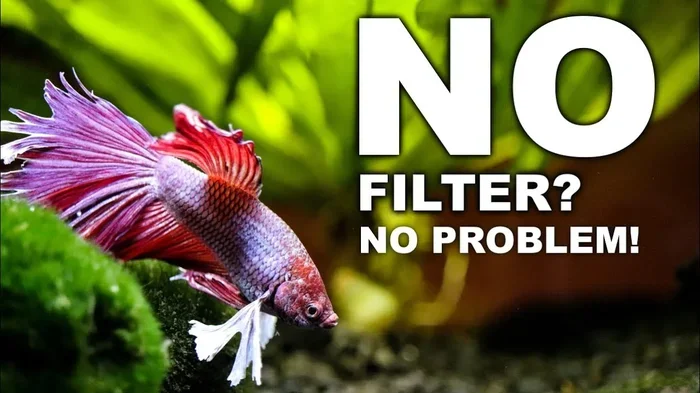
Your betta tank needs a filter, but the current should be gentle. Bettas are slow swimmers and strong flows can stress them. Choose a filter with adjustable flow or sponge filter. The filter removes harmful chemicals and houses beneficial bacteria that break down waste.
Rinse filter media in old tank water once a month. Never use tap water, because chlorine kills the good bacteria you need. A well-maintained filter is one of your best tools for fin rot prevention.
Set Up the Right Tank Environment
A proper tank setup goes a long way toward keeping your betta healthy. The environment directly affects stress levels, immune function, and overall well-being. Let us look at the key elements.
Choose the Right Tank Size
Many people keep bettas in tiny bowls, but this is a mistake. A tank of at least 5 gallons gives your betta room to swim and helps stabilize water parameters. Small bowls fluctuate in temperature and chemistry much faster, which stresses the fish and invites disease.
If you are serious about preventing betta fish fin rot, give your fish adequate space. A 5-gallon tank is the minimum. A 10-gallon tank is even better, especially if you plan to keep other peaceful species.
Keep the Water Warm and Stable
Betta fish need warm water between 78 and 80 degrees Fahrenheit. Cold water weakens their immune system and slows their ability to fight infections. Use a reliable aquarium heater with a thermostat to maintain a steady temperature.
Avoid placing the tank near windows, doors, or vents. Drafts and direct sunlight cause temperature swings that stress your fish. If you want to learn more about maintaining warmth, check out our guide on how to make your betta fish tank warmer for practical tips.
Add Plants and Hideouts
Live or silk plants give your betta places to rest and explore. They also help absorb nitrates, which improves water quality. Avoid sharp plastic decorations that can tear fins. Smooth rocks and gentle caves create a natural, stress-free environment.
A planted tank also encourages beneficial bacteria growth, which helps break down waste. This creates a more balanced ecosystem that naturally resists disease. When your betta feels safe and comfortable, its immune system works better.
Feed a Proper Diet to Boost Immunity
What you feed your betta directly impacts its ability to fight off infections. A strong immune system is your fish’s best defense against betta fish fin rot. Feeding the right food in the right amounts makes a real difference.
Choose High-Quality Betta Food
Look for pellet or freeze-dried foods that list fish or shrimp as the first ingredient. Avoid cheap flakes filled with fillers and artificial colors. High-quality food provides the protein, vitamins, and nutrients your betta needs to stay healthy.
Variety is also important. Rotate between pellets, frozen bloodworms, brine shrimp, and daphnia. This gives your betta a balanced nutritional profile. A well-fed fish has a stronger immune response and heals faster if injured.
Feed in Small Amounts
Overfeeding is one of the most common mistakes new betta owners make. Uneaten food decays in the water, spiking ammonia levels. Feed your betta 2 to 3 pellets twice a day. Remove any uneaten food after five minutes.
Some owners fast their bettas for one day per week. This helps prevent constipation and gives the digestive system a rest. A clean gut contributes to overall health and supports the body’s natural defenses against bacterial infections.
Reduce Stress to Strengthen Your Betta
Stress is a silent killer for betta fish. When a fish is stressed, its immune system weakens, making it an easy target for bacteria that cause fin rot. Reducing stress should be a core part of your fin rot prevention strategy.
Avoid Aggressive Tank Mates
Betta fish are called Siamese fighting fish for a reason. They are territorial and can become aggressive toward similar-looking fish. Avoid keeping other bettas, colorful fish, or fin-nipping species in the same tank. A peaceful, solitary setup is often the safest choice.
If you do want tank mates, choose small, calm species like corydoras or kuhli loaches. Always research compatibility before adding any new fish. A stressed betta is a sick betta.
Handle Your Betta Gently
Never chase your betta around the tank or grab it with nets unnecessarily. Use a soft mesh net when transferring, and move slowly and calmly around the tank. Loud noises and sudden vibrations can startle your fish and trigger stress responses.
If you need to move your betta, do it gently and quickly. Netting should be smooth and careful. Rough handling tears fins and creates open wounds where bacteria can enter. This is a direct path to betta fish fin rot.
Watch for Signs of Stress
Learn to recognize early stress signals. Clamped fins, rapid breathing, hiding constantly, loss of appetite, and faded colors all indicate something is wrong. Address the cause quickly. Check water parameters, temperature, and tank conditions. Fixing problems early prevents them from escalating into disease.
If your betta is already stressed from another issue, take steps to support its recovery. A clean environment, warm water, and a nutritious diet help it bounce back. You can also explore ways to make your betta fish stronger through targeted care and environmental improvements.
Spot Early Warning Signs and Act Fast
Even with the best prevention, problems can still arise. The key is catching them early. The faster you act, the better the outcome for your betta.
Know the Early Symptoms of Fin Rot
Look closely at your betta’s fins every day during feeding time. Early signs include:
- Frayed or ragged edges on the fins
- White or brown tips that look like they are dissolving
- Fin rays becoming transparent or weak
- Redness or inflammation at the base of the fins
- Lethargy or spending more time at the bottom of the tank
- Loss of appetite or refusing food
Catching these signs early gives you a head start on treatment. You can often reverse mild fin rot by improving water quality and adding aquarium salt. For more detailed guidance on fixing fin rot once it appears, visit our article on how to fix fin rot on betta fish.
What to Do If You Notice Fin Rot
If you see early signs, take immediate action. Start with a 25 percent water change and check all parameters. Add aquarium salt at the rate of 1 teaspoon per 5 gallons. Salt creates a hostile environment for bacteria while being safe for your betta.
Remove any sharp decorations that might be damaging fins. If the condition does not improve within a few days, consider a mild antibacterial treatment. Always follow dosage instructions carefully. For more information on treatment options, see our guide on how to cure fin rot in betta fish.
In severe cases where fins have significantly rotted away, your betta may need stronger medication. Consult a fish veterinarian or experienced aquarist. But remember, prevention is always better and easier than treatment.
Quick Tips for Daily Betta Care
Building small habits into your daily routine makes prevention effortless. Here is a quick checklist you can follow every day:
- Feed your betta the right amount and remove uneaten food after five minutes.
- Observe your fish for any changes in behavior, color, or fin appearance.
- Check the heater to make sure the temperature stays stable between 78 and 80 degrees Fahrenheit.
- Look for debris on the substrate and remove any uneaten food or waste.
- Run your filter and make sure water flow is gentle and consistent.
- Enjoy watching your betta and note anything that seems different from normal.
These six simple steps take less than five minutes a day. They add up to a huge difference over time. Consistent daily care is the foundation of betta fish fin rot prevention.
Common Mistakes That Lead to Fin Rot
Many betta owners accidentally create conditions that invite fin rot. Avoiding these common mistakes saves your fish from unnecessary suffering.
- Skipping water changes: Even if the water looks clear, harmful chemicals build up invisibly.
- Overfeeding: Excess food decays and spikes ammonia within hours.
- Using untreated tap water: Chlorine and chloramine in tap water damage fins and kill beneficial bacteria.
- Keeping the tank in a cold room: Bettas need warm, tropical temperatures to stay healthy.
- Adding too many decorations: Sharp or rough items can tear fins and create infection points.
- Ignoring early symptoms: Waiting too long to act allows fin rot to progress and become harder to treat.
If you are currently dealing with fin rot or want to be prepared, learn how to regrow betta fish fins so you know what to expect during recovery. Prevention keeps your betta from ever having to go through that process.
Expert Insight: Why Prevention Beats Treatment
Experienced aquarists always say the same thing: an ounce of prevention is worth a pound of cure. Treating fin rot takes time, effort, and often medication. Your fish suffers during the process, and there is no guarantee of full recovery. Severe fin rot can permanently damage fins or even be fatal.
On the other hand, prevention costs nothing more than a few minutes of daily care. Clean water, proper temperature, good food, and a stress-free environment are all free. They just require consistency. The payoff is a healthy, vibrant betta with beautiful flowing fins that you can enjoy for 3 to 5 years or longer.
Think of fin rot prevention like brushing your teeth. A few minutes each day saves you from painful, expensive problems later. Your betta fish will thank you with bright colors, active behavior, and stunning fins.
Conclusion
Betta fish fin rot is a common but entirely preventable disease. By focusing on clean water, proper tank conditions, a nutritious diet, and stress reduction, you create an environment where your betta can thrive. The steps are simple, but they must be consistent.
Remember to test your water weekly, perform regular water changes, feed quality food in the right amounts, and watch for early warning signs every day. These habits form the backbone of fin rot prevention and good betta care in general.
Your betta fish depends on you for its health and happiness. The effort you put into prevention today means more vibrant colors, more active swimming, and more beautiful fins tomorrow. Start these habits now, and your betta will reward you with years of joy and companionship.
Frequently Asked Questions
What are the first signs of fin rot in betta fish?
The first signs include frayed or ragged fin edges, white or brown discoloration at the tips, and fins that appear to be slowly dissolving. Your betta may also become less active and lose interest in food. Catching these early signs gives you the best chance to stop fin rot before it worsens.
Can fin rot heal on its own if I improve water quality?
Mild cases of fin rot can improve with better water quality alone. Regular water changes, stable temperature, and clean parameters help your betta’s immune system fight the infection naturally. However, you should still monitor your fish closely and be ready to take further action if the condition does not improve.
How often should I clean my betta tank to prevent fin rot?
You should perform a 25 to 30 percent water change every week. This removes waste, excess food, and harmful chemicals before they reach dangerous levels. You should also rinse filter media monthly in old tank water and vacuum the gravel during each water change.
Does aquarium salt really help prevent fin rot?
Yes, aquarium salt creates a mildly hostile environment for bacteria while being safe for betta fish at proper doses. Adding one teaspoon per 5 gallons can help prevent bacterial infections and support fin health. It is a simple, affordable tool that every betta owner should have in their care routine.
Can stress cause fin rot in betta fish?
Absolutely. Stress weakens the immune system and makes your betta vulnerable to infections. Overcrowded tanks, aggressive tank mates, cold water, and rough handling all contribute to stress. Reducing stressors in your betta’s environment is one of the most effective ways to prevent fin rot.
Is fin rot contagious to other fish in the tank?
Fin rot is caused by bacteria that are naturally present in most aquariums. It is not directly contagious like a virus, but other fish in the same dirty water can also become infected if conditions are poor. Keeping water clean and maintaining good tank hygiene protects all fish in the aquarium from bacterial infections.