How to Prevent Betta Fish from Dying
Knowing how to prevent betta fish from dying starts with understanding their basic needs. Poor water quality, wrong tank conditions, and improper feeding are the top killers of betta fish. This guide covers actionable steps you can take today to keep your betta healthy and thriving for years.
Key Takeaways
- Water quality is everything: Regular water changes and proper cycling prevent deadly ammonia and nitrite spikes.
- Tank setup matters: A heated, filtered tank of at least 5 gallons gives your betta the best chance at survival.
- Feeding habits directly impact health: Overfeeding causes bloating, constipation, and poor water quality.
- Early detection saves lives: Recognizing stress signs and disease symptoms early gives you time to act.
- Consistent care beats reactive treatment: A steady maintenance routine prevents most common betta fish problems.
- Environment affects behavior: Stress from poor conditions weakens the immune system and leads to illness.
📑 Table of Contents
Why Betta Fish Die and How to Stop It
Betta fish are beautiful, resilient creatures. But they are not invincible. Many betta fish die within weeks or months of being brought home. The sad truth is that most of these deaths are preventable. If you understand what goes wrong, you can make sure your fish lives a long and happy life.
Learning how to prevent betta fish from dying is not complicated. It comes down to a few core principles. Keep the water clean. Maintain stable conditions. Feed properly. Watch for warning signs. When you master these basics, your betta fish will thrive.
Betta fish originated in the warm, slow-moving waters of Southeast Asia. They evolved to survive in challenging environments. But your home aquarium is a completely different world. It depends entirely on you to recreate safe, stable conditions. When you do that right, your betta can live 3 to 5 years or even longer.
The most common reasons betta fish die include poor water quality, incorrect temperatures, overfeeding, stress, and untreated diseases. Each of these factors is something you can control. Let us walk through them one by one so you know exactly what to do.
Set Up the Right Tank Environment
The single biggest mistake new betta owners make is keeping their fish in too small a container. A tiny bowl might look cute, but it creates a toxic environment fast. Your betta needs space to swim and stable water conditions.
Choose the Right Tank Size
Aim for at least a 5-gallon tank. This is the minimum for a single betta fish. A larger tank, like 10 gallons, gives you even more stability. Bigger water volumes dilute toxins and keep parameters more consistent. Small bowls and cups cause rapid swings in water chemistry. These swings stress your fish and weaken its immune system.
Your tank should also have a lid. Betta fish are jumpers. They can leap out of open tanks and die from exposure or injury. A simple lid with some space for air exchange keeps your fish safe.
Add a Heater and Filter
Betta fish need warm water. The ideal temperature range is 76 to 82 degrees Fahrenheit. Without a heater, room temperature water is usually too cold. Cold water slows down your betta’s metabolism. This leads to lethargy, loss of appetite, and eventually organ failure.
A gentle filter is also essential. Betta fish do not like strong currents. Choose a filter with an adjustable flow or add a sponge pre-filter to reduce the output. The filter removes harmful waste and houses beneficial bacteria that break down toxins.
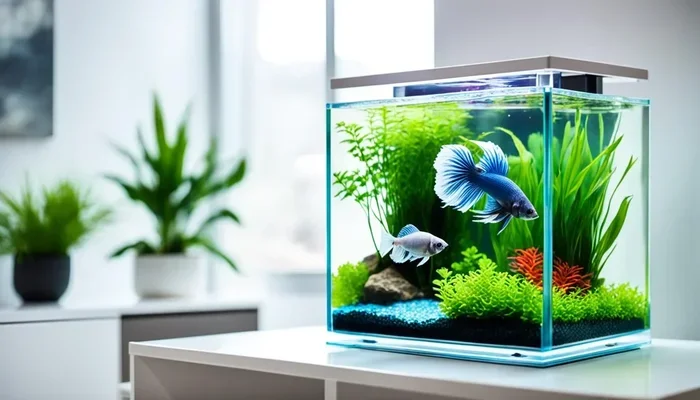
Together, a heater and filter create the foundation of a healthy habitat. If you are still learning how to set up a fish tank for betta fish, start with these two pieces of equipment. They make the biggest difference in your fish’s quality of life.
Maintain Excellent Water Quality
Water quality is the number one factor in betta fish health. Dirty water contains ammonia and nitrite, both of which are toxic even in small amounts. In a properly cycled tank, beneficial bacteria convert these harmful substances into less toxic nitrate. But cycling takes time, and maintenance is ongoing.
Cycle Your Tank Before Adding Your Betta
Tank cycling is the process of building up beneficial bacteria colonies. This typically takes 4 to 6 weeks. During cycling, you add a source of ammonia and let bacteria process it. Testing the water with a liquid test kit lets you track the progress. Once you see zero ammonia, zero nitrite, and some nitrate, your tank is ready.
Never add a betta fish to an uncycled tank. The ammonia spike that follows will damage the gills and organs. Many fish die within days of being placed in a new, uncycled aquarium. Patience during the cycling phase pays off enormously.
Perform Regular Water Changes
Even in a cycled tank, nitrate builds up over time. The best way to remove it is through regular water changes. Aim for a 25 to 30 percent water change every week. Use a gravel vacuum to clean the substrate at the same time.
Always treat new water with a water conditioner before adding it to the tank. Tap water contains chlorine and chloramine, which are deadly to fish. A good conditioner neutralizes these chemicals instantly. If you are unsure about the process, check out this guide on how to use tap water conditioner for betta fish for step-by-step instructions.
Test Your Water Parameters Regularly
A liquid test kit is far more accurate than test strips. Test your water at least once a week for ammonia, nitrite, nitrate, and pH. The ideal parameters for betta fish are:
- Ammonia: 0 ppm
- Nitrite: 0 ppm
- Nitrate: Below 20 ppm
- pH: 6.5 to 7.5
- Temperature: 76 to 82 degrees Fahrenheit
When you catch a parameter spike early, you can fix it before it becomes dangerous. This is one of the most powerful tools in your fight to prevent betta fish from dying.
Feed Your Betta Properly
Feeding seems simple, but it is one of the most common causes of betta fish death. Overfeeding is extremely easy to do, and the consequences are serious. Excess food rots in the tank, fouling the water. Undigested food sits in the fish’s stomach, causing bloating and constipation.
How Much and How Often to Feed
Feed your betta 2 to 3 pellets or a small pinch of food twice a day. That is it. A betta’s stomach is roughly the size of its eye. It does not need a lot of food. Some owners skip one feeding day per week. This helps clear the digestive system and prevents constipation.
Variety also matters. High-quality betta pellets should form the base of the diet. Supplement with frozen or live foods like bloodworms, brine shrimp, or daphnia once or twice a week. These foods provide extra nutrition and enrichment.
Watch for Signs of Overfeeding
If your betta’s belly looks round and bloated after eating, you are feeding too much. A healthy betta should have a slightly tapered body. Constipation shows up as a long, stringy white stool. If you notice this, stop feeding for a day or two and offer a small piece of shelled pea.
Remember that uneaten food sinks to the bottom and decays. This directly raises ammonia levels. Clean up any leftover food within a few minutes of feeding. Keeping the tank clean through proper feeding is a simple but effective way to protect your fish’s life.
Recognize the Warning Signs Early
Betta fish show clear signals when something is wrong. Catching these signs early gives you the best chance to save your fish. Many new owners miss the early stages of illness because they do not know what to look for.
Behavioral Changes to Watch For
Pay close attention to how your betta acts. A healthy betta is curious and active. It explores its tank and builds bubble nests. Warning signs include:
- Lethargy or staying at the bottom of the tank
- Loss of appetite or refusal to eat
- Clamped fins held close to the body
- Rapid or labored breathing
- Hiding or avoiding interaction
- Flashing or rubbing against decorations
Any of these behaviors lasting more than a day or two should prompt action. If you want to understand what these symptoms might mean, read this article on how to know if a betta fish is dying. It covers the most critical signs in detail.
Physical Symptoms That Demand Attention
Physical changes are often easier to spot than behavioral ones. Look for faded colors, torn or ragged fins, white spots on the body or fins, red or inflamed gills, and swollen abdomen. These symptoms point to specific diseases that need prompt treatment.
For example, white spots are a classic sign of ich, a parasitic infection. Torn fins can result from fin rot or physical damage. Swelling may indicate dropsy or constipation. Each condition has its own treatment path, but they all share one thing in common: early intervention works best.
Reduce Stress and Prevent Disease
Stress is a silent killer. It weakens the immune system and makes your betta vulnerable to infections and parasites. A stressed fish is a sick fish. Understanding what causes stress helps you eliminate it from your betta’s environment.
Common Stressors in a Betta Tank
Several things can stress out a betta fish. Overcrowding is a major one. Never house two male bettas together. They will fight, and the stress can kill them. Even housing a male and female together requires careful planning and a large tank with plenty of hiding spots.
Other common stressors include:
- Bright, harsh lighting left on too long
- Strong water currents from powerful filters
- Loud noises or vibrations near the tank
- Sudden changes in water temperature
- Aggressive tank mates
- Lack of hiding places and plants
If your betta shows signs of stress, address the cause immediately. Sometimes a simple adjustment like dimming the lights or adding live plants makes a huge difference. For more guidance on calming a stressed fish, check out how to treat a stressed betta fish.
Quarantine New Fish and Plants
Whenever you add a new fish or live plant to your tank, quarantine them first. New arrivals can carry diseases and parasites that spread to your existing fish. A separate quarantine tank for 2 to 4 weeks helps you observe new additions without risking your betta’s health.
This simple habit prevents many common outbreaks. It is one of those practices that experienced fish keepers swear by. A little prevention goes a very long way.
Treat Illnesses Promptly and Correctly
When you spot a disease, do not wait. The longer an illness goes untreated, the harder it becomes to cure. Common betta fish diseases include ich, fin rot, velvet, and bacterial infections. Each has specific treatments. For instance, ich responds well to temperature raises and medication. Fin rot often improves with improved water quality and antibacterial treatment.
Antibiotics like tetracycline can be effective for bacterial infections. Learn more about using them correctly in this guide on how to use tetracycline for betta fish. Always follow dosage instructions carefully and remove activated carbon from your filter during treatment.
Build a Long-Term Care Routine
Preventing betta fish death is not about one big effort. It is about consistent, daily and weekly habits. A solid routine removes the guesswork and keeps your tank in top shape. Here is what a good maintenance schedule looks like.
- Daily: Feed your betta properly. Check the temperature. Observe behavior and appearance.
- Weekly: Perform a 25 to 30 percent water change. Vacuum the gravel. Test water parameters.
- Monthly: Clean the filter media in removed tank water (never tap water). Trim live plants if needed. Replace filter cartridges if required.
- As needed: Treat any signs of illness immediately. Adjust heater settings with seasonal temperature changes.
Sticking to this routine takes only 15 to 20 minutes per week. The payoff is enormous. Your betta fish stays healthy, active, and colorful for years.
Seasonal changes also matter. In winter, room temperatures can drop significantly. This affects your tank’s warmth. If you live in a cold climate, you may need to check your heater more frequently. For specific winter care tips, read our guide on how to take care of betta fish in winter.
Another important aspect is tank placement. Keep your betta tank away from direct sunlight, drafty windows, and heat sources like radiators. Direct sunlight causes algae blooms and temperature swings. Drafts and heaters create the same problem: unstable water conditions. A stable environment is a safe environment.
If you ever find yourself in a crisis situation, knowing emergency steps can make all the difference. For example, if your betta shows signs of distress after a water change, act fast. There are proven methods to stabilize the situation. Learn more in our guide on how to save dying betta fish after water change.
Finally, remember that proper care also means understanding the full picture of betta fish health. This includes their natural behavior, dietary needs, and environmental preferences. The more you know, the better equipped you are to provide a life where your betta does not just survive but truly thrives.
Conclusion
Preventing betta fish death comes down to a few key habits. Keep the water clean and well-cycled. Maintain stable temperatures with a heater. Feed appropriately and watch for warning signs. Reduce stress and act quickly when illness appears. These steps are not complicated, but they are powerful.
When you commit to learning how to prevent betta fish from dying, you are giving your fish the best possible life. Every betta deserves a home where it can thrive. With the knowledge you have gained here, you are ready to provide that home. Start today. Your betta fish will thank you with vibrant colors, active behavior, and years of companionship.
Frequently Asked Questions
What are the most common reasons betta fish die?
The top causes include poor water quality, incorrect temperatures, overfeeding, untreated diseases, and stress. Most of these are entirely preventable with proper tank maintenance and regular observation. A cycled tank with stable parameters gives your betta the best fighting chance.
How often should I do a water change to keep my betta safe?
A 25 to 30 percent water change every week is the standard recommendation. This removes built-up nitrate and keeps the water fresh. In tanks under 5 gallons, you may need to change water more frequently, around 20 percent twice a week.
Can a betta fish survive in a bowl without a filter?
A betta can survive in a bowl without a filter, but it is not ideal. Bowls are small and water parameters fluctuate rapidly. Without a filter, you must perform water changes more often. A 5-gallon tank with a gentle filter provides a much healthier and more stable environment.
What temperature should my betta tank be set to?
The ideal temperature range is 76 to 82 degrees Fahrenheit. Use an adjustable heater with a thermostat to maintain this range consistently. Sudden temperature drops or spikes cause stress and can lead to illness or death.
How can I tell if my betta fish is stressed?
Stressed bettas show behaviors like clamped fins, lethargy, loss of appetite, hiding, and rapid breathing. They may also flash or rub against tank decorations. Removing the stressor and improving water quality usually resolves these symptoms quickly.
Is it normal for a betta fish to stop eating?
Occasional fasting is normal and even beneficial. Skipping one day of feeding per week helps digestion. However, if your betta refuses food for more than three days, that is a warning sign. Check water parameters and temperature first, then look for signs of illness.