What Can You Put in a Betta Fish Bowl
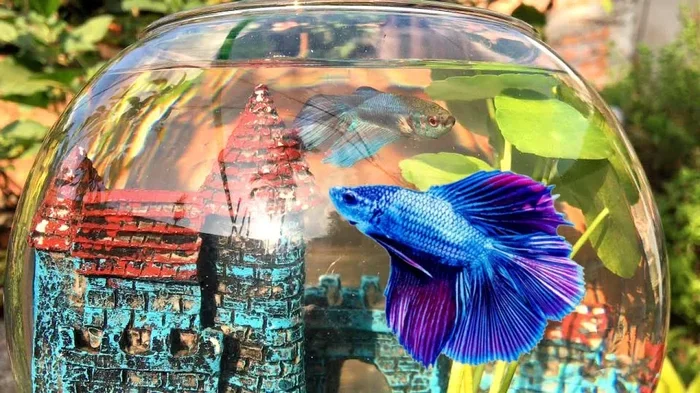
Knowing what can you put in a betta fish bowl is the key to keeping your fish happy and healthy. The right substrate, plants, decorations, and equipment create a comfortable environment that mimics your betta’s natural habitat. This guide covers every safe item you can add to a betta bowl, plus common mistakes to avoid.
Setting up a betta fish bowl can feel overwhelming at first. You want your fish to be happy, healthy, and comfortable. But with so many products and ideas out there, it is hard to know what is actually safe. The good news is that creating a great home for your betta does not have to be complicated. In this guide, we will walk you through everything you can put in a betta fish bowl. From the substrate at the bottom to the plants and decorations on top, you will find clear and practical advice. By the end, you will feel confident about building a beautiful and safe habitat for your finned friend.
What can you put in a betta fish bowl depends on a few key factors. The size of the bowl, the water conditions, and your betta’s personality all matter. A well-set-up bowl does more than look nice. It provides enrichment, reduces stress, and supports your betta’s natural behaviors. Let us dive into the details and explore every safe item you can add to your betta’s home.
Key Takeaways
- Safe Substrates: Gravel, sand, and soil are the best base options for a betta fish bowl.
- Live Plants: Anubias, java fern, and marimo moss balls are excellent choices that improve water quality.
- Decorations: Caves, driftwood, and smooth rocks give your betta hiding spots and enrichment.
- Essential Equipment: A small filter, heater, and air stone help maintain a healthy bowl environment.
- Avoid Harmful Items: Sharp decorations, untreated tap water, and toxic plants can harm your betta.
- What Can You Put In With A Betta Fish: Snails and small peaceful creatures can be compatible companions in some cases.
- Regular Maintenance: Weekly water changes and cleaning keep the bowl safe and comfortable for your fish.
📑 Table of Contents
- Why Choosing the Right Items Matters for Your Betta Bowl
- Best Substrates and Bases for a Betta Fish Bowl
- Plants and Decorations That Are Safe for Bettas
- Essential Equipment and Accessories for a Betta Bowl
- What NOT to Put in a Betta Fish Bowl
- Quick Tips for a Happy Betta Bowl Setup
- Common Mistakes People Make When Decorating a Betta Bowl
- Conclusion
Why Choosing the Right Items Matters for Your Betta Bowl
The items you place inside a betta bowl directly affect your fish’s health and happiness. A bare bowl with nothing in it can feel stressful and boring for your betta. On the other hand, overcrowding the bowl with too many objects can limit swimming space and trap debris. Finding the right balance is essential. What can you put in a betta fish bowl comes down to choosing items that are safe, functional, and visually appealing.
Every item in the bowl interacts with the water chemistry. Some materials release harmful substances. Others collect waste and make cleaning harder. Choosing the right items means fewer water changes and a healthier environment for your betta. When you pick safe and appropriate additions, you create a thriving mini-ecosystem. Your betta will explore, hide, and play more naturally in a well-decorated bowl.
Understanding Your Betta’s Natural Habitat
Bettas come from warm, slow-moving waters in Southeast Asia. They live among dense vegetation, fallen leaves, and soft substrates. Replicating these conditions in a bowl helps your fish feel at home. When you think about what can you put in a betta fish bowl, consider items that mimic their natural environment. Live plants, gentle filtration, and soft hiding spots are great starting points. The goal is to create a calm and stimulating space without overcomplicating things.
Best Substrates and Bases for a Betta Fish Bowl
The substrate is the material that lines the bottom of the bowl. It plays a big role in the overall look and function of the setup. Choosing the right base makes cleaning easier and gives plants something to root into. Not all substrates are safe for bettas, so picking carefully matters.
Gravel as a Substrate Option
Gravel is one of the most popular choices for betta bowls. It comes in many colors and sizes. Smooth, small-grained gravel works best because it does not trap waste as easily. Sharp or rough gravel can damage your betta’s delicate fins. When choosing gravel, look for pieces that are rounded and small. This keeps your fish safe while giving the bowl a natural look.
Sand Substrate for a Softer Look
Sand creates a soft, natural appearance at the bottom of the bowl. It is gentle on betta fins and looks beautiful with live plants. However, sand can compact over time and trap debris. You will need to stir it gently during water changes to prevent buildup. Fine-grained sand is better than coarse sand because it is easier to clean and safer for your fish.
Soil Substrates for Plant Growth
If you plan to add live plants, a soil substrate can be very beneficial. Nutrient-rich soil helps plants grow and thrive. Some soil substrates also help stabilize pH levels in the water. Just make sure the soil is labeled as safe for aquarium use. Avoid soils with added chemicals or fertilizers that could leach into the water and harm your betta.
No Substrate: The Bare Bowl Option
Some betta owners prefer a bare-bottom bowl. This makes cleaning much easier because there is no substrate to stir or vacuum. A bare bowl also means no hidden waste pockets. While it may look less natural, a bare bowl is a perfectly valid option. It is especially useful for quarantine tanks or temporary setups. If you go this route, add a few decorations and plants to give your betta visual interest.
Plants and Decorations That Are Safe for Bettas
Adding plants and decorations to a betta bowl serves both aesthetic and functional purposes. Plants help oxygenate the water and absorb nitrates. Decorations provide hiding spots and places to explore. Together, they create a more enriching environment for your fish.
Live Plants That Thrive in Betta Bowls
Live plants are the best choice for a betta bowl. They improve water quality and give your fish a natural feel. Some excellent options include:
- Anubias: This hardy plant grows slowly and does well in low light. It is perfect for bowls with limited space.
- Java Fern: Java fern attaches to driftwood or rocks. It thrives in warm water and needs minimal care.
- Marimo Moss Balls: These cute green balls are safe for bettas. They help filter the water and make a great addition to any bowl.
- Amazon Sword: This plant grows larger and works best in bigger bowls. It provides excellent coverage and hiding spots.
- Water Wisteria: A fast-growing plant that helps keep the water clean. Bettas love swimming through its leaves.
When choosing plants, avoid any that are treated with pesticides or chemicals. Always rinse new plants before adding them to the bowl. You can also check what can you put in with a betta fish for more plant and companion ideas.
Artificial Plants: A Safe Alternative
If you are not ready for live plants, artificial plants are a good alternative. Look for silk or soft plastic plants with no sharp edges. Avoid plastic plants with rough seams or tiny holes that could catch your betta’s fins. Silk plants move naturally in the water and feel much safer than stiff plastic ones. They also come in a wide range of colors and styles to match your bowl setup.
Decorations and Hiding Spots
Bettas love places to hide and explore. Adding a few decorations makes the bowl feel more like home. Smooth caves, small clay pots turned on their side, and coconut shells all work well. Driftwood pieces add a natural look and can even release beneficial tannins into the water. Just make sure any decoration you add has no sharp edges or rough surfaces.
When thinking about decorations, you might wonder can you put rocks in a betta fish bowl. The answer is yes, as long as the rocks are smooth and free of sharp edges. Avoid rocks with sharp points or porous surfaces that could trap bacteria. Rinse all rocks thoroughly before placing them in the bowl.
Essential Equipment and Accessories for a Betta Bowl
A well-equipped betta bowl keeps the water clean and comfortable. While bettas are hardy fish, they still need proper filtration and temperature control. Adding the right equipment makes a big difference in your fish’s health and lifespan.
Filtration Options for Small Bowls
Even a small bowl benefits from a filter. Filters remove harmful toxins and keep the water circulating. For betta bowls, choose a gentle sponge filter or a small hang-on-back filter with an adjustable flow rate. Bettas do not like strong currents, so a filter with a baffle or flow reducer works best. The filter should create a soft, gentle flow that does not push your betta around.
Heating the Bowl Properly
Bettas need warm water to stay healthy. The ideal temperature range is between 76 and 82 degrees Fahrenheit. A small submersible heater with a thermostat helps maintain a stable temperature. This is especially important in cooler rooms or during winter months. Without proper heating, your betta can become stressed and more susceptible to diseases. A heater is one of the most important items you can add to a betta bowl.
Air Stones and Bubblers
An air stone or small bubbler helps oxygenate the water. Bettas breathe atmospheric air, so they do not need strong aeration. However, gentle bubbling improves water quality and keeps oxygen levels stable. Choose a small air pump with a soft stone to avoid creating too much current in the bowl.
Lighting for Your Betta Bowl
Bettas need a regular day and night cycle to stay healthy. A small LED light designed for aquariums works well. Avoid placing the bowl in direct sunlight, as this can cause temperature spikes and algae overgrowth. A standard aquarium light on a timer provides consistent lighting for about 8 to 10 hours per day. This also helps live plants grow and keeps the bowl looking its best.
What NOT to Put in a Betta Fish Bowl
Knowing what to avoid is just as important as knowing what to add. Some common items can harm your betta or ruin the water quality. Being aware of these dangers helps you create a safer home for your fish.
- Sharp or Rough Decorations: Anything with jagged edges can tear your betta’s fins and cause infections.
- Copper-Based Decorations: Copper is toxic to bettas. Avoid any items made from copper or plated with copper.
- Untreated Tap Water: Tap water contains chlorine and chloramines that are harmful to fish. Always use a water conditioner before adding tap water to the bowl. You can learn more about using tap water in a betta fish bowl and how to treat it safely.
- Toxic Plants: Some plants are poisonous to fish. Never add plants you are unsure about without researching their safety.
- Soap or Chemical Residues: Always rinse your hands and any items thoroughly before placing them near the bowl. Soap residue can be fatal to bettas.
- Overcrowded Decorations: Too many items reduce swimming space and make cleaning difficult. Keep the bowl uncluttered for your betta’s comfort.
Quick Tips for a Happy Betta Bowl Setup
Setting up a betta bowl does not need to be stressful. Follow these simple tips to create a safe and beautiful home for your fish:
- Start with a clean bowl: Rinse the bowl and all new items with plain water before use.
- Add substrate first: Place your chosen base at the bottom before adding plants and decorations.
- Install equipment early: Set up the heater and filter before adding water and your betta.
- Cycle the water: Let the bowl run for 24 to 48 hours before introducing your fish. This allows the water parameters to stabilize.
- Add plants gradually: Introduce live plants one or two at a time to avoid shocking the water chemistry.
- Test the water regularly: Use a simple test kit to monitor pH, ammonia, and nitrate levels weekly.
- Perform partial water changes: Replace about 25 to 30 percent of the water every week to keep it fresh and clean.
Following these tips ensures that your betta has a comfortable and stimulating environment. A well-maintained bowl promotes healthy color, active swimming, and a longer lifespan for your fish.
Common Mistakes People Make When Decorating a Betta Bowl
Even experienced fish keepers sometimes make mistakes when setting up a betta bowl. Being aware of these common errors helps you avoid them.
One of the biggest mistakes is using the wrong water source. Always treat tap water with a conditioner before adding it to the bowl. Untreated water can cause serious health problems. Another common error is over-decorating. While it is tempting to fill the bowl with beautiful items, too many decorations limit swimming space and trap waste. Less is often more when it comes to betta bowls.
Some people also forget to account for the bowl size. A very small bowl limits what you can safely add. A bowl under 2.5 gallons has limited space for equipment and decorations. If possible, choose a larger bowl to give yourself more flexibility. You can also read about keeping a betta in a mason jar for creative small-space ideas.
Finally, avoid changing everything at once. If you add new items to the bowl, do it gradually. Sudden changes in the environment can stress your betta. Make one change at a time and monitor your fish for any signs of discomfort.
Conclusion
What can you put in a betta fish bowl has a wide range of answers. From the substrate and plants to the equipment and decorations, every choice matters. The goal is to create a safe, comfortable, and visually appealing environment for your betta. By choosing smooth gravel or sand, adding live or silk plants, and including gentle equipment like filters and heaters, you set your fish up for a happy and healthy life. Avoid harmful items, keep the bowl clean, and always consider your betta’s natural needs. With the right setup, your betta fish bowl can become a beautiful and thriving home that you and your fish will both enjoy.
Frequently Asked Questions
Can You Put a Heater in a Betta Fish Bowl?
Yes, a small submersible heater is highly recommended for betta bowls. Bettas need warm water between 76 and 82 degrees Fahrenheit to stay healthy. Choose a heater with a thermostat and adjustable temperature settings for the best results.
What Kind of Plants Can You Put in a Betta Fish Bowl?
Live plants like Anubias, Java Fern, marimo moss balls, and water wisteria are excellent choices. They improve water quality, provide oxygen, and give your betta natural enrichment. Silk plants also work well as a low-maintenance alternative.
Can You Put Gravel in a Betta Fish Bowl?
Yes, smooth and small-grained gravel is safe for betta bowls. Avoid sharp or rough gravel that could damage your betta’s fins. Rinse the gravel thoroughly before adding it to the bowl to remove dust and debris.
Do Betta Fish Need a Filter in Their Bowl?
While bettas can survive without a filter, adding one greatly improves water quality. A gentle sponge filter or small hang-on-back filter with adjustable flow is ideal. It removes toxins and keeps the water clean without creating a strong current.
Can You Put Other Fish in a Betta Bowl?
It is generally not recommended to house other fish in a small betta bowl. Bettas can be territorial and need space. If you want tank mates, consider a larger tank with peaceful species that share similar water requirements.
How Often Should You Clean a Betta Fish Bowl?
Perform a partial water change of 25 to 30 percent every week. This keeps the water fresh and removes waste buildup. Clean the substrate and decorations during water changes, and always use treated water at the correct temperature.