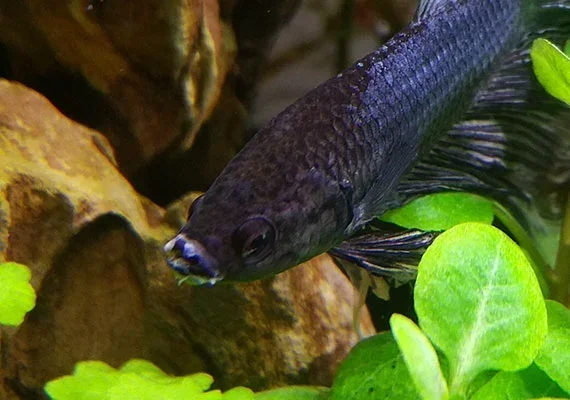
Is Making Betta Fish Fight Illegal

Making betta fish fight is illegal in most countries and all 50 U.S. states. Betta fish fighting is considered a form of animal cruelty, and those caught organizing or participating can face serious fines and even jail time. Understanding the laws and ethical reasons behind these rules helps every fish owner keep their pets safe and healthy.
Making betta fish fight is something most people have heard about, especially in Southeast Asia where the practice has deep cultural roots. But the big question remains: is making betta fish fight illegal? The short answer is yes, in most places around the world. But the full story is much more interesting and important than a simple yes or no.
When you look into the world of betta fish keeping, you quickly realize that these colorful fish have a complex history. People have bred bettas for centuries, selecting for traits like bright colors and long fins. Along the way, some people started pitting male bettas against each other, much like how roosters are put in cockpits. This practice became a blood sport, and it has serious consequences for the fish involved.
Today, the laws around betta fish fighting are clear in many countries. Animal welfare organizations and governments have recognized that forcing fish to fight is a form of cruelty. Whether you are a new fish owner or someone who has kept bettas for years, understanding these laws and the reasons behind them is essential.
In this article, we will cover everything you need to know about the legality of making betta fish fight. We will explore the laws, the penalties, the ethics, and what you should do if you ever encounter this practice. Let us dive right in.
Key Takeaways
- Betta fish fighting is illegal in the United States and most countries worldwide under animal cruelty laws.
- Penalties include fines, imprisonment, and confiscation of animals involved in fighting operations.
- Betta fish aggression is natural, but deliberately forcing them to fight is both unethical and against the law.
- Owning betta fish is legal, but housing males together or encouraging fights can lead to criminal charges.
- Proper betta fish care includes providing separate tanks and a stress-free environment to prevent aggression.
- Reporting fish fighting helps protect animals and supports enforcement of existing animal welfare laws.
- Education and awareness are key to stopping the culture of betta fish fighting for good.
📑 Table of Contents
What Is Betta Fish Fighting?
Betta fish fighting refers to the practice of placing two male bettas in the same container and letting them battle until one fish submits or dies. Male bettas are naturally aggressive toward each other. This is why they are often called “Siamese fighting fish.” In the wild, males will flare their gills and display their fins to establish territory. In controlled settings, people have taken this natural behavior and turned it into a blood sport.
The History of Betta Fish Fighting
The practice of making betta fish fight dates back hundreds of years in Thailand and Cambodia. People would collect wild bettas from rice paddies and put them in small containers to watch them battle. Betting on the outcomes became common. Over time, selective breeding made the fish more aggressive and resilient. The fights became more organized and drew larger crowds.
However, this tradition has faced heavy opposition in modern times. Most countries now view betta fish fighting as animal abuse. The cultural history does not change the fact that the practice causes real suffering to the fish involved.
How Fighting Happens
When two male bettas are placed together, they will flare their fins, bite, and chase each other. The fights can last for hours. In many cases, the losing fish is injured or dies from stress and physical damage. Even if the fish survive, the experience causes long-term psychological stress. This is why making betta fish fight is so widely condemned by animal welfare groups.
Some people try to justify the practice by saying bettas fight naturally. But there is a big difference between a fish defending its territory in the wild and a human deliberately forcing two fish into a small space to fight. The latter is cruel and illegal in most jurisdictions.
Why Is Making Betta Fish Fight Illegal?
The main reason making betta fish fight illegal is simple: it is a form of animal cruelty. Animals should not be forced to fight for entertainment or profit. This principle applies to dogs, roosters, fish, and any other living creature. When humans organize fights, they are causing unnecessary pain and suffering.
Animal Welfare Laws
Most countries have animal welfare laws that protect all animals, including fish. These laws make it illegal to cause harm to animals for entertainment purposes. In the United States, the Animal Welfare Act provides a framework for protecting animals from cruelty. While the Act primarily focuses on mammals, many state laws extend protection to all animals, including fish.
In Thailand, where betta fish fighting has the deepest roots, the government has cracked down on organized fights in recent years. The Thai Animal Cruelty Prevention Act makes it illegal to force animals to fight. Similar laws exist in the Philippines, Indonesia, and other countries in the region.
Ethical Concerns
Beyond the legal side, there are strong ethical reasons to oppose betta fish fighting. Fish feel pain and stress, even if they do not show it the same way mammals do. Forcing them into fights goes against basic principles of kindness and compassion. Most people who care about animals agree that entertainment should never come at the cost of another living being’s well-being.
When you look at do betta fish fight to death, the answer is often yes if left unchecked. This is exactly why the practice is so dangerous and why laws exist to prevent it. Even fish that survive a fight may suffer from injuries, infections, and chronic stress that shorten their lifespan.
Laws Against Betta Fish Fighting
The laws surrounding betta fish fighting vary by country and even by state or province. But in general, the trend is toward stricter enforcement and harsher penalties. Here is a closer look at the legal landscape in different regions.
United States Laws
In the United States, making betta fish fight is illegal in all 50 states. Federal law does not specifically mention fish fighting, but state animal cruelty laws cover the practice. States like California, Florida, and New York have strong animal protection statutes that apply to all animals, including fish.
If someone is caught organizing a betta fish fight, they can be charged with a misdemeanor or even a felony depending on the state. The key factor is usually whether the fight was organized for profit or entertainment. In either case, the penalties can be severe.
International Laws
Many countries around the world have laws against animal fighting, including fish. In Thailand, the Animal Cruelty Prevention Act B.E. 2557 makes it illegal to force animals to fight. The Philippines has the Republic Act No. 8485, which protects all animals from cruelty. Indonesia, Malaysia, and Vietnam also have varying degrees of animal protection laws that cover fish fighting.
It is worth noting that enforcement can be inconsistent in some regions. Even where laws exist, underground fighting operations may still occur. This is why education and awareness play such an important role in ending the practice.
Penalties for Illegal Fish Fighting
The penalties for making betta fish fight can be serious. They vary depending on the jurisdiction and the severity of the offense. Here are some common consequences that people face when caught organizing or participating in fish fights.
Fines and Monetary Penalties
In many cases, the first offense results in a fine. These fines can range from a few hundred dollars to several thousand dollars depending on the state or country. Repeat offenders usually face higher fines and more serious charges.
Imprisonment
In more serious cases, people involved in organized fish fighting can face jail time. Felony charges may apply if the operation is large-scale or if animals are seriously injured or killed. Jail sentences can range from a few months to several years in some jurisdictions.
Animal Confiscation
Animals involved in fighting operations are often confiscated by authorities. The fish are typically placed in the care of animal welfare organizations. In some cases, the owner may be banned from owning animals in the future. This is an additional consequence that makes the risks of fish fighting not worth it.
The Ethics of Betta Fish Fighting
Even in places where the laws are unclear or poorly enforced, the ethics of making betta fish fight remain clear. Causing harm to animals for entertainment or profit is wrong. This is a principle that most people, regardless of their background, can agree on.
Betta Fish Behavior and Natural Aggression
It is important to understand that betta fish aggression is natural. Male bettas are territorial by nature. They defend their space from other males in the wild. This behavior is part of their biology and should be respected by fish owners.
However, there is a big difference between a betta displaying natural aggression in its own tank and a human forcing two fish to fight. Responsible fish keeping means providing each male betta with its own tank. This prevents fights and keeps the fish healthy and stress-free.
If you are wondering whether betta fish can live together, the answer depends on the setup. Male and female bettas should not be housed together except during brief breeding periods. And two male bettas should never share a tank. For more on this topic, check out can betta fish fight each other to learn more about their natural behaviors.
Responsible Betta Fish Keeping
The best way to ensure your betta fish stays happy and healthy is to provide proper care. This means a tank of at least 5 gallons, clean water, a stable temperature between 76 and 82 degrees Fahrenheit, and plenty of hiding spots. A well-maintained tank reduces stress and prevents aggressive behavior.
Never house two male bettas together. Even if they seem calm at first, fights can break out suddenly. The stress of living with another male can also weaken a betta’s immune system and make it more susceptible to diseases. For tips on keeping your betta healthy, visit our article on why is my betta fish making bubbles to learn about natural betta behaviors that indicate a healthy environment.
How to Spot and Report Betta Fish Fighting
If you ever come across a betta fish fighting operation, whether online or in person, it is important to know how to respond. Reporting animal cruelty helps protect the fish and supports the enforcement of existing laws.
Signs of Fish Fighting Operations
There are several signs that may indicate a fish fighting operation. These include:
- Multiple male bettas kept in very small containers
- Fish with fresh injuries like torn fins or missing scales
- People organizing matches or accepting bets on fish outcomes
- Online posts advertising fighting fish or organizing events
Who to Contact
If you suspect fish fighting is taking place, contact your local animal control agency or humane society. In the United States, you can also reach out to the ASPCA or local law enforcement. Many animal welfare organizations have hotlines specifically for reporting cruelty. When you report, provide as much detail as possible, including dates, locations, and any photos or videos you may have.
For more information about betta fish behavior and how to keep them safe, you can also read about do betta fish fight mate to understand how aggression can arise even in breeding situations.
Common Misconceptions About Betta Fish Fighting
There are several myths surrounding betta fish fighting that can make it harder for people to understand the issue. Let us clear up some of the most common ones.
Myth 1: Fish Do Not Feel Pain
Many people believe that fish do not feel pain the way mammals do. This is not true. Research has shown that fish have nociceptors, which are receptors that detect harmful stimuli. Betta fish experience stress, pain, and fear during fights. Their suffering is real, even if it is not always visible to the human eye.
Myth 2: Fighting Makes Bettas Stronger
Some people believe that forcing bettas to fight makes them tougher and more resilient. In reality, fighting causes physical injuries, chronic stress, and a shortened lifespan. Fish that survive fights often carry scars and health problems for the rest of their lives. There is nothing strong or admirable about making animals suffer.
Myth 3: It Is Just a Cultural Tradition
While betta fish fighting has cultural roots in Southeast Asia, tradition does not justify cruelty. Many practices that were once accepted are now recognized as harmful. Society evolves, and our treatment of animals should evolve with it. Today, most people in the countries where this practice originated also oppose it.
What You Can Do to Help
Every fish owner has a role to play in stopping betta fish fighting. Here are some practical steps you can take to make a difference.
- Educate yourself and others. Learn about proper betta fish care and share your knowledge with friends and family.
- Never participate in or support fish fighting. Do not attend events, watch videos, or engage with content that promotes fighting.
- Report suspected fighting operations. If you see something suspicious, contact the proper authorities immediately.
- Support animal welfare organizations. Donate to or volunteer with groups that work to protect animals from cruelty.
- Set a good example. Keep your own bettas in proper conditions and show others that responsible fish keeping is the norm.
When people understand that making betta fish fight illegal is not just a legal issue but a moral one, they are more likely to speak up and take action. Every voice matters in the fight against animal cruelty.
For those interested in keeping multiple bettas, remember that proper setup is key. Check out our guide on do betta female and male fish fight to understand how to safely house different bettas together.
Conclusion
The answer to the question “is making betta fish fight illegal” is a clear and firm yes in most parts of the world. Betta fish fighting is a form of animal cruelty that causes real suffering to the fish involved. The laws reflect this reality, and penalties can be severe for those who organize or participate in fights.
Beyond the legal side, there is a strong ethical case against the practice. Every animal deserves to be treated with kindness and respect. Betta fish may be small, but they are living creatures capable of feeling stress and pain. As responsible fish owners and animal lovers, we should all work to end the culture of fish fighting for good.
If you are passionate about betta fish welfare, share this article with others. Education is one of the most powerful tools we have in the fight against cruelty. Together, we can make sure that every betta fish lives a safe, healthy, and happy life.
Frequently Asked Questions
Is it legal to own betta fish in the United States?
Yes, owning betta fish is completely legal in all 50 U.S. states. There are no restrictions on keeping bettas as pets. However, it is important to provide proper care and never force them to fight. Responsible ownership means following all animal welfare laws and treating your fish with kindness.
What happens if you get caught making betta fish fight?
If caught, you could face fines, imprisonment, and confiscation of the animals involved. The exact penalties depend on the jurisdiction and the severity of the offense. In many states, organizing animal fights can result in felony charges, especially if the animals are seriously injured or killed.
Why do male betta fish fight each other?
Male betta fish are naturally territorial and aggressive toward other males. In the wild, they use displays and fights to establish dominance and defend their territory. However, this natural behavior should never be encouraged or forced by humans. Providing separate tanks for each male betta is the best way to prevent fights.
Can betta fish survive a fight?
Some betta fish survive fights, but they often suffer serious injuries and chronic stress. Surviving fish may have torn fins, infections, and weakened immune systems. The psychological trauma of fighting can also shorten their lifespan. This is one more reason why making betta fish fight illegal is so important for their welfare.
Are there any countries where betta fish fighting is still legal?
While betta fish fighting has cultural roots in countries like Thailand, the practice is now illegal in most places. Thailand’s Animal Cruelty Prevention Act prohibits forcing animals to fight. Enforcement may vary, but the legal trend worldwide is toward stricter bans on all forms of animal fighting, including fish fighting.
How can I tell if a betta fish has been in a fight?
Signs that a betta fish has been in a fight include torn or ragged fins, bite marks, missing scales, lethargy, and loss of appetite. Fish that have been through fights may also show signs of chronic stress, such as clamped fins or hiding constantly. If you notice these signs, it is important to provide proper care and a stress-free environment for recovery.
=== FAQS ===
Is it legal to own betta fish in the United States?
Yes, owning betta fish is completely legal in all 50 U.S. states. There are no restrictions on keeping bettas as pets. However, it is important to provide proper care and never force them to fight. Responsible ownership means following all animal welfare laws and treating your fish with kindness.
What happens if you get caught making betta fish fight?
If caught, you could face fines, imprisonment, and confiscation of the animals involved. The exact penalties depend on the jurisdiction and the severity of the offense. In many states, organizing animal fights can result in felony charges, especially if the animals are seriously injured or killed.
Why do male betta fish fight each other?
Male betta fish are naturally territorial and aggressive toward other males. In the wild, they use displays and fights to establish dominance and defend their territory. However, this natural behavior should never be encouraged or forced by humans. Providing separate tanks for each male betta is the best way to prevent fights.
Can betta fish survive a fight?
Some betta fish survive fights, but they often suffer serious injuries and chronic stress. Surviving fish may have torn fins, infections, and weakened immune systems. The psychological trauma of fighting can also shorten their lifespan. This is one more reason why making betta fish fight illegal is so important for their welfare.
Are there any countries where betta fish fighting is still legal?
While betta fish fighting has cultural roots in countries like Thailand, the practice is now illegal in most places. Thailand’s Animal Cruelty Prevention Act prohibits forcing animals to fight. Enforcement may vary, but the legal trend worldwide is toward stricter bans on all forms of animal fighting, including fish fighting.
How can I tell if a betta fish has been in a fight?
Signs that a betta fish has been in a fight include torn or ragged fins, bite marks, missing scales, lethargy, and loss of appetite. Fish that have been through fights may also show signs of chronic stress, such as clamped fins or hiding constantly. If you notice these signs, it is important to provide proper care and a stress-free environment for recovery.