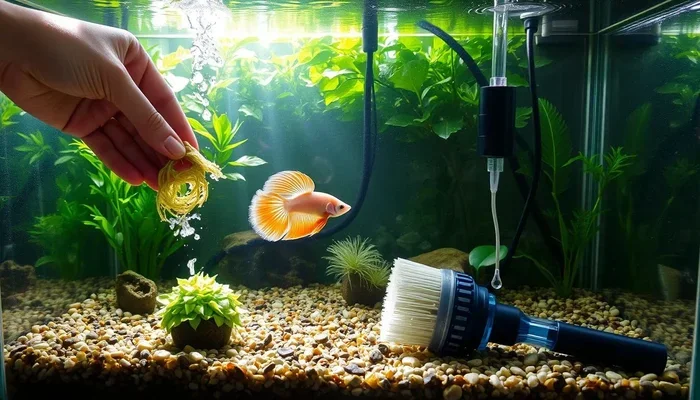
How Do I Know the Gender of My Betta Fish

Figuring out the gender of your betta fish is easier than you think. By looking at body shape, fin length, color, and behavior, you can confidently determine if your betta is male or female. This guide walks you through every sign step by step.
So you brought home a beautiful betta fish, and now you want to know if it is a boy or a girl. How do I know the gender of my betta fish? This is one of the most common questions new betta owners ask. The good news is that you do not need a lab or a veterinarian to figure it out. With a keen eye and a little patience, you can spot the differences yourself.
Knowing your betta fish gender matters more than you might think. It affects how you set up the tank, what tankmates you choose, and even how you feed your fish. Males and females have different needs, different behaviors, and different appearances. Once you learn to tell them apart, you will see your betta in a whole new light.
In this guide, we will cover every visual clue, behavioral sign, and practical tip you need. Whether your betta is a baby or a full-grown adult, you will find the answers here. Let us dive in and become betta gender experts.
Key Takeaways
- Male bettas have longer fins, brighter colors, and a more streamlined body shape.
- Females have a shorter body, a visible egg spot, and a white spot called the ovipositor.
- Behavior differences like bubble nest building and flaring are strong gender indicators.
- The vent method is the most reliable way to sex young betta fish.
- Knowing the gender helps you provide better care and avoid unwanted breeding.
📑 Table of Contents
- Why Identifying Betta Fish Gender Matters
- Visual Clues: How to Spot the Gender
- Behavioral Differences Between Male and Female Betta Fish
- Gender Differences by Age and Development Stage
- Common Mistakes When Determining Betta Fish Gender
- Tips for Keeping Male and Female Betta Fish
- When to Consult a Professional
- Conclusion
Why Identifying Betta Fish Gender Matters
You might wonder why it matters so much. Well, male and female bettas are very different creatures. Mixing them up can lead to problems in your tank setup. Understanding the gender of your betta helps you make smarter care decisions every single day.
For example, male bettas are known for being aggressive toward other males. You should never house two males together. Female bettas can sometimes live in small groups called sororities, but even that requires careful planning. When you know the gender, you can design a tank that keeps your fish happy and healthy.
Another big reason is breeding. If you plan to breed bettas, you need a confirmed male and female. But if you do not want babies, knowing the gender helps you avoid accidental spawning. Either way, betta fish gender identification is a fundamental part of responsible fish ownership.
How Gender Affects Daily Care
Male bettas tend to be more colorful and have longer fins. This means their water needs to be kept extra clean because long fins are more prone to damage and infection. Female bettas have shorter fins and a rounder body shape. Their care routine looks a little different, especially when it comes to feeding and tank decoration.
If you want to learn more about general betta care, check out our guide on how to take care of a betta fish. It covers everything from water parameters to feeding schedules for both males and females.
Visual Clues: How to Spot the Gender
The easiest and most reliable way to determine your betta fish gender is by looking at physical features. There are several clear visual differences between males and females. Let us break them down one by one.
Body Shape and Size
Male bettas have a long, sleek, and streamlined body. They look like they are built for speed and showing off. Female bettas, on the other hand, have a shorter, rounder, and wider body. This is especially noticeable when a female is carrying eggs. Her belly will look noticeably rounder and larger.
A good way to remember this is to think of males as slim and sleek, while females are more compact and plump. Of course, this is not always obvious in very young fish, but as bettas mature, the differences become much clearer.
Fin Length and Shape
One of the most obvious gender differences is fin length. Male bettas have dramatically long fins, especially the dorsal and tail fins. Some males have fins that flow several inches beyond their body. Females have much shorter, more practical fins that sit closer to the body.
If your betta has long, flowing fins that drag slightly behind it, there is a very good chance it is a male. Females keep their fins shorter and more compact. This difference is one of the first things experienced betta owners look for when trying to determine gender.
Color Intensity
Males tend to display brighter, more vivid colors than females. This is especially true during breeding season or when a male is flaring at another fish. Female bettas can be colorful too, but their colors are usually more muted and subtle. Some females develop a slight color darkening near the head when they are ready to breed.
Keep in mind that color can vary based on the specific betta breed. Some female varieties can be quite colorful, so do not rely on color alone. Use it as one piece of the puzzle alongside other signs.
The Egg Spot and Vent Method
This is the most accurate method for sexing bettas, especially younger fish that have not fully developed yet. The egg spot, also called the ovipositor, is a small white dot found on the underside of the female betta. It is where eggs will eventually come out during spawning.
Males do not have a visible egg spot. To see it, you need to look at the belly area from underneath. If you see a small white dot, your betta is most likely female. The vent method involves gently examining the area just in front of the anal fin. A female vent will look slightly rounded, while a male vent is more pointed and narrow.
If you are not sure about these methods, consider learning more about how to tell the gender of a betta fish for detailed visual guides and diagrams.
Behavioral Differences Between Male and Female Betta Fish
Beyond physical appearance, betta fish behavior gives you strong clues about gender. Males and females act quite differently, especially during certain situations like feeding, territory defense, and breeding.
Bubble Nest Building
If you see bubbles gathered at the surface of the water in a clump, congratulations, you likely have a male betta. Males build bubble nests as part of their breeding behavior. They blow bubbles and coat them with saliva to create a floating nest where eggs will be placed after spawning.
Females do not build bubble nests. So if you see this interesting behavior, you can be pretty confident your fish is a male. Some males build nests more frequently than others, and that is perfectly normal. It does not always mean a female is present.
Flaring and Aggression
Both male and female bettas can flare, but males do it far more often. Flaring is when a betta spreads its gills and fins to look as large and intimidating as possible. Males flare at other males, at their own reflection, and sometimes at other tankmates. It is a dominance and territorial behavior.
Females flare too, but usually less dramatically and less frequently. A female might flare at another female in a sorority setup to establish a pecking order. If your betta flares constantly and has long fins, you are almost certainly looking at a male.
Feeding Behavior and Appetite
You might be surprised to learn that gender can even affect how your betta eats. Males tend to be more eager eaters and will often beg for food aggressively. Females can be more selective, especially if they are carrying eggs. Their appetite might increase or decrease depending on their reproductive cycle.
For tips on feeding your betta fish properly, regardless of gender, visit our article on how often to feed your betta fish.
Nesting and Breeding Behavior
When a male and female are ready to breed, the male will build a bubble nest and then court the female. The female will develop vertical stripes on her body, known as breeding bars. She will also release eggs, which the male will collect and place in the bubble nest. This whole process is fascinating to watch but requires a separate breeding tank.
If you do not plan to breed your fish, it is best to keep males and females separated. A male and female housed together will breed frequently, which can stress both fish and lead to health problems.
Gender Differences by Age and Development Stage
Identifying the gender of a baby betta fish is much harder than sexing an adult. Young bettas do not yet show the full range of physical differences. But as they grow and mature, the signs become much more pronounced.
Identifying Gender in Baby Bettas
Baby bettas, or fry, look very similar regardless of gender. You cannot rely on fin length or color at this stage. The vent method is the most reliable way to sex very young bettas. Even then, it requires a steady hand and good lighting. Most experienced breeders wait until the fish is at least two to three months old before attempting to determine gender.
When Do Betta Fish Show Gender Differences?
You will start to see differences when your betta is around two to three months old. The male will begin developing longer fins, and the colors will become more intense. Females will show a rounder body shape and may develop a visible egg spot around this time. Full gender differences are usually clear by the time the fish reaches four to five months of age.
Changes in Older Betta Fish
As bettas age, some gender characteristics become more pronounced while others may fade. Older males may develop even longer fins, but their color might dull slightly. Older females may become more rounded in the belly area, especially if they have been through multiple spawning cycles. Understanding these changes helps you provide age-appropriate care.
Common Mistakes When Determining Betta Fish Gender
Even experienced fish keepers sometimes make mistakes when sexing bettas. Here are the most common errors to avoid.
Mistake 1: Relying on color alone. Some female bettas are very colorful, especially marble and cambodian varieties. Do not assume a colorful fish is male.
Mistake 2: Confusing a female with a short-finned male. Some male bettas, particularly plakat varieties, have shorter fins that can look similar to females. Always check multiple signs before deciding.
Mistake 3: Ignoring the egg spot. Many beginners overlook the egg spot entirely. This small white dot is one of the clearest indicators of a female betta. Use a flashlight to get a better look at the underside of the fish.
Mistake 4: Assuming all females are less aggressive. While males are generally more aggressive, females can be just as territorial, especially in a sorority setup. Do not underestimate a female betta’s personality.
Mistake 5: Trying to sex a very young fish too early. Patience is key. Wait until your betta is at least a couple of months old before trying to determine the gender. Early guesses are often wrong.
Tips for Keeping Male and Female Betta Fish
Now that you know how to tell the gender, let us talk about what to do with that information. Whether you have a male, a female, or both, there are important considerations for keeping them healthy and happy.
Tank Setup for Males
Male bettas need a tank that is at least five gallons, though bigger is always better. They prefer warm water between 78 and 80 degrees Fahrenheit. Because of their long fins, males are more susceptible to fin rot and bacterial infections. Keep the water clean and well-filtered, but avoid strong currents that can tire out their flowing fins.
Males do best with gentle tankmates or alone. Good tankmates include snails, ghost shrimp, and small peaceful fish like corydoras. Avoid other bettas, colorful fish with long fins, or fish that might nip at the male’s fins.
Tank Setup for Females
Female bettas can live alone or in small groups of three to five females. A sorority tank needs to be at least ten gallons with plenty of hiding spots and plants. Females need the same warm water temperatures as males, but they are generally more tolerant of tankmates.
If you are keeping a single female, a five-gallon tank works well. Just make sure there is enough swimming space and some plants to break up sightlines, which helps reduce stress.
Want to keep your tank in top shape for your betta? Check out our guide on how to clean your betta fish tank for simple and effective maintenance tips.
Feeding Males vs Females
Both males and females thrive on a diet of high-quality betta pellets and frozen or live foods like brine shrimp and bloodworms. Males tend to eat more eagerly, so watch their portion sizes to avoid overfeeding. Females may eat less when they are carrying eggs or during certain phases of their cycle.
A good feeding routine is two small meals per day, about six days a week. Give your betta one fasting day per week to help prevent constipation and bloating. For more detailed feeding advice, visit our article on how much to feed a betta fish.
When to Consult a Professional
Sometimes, despite your best efforts, you just cannot figure out the gender of your betta. That is completely normal, especially with young fish or certain breeds. In these cases, it is okay to ask for help. A knowledgeable fish store employee or a veterinarian who specializes in fish can often sex your betta with a quick look.
If you are concerned about your betta fish health or behavior, consider visiting a vet. Some pet stores like Petco offer basic fish health consultations. You can also check out our guide on taking your betta fish to the vet at Petco for more information on what to expect.
Remember, knowing the gender of your betta is just one piece of the puzzle. The most important thing is that your fish feels safe, healthy, and comfortable in its home. With the right care and attention, your betta will thrive no matter if it is a boy or a girl.
Conclusion
So, how do I know the gender of my betta fish? You now have all the tools you need. Look at body shape, fin length, color intensity, and the presence of an egg spot. Watch for behavioral signs like bubble nest building and flaring. And if you are ever unsure, the vent method gives you the most accurate answer.
Determining your betta fish gender is a fun and rewarding part of fish ownership. It helps you provide better care, choose the right tankmates, and understand your fish on a deeper level. Take your time, observe your betta closely, and trust what you see. With practice, you will be able to spot the differences in seconds.
Whether you have a dazzling male with flowing fins or a sleek female with a round belly, your betta deserves the best care possible. Use what you have learned here today to give your fish exactly what it needs. Happy fish keeping.
Frequently Asked Questions
Can I tell the gender of my betta fish when it is a baby?
It is very difficult to sex baby bettas because they have not yet developed their full physical differences. The vent method is the most reliable approach for young fish, but it requires experience. Most owners wait until the fish is at least two to three months old before trying to determine the gender.
What is the egg spot on a betta fish?
The egg spot, also known as the ovipositor, is a small white dot on the underside of a female betta fish. It is where eggs will be released during breeding. Males do not have a visible egg spot. If you see this dot, your betta is most likely female.
Why does my male betta build bubbles at the top of the tank?
Male bettas build bubble nests as part of their natural breeding behavior. They blow bubbles and stick them together with saliva to create a floating nest. This is a sign of a healthy, happy male and does not necessarily mean a female is present in the tank.
Can two female bettas live together?
Yes, female bettas can live together in a group called a sorority. However, you need at least a ten-gallon tank with plenty of hiding spots and plants. Introduce all females at the same time and watch for signs of aggression, especially during the first few weeks.
Do female bettas flare at each other?
Yes, female bettas do flare, but usually less frequently and less dramatically than males. Flaring among females is a way to establish a hierarchy in a sorority setup. Some flaring is normal, but constant fighting can cause stress and injury.
How long does it take for a betta fish to show its gender?
Most bettas start showing clear gender differences around two to three months of age. By four to five months, the differences in fin length, body shape, and color are usually very noticeable. Some slow-developing varieties may take a bit longer.