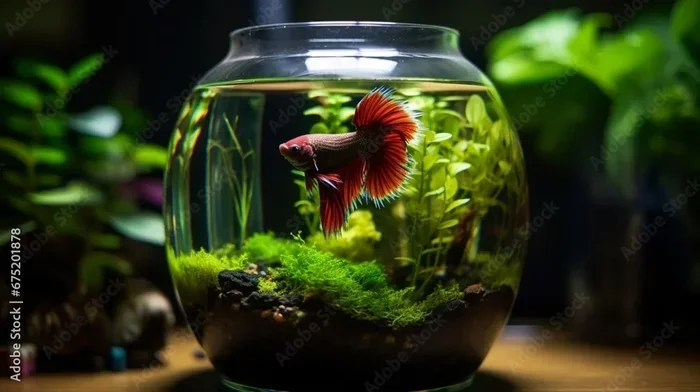
Is It Normal for Betta Fish to Jump
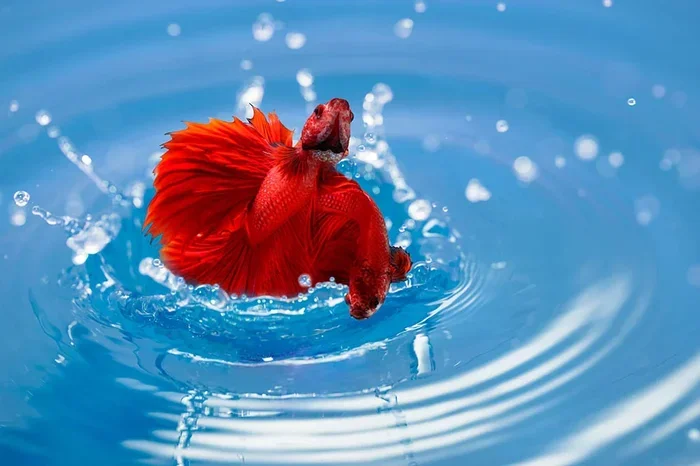
Yes, it is normal for betta fish to jump. Betta fish are natural jumpers, and this behavior can signal anything from curiosity to stress. Understanding why your betta jumps helps you create a safer, happier home for your fish.
Have you ever walked past your betta fish tank and seen your fish launch itself out of the water? It can be a scary moment. Your first thought might be, “Is this normal?” The short answer is yes. Betta fish jumping is a completely natural behavior. But why do they do it? And more importantly, how can you keep your fish safe?
Betta fish, also known as Siamese fighting fish, are skilled jumpers. In the wild, they live in shallow rice paddies and slow-moving streams. These environments can dry up quickly during dry seasons. Over time, bettas evolved the ability to jump to reach new water sources. This survival instinct is still very much alive in your pet betta. Understanding this behavior is the first step to being a better fish owner.
In this guide, we will explore every reason why betta fish jump. We will cover normal behavior, stress triggers, health concerns, and practical tips to prevent escapes. Whether you are a new betta owner or a seasoned hobbyist, this article will give you the answers you need.
Key Takeaways
- Betta fish jump naturally: It is a normal behavior rooted in their biology and instincts.
- Stress is a major trigger: Poor water quality, wrong temperatures, and aggressive tank mates can cause jumping.
- A tight-fitting lid is essential: Without one, your betta can jump out and die within minutes.
- Tank size matters: Small tanks increase stress and jumping behavior. Check out what is the best tank size for a betta fish for guidance.
- Prevention is simple: A proper lid, clean water, and a stress-free environment keep your betta safe.
- Jumping can signal illness: If your betta jumps erratically, check for disease or discomfort.
📑 Table of Contents
Why Do Betta Fish Jump?
Betta fish jump for many reasons. Some are perfectly normal, while others may point to a problem in the tank. Let us break down the most common causes.
Natural Instinct and Survival
In their native habitat in Southeast Asia, bettas live in shallow, warm waters. During the dry season, these water sources shrink or disappear. Bettas have a special organ called the labyrinth organ, which allows them to breathe atmospheric air. This adaptation means they can survive out of water for short periods. Jumping helps them move between puddles and find new water. Even in a safe home tank, this instinct never goes away.
Curiosity and Exploration
Betta fish are curious creatures. They like to explore their surroundings. If they see movement above the waterline, they may jump to investigate. Some bettas even jump to catch small insects that land on the water surface. This type of jumping is usually calm and controlled. It is a sign that your fish is alert and active.
Stress and Poor Water Conditions
This is where things get concerning. Stressed bettas are more likely to jump aggressively. Common stressors include:
- Dirty water: High ammonia or nitrate levels make your fish uncomfortable.
- Wrong temperature: Betta fish need warm water between 76 and 82 degrees Fahrenheit. Cold water stresses them out.
- Strong water flow: Some filters create currents that are too powerful for bettas.
- Aggressive tank mates: Fish that nip at betta fins can cause constant stress.
- Small tanks: Tiny bowls and tanks limit movement and increase anxiety.
If you notice your betta jumping frequently and erratically, check your water parameters. Use a test kit to measure ammonia, nitrite, nitrate, and pH levels. Keeping a stable environment reduces stress and jumping.
Trying to Escape an Uncomfortable Tank
Sometimes a betta jumps because it wants out. This can happen when the tank environment is not suitable. For example, if the water is too cold or too hot, the fish may try to find a better spot. Lack of hiding spots, bright lights, or loud noises near the tank can also push a betta to escape. If your betta keeps trying to jump, it is sending you a signal that something needs to change.
Is Jumping Normal or a Sign of a Problem?
Not all jumping is the same. Learning to tell the difference between normal and problematic jumping can save your fish’s life.
Normal Jumping Behavior
Normal jumping looks calm and deliberate. Your betta will swim to the surface, pause for a moment, and then glide out of the water briefly. This might happen once in a while, especially during feeding time. Some bettas jump to grab food floating on the surface. This is perfectly healthy behavior and nothing to worry about.
Abnormal Jumping Behavior
Abnormal jumping looks frantic and repeated. Your betta may splash against the glass or try to launch itself out of the tank repeatedly. This kind of behavior often signals a problem. Common causes include:
- Poor water quality: Toxic ammonia or nitrite levels burn the gills and cause distress.
- Temperature swings: Sudden changes in water temperature shock the fish.
- Illness or disease: Parasites, fungal infections, or swim bladder issues can cause erratic behavior.
- Lack of oxygen: If the water is warm and still, oxygen levels drop, and the fish may jump to breathe air more frequently.
If you see abnormal jumping, test your water immediately. Also, watch for other symptoms like clamped fins, loss of color, or lethargy. These signs together point to a health issue that needs quick attention.
How to Prevent Your Betta From Jumping Out
The most important thing you can do is prevent your betta from jumping out of the tank. A betta that escapes will dry out and die within minutes. Prevention is simple and effective.
Use a Tight-Fitting Tank Lid
This is the single most important step. Every betta tank should have a secure lid. Betta fish can squeeze through surprisingly small gaps. Even a tiny opening between the hood and the tank is enough for an escape. Choose a lid with small ventilation holes or mesh. This allows air exchange while keeping your fish safely inside.
If you currently use a loose-fitting cover, replace it right away. A tight-fitting lid is not optional. It is a necessity for every betta tank. Some owners use plastic mesh or cut-to-fit acrylic covers as budget-friendly alternatives.
Lower the Water Level
Another simple trick is to keep the water level a few inches below the top of the tank. This reduces the distance your betta needs to jump to escape. Most bettas can jump 2 to 3 inches above the water surface. By keeping the water level lower, you add a safety buffer.
Reduce Stress in the Tank
A stress-free betta is less likely to jump. Here are some proven ways to reduce stress:
- Keep the water clean: Perform regular water changes, about 25 percent every week.
- Maintain the right temperature: Use a reliable heater and monitor the temperature daily.
- Add plants and hiding spots: Live or silk plants give your betta places to hide and feel secure.
- Avoid bright, flashing lights: Use soft, gentle lighting and keep the lights on a consistent schedule.
- Choose peaceful tank mates: If you keep other fish, make sure they are calm and non-aggressive.
Proper betta fish care goes a long way in preventing stress-related jumping. A well-maintained tank with stable conditions keeps your fish happy and calm.
Provide Adequate Tank Size
Small tanks are stressful for bettas. A tiny bowl or vase limits movement, traps waste, and causes temperature swings. The ideal minimum tank size for a betta is 5 gallons. Larger tanks are even better because they are more stable and easier to maintain. If you are unsure about the right setup, check out how to set up a fish tank for betta fish for a step-by-step guide.
What Happens If a Betta Fish Jumps Out?
Even with the best care, accidents can happen. If your betta does jump out of the tank, time is critical. Betta fish can survive out of water for a short time because of their labyrinth organ. But every minute counts.
If you find your betta on the floor or outside the tank, act fast. Gently place the fish back into the water. Check for signs of injury, such as dried fins, scratched scales, or difficulty swimming. Place the fish in a separate quarantine tank with clean, warm water. Monitor it closely for the next 24 to 48 hours. If the fish shows signs of distress, consider consulting a fish veterinarian or experienced aquarist.
The best way to handle this situation is to prevent it from happening in the first place. A proper lid eliminates this risk entirely. Do not wait for an escape to happen before taking action.
Common Mistakes That Lead to Betta Jumping
Many new betta owners make mistakes that unintentionally encourage jumping. Here are the most common ones to avoid:
Using an Open-Top Bowl or Tank
Betta bowls without lids look pretty, but they are dangerous. An open top gives your betta a clear escape route. Even if the bowl is small, your fish can and will jump out. Always use a covered tank.
Overfeeding Your Betta
Overfeeding causes excess food to float on the surface. Your betta may jump aggressively to grab this food. Uneaten food also pollutes the water, leading to poor water quality. Feed your betta 2 to 3 pellets twice a day. Remove any uneaten food after five minutes.
Placing the Tank Near a Window
Direct sunlight heats the water unevenly and encourages algae growth. It also makes the tank environment unpredictable, which stresses your betta. Stress leads to jumping. Place the tank in a quiet area with indirect light.
Ignoring Water Quality
Dirty water is the number one cause of stress in betta fish. When water quality drops, fish become uncomfortable and may try to escape. Test your water weekly and perform regular maintenance. If you use tap water, always treat it with a conditioner before adding it to the tank.
Expert Tips for a Happy, Non-Jumping Betta
Here are some expert-backed tips to keep your betta calm and content inside the tank:
- Add a gentle filter: A sponge filter provides good filtration without creating strong currents that stress bettas.
- Use a heater with a thermostat: Stable temperatures between 78 and 80 degrees Fahrenheit keep bettas relaxed.
- Decorate with soft plants: Live plants like java fern or anubias create a natural, calming environment.
- Keep the tank in a quiet spot: Avoid placing the tank near loud electronics, doors, or high-traffic areas.
- Feed a varied diet: High-quality pellets, frozen bloodworms, and daphnia keep your betta healthy and satisfied.
- Perform regular water changes: Consistent maintenance prevents the buildup of harmful toxins.
For more tips on keeping your betta healthy and comfortable, read how to properly care for betta fish. This guide covers everything from feeding to tank maintenance.
Conclusion
Betta fish jumping is normal, but it should not be ignored. Whether your betta jumps out of curiosity, instinct, or stress, understanding the reason is key. A proper tank setup with a secure lid, clean water, and a stress-free environment keeps your fish safe and happy.
Remember, a betta that jumps out of the tank is in serious danger. Always use a lid. Always monitor water conditions. And always pay attention to your fish’s behavior. Small changes in your routine can make a big difference in your betta’s quality of life.
Take action today. Check your tank lid, test your water, and make sure your betta has everything it needs. Your fish will thank you with vibrant colors, active swimming, and a long, healthy life.
Frequently Asked Questions
Why does my betta fish jump out of the water?
Betta fish jump for several reasons. Natural instinct, curiosity, and exploration are common causes. Stress from poor water quality, wrong temperatures, or aggressive tank mates can also trigger jumping. Always check your tank conditions if jumping becomes frequent or erratic.
Is it normal for betta fish to jump at the surface?
Yes, it is completely normal. Bettas often swim to the surface to breathe air through their labyrinth organ. They may also jump to catch floating food. Calm, occasional jumping at the surface is a healthy sign of an active and curious fish.
Can a betta fish survive jumping out of the tank?
A betta can survive for a short time out of water thanks to its labyrinth organ. However, drying out causes severe damage quickly. If your betta jumps out, return it to water immediately and monitor it closely. Prevention with a proper lid is always the best approach.
How do I stop my betta fish from jumping?
The most effective method is to use a tight-fitting tank lid. You should also maintain clean water, stable temperatures, and a stress-free environment. Lowering the water level slightly adds an extra safety buffer. Reducing stressors like bright lights and loud noises also helps.
What tank size is best to reduce betta jumping behavior?
A 5-gallon tank or larger is ideal for betta fish. Larger tanks provide more stable water conditions and more swimming space, which reduces stress. Small bowls and tanks increase anxiety and can trigger jumping. For setup guidance, check out what is the best tank size for a betta fish.
Should I be worried if my betta fish jumps occasionally?
Occasional jumping is usually nothing to worry about. It is a natural behavior. However, if the jumping is frequent, frantic, or accompanied by other symptoms like clamped fins or loss of appetite, you should investigate water quality and overall tank conditions right away.