How to Care for a Marine Betta Fish
Marine betta fish are stunning saltwater creatures that need the right tank setup, diet, and water conditions to thrive. Caring for a marine betta fish is easier than most people think, but it does require attention to detail. You will learn how to set up the perfect aquarium, feed your betta properly, maintain clean water, and prevent common health problems. This guide covers every essential step so your marine betta fish lives a long and healthy life.
Marine betta fish are some of the most beautiful creatures you can keep in a saltwater aquarium. Their flowing fins and vibrant colors make them a real showstopper. But many new fish keepers underestimate what it takes to keep a marine betta fish happy and healthy. The truth is, these fish need specific care that goes beyond just dropping them in a tank. This guide walks you through every important step so you can give your marine betta the best life possible.
If you are new to saltwater fish keeping, do not worry. Marine betta fish care is manageable once you understand their basic needs. The key is consistency. From tank setup to feeding routines, small daily habits make a huge difference. Let us dive into everything you need to know about caring for your marine betta fish the right way.
Key Takeaways
- Marine betta fish need a properly cycled saltwater tank with stable water parameters to stay healthy.
- A protein-rich diet with variety keeps your marine betta active and vibrant.
- Regular water changes and quality testing are essential for preventing disease.
- Choosing the right tank mates reduces stress and aggression in your betta.
- Setting up live rock and hiding spots creates a natural and comfortable environment.
- Early detection of illness signs leads to faster treatment and better outcomes.
- Consistent temperature control between 76-82°F supports optimal betta health.
📑 Table of Contents
What Is a Marine Betta Fish?
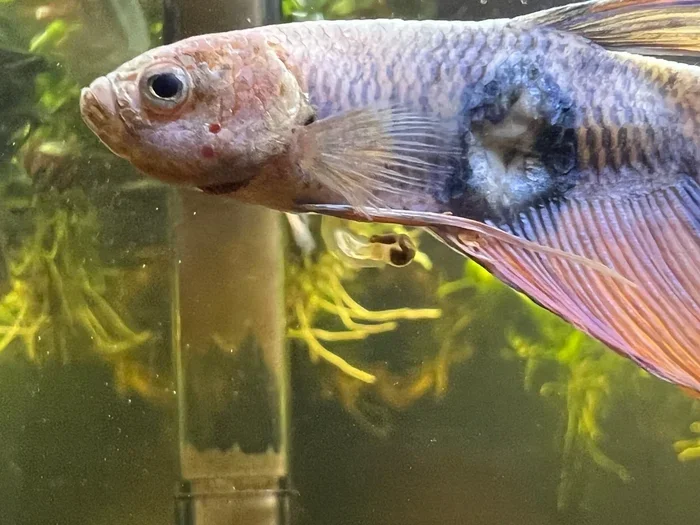
The marine betta, also known as the comet betta or Betta pugnax, is a species native to Southeast Asia. Unlike the common freshwater betta you see in pet stores, the marine betta lives in brackish and saltwater environments. They grow up to about 2.5 inches and have long, elegant fins with striking patterns. Their natural habitat includes mangrove swamps and coastal waters where the water is slightly salty.
Many people confuse marine bettas with freshwater bettas. They look similar but have very different care requirements. A marine betta fish needs saltwater conditions, a more complex tank setup, and a specific diet. Understanding these differences is the first step toward becoming a successful betta keeper. If you have experience with freshwater bettas, you will still need to adjust your approach for saltwater care.
Why Choose a Marine Betta?
There are many reasons to choose a marine betta over other saltwater fish. They are relatively small, which makes them perfect for nano tanks. Their personalities are fascinating too. Marine bettas are curious and interactive. They will swim up to the glass and watch you move around the room. They are also hardier than many other saltwater species, which makes them a great choice for beginners getting into reef keeping.
Another big plus is their stunning appearance. The colors of a healthy marine betta are incredibly vivid. Males tend to have longer fins and brighter colors than females. Whether you are a seasoned aquarist or just starting out, a marine betta fish adds beauty and personality to any saltwater setup.
Setting Up the Perfect Tank for Your Marine Betta
A proper tank setup is the foundation of good marine betta fish care. Getting this right from the start prevents most problems later. Your betta needs an environment that mimics its natural habitat as closely as possible. Here is what you need to know about creating the ideal home.
Tank Size and Type
A minimum tank size of 20 gallons is recommended for a single marine betta. While they are small fish, they appreciate swimming space. A larger tank also makes it easier to maintain stable water parameters. Avoid keeping your betta in bowls or tiny containers. These restrict movement and make it very hard to keep the water quality stable.
If you want to keep multiple fish, consider a 40-gallon or larger tank. The extra space gives everyone room to establish territories. For more detailed guidance on aquarium setup, check out our article on how to set up a fish tank for betta fish.
Equipment You Will Need
Here is a list of essential equipment for your marine betta tank:
- Protein skimmer – removes organic waste before it breaks down
- Quality heater – maintains stable temperature between 76-82°F
- Powerhead or circulation pump – creates gentle water flow
- Live rock – provides natural filtration and hiding spots
- Saltwater mix – for preparing the right salinity
- Hydrometer or refractometer – measures salinity levels
- LED lighting – supports any live plants or corals
- Thermometer – monitors temperature daily
Each piece of equipment plays an important role. Do not skip any of them, even if your budget is tight. A well-equipped tank gives your marine betta fish the best chance at a long and healthy life.
Creating a Natural Habitat
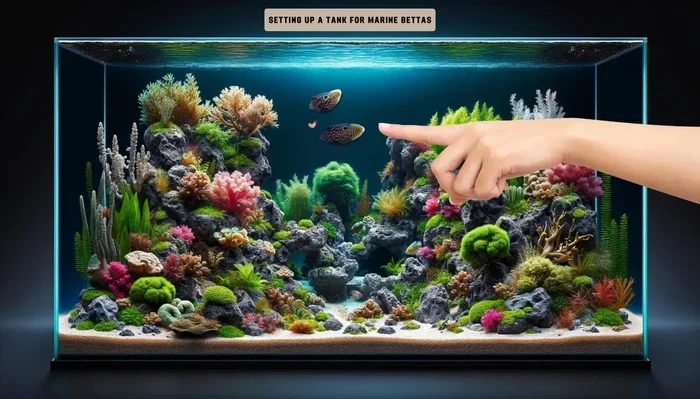
Marine bettas feel most comfortable in tanks that resemble their natural environment. Use plenty of live rock to create caves, overhangs, and crevices. These give your betta places to hide and explore. You can also add substrate like fine sand or crushed coral. Avoid sharp gravel that could damage their delicate fins.
Live plants are a great addition too. They improve water quality and provide natural cover. Java moss and macroalgae work well in marine betta tanks. The goal is to create a space that looks and feels natural. Your betta will be less stressed and more active in an environment like this.
Feeding Your Marine Betta Fish
Feeding is one of the most important parts of marine betta fish care. These fish are carnivores by nature. Their diet in the wild consists of small crustaceans, insect larvae, and tiny fish. In captivity, you need to replicate this as closely as possible.
What to Feed Your Marine Betta
A protein-rich diet is essential for your marine betta. High-quality marine pellets or flakes should form the base of their diet. Look for foods that list fish or shrimp as the first ingredient. Supplement their diet with frozen or live foods like brine shrimp, mysis shrimp, and bloodworms. These foods provide extra nutrition and stimulate natural hunting behavior.
Here is a simple feeding schedule you can follow:
- Morning: Offer a small pinch of high-quality marine pellets
- Evening: Add a few frozen or live brine shrimp
- 2-3 times per week: Include mysis shrimp or bloodworms as a treat
Feed only what your betta can eat in 2-3 minutes. Overfeeding leads to poor water quality and health problems. A protein-rich diet keeps your marine betta’s colors bright and energy levels high.
Common Feeding Mistakes
One of the biggest mistakes is feeding too much. Excess food sinks to the bottom and decays, polluting the water. Another mistake is offering the same food every day. Variety is important for balanced nutrition. Some keepers also skip fasting days, which can cause digestive issues. Give your betta one fasting day per week to help their system reset.
Water Quality and Maintenance
Clean, stable water is the single most important factor in marine betta fish health. Unlike freshwater setups, saltwater tanks require more attention to water chemistry. Even small changes in salinity or pH can stress your fish. Here is how to keep your water in top condition.
Water Parameters to Monitor
Keep these key parameters within the recommended ranges:
- Temperature: 76-82°F (24-28°C)
- Salinity: 1.020-1.025 specific gravity
- pH: 8.1-8.4
- Ammonia: 0 ppm
- Nitrite: 0 ppm
- Nitrate: Below 20 ppm
- Phosphate: Below 0.5 ppm
Test your water at least once a week using a reliable saltwater test kit. Write down your readings so you can spot trends over time. Stable parameters are more important than perfect numbers. Sudden swings in any parameter can cause serious stress to your marine betta fish.
Water Changes and Filtration
Perform regular water changes to remove built-up waste and replenish essential minerals. A 10-15% water change every week is a good routine for most marine betta tanks. Use a gravel vacuum to clean the substrate during water changes. Always treat new water with a quality conditioner before adding it to your tank.
Your filtration system should include both mechanical and biological filtration. A protein skimmer is highly recommended for marine setups. It removes dissolved organic compounds before they break down into harmful substances. For more tips on maintaining clean water, read our guide on how to take care of betta fish water.
The Importance of Cycling Your Tank
Never add your marine betta to an uncycled tank. The nitrogen cycle converts toxic ammonia into less harmful nitrate. This process takes 4-6 weeks to complete. Use a liquid bacteria starter to speed up the process. Test your water daily during cycling until ammonia and nitrite readings are zero. Adding your betta too early can be fatal. Patience during this stage pays off tremendously.
Common Health Issues and How to Prevent Them
Even with the best care, marine bettas can sometimes fall ill. Knowing the signs of common problems helps you act fast. Prevention is always better than treatment, but early intervention makes a big difference.
Signs Your Betta May Be Sick
Watch for these warning signs in your marine betta fish:
- Loss of appetite – refusing food for more than two days
- Faded colors – dull or pale coloring
- Clamped fins – fins held close to the body
- Rapid breathing – gasping at the surface
- White spots – a sign of ich or other parasites
- Lethargy – staying in one spot and not moving
- Red or inflamed gills – possible bacterial infection
If you notice any of these symptoms, act quickly. Test your water parameters first. Most health issues are caused by poor water quality. For more information on identifying and treating illness, check out our article on how to care for sick betta fish.
Prevention Tips
The best way to keep your marine betta healthy is through prevention. Maintain consistent water parameters, feed a balanced diet, and avoid sudden changes in the tank. Quarantine any new fish before adding them to your main tank. This prevents the spread of diseases and parasites. Keep your tank clean with regular maintenance, and your betta will thank you with vibrant colors and active behavior.
Stress Reduction
Stress is the number one cause of illness in marine bettas. Loud noises, bright lights, and aggressive tank mates can all cause stress. Place your tank in a quiet area of your home. Use dim, adjustable lighting to create a calm environment. Provide plenty of hiding spots with live rock and plants. A stress-free betta is a healthy betta.
Tank Mates and Compatibility
Choosing the right tank mates for your marine betta is an important part of care. Marine bettas can be territorial, especially males. However, they are generally peaceful compared to other betta species. The key is selecting compatible fish that share similar water requirements.
Good Tank Mates for Marine Bettas
These fish tend to do well alongside marine bettas:
- Small gobies – peaceful and non-aggressive
- Clownfish – hardy and entertaining
- Firefish – colorful and calm
- Royal grammas – similar size and temperament
- Shrimp – cleaner shrimp help maintain the tank
Avoid housing your marine betta with large, aggressive fish. Fin-nippers can damage your betta’s beautiful fins. Also avoid keeping multiple male bettas in the same tank. Each fish needs its own territory to feel safe. For more information on general betta care, visit our guide on how to care for a betta fish.
Introducing New Fish to Your Tank
Always introduce new fish gradually. Float the bag in your tank for 15-20 minutes to equalize the temperature. Then slowly add small amounts of your tank water to the bag over 30 minutes. This helps your new fish adjust to the water conditions. Watch for any signs of aggression from your marine betta during the first few days. Be ready to rearrange the tank if territories need redefining.
Key Takeaways
- Marine betta fish need a properly cycled saltwater tank with stable water parameters to stay healthy.
- A protein-rich diet with variety keeps your marine betta active and vibrant.
- Regular water changes and quality testing are essential for preventing disease.
- Choosing the right tank mates reduces stress and aggression in your betta.
- Setting up live rock and hiding spots creates a natural and comfortable environment.
- Early detection of illness signs leads to faster treatment and better outcomes.
- Consistent temperature control between 76-82°F supports optimal betta health.
Conclusion
Caring for a marine betta fish is a rewarding experience that brings beauty and joy to your home. From setting up the perfect tank to maintaining clean water and providing a nutritious diet, every step matters. These fish are more resilient than many people give them credit for, but they still need consistent, attentive care.
Start with the basics and build from there. Get your tank cycling properly, invest in quality equipment, and establish a feeding and maintenance routine. Monitor your water parameters regularly and watch your fish for any signs of stress or illness. With patience and dedication, your marine betta fish will thrive and bring you years of enjoyment.
Remember that every tank is different. What works for one setup might need adjustment in another. Trust your instincts, keep learning, and never hesitate to ask for advice from experienced aquarists. Your marine betta depends on you for its well-being, and with the knowledge in this guide, you are well on your way to becoming a confident and capable betta keeper.
Frequently Asked Questions
How often should I feed my marine betta fish?
Feed your marine betta once or twice a day with small amounts. Only offer what they can eat within 2-3 minutes. One fasting day per week helps prevent digestive issues and keeps their system functioning properly.
Can marine betta fish live in a freshwater tank?
No, marine bettas need saltwater or brackish conditions to thrive. Freshwater setups do not provide the right salinity and mineral balance. Always maintain proper salt levels using a quality saltwater mix and monitor with a hydrometer or refractometer.
What is the lifespan of a marine betta fish?
With proper care, a marine betta can live 3 to 5 years in captivity. Factors like water quality, diet, and stress levels all influence their lifespan. Consistent maintenance and a healthy environment will help your betta live a full and active life.
Are marine betta fish aggressive toward other fish?
Marine bettas can be territorial, especially males. They may chase or nip at fish that enter their space. Choosing peaceful, similarly-sized tank mates reduces aggression. Providing plenty of hiding spots and territory boundaries helps keep everyone calm.
Do marine betta fish need a protein skimmer?
A protein skimmer is highly recommended for marine betta tanks. It removes dissolved organic waste before it breaks down into harmful compounds. While not absolutely required, a skimmer makes water maintenance much easier and helps keep your betta healthier.
How do I know if my marine betta fish is stressed?
Signs of stress include clamped fins, loss of appetite, faded colors, rapid breathing, and lethargy. Stress is often caused by poor water quality, aggressive tank mates, or sudden changes in the environment. Test your water parameters regularly and create a calm, stable environment to reduce stress.