How to Prevent Betta Fish Diseases
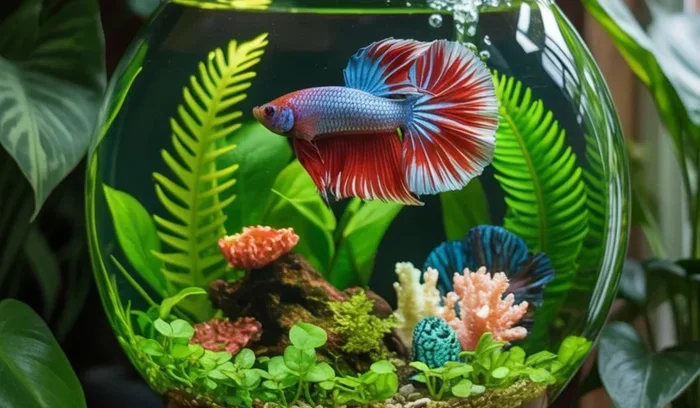
Preventing betta fish diseases starts with clean water, proper nutrition, and a stress-free environment. By following a few key habits like regular water changes, monitoring water parameters, and quarantining new fish, you can dramatically reduce the risk of illness. This guide covers everything you need to keep your betta fish healthy and thriving.
Keeping your betta fish healthy is one of the most rewarding parts of fish keeping. Nobody wants to watch their beloved pet struggle with a preventable illness. The good news is that preventing betta fish diseases is far easier than treating them once they take hold.
Most betta fish diseases come from poor water quality, improper diet, or environmental stress. When you understand what causes these problems, you can take simple steps to stop them before they ever start. This guide walks you through every proven method to keep your betta fish healthy and disease-free.
Whether you are a complete beginner or a seasoned aquarist, these tips will help you build a routine that protects your fish every single day. Let us dive into the world of betta fish care and learn how to create a safe, clean, and joyful home for your finned friend.
Key Takeaways
- Clean water is the #1 defense: Regular water changes and proper filtration prevent most betta fish diseases before they start.
- A balanced diet boosts immunity: Feeding high-quality food keeps your betta’s immune system strong and ready to fight off infections.
- Watch for early warning signs: Catching symptoms like clamped fins, lethargy, or loss of appetite early makes treatment much easier.
- Quarantine new fish and plants: Isolating new additions for two weeks stops the spread of hidden diseases to your main tank.
- Reduce stress at all costs: Stressed bettas are far more vulnerable to illness, so maintaining a calm and stable environment is essential.
- Tank cycling matters enormously: A fully cycled tank keeps toxic ammonia and nitrite levels at zero, protecting your betta from disease.
- Live plants and proper décor help: They improve water quality and provide hiding spots that reduce stress in your betta fish.
📑 Table of Contents
- Why Preventing Betta Fish Diseases Matters
- Understanding Common Betta Fish Diseases
- Creating a Healthy Tank Environment
- Nutrition and Diet for Disease Prevention
- Recognizing Early Warning Signs of Illness
- Quarantine and Isolation Best Practices
- Building a Daily and Weekly Care Routine
- Common Mistakes That Lead to Betta Fish Disease
- When to Seek Professional Help
- Conclusion
Why Preventing Betta Fish Diseases Matters
Prevention is always better than cure. When a betta fish gets sick, it suffers, and treatment can be stressful for both the fish and the owner. Some diseases progress fast and become life-threatening within days. Others weaken the fish slowly, making it prone to secondary infections.
By focusing on betta fish health prevention, you avoid all of that. A healthy betta fish swims actively, shows vibrant colors, and eats eagerly. Preventing diseases means fewer vet visits, fewer medications, and a much happier fish. Plus, a clean and well-maintained tank looks better and smells better too.
The cost of prevention is tiny compared to the cost and effort of treating a full-blown infection. A few simple habits save you time, money, and heartache. That is why every betta owner should make disease prevention a top priority.
Understanding Common Betta Fish Diseases
Bacterial Infections
Bacterial infections are among the most common health threats for betta fish. They often show up when water quality drops or when the fish is stressed. Signs include red streaks on the body, open sores, and cloudy or inflamed fins. Bacterial infection can spread quickly if left untreated, so catching it early is critical.
Poor water quality is the biggest trigger for bacterial problems. When ammonia or nitrite levels rise, the fish’s immune system weakens. This gives bacteria the perfect opportunity to attack. Regular water changes and proper filtration are your first line of defense.
Fungal Infections
Fungal infections usually appear as white cotton-like growths on the skin, fins, or mouth. They tend to target fish that are already weakened by injury or poor living conditions. Fungal problems are less common than bacterial ones, but they still pose a real threat if you ignore fish tank maintenance.
Fungi thrive in dirty water with decomposing organic matter. Uneaten food, dead plant leaves, and waste buildup create the perfect breeding ground. Keeping the tank clean removes the conditions fungi need to grow. This is one of the simplest and most effective ways to protect your betta.
Parasitic Diseases
Parasites like ich, velvet, and anchor worms are tiny organisms that attach to or live inside the betta fish. They cause itching, rapid breathing, and visible spots or specks on the body. Parasitic disease often enters a tank through new fish, plants, or decorations that were not properly quarantined.
Parasites spread fast in crowded or poorly maintained tanks. They weaken the fish and make it susceptible to other infections. The best way to prevent parasitic outbreaks is to isolate new arrivals and maintain excellent water parameters at all times.
Creating a Healthy Tank Environment
Tank Cycling and Water Parameters
A fully tank cycling process is the foundation of a healthy betta habitat. Cycling establishes beneficial bacteria that break down toxic ammonia and nitrite. Without a cycled tank, these poisons build up and make your betta fish sick very quickly.
Test your water regularly for ammonia, nitrite, and nitrate levels. Ammonia and nitrite should always read zero. Nitrates should stay below 20 ppm. Stable water parameters mean a stable and healthy environment. Use a reliable liquid test kit rather than test strips for the most accurate readings.
Filtration and Water Changes
A good filtration system keeps the water clean by removing waste, excess food, and harmful chemicals. Choose a filter with a gentle flow, since bettas do not like strong currents. Sponge filters work great for betta tanks because they provide mechanical and biological filtration without creating too much water movement.
Regular water changes are equally important. Replace 25 to 30 percent of the tank water every week. This removes dissolved waste and refreshes essential minerals. Always use tap water conditioner to neutralize chlorine and chloramine before adding new water. If you are unsure how to do this properly, check out our guide on how to take care of betta fish water for detailed steps.
Temperature and Heating
Betta fish are tropical creatures that need warm, stable water temperatures. The ideal range is between 78 and 80 degrees Fahrenheit. Cold water slows down their metabolism and weakens their immune system, making them vulnerable to disease.
Use a reliable aquarium heater with a thermostat to maintain a consistent temperature. Avoid placing the tank near windows, air conditioners, or drafts that cause temperature swings. A stable environment reduces stress and keeps your betta’s immune system strong and ready to fight off illness.
Live Plants and Décor
Live plants do wonders for betta fish health. They absorb nitrates, produce oxygen, and provide natural hiding spots that help your betta feel safe. Plants like Java fern, Anubias, and Amazon sword are hardy and betta-friendly. Adding greenery improves the overall aquarium hygiene and creates a more natural habitat.
When choosing decorations, avoid sharp or rough items that can tear fins and cause injuries. Open wounds are entry points for bacteria and fungi. Smooth gravel, soft substrate, and gentle décor keep your betta safe and comfortable. A well-decorated tank also encourages natural behaviors and reduces boredom and stress.
Nutrition and Diet for Disease Prevention
What you feed your betta fish plays a huge role in its overall health and ability to fight off disease. A proper diet provides the vitamins, protein, and nutrients needed to maintain a strong immune system. Without proper nutrition, even the cleanest tank cannot fully protect a fish from illness.
High-quality betta pellets should form the staple of your fish’s diet. Look for pellets with real fish meal as the first ingredient and minimal fillers. Supplement their diet with frozen or live foods like brine shrimp, bloodworms, and daphnia a few times a week. These foods add variety and boost nutritional value.
Overfeeding is one of the biggest mistakes new betta owners make. Excess food decays in the water and pollutes the tank, leading to poor water quality. Feed your betta two small meals per day, only what it can consume in two to three minutes. A well-fed betta is a healthy betta.
Recognizing Early Warning Signs of Illness
Catching diseases early gives you the best chance of helping your betta recover quickly. Every betta owner should learn to recognize the subtle betta fish symptoms that signal something is wrong. The sooner you spot trouble, the easier it is to address.
Watch for these common warning signs:
- Clamped fins: Fins held close to the body instead of spread out.
- Lethargy: Spending most of the time at the bottom or hiding.
- Loss of appetite: Refusing food for more than a day or two.
- Discoloration: Fading colors or unusual spots and patches.
- Rapid breathing: Gills moving faster than normal, often near the water surface.
- Scratching against objects: Rubbing or flicking against decorations or gravel.
- Swollen abdomen: A bloated belly that may indicate dropsy or constipation.
If you notice any of these signs, act quickly. Test your water parameters first, since poor water is the root cause of most problems. If water quality looks fine, consider whether your fish might be suffering from an infection or parasite. Our article on how to cure betta fish diseases provides detailed treatment steps for common illnesses.
Quarantine and Isolation Best Practices
Why Quarantine New Fish
One of the smartest things you can do is set up a separate quarantine tank for new fish and plants. Many diseases are invisible at the time of purchase. A fish that looks perfectly healthy in the store could be carrying parasites or bacteria that spread to your main tank within days.
Keep new arrivals in quarantine for at least two weeks. Observe them closely for any signs of illness during this period. Treat any problems in the quarantine tank rather than exposing your entire collection to medication. This simple habit prevents the majority of disease outbreaks in established tanks.
Reducing Stress in Your Betta
Stress is one of the biggest contributors to disease in betta fish. A stressed fish produces cortisol, a hormone that suppresses the immune system. When the immune system is weak, even harmless bacteria in the water can cause serious infections.
Common stressors include aggressive tank mates, loud noises, bright flashing lights, and sudden changes in water temperature. Keep your betta in a calm environment with appropriate tank size (at least 5 gallons). If you need to move or transport your fish, handle it gently and follow proper procedures. For tips on safe handling, read our guide on how to transport a betta fish long distance.
Adding hiding spots with plants and caves gives your betta a sense of security. A confident and relaxed fish is a healthy fish. Stress reduction should be a core part of every betta fish care routine.
Building a Daily and Weekly Care Routine
Consistency is the secret weapon in disease prevention. When you follow a regular care schedule, problems rarely get a chance to develop. Here is a simple routine to keep your betta fish tank in top shape.
Daily tasks:
- Feed your betta twice a day with appropriate portions.
- Observe your fish for any behavioral changes or warning signs.
- Check the heater and filter to make sure they are working properly.
Weekly tasks:
- Perform a 25 to 30 percent water change using conditioned water at the right temperature.
- Vacuum the gravel to remove debris and uneaten food.
- Test water parameters including ammonia, nitrite, nitrate, and pH.
- Wipe down the inside of the tank glass to remove algae buildup.
- Inspect plants and decorations for any decay or damage.
Sticking to this routine takes just 15 to 20 minutes per week, but it pays off enormously. A consistent care schedule keeps betta fish health at its peak and catches small problems before they become big ones.
Common Mistakes That Lead to Betta Fish Disease
Even experienced owners sometimes make mistakes that increase the risk of disease. Here are the most common pitfalls to avoid:
- Skipping water changes: Dirty water accumulates toxins that weaken the fish over time.
- Overcrowding the tank: Too many fish or decorations creates stress and reduces water quality.
- Ignoring water temperature: Cold or fluctuating temperatures suppress the immune system.
- Overfeeding: Excess food rots in the water and spikes ammonia levels.
- Adding untreated tap water: Chlorine and chloramine in untreated water are toxic to bettas.
- Skipping quarantine: Introducing new fish or plants without isolation risks spreading hidden diseases.
Avoiding these mistakes puts you ahead of most betta owners. Each one is a preventable cause of illness, and none of them require much effort to fix. Small habits lead to big results when it comes to preventing betta fish diseases.
When to Seek Professional Help
Sometimes, despite your best efforts, a betta fish falls ill. If your fish shows severe symptoms like open wounds, inability to swim, or complete loss of appetite, it may be time to consult a veterinarian or experienced fish keeper. Early professional intervention can make the difference between a full recovery and a tragic loss.
Keep a basic fish health kit on hand with medications for common issues like ich and fungal infections. However, always research or consult an expert before medicating, since some treatments can harm bettas if used incorrectly. If you are dealing with a specific condition, our guide on how to treat a stressed betta fish offers helpful advice on calming and caring for an unwell fish.
Conclusion
Preventing betta fish diseases comes down to a few simple but powerful habits. Clean water, proper nutrition, a stable environment, and keen observation form the four pillars of disease prevention. When you commit to these practices, your betta fish has the best possible chance of living a long, healthy, and vibrant life.
You do not need expensive equipment or advanced knowledge to keep your betta healthy. A little consistency and care go a very long way. Start building your daily and weekly routine today, and you will see the difference in your fish’s energy, color, and overall happiness. A healthy betta is a joy to watch, and it is all within your control.
Frequently Asked Questions
What are the most common betta fish diseases?
The most common diseases include bacterial infections, fungal infections, ich, velvet, and fin rot. Most of these are caused by poor water quality, stress, or exposure to pathogens from new tank mates. Regular maintenance and quarantine practices significantly reduce the risk of these diseases.
How often should I change my betta fish tank water?
Perform a 25 to 30 percent water change every week. This removes accumulated waste, excess nutrients, and harmful chemicals. Weekly changes keep water quality stable and are one of the most effective ways to prevent illness in your betta fish.
Can poor diet cause betta fish diseases?
Yes, absolutely. A poor or imbalanced diet weakens the immune system, making your betta more susceptible to infections and parasites. Feeding high-quality pellets supplemented with frozen or live foods ensures your fish gets the nutrients it needs to stay healthy and fight off disease.
Do I really need a quarantine tank?
A quarantine tank is highly recommended, especially if you plan to add new fish or plants to your main tank. Many diseases and parasites are invisible at the time of purchase. A two-week quarantine period lets you observe new arrivals and treat any issues without risking your entire fish collection.
What temperature is best for preventing betta fish diseases?
Keep the water temperature between 78 and 80 degrees Fahrenheit. This range supports a strong immune system and healthy metabolism. Avoid temperature swings by using a reliable heater and placing the tank away from drafts, direct sunlight, and heat sources.
How can I tell if my betta fish is stressed?
Stressed bettas often show clamped fins, lethargy, loss of appetite, and rapid breathing. They may also hide frequently or scratch against decorations. Reducing stressors like loud noises, bright lights, aggressive tank mates, and unstable water parameters helps keep your betta calm and healthy.