How to Make Mate Betta Fish
Breeding betta fish requires patience, the right setup, and proper conditioning. This guide walks you through everything you need to know to successfully make mate betta fish, from understanding their natural behavior to raising healthy fry. You will learn proven steps to create the ideal breeding environment and avoid common mistakes.
Key Takeaways
- Conditioning matters: Feeding your bettas high-quality food for 1-2 weeks before breeding greatly increases success rates.
- The right tank setup is essential: A separate breeding tank with gentle filtration and floating plants encourages natural spawning behavior.
- Watch for courtship signs: Bubble nests, flaring, and chasing are normal parts of betta mating behavior.
- Remove the female after spawning: Male bettas can become aggressive toward females once eggs are released.
- Fry care requires attention: Infusoria and baby brine shrimp are the best first foods for newborn betta fry.
- Avoid common mistakes: Skipping the conditioning phase or using the wrong water temperature are the top breeding errors.
📑 Table of Contents
Understanding Betta Fish Mating Behavior
If you want to make mate betta fish, you first need to understand how these beautiful creatures behave during breeding. Betta fish, also known as Siamese fighting fish, have a fascinating and somewhat dramatic mating process. Knowing what to expect makes the whole experience much smoother.
In the wild, bettas breed in shallow rice paddies and slow-moving waters. The male builds a bubble nest on the surface, then courts the female until she releases eggs. The male then fertilizes them and collects the eggs in his mouth to place in the nest. Understanding this natural process helps you replicate it in a home aquarium.
Do Betta Fish Need to Mate?
Some fishkeepers wonder if breeding is necessary. The answer is no. Bettas can live happy, healthy lives without ever mating. However, if you are interested in betta fish breeding, it helps to know that the process is natural for them. You can also check our guide on Do Betta Fish Have To Mate for more details on this topic.
Signs Your Bettas Are Ready to Breed
Not every pair of bettas will be ready to mate at the same time. Look for these signs:
- The male builds a bubble nest at the surface of the water.
- The female develops a visible white egg spot on her underside.
- The male flares frequently and shows intense coloration.
- The female develops a thicker body shape from carrying eggs.
- Both fish show interest in each other without excessive aggression.
When you see these signs, you are ready to move to the next steps.
Preparing Your Betta Fish for Breeding
Before you introduce a male and female, proper preparation is key. Rushing this stage is the most common reason breeding attempts fail. Take your time and follow these steps carefully.
Conditioning the Pair
Conditioning means feeding both bettas high-quality, nutrient-rich food for 1 to 2 weeks before introducing them. This prepares their bodies for spawning. Use live or frozen foods like brine shrimp, bloodworms, and daphnia. You can also make betta fish food at home using simple ingredients to ensure they get the best nutrition.
Feed them 2 to 3 times a day in small amounts. The goal is to make them healthy and energetic without overfeeding. Well-conditioned bettas produce more viable eggs and sperm, which leads to better results.
Choosing the Right Pair
Not all bettas will get along during breeding. Here is what to look for:
- Choose a male and female that are roughly the same size.
- Pick fish that are between 4 and 12 months old for best results.
- Avoid pairing fish that show extreme aggression toward each other.
- Make sure both fish are healthy with no visible signs of disease.
If you are unsure about the health of your fish, how to make your betta fish healthy again should be your first priority before attempting breeding.
Creating the Right Environment
A happy fish breeds better. Keeping your bettas in good conditions before the breeding attempt matters a lot. You want to make your betta fish happy by maintaining clean water, proper temperature, and a stress-free environment. This builds their overall health and readiness for mating.
Setting Up the Breeding Tank
A dedicated breeding tank is essential for successful betta fish mating. You should never breed bettas in a community tank. The male can become territorial and aggressive, and other fish may harm the eggs or fry.
Tank Size and Setup
A 10-gallon tank works well for breeding. Here is what you need:
- Warm water kept at 78 to 80 degrees Fahrenheit.
- A sponge filter for gentle water flow.
- Floating plants or a breeding mop for the bubble nest.
- A bare bottom or soft substrate for easy cleaning.
- A lid to maintain warm, humid air above the water.
If you need help setting up the tank properly, check our guide on How To Set Up A Fish Tank For Betta Fish for detailed instructions.
Water Parameters for Breeding
Water quality directly affects breeding success. Keep these parameters in check:
| Parameter | Ideal Range |
|---|---|
| Temperature | 78-80°F (25.5-26.5°C) |
| pH Level | 6.5-7.0 |
| Water Hardness | 3-10 dGH |
| Ammonia | 0 ppm |
| Nitrite | 0 ppm |
| Nitrate | Under 20 ppm |
Use a reliable heater and thermometer to maintain stable temperature. Sudden changes in water conditions can stress both fish and ruin the breeding attempt.
The Mating Process Step by Step
Now comes the exciting part. Introducing the pair and watching the mating unfold is one of the most rewarding experiences in fishkeeping. But you need to know what to expect and how to intervene if needed.
Introducing the Male and Female
Place the female in a clear container inside the breeding tank first. Let the male see her for a few hours. This allows both fish to get used to each other’s presence. You will notice the male flaring and building or reinforcing his bubble nest.
After a few hours, release the female into the tank. Watch their interactions closely. Some chasing and flaring is normal. However, if the male bites the female or causes visible injury, separate them immediately.
What Happens During Spawning
The courtship process typically follows this pattern:
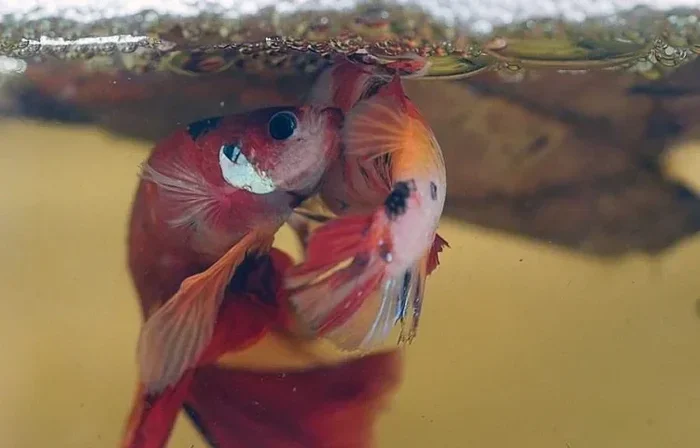
- The male wraps his body around the female in a T-shaped position.
- The female releases eggs, which the male fertilizes externally.
- The male collects the eggs and places them in the bubble nest.
- This process repeats multiple times over several hours.
Once the female releases all her eggs, she will usually become tired and float near the bottom. At this point, you should remove the female from the tank. The male may become aggressive toward her once the eggs are released. You can learn more about proper care during this phase by visiting our guide on How To Properly Take Care Of Betta Fish.
After Spawning: The Male’s Role
The male betta takes full responsibility after spawning. He guards the bubble nest, repairs it as needed, and retrieves any eggs that fall. He may appear to ignore food during this period. This behavior is completely normal and should not worry you.
Leave the male alone as much as possible. Disturbing the tank can cause him to abandon the nest or eat the eggs. Most hobbyists remove the male once the fry are free-swimming, usually 2 to 3 days after hatching.
Caring for Betta Eggs and Fry
Raising betta fry is a rewarding but demanding process. The first few weeks are the most critical. Here is what you need to know.
Hatching and Early Development
Betta eggs typically hatch within 24 to 48 hours. For the first 2 to 3 days, the fry will absorb their yolk sac for nutrition. Do not feed them during this time. Once the yolk sac is fully absorbed, they become free-swimming and ready for external food.
Feeding Newborn Betta Fry
Fry need extremely small, live foods to survive. Here are the best options:
- Infusoria: Microscopic organisms you can culture at home.
- Baby brine shrimp: The gold standard for betta fry food.
- Microworms: Easy to culture and perfect for small fry.
- Liquid fry food: Commercially available and convenient.
Feed the fry several times a day in tiny amounts. Overfeeding can foul the water quickly in a small fry tank. Clean water is just as important as good food for survival.
Growing Strong Fry
As the fry grow, you can gradually introduce larger foods. By the time they are two weeks old, they can eat newly hatched brine shrimp. Keep the water immaculately clean and watch for any signs of disease or weakness.
If you want to make betta fish grow faster during this stage, ensure they receive high-protein foods and maintain stable water conditions. Growth rates vary, but healthy fry will start showing their colors within 2 to 3 months.
Common Mistakes to Avoid When Breeding Betta Fish
Breeding bettas can go wrong quickly if you make avoidable errors. Here are the most common mistakes fishkeepers make:
Skipping the Conditioning Phase
Many beginners jump straight into introducing the pair without conditioning them first. This leads to fewer eggs, lower fertilization rates, and weak fry. Always spend at least one to two weeks conditioning both fish with premium foods.
Using the Wrong Water Temperature
Cold water slows down the breeding process and can prevent spawning altogether. Keep the temperature consistently warm. If you struggle with temperature control, look into how to make your betta fish tank warmer using reliable heating equipment.
Breeding Too Young or Too Old Fish
Bettas under 4 months or over 2 years old may not breed successfully. The ideal breeding age is between 4 and 12 months. Using fish outside this range often leads to failure.
Not Having a Separate Breeding Tank
Breeding in a community tank puts eggs and fry at risk from other fish. Always use a dedicated breeding setup to give the best chance of success.
Forgetting to Remove the Female After Spawning
Leaving the female in the tank after spawning can result in her being attacked by the male. This causes unnecessary stress and injury. Remove her promptly once egg release is complete.
Expert Tips for Better Breeding Results
Experienced breeders follow a few extra practices that make a big difference. Here are some insider tips:
- Use aged water: Let tap water sit for 24 hours before using it in the breeding tank.
- Dim the lights: Lower lighting reduces stress and encourages bubble nest building.
- Keep the tank still: Avoid sudden movements near the tank during courtship.
- Have a backup plan: Sometimes breeding fails, and that is okay. Try again with a different pair if needed.
- Record your results: Note what worked and what did not to improve future attempts.
Breeding betta fish is both an art and a science. Every attempt teaches you something new. With patience and attention to detail, you will improve your success rate over time.
Conclusion
Making mate betta fish is a deeply rewarding experience that requires preparation, patience, and care. From conditioning your pair to setting up the perfect breeding tank and raising the fry, each step matters. Follow the guidelines in this article, stay attentive, and you will give yourself the best chance of success.
Remember that not every breeding attempt will be perfect. Even experienced fishkeepers face failed spawns sometimes. What matters is that you learn from each experience and keep improving. Your efforts will pay off when you see healthy fry swimming in their tank.
Start with healthy fish, create the right environment, and give your bettas the best possible care throughout the process. Happy breeding!
Frequently Asked Questions
How long does it take for betta fish to mate?
The entire mating process from introduction to spawning typically takes 1 to 3 days. Courtship can last several hours, and the male may repeat the wrapping process multiple times until all eggs are released. After spawning, the male cares for the eggs for about 2 to 3 days until they hatch.
Can you breed two male betta fish together?
No, two male bettas should never be placed in the same tank. Male bettas are highly territorial and will fight aggressively, often to the death. Always pair one male with one female for breeding purposes, and monitor them closely during the process.
How many eggs do betta fish lay per spawning?
A healthy female betta can lay between 100 and 500 eggs per spawning cycle. However, not all eggs will be fertilized, and not all fry will survive. First-time breeders often produce fewer eggs, but success rates improve with experience and proper conditioning.
Why did my male betta eat his eggs?
This is a common occurrence, especially with inexperienced males. Stress, poor water quality, or disturbance of the nest can trigger this behavior. If it happens, do not be discouraged. Try again with a calmer environment and make sure the tank is not being bumped or flashed with bright lights.
What should I feed betta fry?
Newborn betta fry need extremely small live foods like infusoria or baby brine shrimp. As they grow, you can introduce microworms and finely crushed flake food. Feed them several small meals throughout the day, and always remove uneaten food to keep the water clean.
When can betta fry be separated from the male?
You can remove the male once the fry are free-swimming and no longer depend on him for protection. This usually happens 2 to 3 days after hatching. At this point, the male may start viewing the fry as food, so moving him to a separate tank is the safest approach.
=== META TITLE ===
How to Make Mate Betta Fish: Complete Breeding Guide
=== URL SLUG ===
how-to-make-mate-betta-fish
=== SEO TITLE ===
How to Make Mate Betta Fish: A Complete Guide