Why Do Betta Fish Form Bubbles

Betta fish form bubbles as a natural instinct tied to breeding, oxygen intake, and territory marking. Understanding the reasons behind bubble creation helps you create a better environment and spot potential health issues early.
Key Takeaways
- Bubble nests are a breeding behavior: Males build nests to attract females and protect eggs.
- Oxygen regulation: Bubbles help bettas access surface air, especially in low‑oxygen water.
- Stress indicator: Excessive bubbling can signal poor water quality or illness.
- Tank setup matters: Proper temperature, surface area, and plants encourage healthy bubbling.
- Observation is key: Watching bubble patterns can alert you to changes in health or behavior.
- Not all bubbles are the same: Distinguish between nest‑building bubbles and random surface bubbles.
- Internal resources: Learn more about related topics such as bubble nests and tank maintenance on our site.
📑 Table of Contents
- Introduction: The Curious Case of Bubbles
- 1. The Evolutionary Reason: Bubble Nests
- 2. Oxygen Needs and Surface Breathing
- 3. Stress, Illness, and Excessive Bubbling
- 4. Tank Setup that Encourages Healthy Bubbling
- 5. Observing and Interpreting Bubble Patterns
- 6. Frequently Asked Questions About Betta Bubbles
- Conclusion: Embrace the Bubbles
Introduction: The Curious Case of Bubbles
If you’ve ever watched a betta fish glide to the water’s surface and start blowing tiny bubbles, you’ve probably wondered, why do betta fish form bubbles? The answer is a blend of instinct, environment, and health. In this friendly guide we’ll break down the science, the signs, and the steps you can take to keep your betta happy.
Betta fish, also known as Siamese fighting fish, are famous for their vivid colors and dramatic flares. But their bubble‑blowing antics are just as fascinating. Whether you’re a seasoned hobbyist or a first‑time keeper, understanding bubble behavior will help you create a thriving aquarium.
1. The Evolutionary Reason: Bubble Nests
What is a bubble nest?
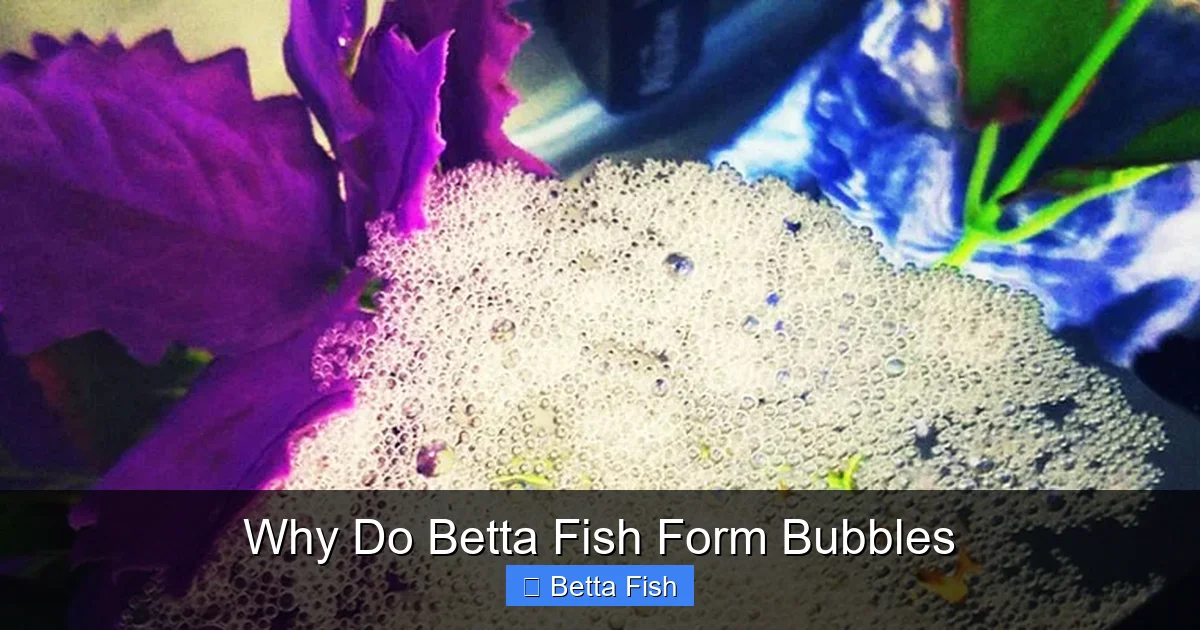
A bubble nest is a floating mass of bubbles that a male betta constructs on the water’s surface. The nest looks like a frothy pillow and serves two main purposes: attracting a female and providing a safe place for eggs and fry.
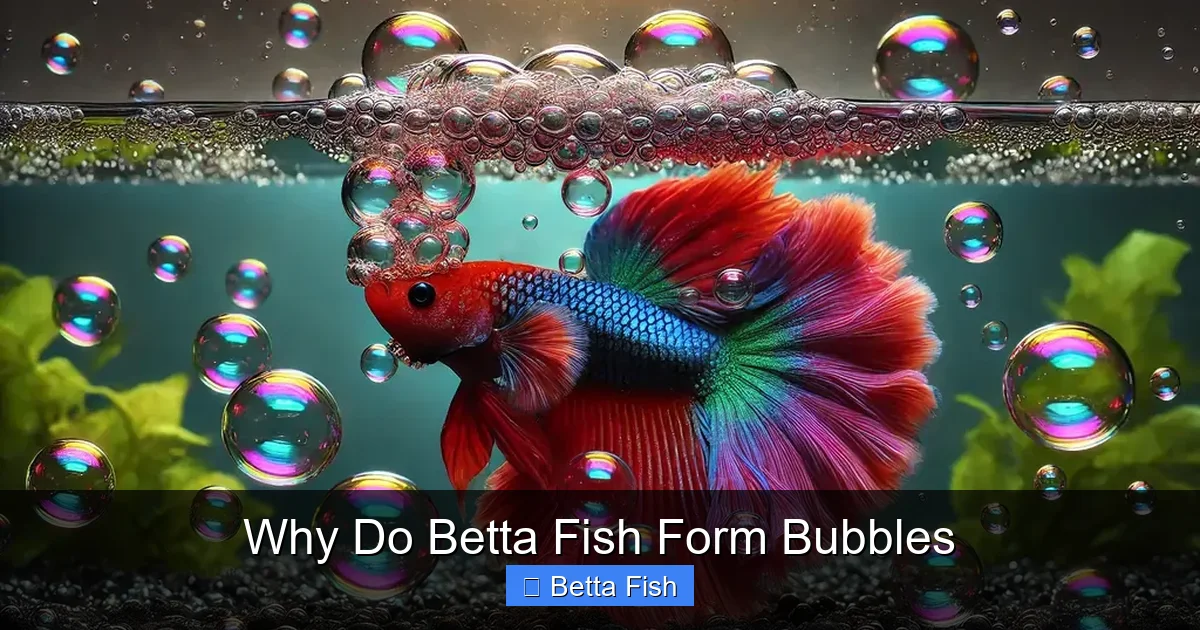
Visual guide about Why Do Betta Fish Form Bubbles
Image source: healthyhomeaquarium.com
How the nest is built
The male gathers air from the surface, mixes it with mucus from his mouth, and releases it through his gill covers. Over time, the bubbles stick together, forming a sturdy platform. The process can take several hours, especially when the fish is ready to breed.
When do bettas make nests?
In the wild, nesting coincides with the rainy season when water temperature rises to about 78‑80°F (25‑27°C). In captivity, you can trigger nesting by keeping the tank at optimal temperature, providing a calm environment, and offering a flat surface like a leaf or a piece of slate.
For a deeper dive into nesting behavior, see our article on why do betta fish make bubble nests.
2. Oxygen Needs and Surface Breathing
Betta anatomy: The labyrinth organ
Betta fish belong to the labyrinth family, which means they have a specialized organ that allows them to gulp air from the surface. This adaptation lets them survive in low‑oxygen environments like rice paddies.
Visual guide about Why Do Betta Fish Form Bubbles
Image source: bettafish.org
Why bubbles help with oxygen
When a betta forms bubbles, it is often a sign that the fish is seeking additional oxygen. The bubbles increase surface area, allowing more dissolved oxygen to dissolve into the water. In a well‑aerated tank, you’ll see fewer random bubbles, while a poorly aerated tank may prompt the fish to blow more.
Practical tip: Test your water
- Use a dissolved oxygen test kit or a simple water change routine.
- Maintain a gentle flow with a filter that creates surface agitation without causing a strong current.
- Consider adding live plants; they produce oxygen during the day.
3. Stress, Illness, and Excessive Bubbling
When bubbling is a warning sign
Not all bubbles are a sign of healthy breeding. Excessive, frantic bubbling can indicate stress from poor water quality, temperature spikes, or disease. If your betta is blowing bubbles continuously and not building a nest, investigate the tank conditions.
Visual guide about Why Do Betta Fish Form Bubbles
Image source: bettafish.org
Common stressors
- High ammonia or nitrite levels.
- Sudden temperature changes.
- Overcrowding or aggressive tank mates.
- Incorrect water hardness or pH.
Health check checklist
Look for faded colors, clamped fins, or labored breathing. If you notice these signs, perform a partial water change, test parameters, and consider a quarantine if other fish are present.
Read more about stress‑related bubbling in why is my betta fish making bubbles.
4. Tank Setup that Encourages Healthy Bubbling
Size and surface area
A tank with a wide surface area (at least 5 gallons) gives your betta plenty of space to access air. Shallow tanks with a large top surface are ideal for bubble nest building.
Substrate and décor
While bettas don’t need a sandy bottom, a soft substrate prevents injury. Adding a piece of broad-leaved plant or a smooth slate provides a platform for the nest.
Temperature and lighting
Maintain water temperature between 78‑80°F (25‑27°C). Use a gentle LED light on a 12‑hour cycle to mimic natural daylight, which encourages breeding behavior.
Water quality routine
- Change 25‑30% of water weekly.
- Use a water conditioner to remove chlorine and chloramines.
- Monitor pH (6.5‑7.5) and hardness (3‑4 dGH).
5. Observing and Interpreting Bubble Patterns
Typical bubble nest formation
A healthy nest starts with a few scattered bubbles, gradually forming a compact pillow. The male will hover near the surface, gently puffing more bubbles as needed.
Random surface bubbles
Sometimes a betta releases a single bubble while feeding or exploring. These are normal and not a cause for concern.
When to intervene
If bubbles are constantly rising to the surface without forming a nest, or if the fish seems to gasp for air, check water parameters immediately. Persistent issues may require a tank upgrade or a visit to a vet.
6. Frequently Asked Questions About Betta Bubbles
Below are quick answers to the most common queries we receive from betta owners.
Why do betta fish blow bubbles even when they aren’t breeding?
They may be seeking extra oxygen or simply practicing the behavior out of habit. A calm, well‑filtered tank usually reduces random bubbling.
Can female bettas make bubble nests?
Females have the labyrinth organ, so they can gulp air, but they rarely build nests. Nest building is primarily a male trait linked to courtship.
Do bubble nests need to be removed?
No. In fact, leaving the nest intact supports the male’s health. If the nest becomes too large and blocks the surface, gently remove excess bubbles with a soft net.
What should I feed my betta if it’s building a nest?
Offer high‑protein foods like frozen or live brine shrimp. This boosts energy for nest construction and potential breeding.
Is it normal for a betta to stop making bubbles after a few weeks?
Yes. Once the breeding season passes or the fish’s hormonal cycle changes, bubbling often decreases. Monitor for other health signs to be sure.
Can I use a bubble maker in my betta tank?
A gentle air stone can increase surface agitation, but avoid strong currents that stress the fish. Ensure any aeration does not disturb the nest.
Conclusion: Embrace the Bubbles
Understanding why betta fish form bubbles unlocks a window into their natural instincts and health. Whether it’s building a nest, gulping extra oxygen, or signaling stress, each bubble tells a story. By providing the right temperature, clean water, and a peaceful environment, you’ll encourage healthy bubbling and enjoy the spectacular displays your betta offers.
Remember, observation is your best tool. Keep an eye on bubble patterns, check water parameters regularly, and don’t hesitate to explore related topics like why betta fish blow bubbles for more insights. Happy fish‑keeping!
Frequently Asked Questions
Why do betta fish form bubbles when they are hungry?
Sometimes a betta will gulp air while searching for food at the surface. The bubbles are a side effect of the fish taking in oxygen, not a sign of hunger alone.
Can bubbles indicate poor water quality?
Excessive bubbling can be a stress response to high ammonia or low oxygen. Test your water and perform a partial change if parameters are off.
Do all betta fish build bubble nests?
Most male bettas will build nests when they are ready to breed, but some may never construct a full nest if conditions aren’t right.
How long does a bubble nest last?
A nest can remain for several days to weeks, depending on water movement and the male’s health. It will naturally dissolve if the fish stops maintaining it.
Is it safe to touch a bubble nest?
Gentle handling is okay, but avoid disturbing the nest too much. Rough contact can stress the male and cause him to abandon the nest.
What should I do if my betta stops making bubbles?
Check temperature, water quality, and feeding schedule. If everything looks good, the fish may simply be out of breeding mode.