Where Do Betta Fish Live in Nature
Contrary to popular belief, wild betta fish (Betta splendens) do not live in tiny, dirty puddles. They are native to the shallow, slow-moving, and heavily vegetated waters of Southeast Asia, including rice paddies, drainage canals, and the floodplains of major rivers. These environments are warm, acidic, and low in dissolved oxygen, which led to their famous labyrinth organ adaptation. Understanding their true natural habitat is crucial for providing proper care in captivity, as they require warm, clean water with plenty of hiding spots and surface access.
Key Takeaways
- Geographic Origin: Wild bettas are endemic to the tropical lowland regions of Thailand, Cambodia, Vietnam, and Malaysia, primarily in the Chao Phraya and Mekong river basins.
- True Habitat Type: They inhabit shallow, stagnant or very slow-moving bodies of water like rice paddies, marshes, shallow pools, and the edges of slow streams, not deep rivers or fast currents.
- Water Conditions: Their natural water is warm (75-85°F / 24-29°C), often acidic (pH 5.0-7.0), soft, and can have low dissolved oxygen due to dense vegetation and warm temperatures.
- Key Adaptation: The labyrinth organ, a specialized breathing structure, allows them to gulp atmospheric air from the surface—a direct adaptation to their oxygen-poor natural habitats.
- Vegetation is Critical: Dense floating and submerged plants are a hallmark of their habitat, providing oxygen, cover from predators, breeding sites (bubble nests), and food sources.
- Seasonal Changes: Their habitat is dynamic, with dramatic shifts between the wet season (flooded plains, connected waterways) and dry season (isolated pools and puddles).
- Not “Fighting” in the Wild: While males are territorial, wild bettas are not constantly engaged in life-or-death combat; their aggression is primarily over breeding territories and resources.
📑 Table of Contents
- Introduction: Beyond the Vase Myth
- The Geographic Heartland: Southeast Asia’s Tropical Lowlands
- Defining the Habitat: More Than Just a Puddle
- Water Chemistry: The Blueprint for Your Tank
- The Labyrinth Organ: An Evolutionary Masterpiece
- Diet and Foraging in the Wild
- Human Impact and Conservation: A Fragile Future
- Conclusion: Bringing the Wild Into Your Home
Introduction: Beyond the Vase Myth
If you were to close your eyes and picture a betta fish in the wild, what do you see? For decades, the popular image has been that of a tiny, resilient fish trapped in a muddy, isolated puddle or even a small glass vase, surviving on sheer will. This persistent myth does a profound disservice to one of the aquarium world’s most charismatic residents. The truth about where betta fish live in nature is far more fascinating, complex, and instructive for any betta keeper. Understanding their authentic wild environment is the first and most critical step in breaking the cycle of improper care and providing a thriving, healthy life for your pet.
Betta splendens, the species most commonly sold as “Siamese fighting fish,” is a native of a specific and ecologically rich part of our planet. Their story is not one of survival in barren wastelands, but of specialization and adaptation within vibrant, shallow aquatic ecosystems. These are not fish that endure harsh conditions; they are masters of a unique niche. By exploring their natural range, the precise characteristics of their habitats, and the evolutionary pressures that shaped them, we gain invaluable insights. This knowledge translates directly into actionable advice for aquarium setup—from water parameters and tank size to decor and tank mates. Let’s dive in and discover the real home of the wild betta.
The Geographic Heartland: Southeast Asia’s Tropical Lowlands
The story begins in a region of stunning biodiversity: the tropical lowlands of Southeast Asia. Wild bettas are not broadly distributed across the continent; they are endemic, meaning they are found nowhere else on Earth naturally. Their core range is tightly focused on the vast, flat floodplains and river basins of central Thailand, extending into neighboring Cambodia, southern Vietnam, and parts of Malaysia.
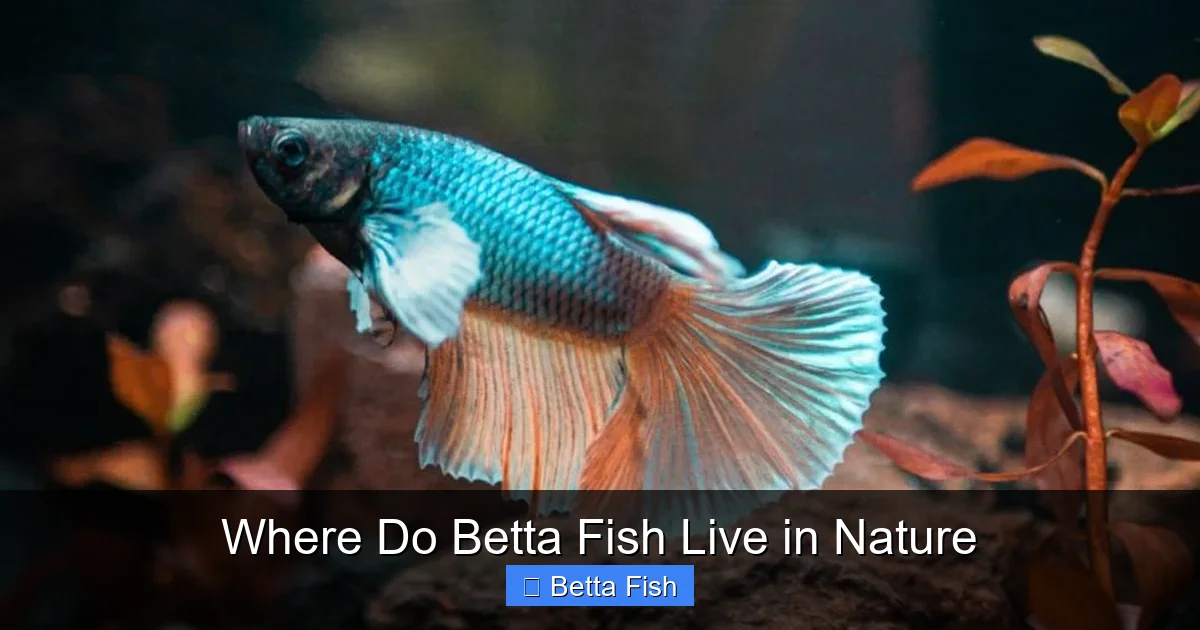
Visual guide about Where Do Betta Fish Live in Nature
Image source: cafishvet.com
The River Basins: Chao Phraya and Mekong
The two most significant geographical features defining the betta’s range are the mighty Chao Phraya River basin in Thailand and the Mekong River basin, which flows through Thailand, Laos, Cambodia, and Vietnam. It’s crucial to understand that bettas are not fish of the main river channels. They are creatures of the floodplain—the vast, flat expanse of land that borders these great rivers and becomes inundated during the rainy season. This floodplain is a mosaic of interconnected waterways: oxbow lakes, swamps, marshes, and countless shallow tributaries and drainage canals. This is the true kingdom of the wild betta.
Climate and Seasonality: A World of Extremes
The climate of this region is monsoonal, characterized by two starkly different seasons that dramatically reshape the betta’s world:
- The Rainy Season (May to October): Torrential rains cause the major rivers to overflow their banks. The entire floodplain becomes a vast, shallow sea of water. What were once isolated ponds and paddy fields become a interconnected aquatic highway. Betta fish can freely disperse through the submerged forests and grasslands, expanding their range and finding new resources.
- The Dry Season (November to April): As the rains cease, the water recedes. The floodplain drains, leaving behind a labyrinth of shrinking pools, puddles, and slow-draining canals. These water bodies become isolated from one another. It is during this season that the iconic image of a betta in a small, vegetated pool is most accurate. The ability to survive in these shrinking, warming, oxygen-depleting refuges is a testament to their hardy adaptations.
Defining the Habitat: More Than Just a Puddle
So, we know they live on the floodplain. But what does that environment actually look like? Describing it as “puddles” is a drastic oversimplification. A wild betta’s habitat is a specific type of shallow aquatic ecosystem with several non-negotiable characteristics.
Visual guide about Where Do Betta Fish Live in Nature
Image source: bestfishkeeping.com
Vegetation: The Essential Architecture
The single most important feature of a wild betta habitat is dense aquatic vegetation. This isn’t just a nice addition; it’s the foundation of their entire existence. The vegetation comes in two primary forms:
- Floating Plants: Species like water lettuce (Pistia), water hyacinth (Eichhornia), and duckweed (Lemna) form dense mats on the surface. These are absolutely critical. They provide the platform from which the male builds his bubble nest, a key part of the breeding process. They also shade the water, keeping temperatures down, reduce evaporation, and absorb excess nutrients.
- Submerged & Emergent Plants: Tall, reedy plants like cattails (Typha), sedges, and various grasses grow up through the water column. Their dense stems and leaves create a complex underwater forest, offering endless hiding places, territories, and foraging grounds. In rice paddies, the cultivated rice plants themselves provide this structure.
Practical Tip for Keepers: Your aquarium must replicate this vertical complexity. Use tall, flowing plants like Anubias or Java fern attached to driftwood, tall stem plants like Rotala or Hygrophila, and absolutely include some floating plants or a floating plant ring. This provides security, reduces stress, and encourages natural behaviors.
Water Movement and Clarity
Wild betta habitats are defined by their lack of current. The water is typically stagnant or moves at a snail’s pace, especially in the center of a vegetated pool or paddy field. You will not find bettas in riffles or rapids. This lack of flow is why their large, flowing fins are not a disadvantage in the wild—they don’t have to fight a current to move. The water is often tannin-stained from decaying plant matter, giving it a dark, tea-colored appearance (“blackwater”). This is not dirty water in the polluted sense; it’s a natural, soft, acidic environment. Clarity can vary from clear to very murky, depending on sediment disturbance.
Substrate: The Forest Floor of Their World
The bottom is typically a soft, fine substrate of silt, clay, and decomposing organic matter (detritus). It’s dark, soft, and often covered in a layer of fallen leaves, plant debris, and microorganisms. This soft substrate is important for any digging behavior and for the growth of beneficial bacteria and infusoria (microscopic life), which form the base of the food web.
Water Chemistry: The Blueprint for Your Tank
The physical structure of the habitat is only part of the story. The chemical composition of the water is a direct result of that environment and is fundamental to betta health. The parameters in a wild betta habitat are consistently at the softer, more acidic end of the spectrum.

Visual guide about Where Do Betta Fish Live in Nature
Image source: happybettafish.com
Temperature: A Tropical Constant
Southeast Asia is tropical. The water in these shallow, sun-warmed habitats is consistently warm, typically ranging from 75°F to 85°F (24°C to 29°C). There is little daily or seasonal fluctuation. The shallow depth means the water heats up quickly under the sun and cools slowly at night. This stable, high temperature is why bettas are so sensitive to cold in captivity; their metabolism is designed for warmth.
pH and Hardness: The Soft, Acidic Environment
The massive amount of decaying vegetation and the often lateritic (iron-rich) soil of the region releases tannins and humic acids into the water. This creates a soft, acidic environment. pH in the wild can range from about 5.0 to 7.0, with 6.0-6.5 being very common. General hardness (GH) and carbonate hardness (KH) are very low. This soft, acidic water is sometimes called “blackwater” or “peat water.” It’s the opposite of hard, alkaline tap water common in many Western countries.
Oxygen Levels: A Paradox of Plenty and Scarcity
Here lies the great paradox. The surface is often choked with floating plants, which *do* produce oxygen through photosynthesis during the day. However, the dense plant life and warm temperatures also lead to high rates of respiration (oxygen consumption) by plants and microorganisms, especially at night. The result can be water that is paradoxically low in dissolved oxygen for a fish that relies solely on gills. This is the environmental pressure that drove the evolution of the betta’s most famous feature.
The Labyrinth Organ: An Evolutionary Masterpiece
You cannot discuss where bettas live without discussing how they live there. The defining physiological adaptation of the betta—and its cousin, the gouramis—is the labyrinth organ. This is a folded, vascularized structure located in a chamber above the gills. It allows the fish to breathe atmospheric air directly.
How It Works and Why It Matters
A betta must reach the surface to gulp air. It’s not a preference; it’s a biological necessity. In their wild, oxygen-poor habitats, this ability is a lifesaver. While other fish might suffocate in the warm, still water under a thick plant mat, the betta simply rises, takes a breath of air, and continues. This adaptation has two major implications for their habitat preference:
- It allows them to occupy ecological niches (shallow, vegetated, stagnant water) that are unavailable to many other fish species, reducing competition and predation.
- It makes them uniquely vulnerable in captivity to a lack of surface access. A tank with a tight lid is fine, but a tank with no air-water interface (like a sealed “betta vase”) is a death sentence, as they cannot perform this vital behavior.
Practical Tip: Ensure your aquarium has a calm, unobstructed surface. Avoid using excessive surface film or oils. A small air stone set to create a very gentle ripple can help with gas exchange without creating a current the betta must fight.
Diet and Foraging in the Wild
Understanding what bettas eat in nature completes the picture of their habitat. They are not vegetarians, and they are not specialized predators of large prey. They are insectivores and micro-predators.
A Menu of Tiny Prey
A wild betta’s diet consists primarily of:
- Terrestrial Insects: This is the biggest component. They hunt insects that fall onto the water’s surface from overhanging vegetation—mosquito larvae, beetles, flies, ants, small crickets. Their upturned mouths are perfectly adapted for snatching prey from the surface film.
- Aquatic Invertebrates: They also pick at tiny crustaceans like Daphnia (water fleas), copepods, and shrimp fry, as well as worm-like larvae (bloodworms, midge larvae) found among the plants and detritus.
- Zooplankton: Microscopic animal life forms a significant part of their diet, especially for young bettas.
They are “ambush” predators. They do not chase prey relentlessly through the water column. Instead, they hover, often near the surface or within the plant cover, and strike with surprising speed when an unsuspecting insect or crustacean comes near.
Implications for Captive Feeding
This natural diet explains why high-quality betta pellets should be the staple, but must be supplemented with variety. Offer foods that mimic their wild prey: frozen or live daphnia, brine shrimp, bloodworms, and microworms. Occasional treats of blanched zucchini or cucumber can be offered, but protein should always be the primary ingredient. Overfeeding, especially of fatty foods like betta pellets, is a common cause of constipation and swim bladder issues—problems rarely encountered in the wild due to the irregular, active foraging required to find food.
Human Impact and Conservation: A Fragile Future
The natural habitats of the wild betta are under severe and increasing pressure. While the pet trade has made them one of the most popular fish in the world, the very existence of their wild counterparts is threatened in parts of their native range.
Habitat Loss: The Primary Threat
The biggest danger is the destruction and degradation of their wetland habitats. This occurs through:
- Agricultural Expansion: The conversion of natural wetlands and floodplains into intensive agriculture, particularly palm oil plantations, is a major driver of habitat loss. Even rice farming practices have changed, with less field margin vegetation and more chemical use.
- Urbanization and Infrastructure: The expansion of cities, roads, and dams alters water flow, pollutes waterways, and drains wetlands.
- Pollution: Runoff from agricultural pesticides, herbicides, and fertilizers, as well as industrial and urban sewage, degrades water quality. Wild bettas are sensitive to poor water conditions and chemical pollutants.
The Pet Trade: A Double-Edged Sword
The global demand for bettas has had a complex impact. On one hand, it has led to massive captive breeding operations, which, if done responsibly, can reduce pressure on wild populations. On the other hand, there are concerns about:
- Wild Collection: In some areas, wild bettas are still collected for the international trade, potentially impacting local populations if not managed sustainably.
- Genetic Dilution: If captive-bred bettas (with their spectacular, selectively bred colors and fins) are released into the wild, they could interbreed with native populations, potentially weakening genetic adaptations to the local environment.
Conservation status assessments vary by country. In Thailand, wild betta populations are considered vulnerable due to habitat loss. Efforts are underway in Thailand and elsewhere to study and protect their remaining natural habitats, recognizing the ecological and cultural value of this iconic species.
Conclusion: Bringing the Wild Into Your Home
The journey to understanding where betta fish live in nature reveals a creature of remarkable specialization. They are not survivors of barren mudholes; they are specialists of the lush, warm, vegetated, and oxygen-challenged wetlands of Southeast Asia. Their world is one of dramatic seasonal flooding and drying, of tannin-stained water, and of complex underwater jungles. Their famous aggression is a territorial behavior tied to scarce breeding resources in these confined wet-season pools, not a constant state of warfare.
This knowledge is not merely academic—it is the ultimate guide to ethical and successful betta keeping. When you set up your betta’s tank, you are not creating a prison; you are crafting a miniature, stable version of their ancestral home. This means:
- Providing a tank of meaningful size (minimum 5 gallons, more is better).
- Mimicking the water temperature (78-80°F is ideal) and, if possible, the soft, acidic parameters through natural means like Indian almond leaves, peat filtration, or driftwood.
- Furnishing the tank with abundant, varied vegetation—floating plants for security and bubble nesting, tall plants for vertical cover, and a soft substrate.
- Ensuring there is always calm surface access for that crucial gulp of air.
- Feeding a varied, high-protein diet that echoes their wild insectivorous habits.
By honoring the blueprint of their natural habitat, we move beyond the outdated myths. We provide our bettas with an environment that allows their natural behaviors to flourish, their colors to shine, and their health to thrive. In doing so, we connect with the wild, resilient spirit of the betta and become better, more responsible stewards of one of the aquarium world’s most extraordinary treasures.
Frequently Asked Questions
Do betta fish live in small puddles in the wild?
Not typically. While they can survive in isolated, shallow pools during the dry season, their primary habitat is larger, interconnected systems like rice paddies, marshes, and slow-moving streams with abundant vegetation. These habitats provide more stable conditions and resources than a tiny, isolated puddle.
What is the water temperature in a wild betta’s habitat?
The water in their natural Southeast Asian habitats is consistently warm, typically between 75°F and 85°F (24°C to 29°C). There is little daily or seasonal variation, which is why captive bettas are so sensitive to cold temperatures and require a reliable aquarium heater.
Why do bettas need access to the surface?
Wild bettas possess a specialized organ called a labyrinth organ that allows them to breathe atmospheric air. This adaptation evolved to survive in their warm, stagnant, oxygen-poor habitats. In captivity, they must be able to reach the water’s surface to gulp air; a tank with no air-water interface is fatal.
Can I use tap water for my betta tank?
You can, but it must be treated. Untreated tap water often contains chlorine, chloramines, and heavy metals that are toxic to fish. It also frequently has a higher pH and hardness than the soft, acidic water bettas are adapted to. Always use a complete water conditioner to remove toxins, and consider using natural additives like Indian almond leaves or driftwood to help soften and acidify the water over time.
Are wild bettas endangered?
Wild populations of Betta splendens are currently listed as Vulnerable by the IUCN due to significant habitat loss from agricultural expansion, urbanization, and pollution across their native range in Southeast Asia. Their survival is intrinsically linked to the conservation of tropical wetlands.
How can I make my betta tank feel like its natural habitat?
Focus on three elements: 1) Dense vegetation—use live or silk plants, especially floating ones for security and bubble-nesting. 2) Warm, clean water—maintain a stable 78-80°F with a gentle filter, and perform regular water changes. 3) Soft, acidic conditions—use natural decor like driftwood and almond leaves, and avoid hard, alkaline water. Also, provide hiding spots and avoid strong currents.