Will Betta Fish Jump Out of Their Tank

Betta fish can jump, but with the right tank, water conditions, and care they rarely escape. This article explains the reasons behind jumping, practical prevention tips, and what to do if your betta does take a leap. Read on to keep your finned friend safe and happy.
Key Takeaways
- Jumping is natural: Bettas may jump to explore, escape stress, or chase food.
- Tank size matters: A minimum 5‑gallon covered tank greatly reduces escape risk.
- Water quality is crucial: Poor parameters can stress bettas and trigger jumping.
- Cover your tank: Lids, mesh, or a floating top prevent accidental exits.
- Observe behavior: Early signs like frantic swimming or staying at the surface warn of possible jumps.
- Quick rescue steps: Knowing how to safely retrieve a jumping betta saves its life.
- Regular maintenance: Clean water, proper heating, and enrichment keep bettas calm and less likely to leap.
📑 Table of Contents
Introduction
Betta fish are famous for their bright colors and feisty personalities. Many beginners wonder, will betta fish jump out of their tank? The short answer is yes—brittle fins and a curious nature can lead them to take a daring leap. But don’t panic; with a few simple steps you can create a safe home that discourages jumping while still letting your betta enjoy its natural behaviors.
In this guide we’ll explore why bettas jump, the conditions that make them more likely to do so, and practical, budget‑friendly ways to prevent an unwanted splash. You’ll also learn how to act quickly if your betta does manage to get out, and we’ll link to some of our most popular betta care articles for deeper dives.
Why Do Betta Fish Jump?
Instinctual Exploration
In the wild, bettas (also called Siamese fighting fish) live in shallow rice paddies and slow‑moving streams. Their natural instinct is to explore the water’s surface for food and mates. A sudden splash or a floating insect can trigger a jump, even in a well‑kept aquarium.
Stress and Poor Water Conditions
Stress is a major factor. High ammonia, low temperature, or a dirty tank can make a betta frantic. When stressed, they may try to escape the perceived danger by leaping. This is why maintaining proper water parameters is not just about health—it also reduces jumping risk.
Feeding Frenzy
Betta fish love to chase floating food. If you use live or freeze‑dried brine shrimp that float on the surface, your betta might make a sudden upward thrust that ends with a splash over the tank edge. Using sinking pellets or feeding from a feeding cup can help control this behavior.
Territorial Display
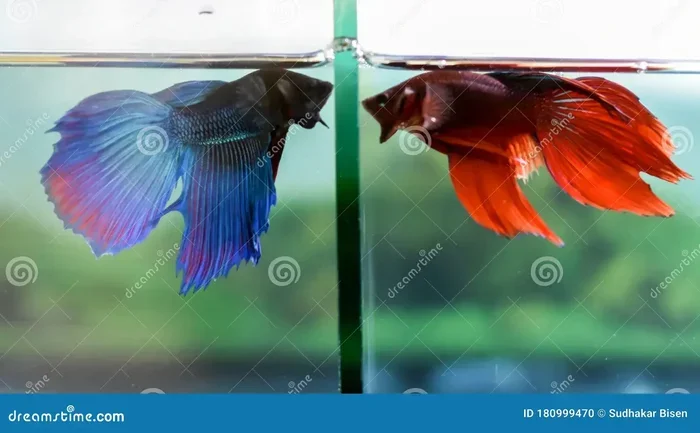
Male bettas are especially territorial. A new decoration, a mirror, or even a reflection can be seen as an intruder. The betta may jump to “attack” the perceived rival, especially if the tank is too small or lacks hiding spots.
How to Prevent Your Betta from Jumping Out
Choose the Right Tank Size and Shape
While many people start bettas in tiny bowls, a minimum 5‑gallon tank with a wide surface area is ideal. The extra space reduces stress and gives the fish room to swim without feeling trapped. For more details on tank size, see our article on How Big Of A Tank For Betta Fish.
Secure a Proper Cover
Even a simple mesh lid or a piece of glass that fits snugly can stop a betta from leaping out. If you use a hood, make sure there’s ventilation to avoid overheating. A floating top made from acrylic works well for taller tanks.
Maintain Optimal Water Conditions
- Temperature: Keep it between 76‑82°F (24‑28°C). Use a reliable heater and check with a thermometer daily.
- pH: Aim for 6.5‑7.5.
- Ammonia/Nitrite: Zero. Perform weekly water changes of 25‑30%.
- Filtration: A gentle sponge filter provides flow without stressing the betta.
Consistent water quality not only keeps your fish healthy but also curbs the urge to jump.
Provide Enrichment and Hiding Spots
Live plants, silk “lily pads,” and smooth driftwood give your betta places to explore and rest. When a betta feels secure, it’s less likely to panic and jump. Avoid sharp decorations that could injure delicate fins.
Mind Your Feeding Routine
Feed small amounts 2‑3 times a day. Use sinking pellets or a feeding cup to keep food at the bottom. If you love using floating foods, feed them in a separate container placed on top of the tank, then remove the container after a few minutes.
Monitor Behavior Daily
Watch for signs that your betta might be planning a jump:
- Rapid, erratic swimming near the surface.
- Frequent trips to the top followed by sudden drops.
- Staring at the tank lid or a reflection.
If you notice these cues, check water parameters, add a cover, or adjust the tank décor immediately.
What To Do If Your Betta Does Jump Out
Stay Calm and Act Quickly
Betta fish can survive a short time out of water, but their gills dry fast. Gently scoop the fish with a soft, wet net or a clean cup. Avoid using your hands directly, as the slime coat can be damaged.
Return to Clean Water
Place the betta back into the tank slowly, allowing it to acclimate. If the water temperature is significantly different from the room temperature, you can hold the cup in the tank water for a minute before fully releasing the fish.
Check for Injuries
Inspect the fins for tears or ragged edges. Minor injuries often heal on their own, but severe damage may need a quarantine tank and medication. For more info on fin regeneration, see Will Betta Fish Fins Grow Back.
Identify the Cause
After a jump, review the tank conditions: Was the lid open? Was the water temperature off? Did you add a new decoration? Fix the issue before the next feeding.
Common Myths About Betta Jumping
Myth: Only Male Bettas Jump
Both males and females can jump when stressed. However, males are more territorial, so they might jump more often when they see their reflection.
Myth: A Larger Tank Guarantees No Jumping
Size helps, but a large uncovered tank still allows a determined betta to leap. A secure lid is essential regardless of tank volume.
Myth: Jumping Means the Betta Is Aggressive
Jumping is usually a stress response, not aggression. Aggression shows up as flaring, nipping, or fighting another fish, not leaping out of the water.
Conclusion
So, will betta fish jump out of their tank? Yes, they can, but with proper tank size, a secure cover, clean water, and thoughtful feeding, you can dramatically lower the chance of an unexpected splash. Keep an eye on your betta’s behavior, maintain a stable environment, and you’ll enjoy a vibrant, healthy fish that stays safely inside its home.
Remember, a happy betta is a calm betta. By following the tips in this guide and checking out related articles like Why Did My Betta Fish Jump Out of the Tank, you’ll create a thriving aquarium that both you and your finned friend will love.
Frequently Asked Questions
Will a betta fish jump if the water temperature is too low?
Yes. Cold water can stress a betta, making it more likely to jump in an attempt to find warmer conditions. Keep the tank between 76‑82°F.
Do betta fish jump more often in small bowls?
Small, uncovered bowls provide little space and no barrier, so bettas often try to escape. A minimum 5‑gallon covered tank reduces this behavior.
Can a betta survive out of water for a long time?
Betta fish can survive a few minutes out of water, but their gills dry quickly. Promptly return them to clean water to prevent damage.
Is a mesh lid enough to stop a betta from jumping?
A fine‑mesh lid works well, as long as it fits tightly and has ventilation. Make sure there are no gaps the fish could slip through.
Why does my betta keep swimming to the top of the tank?
Surface swimming can be a sign of low oxygen, high temperature, or stress. Check the water parameters and ensure proper filtration.
How often should I change the water to keep my betta calm?
Changing 25‑30% of the water weekly helps maintain stable parameters and reduces stress, lowering the chance of jumping.