What Causes a Betta Fish Eye to Bulge
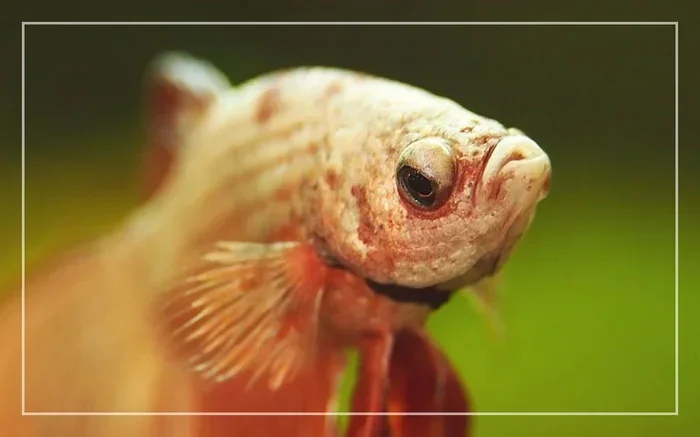
A bulging eye in a betta fish, often called pop eye, is a condition where one or both eyes protrude from the socket. The most common causes include bacterial infections, poor water quality, physical injury, parasitic infestations, and even tumors. Early detection and proper treatment can save your betta fish from serious complications or permanent damage.
A betta fish with a bulging eye is a sight that worries any fish owner. One moment your fish looks healthy and vibrant, and the next you notice one eye sticking out far more than it should. This condition is commonly known as pop eye, and it affects betta fish more often than most people realize.
If you have noticed your betta fish eye bulge, you are not alone. This is one of the most frequently reported health issues in betta fish keeping. The good news is that in most cases, it is treatable if you catch it early. But understanding what causes a betta fish eye to bulge is the first step toward helping your fish recover.
This guide covers everything you need to know. From the top causes and clear symptoms to effective treatments and simple prevention tips, you will find practical advice you can use right away. Let us dive in and help your betta feel better.
Key Takeaways
- Pop eye is a visible symptom: It is not a disease itself but a sign of an underlying problem affecting your betta fish.
- Poor water quality is the #1 culprit: Dirty or unbalanced tank water causes stress and leads to infections that make eyes bulge.
- Bacterial infections are the most common cause: Bacteria like Aeromonas and Pseudomonas can invade the eye tissue and cause swelling.
- Physical injury can trigger pop eye: Sharp decorations or aggressive tank mates can damage the eye and lead to bulging.
- Early treatment works best: Catching the symptoms early and acting fast gives your betta the best chance of a full recovery.
- Prevention is simple: Regular tank maintenance, proper water parameters, and a clean environment keep your betta healthy.
📑 Table of Contents
What Is Betta Fish Pop Eye?
Understanding the Condition
Pop eye is the common name for exophthalmia, a condition where the eye(s) of a fish swell and protrude from the socket. In betta fish, this can affect one eye (unilateral) or both eyes (bilateral). The eye may appear cloudy, red, or swollen, and in severe cases, the fish may lose vision in the affected eye.
It is important to understand that pop eye is not a disease on its own. It is a symptom of something else going on inside your betta’s body. Think of it like a fever in humans. The fever tells you something is wrong, but it is not the actual illness. Similarly, a bulging eye signals an underlying problem that needs your attention.
When you notice a betta fish eye bulge, you should act quickly. The faster you identify the cause, the better the chances of successful treatment. Ignoring it can lead to permanent damage or even loss of the eye.
Common Symptoms to Watch For
Spotting pop eye early makes a huge difference. Here are the most common signs to look for:
- One or both eyes protruding from the socket more than normal
- Cloudiness or whiteness covering the eye
- Redness or inflammation around the eye area
- Swelling of the eye or surrounding tissue
- Rubbing or scratching the eye against tank decorations
- Loss of appetite or refusing to eat
- Clamped fins and lethargic behavior
- Difficulty seeing or bumping into objects in the tank
If you notice any combination of these symptoms, check your water quality immediately. Poor water parameters are the leading cause of eye problems in betta fish. Use a reliable test kit to check ammonia, nitrite, and nitrate levels.
Top Causes of Bulging Eyes in Betta Fish
Several factors can cause a betta fish eye to bulge. Understanding each cause helps you pinpoint the problem and choose the right treatment. Let us look at the most common culprits.
Bacterial Infections
Bacterial infections are the number one cause of pop eye in betta fish. Bacteria like Aeromonas, Pseudomonas, and Vibrio species thrive in dirty water and weakened fish. When your betta’s immune system is compromised, these bacteria can invade the eye tissue and cause severe swelling.
Signs of a bacterial eye infection include:
- A cloudy or milky appearance on the eye
- Visible swelling around the eye socket
- Redness and warmth around the affected area
- The eye may appear to be pushing outward
Bacterial infections often start after a period of stress. Stress weakens your betta’s immune system and opens the door for harmful bacteria. Common stressors include sudden temperature changes, poor diet, and overcrowded tanks. If you suspect a bacterial infection, raising the tank temperature slightly to around 78-80°F can help boost your betta’s immune response while you treat the infection.
Poor Water Quality
Nothing damages a betta fish more than poor water quality. Dirty water filled with ammonia and nitrite creates a toxic environment that stresses your fish and makes it vulnerable to disease. When your betta breathes in contaminated water, the delicate tissues around the eyes are often the first to show damage.
Here is what bad water quality does to your betta:
- Burns the sensitive eye tissue with ammonia exposure
- Weakens the immune system, making infections more likely
- Causes chronic stress, which leads to inflammation
- Promotes bacterial and fungal growth in the tank
To keep your betta safe, you need to maintain clean water at all times. Regular water changes, a proper filtration system, and testing your water parameters weekly are essential habits. If you are unsure about what water to use, check out our guide on what water to use for a betta fish to get the best results.
Physical Injury or Trauma
Betta fish are curious creatures. They explore their environment and sometimes get hurt in the process. A physical injury to the eye can cause swelling and bulging. Sharp decorations, rough gravel, or even aggressive tank mates can all lead to eye trauma.
Common causes of eye injury include:
- Sharp or rough decorations in the tank
- Your betta bumping into the glass
- Fights with other fish
- Improper netting or handling during tank maintenance
- Jumping out of the water and landing awkwardly
When a betta injures its eye, the body’s natural response is to swell the area. This swelling can push the eye outward, creating the bulging appearance. If the injury is minor, the eye often heals on its own with clean water and a stress-free environment. For more serious injuries, you may need to treat the area with aquarium-safe antibacterial medication.
Parasitic Infestations
Parasites are another common cause of eye problems in betta fish. Internal parasites like worms and external parasites like ich can affect the eyes and cause swelling. When parasites feed on your betta’s body, they create openings in the tissue that allow secondary bacterial infections to set in.
Watch for these signs of a parasitic problem:
- White spots on the body or eyes
- Rapid breathing or gasping at the surface
- Flashing (rubbing against objects)
- Weight loss despite normal eating
- Eye cloudiness combined with bulging
Parasitic infestations often enter the tank through new fish, plants, or decorations that were not quarantined properly. Always isolate new additions to your tank for at least two weeks before introducing them to your betta.
Tumors and Growths
In some cases, a betta fish eye bulge is caused by a tumor or abnormal growth behind or on the eye. These growths can be benign or malignant and push the eye outward as they develop. Tumors are more common in older betta fish and are often harder to treat.
If your betta develops a bulge that grows slowly over time and does not respond to standard treatments, a tumor may be the cause. Unfortunately, there is limited treatment for tumors in betta fish. The focus should be on keeping your fish comfortable and maintaining excellent water quality to support overall health.
How to Diagnose the Cause
Figuring out what is causing your betta’s eye to bulge takes some detective work. Start by observing your fish closely and checking your tank conditions. Here is a simple approach to help you narrow down the cause:
- Test your water for ammonia, nitrite, nitrate, and pH levels. High ammonia or nitrite almost always points to a water quality issue.
- Look for physical signs like wounds, scratches, or swelling around the eye area.
- Check for parasites by looking for white spots, unusual swimming behavior, or flashing.
- Review recent changes to the tank, such as new decorations, new fish, or changes in feeding routine.
- Consider your betta’s age because older fish are more prone to tumors and degenerative conditions.
If you are still unsure about the cause, consider consulting a veterinarian who specializes in fish health. Many online fish forums and communities can also offer helpful advice based on photos and descriptions of your betta’s symptoms.
Also, check whether your tank setup is appropriate. A filtered tank with stable water temperature and proper cycling reduces the risk of most eye problems. Learn more about whether betta fish need a filter in our article do betta fish have to be in a filtered tank.
Treatment Options for Bulging Eyes
Once you identify the cause, treatment becomes much easier. The goal is to address the root problem while supporting your betta’s recovery. Here are the most effective treatment approaches.
For Bacterial Infections
Antibacterial medications are the go-to treatment for bacterial eye infections. Products containing erythromycin, tetracycline, or melafix are widely used and effective. Move your betta to a quarantine tank before starting treatment to protect beneficial bacteria in your main tank.
Follow these steps for the best results:
- Perform a 50% water change in the quarantine tank
- Add the medication according to the package instructions
- Feed your betta high-quality food to support healing
- Monitor the eye daily for improvement
- Continue treatment for 5-7 days even after symptoms improve
For Water Quality Issues
If poor water quality is the cause, the first step is a large water change. Replace 50-70% of the tank water with properly conditioned water at the right temperature. Test the water again after the change and continue monitoring daily.
For ongoing maintenance, make sure your tank has adequate filtration and that you are performing regular water changes. The ideal water temperature for betta fish is between 76-82°F. Learn more about maintaining the right temperature in our guide on what the water temperature should be for a betta fish.
For Injuries
Minor eye injuries usually heal on their own in a clean, stress-free environment. Remove any sharp decorations from the tank and add smooth substrates. You can also add aquarium salt (1 teaspoon per gallon) to help reduce swelling and prevent infection.
For more serious injuries, consider using a broad-spectrum aquarium medication to prevent secondary bacterial infections. Keep the water pristine and avoid handling your betta during the healing process.
For Parasites
Treating parasites typically requires medicated food or a separate treatment tank. Products containing praziquantel or metronidazole are effective against common internal parasites. For external parasites like ich, raise the temperature gradually to 82°F and use a trusted ich treatment.
Always follow the dosage instructions carefully and monitor your betta for any adverse reactions during treatment.
Prevention Tips to Keep Your Betta Healthy
Preventing a betta fish eye bulge is much easier than treating one. A healthy environment and proper care go a long way in keeping your betta happy and disease-free. Here are the best prevention strategies:
- Perform regular water changes: Change 20-30% of the water weekly to keep toxins low.
- Test water parameters frequently: Keep ammonia and nitrite at zero and nitrates below 20 ppm.
- Use a proper filtration system: A gentle filter maintains clean water without creating strong currents that stress your betta.
- Quarantine new fish and plants: Always isolate new additions for at least two weeks.
- Feed a balanced diet: High-quality betta pellets and occasional live or frozen foods keep your fish healthy.
- Avoid sharp decorations: Choose smooth plants and soft substrates to prevent injuries.
- Maintain stable water temperature: Use a heater to keep the temperature consistent between 76-82°F.
- Watch for early warning signs: Act quickly if you notice any changes in behavior or appearance.
Good nutrition also plays a role in preventing eye problems. If your betta refuses to eat, it can become weak and vulnerable to infections. Check out our article on what to do when your betta fish won’t eat for helpful tips on encouraging appetite.
Remember, a well-maintained tank is the foundation of a healthy betta. When your fish lives in clean, stable water with proper nutrition, its immune system stays strong and can fight off the bacteria and parasites that cause pop eye.
When to Seek Professional Help
Most cases of bulging eyes in betta fish respond well to home treatment. However, there are situations where professional help is necessary. If the eye bulge does not improve within 7-10 days of treatment, or if your betta’s condition worsens, it is time to consult a fish veterinarian.
Also seek help if your betta shows signs of severe distress, such as lying at the bottom of the tank, gasping for air, or showing no response to food. These could indicate a more serious underlying condition that requires expert diagnosis and care.
Do not hesitate to reach out to experienced aquarists or online fish health communities. Many seasoned betta keepers have dealt with pop eye and can offer valuable advice based on their experience.
Final Thoughts
A betta fish eye bulge can be alarming, but it is a manageable condition when you know what to look for and how to respond. The most important thing is to act quickly and address the root cause. Whether it is a bacterial infection, poor water quality, an injury, or parasites, each cause has effective treatment options.
Keep your betta’s environment clean and stable, feed a nutritious diet, and watch for early warning signs. These simple habits will go a long way in preventing pop eye and keeping your fish healthy for years to come. Your betta depends on you for its well-being, and with the knowledge you have gained from this guide, you are well equipped to provide the best care possible.
Frequently Asked Questions
Can a betta fish eye heal on its own?
Yes, minor eye injuries and early-stage infections can heal on their own if you improve water quality and reduce stress. However, you should still monitor your fish closely and be ready to intervene with medication if the condition does not improve within a few days.
Is pop eye contagious to other fish in the tank?
Pop eye itself is not contagious, but the underlying cause may be. Bacterial infections and parasites can spread to other fish. If you suspect an infection, quarantine your betta immediately and treat the affected tank separately.
How long does it take for a bulging eye to go away?
With proper treatment, mild cases of pop eye can improve within 5 to 7 days. More severe infections or injuries may take 2 to 3 weeks to fully resolve. Consistent water changes and medication are key to a speedy recovery.
Can poor water temperature cause a betta fish eye to bulge?
Yes, incorrect water temperature stresses your betta and weakens its immune system. Cold water is especially harmful because it slows down your fish’s metabolism and makes it more susceptible to infections that can cause eye bulging.
Should I use aquarium salt for a bulging eye?
Aquarium salt can help reduce swelling and prevent secondary infections in mild cases. Use one teaspoon per gallon of water and monitor your betta closely. Some bettas are sensitive to salt, so remove it after a few days if you notice any distress.
What is the best food to feed a betta recovering from pop eye?
High-quality betta pellets and frozen or live foods like brine shrimp and bloodworms provide the nutrients needed for healing. If your betta is not eating, try offering small amounts of food and make sure the water temperature is warm enough to stimulate appetite.