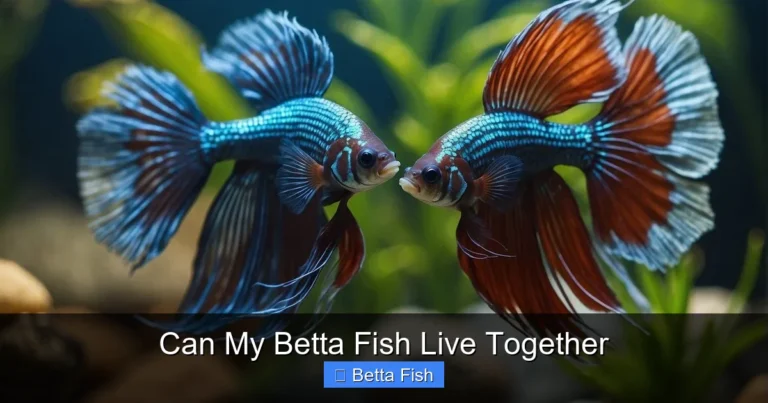
How to Put a Male and Female Betta Fish Together
Putting a male and female betta fish together is possible with the right setup and careful planning. You need to understand their behavior, prepare a proper tank, and introduce them gradually. This guide covers everything you need to know about housing male and female bettas safely and successfully.
Many fish keepers dream about creating a beautiful community tank with both male and female betta fish. But the truth is that putting a male and female betta fish together comes with real challenges. These fish are known for their fiery personalities and territorial nature. So can you actually house them in the same aquarium safely?
The short answer is yes, but it takes preparation, patience, and careful monitoring. In this guide, we walk you through everything you need to know about how to put a male and female betta fish together. Whether you are a beginner or an experienced hobbyist, you will find practical tips that actually work.
We cover tank setup, fish behavior, introduction methods, warning signs, and expert strategies. By the end, you will feel confident about whether this setup is right for your aquarium. Let us dive in and make your betta-keeping journey a success.
Key Takeaways
- Separate tanks work best: A divided tank or individual setups reduce aggression and stress for both fish.
- Tank size matters: At least 10 gallons is recommended when housing a male and female betta together.
- Introduce them slowly: Gradual introduction through a divider helps them get used to each other’s scent and presence.
- Watch for warning signs: Flaring, chasing, and fin nipping mean the pairing is not working and needs immediate separation.
- Breeding requires extra prep: If your goal is breeding, you need a dedicated breeding tank with specific water conditions.
📑 Table of Contents
- Understanding Male and Female Betta Fish Behavior
- Setting Up the Right Tank for Both Genders
- How to Introduce a Male and Female Betta Fish Together
- Signs Your Betta Fish Are Getting Along (or Not)
- Common Mistakes to Avoid When Housing Them Together
- Expert Tips for Long-Term Success
- Conclusion: Can You Put a Male and Female Betta Fish Together?
Understanding Male and Female Betta Fish Behavior
Before you even think about placing these fish in the same tank, you need to understand how they behave. Both males and females can be aggressive, but they show it in different ways. Knowing these differences helps you plan a safer environment.
Male Betta Fish Behavior
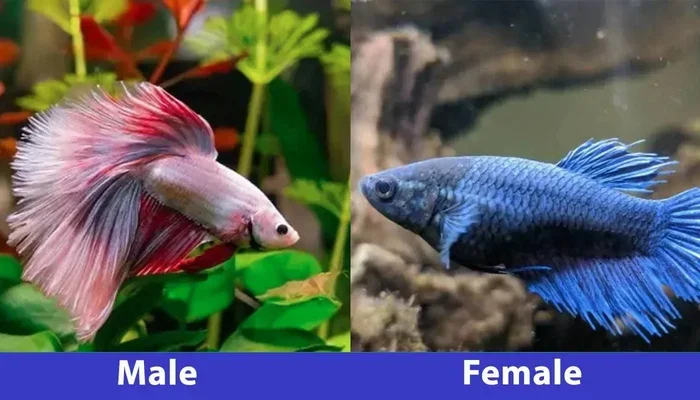
Male bettas are famous for their long, flowing fins and bright colors. They are also naturally territorial. A male betta will flare his gills and spread his fins to scare off rivals. In the wild, males build bubble nests and defend their territory fiercely.
When housed with another male, fights can turn deadly. Even when placed with a female, a male may become aggressive during breeding or if he feels threatened. This is why male betta fish behavior must be carefully managed in any shared setup.
Female Betta Fish Behavior
Female bettas are smaller and less colorful than males. They also have shorter fins and a less dramatic appearance. However, do not let their calm looks fool you. Females can be just as territorial, especially when kept in groups.
A group of female bettas is sometimes called a betta sorority. Even in a sorority, females may fight over territory and hierarchy. When a male is introduced, the dynamics change completely. The female may feel stressed, and the male may see her as a rival or a mate.
Why Compatibility Is Not Guaranteed
Every betta fish has a unique personality. Some males are calmer and tolerate females better. Others are highly aggressive and cannot share a tank. The same goes for females. This is why betta fish compatibility varies from one fish to another. You cannot guarantee success just because you followed a guide perfectly.
Always be ready to separate the fish if things go wrong. Having a backup tank on standby is a smart move. This shows respect for your fish and their well-being.
Setting Up the Right Tank for Both Genders
A proper tank setup is the foundation of success when housing male and female bettas together. Skipping this step leads to stress, injury, and even death. Let us go through what you need.
Tank Size Requirements
The minimum tank size for a male and female betta pair is 10 gallons. A larger tank gives both fish space to establish their own territories. This reduces tension and lowers the risk of conflict. A 20-gallon tank is even better if your budget allows it.
Small tanks concentrate waste and increase stress hormones in fish. Never try to house bettas in bowls or tanks under 5 gallons if you plan to keep them together.
Divider Tanks and Their Benefits
One popular approach is using a divided tank. This setup has a physical barrier that separates the male and female while still allowing them to see each other. Many hobbyists start with a divided tank and remove the divider later if things go well.
Dividers also let you observe how the fish react to each other before a full introduction. This method significantly lowers the risk of injury during the early stages.
Water Quality and Parameters
Bettas thrive in clean, warm water. Keep the temperature between 76 and 82 degrees Fahrenheit. The pH should be between 6.5 and 7.5. Ammonia and nitrite levels must stay at zero, and nitrates should be below 20 ppm.
Use a gentle filter to avoid strong currents. Bettas are not strong swimmers and prefer calm water. Regular water changes, about 25 percent every week, keep the environment healthy for both fish.
Decorations and Hiding Spots
Adding plants, caves, and decorations gives both fish places to hide. This breaks up lines of sight and reduces aggression. Live plants like java fern and amazon sword work great. They also help maintain water quality.
Make sure each fish has its own hiding spot. When both fish feel they have a safe space, they are less likely to fight. This simple trick makes a huge difference when housing male and female betta fish in the same tank.
How to Introduce a Male and Female Betta Fish Together
The introduction process is the most critical part. Rushing this step is the number one mistake hobbyists make. Take your time and follow these steps carefully.
Step 1: Quarantine Both Fish
Before introducing any fish to a shared tank, quarantine them for at least two weeks. This ensures they are healthy and free of parasites or diseases. It also gives you time to observe their individual temperaments.
During quarantine, set up the tank with all the decorations and equipment. This lets the environment settle and removes any surprises later.
Step 2: Start With a Visual Barrier
Place the male and female in the same tank but separated by a clear divider. This lets them see each other without physical contact. Watch their reactions closely for several days.
If either fish shows extreme aggression, such as constant flaring or banging against the divider, slow down the process. Some fish need more time to adjust to the presence of another betta.
Step 3: Monitor Feeding Behavior
Feed both fish on opposite sides of the divider during this phase. This helps them associate each other’s presence with positive experiences, like food. It also ensures both fish are eating properly.
If one fish dominates the food, use a feeding ring or feed by hand to give the other fish equal access. Good nutrition reduces stress and supports overall health.
Step 4: Remove the Divider Gradually
After a week or more of calm behavior, try removing the divider for short periods. Start with just 10 to 15 minutes and watch closely. Gradually increase the time over several days.
If you notice chasing, fin nipping, or flaring that does not calm down, put the divider back in place immediately. Some pairings simply do not work, and that is okay. Not every male and female betta fish pairing will be successful.
Step 5: Observe for 48 Hours
Once the divider is fully removed, monitor both fish continuously for at least 48 hours. Look for signs of stress like clamped fins, loss of color, or hiding constantly. Also watch for active chasing or physical contact.
If everything looks calm and both fish are eating normally, you have likely succeeded. Keep monitoring daily for the first two weeks to catch any problems early.
Signs Your Betta Fish Are Getting Along (or Not)
Knowing what to look for after introducing your fish saves lives. Some signs are obvious, while others are subtle. Let us break them down.
Good Signs
- Both fish eating normally: A healthy appetite shows comfort and low stress.
- Exploring the tank independently: Each fish claiming its own area is a positive sign.
- Occasional flaring that stops quickly: Brief flaring is normal and does not mean danger.
- No chasing or physical contact: This is the clearest indicator of a peaceful coexistence.
Warning Signs
- Constant flaring and charging: This signals high aggression and an unsafe environment.
- Fin nipping or torn fins: Physical damage means immediate separation is needed.
- One fish hiding constantly: A stressed fish is not thriving and may become ill.
- Loss of color or appetite: These are classic stress indicators in bettas.
If you notice warning signs, do not wait. Separate the fish right away. It is better to be safe than sorry. You can always try again later with a different approach or a different pairing.
Common Mistakes to Avoid When Housing Them Together
Even experienced fish keepers make mistakes. Learning from common errors helps you avoid them. Here are the pitfalls most people fall into.
Skipping the Quarantine Period
Many beginners skip quarantine to save time. This is a dangerous shortcut. New fish can carry diseases that spread quickly in a shared tank. Always quarantine for at least two weeks before any introduction.
Using Too Small a Tank
A tiny tank leaves no room for escape or territory. Both fish feel trapped and become aggressive. A 10-gallon tank is the absolute minimum. Going bigger is always better.
Ignoring Warning Signs
Some hobbyists wait too long to act when they see aggression. By the time fins are torn, the damage is done. Act fast at the first sign of serious conflict.
Overcrowding the Tank
Adding other fish to the tank complicates things further. If your goal is a male-female betta pair, keep the tank simple. Avoid adding tank mates that might trigger jealousy or territorial behavior.
Not Having a Backup Plan
Always keep a spare tank ready. If the pairing fails, you need a safe place to move one of the fish immediately. Being prepared prevents panic and reduces harm.
Expert Tips for Long-Term Success
Even after a successful introduction, ongoing care matters. These expert tips help you maintain a peaceful and healthy environment for both fish.
Feed a Balanced Diet
Offer high-quality betta pellets as the staple diet. Supplement with frozen or live foods like brine shrimp and bloodworms once or twice a week. Variety supports immune health and keeps both fish active and engaged.
Keep the Environment Enriched
Rotate decorations occasionally to keep the tank interesting. Add new plants or rearrange existing ones to create fresh territories. This reduces boredom and territorial stagnation.
Maintain a Strict Cleaning Schedule
Clean water is non-negotiable. Test the water parameters weekly and perform partial water changes every week. A clean tank prevents disease and keeps both fish feeling their best.
Know When to Separate Permanently
If the fish are constantly fighting despite all your efforts, accept that they cannot live together. Separate them permanently and give each fish a happy, healthy home. This is not a failure, it is responsible fish keeping.
Consider Breeding Only When Ready
If your goal is to breed bettas, you need a separate breeding setup with specific conditions. Breeding requires a dedicated tank with shallow water, warm temperatures, and plenty of hiding spots for the female. Will a male and female betta fish mate in a community tank? Rarely. Breeding needs its own controlled environment for the best results.
For more information on breeding behavior and pairing strategies, check out our guide on will a male and female betta fish mate. Understanding their natural mating habits makes the entire process much smoother.
Learn to Identify Gender Accurately
Sometimes what looks like a female is actually a male, or vice versa. Misidentification leads to unexpected aggression and failed pairings. Before you house any bettas together, make sure you can confidently tell them apart. Our guide on how to differentiate between male and female betta fish gives you the visual cues and behavior clues you need for accurate identification.
Proper gender identification removes one of the biggest variables from your setup. When you know exactly what you are working with, your planning becomes much more effective.
Conclusion: Can You Put a Male and Female Betta Fish Together?
The answer is yes, but with important caveats. How to put a male and female betta fish together successfully requires the right tank size, careful introduction, and ongoing monitoring. Not every pairing will work, and that is completely normal. The key is to prioritize the health and safety of both fish above all else.
Follow the steps in this guide, stay patient, and always be ready to adjust your approach. Fish keeping is as much about learning as it is about enjoying the hobby. With the right knowledge and a little bit of luck, you can create a harmonious home for both your male and female bettas.
Remember, every fish is an individual. Respect their personalities, give them space, and you will set yourself up for the best possible outcome. Happy fish keeping.
Frequently Asked Questions
Can a male and female betta fish live together permanently?
Some pairs can live together permanently, but it is not guaranteed. Success depends on the individual fish personalities, tank size, and setup. Always monitor their behavior closely and be ready to separate them if aggression occurs.
What is the best tank size for a male and female betta pair?
A 10-gallon tank is the minimum recommended size. A 20-gallon tank provides more space and makes it easier for both fish to establish territories. Larger tanks generally lead to better outcomes and less stress for the fish.
How do I know if my male and female bettas are fighting?
Watch for flaring, chasing, fin nipping, and one fish hiding constantly. Torn fins, loss of color, and refusal to eat are also signs of stress and conflict. If you see these behaviors, separate the fish immediately.
Should I use a divider when introducing male and female bettas?
Yes, using a divider is highly recommended. It allows both fish to see and smell each other without physical contact. This gradual introduction significantly reduces the risk of aggression and injury during the first few weeks.
Can I breed my male and female betta fish in the same tank?
Breeding is best done in a dedicated breeding tank, not a shared community setup. Breeding requires specific water conditions, shallow water, and plenty of hiding spots. A separate breeding tank gives the female a safe place to retreat and reduces stress for both fish.
How long does the introduction process take?
The full introduction process can take anywhere from two weeks to several months. Some pairs adjust quickly, while others need more time. Patience is the most important tool you have. Never rush the process or skip steps.