Can a Upside Down Catfish Eat Betta Fish Food
Upside‑down catfish are opportunistic eaters and can often accept betta fish food, but it isn’t the ideal staple. Understanding their natural diet, size differences, and tank conditions helps you decide when and how to share pellets safely.
Key Takeaways
- Diet overlap exists: Upside‑down catfish will nibble betta pellets, but they need a varied diet.
- Size matters: Large catfish can out‑compete small bettas for food, leading to stress.
- Water parameters should match: Both species thrive in similar pH and temperature ranges.
- Feeding frequency: Offer small amounts several times a day to prevent over‑feeding.
- Observe behavior: Watch for aggression or wasted food as signs of incompatibility.
- Supplement with live/frozen foods: Brine shrimp, daphnia, and bloodworms improve nutrition.
- Use internal links for related topics: Learn more about cross‑species feeding and tank mates.
📑 Table of Contents
Introduction
If you’ve ever wondered, can a upside down catfish eat betta fish food, you’re not alone. Many hobbyists keep both species in the same community tank because they share similar water preferences. The upside‑down catfish (Synodontis nigriventris) is a curious bottom‑dweller that loves to swim inverted, while the betta (Betta splendens) is a surface‑oriented, flamboyant fighter.
Both fish are omnivorous, but their natural diets differ. Betta pellets are formulated for a small, surface‑feeding fish, whereas upside‑down catfish graze on detritus, insects, and plant matter. Let’s dive into the science, practical feeding tips, and safety considerations so you can answer the question once and for all.
Understanding the Natural Diets
Upside‑Down Catfish in the Wild
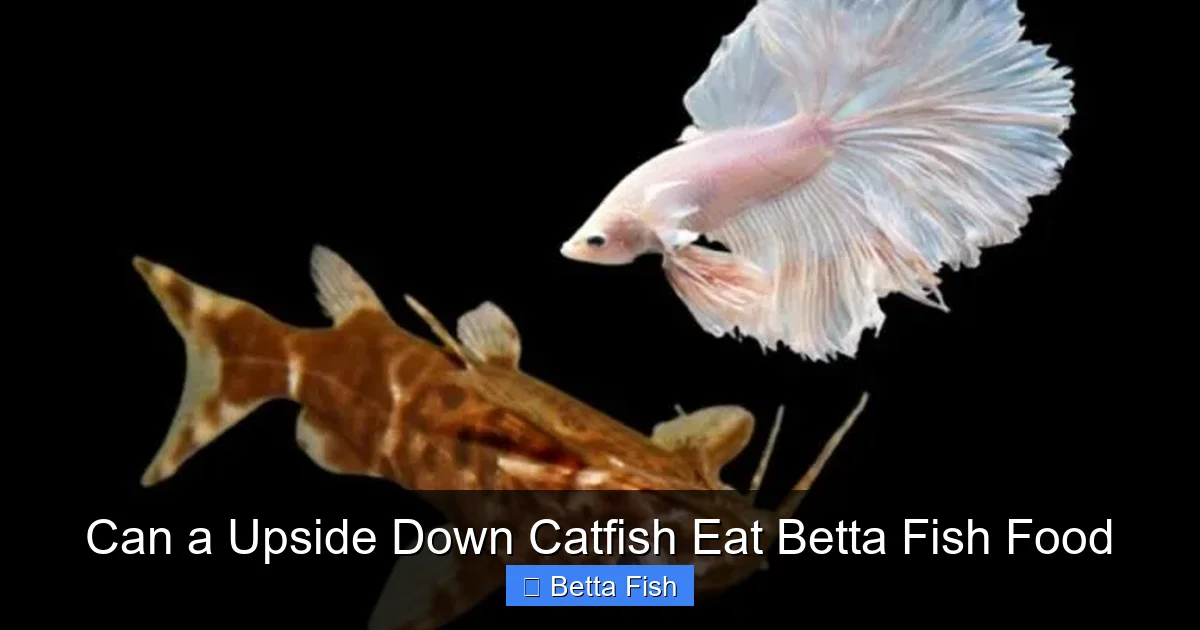
In their native Congo River basin, upside‑down catfish scavenge the riverbed for insect larvae, crustaceans, and decaying plant material. Their downward‑facing mouths are perfect for sucking up food particles from the substrate.
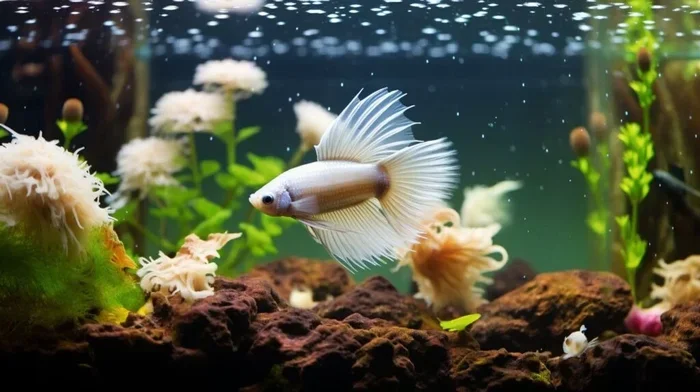
Visual guide about Can a Upside Down Catfish Eat Betta Fish Food
Image source: tinyfishtank.com
Betta Fish Feeding Habits
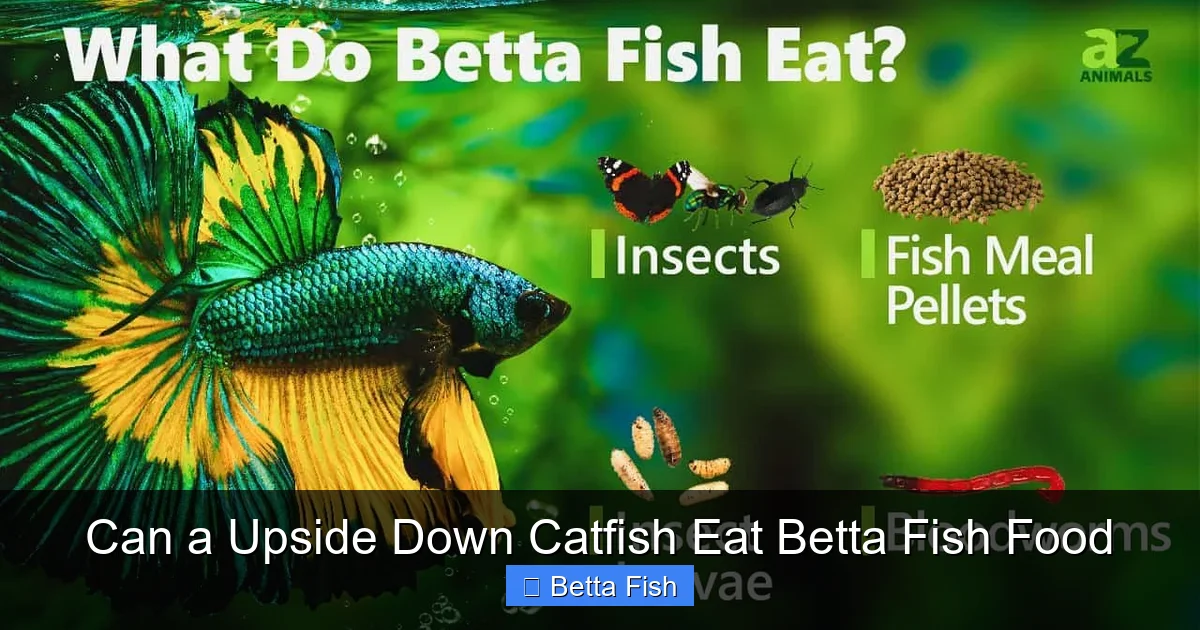
Betta fish are surface feeders that hunt insects and small crustaceans at the water’s top. Commercial betta pellets are tiny, protein‑rich, and sink slowly, mimicking their natural prey.
Where the Diets Overlap
Both species enjoy protein sources like brine shrimp and bloodworms. This overlap means a betta pellet can be a temporary snack for a catfish, but it won’t meet the catfish’s need for fiber and plant matter.
Can a Upside Down Catfish Eat Betta Fish Food?
Short Answer
Yes, an upside‑down catfish can physically eat betta fish food, but it should not become the main diet. The pellets are nutritionally incomplete for a catfish, lacking the fibrous content they require.
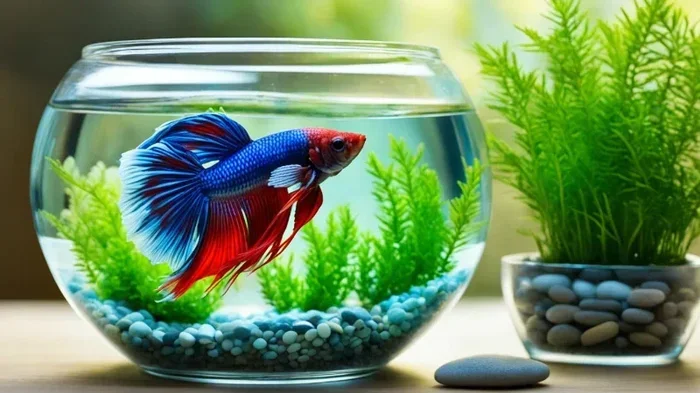
Visual guide about Can a Upside Down Catfish Eat Betta Fish Food
Image source: a-z-animals.com
Why It’s Not Ideal as a Staple
- Protein imbalance: Betta pellets are high in animal protein, which can stress a catfish’s liver over time.
- Low fiber: Catfish need roughage to aid digestion; pellets are too fine.
- Size of pellets: Small betta pellets may be swallowed whole, posing a choking risk for larger catfish.
When It’s Acceptable
Offering betta pellets as an occasional treat—especially if you’re running low on catfish‑specific food—won’t harm the catfish. Just be sure to supplement with algae wafers, sinking vegetable flakes, or live foods.
Feeding Strategies for a Mixed Tank
Separate Feeding Zones
Place a feeding dish at the surface for bettas and a sinking pellet or algae wafer near the bottom for catfish. This reduces competition and ensures each fish gets its share.
Visual guide about Can a Upside Down Catfish Eat Betta Fish Food
Image source: diyseattle.com
Timing and Portion Control
Feed small amounts 2–3 times daily. Observe how quickly each species eats. If the catfish clears the betta pellets before the betta can eat, reduce the amount or feed at different times.
Live and Frozen Foods
Introduce live or frozen brine shrimp, daphnia, and bloodworms once or twice a week. These foods satisfy the carnivorous cravings of both fish and improve coloration.
Supplemental Vegetables
Blanched peas, zucchini, or spinach can be offered to the catfish. Cut them into bite‑size pieces and sink them to the bottom.
Potential Risks and How to Mitigate Them
Over‑feeding
Excess food can cloud the water, leading to ammonia spikes. Use a timer or a small spoon to measure portions.
Aggression and Competition
Upside‑down catfish are generally peaceful, but a large individual may dominate the feeding area. If you notice the betta looking stressed, feed them separately.
Water Quality Concerns
Both species thrive in slightly acidic to neutral water (pH 6.5‑7.5) and temperatures of 76‑82°F (24‑28°C). Keep the filter running and perform weekly water changes of 25‑30%.
Practical Example: Setting Up a Community Tank
Tank Layout
Use a 20‑gal long tank with a sand substrate and plenty of driftwood. Add floating plants like Amazon frogbit for the betta and rock caves for the catfish to explore.
Feeding Routine
- Morning: 2–3 tiny betta pellets near the surface; a sinking algae wafer for the catfish.
- Midday: A pinch of frozen brine shrimp for both.
- Evening: A small portion of blanched peas for the catfish, plus any leftover betta pellets.
Monitoring Health
Check the betta’s fins daily for signs of fin rot and the catfish’s barbels for damage. Healthy fish have bright colors and active behavior.
For more on feeding different species together, see our guide on Can A Betta Fish Eat Goldfish Food and the article about Can A Goldfish Eat Betta Fish Food. If you’re curious about whether betta pellets suit other tropical fish, read Can You Feed A Betta Tropical Fish Food.
Conclusion
In short, yes, a upside down catfish can eat betta fish food, but it should be treated as an occasional supplement rather than the main diet. By providing a balanced feeding plan, separating feeding zones, and monitoring water quality, you can keep both species thriving side by side. Remember to watch for signs of stress, adjust portions, and enrich the diet with live or vegetable foods. With a little care, your mixed tank will be a vibrant, peaceful community where both the upside‑down catfish and the betta can enjoy their meals.
Frequently Asked Questions
Can upside‑down catfish outcompete bettas for food?
Yes, larger catfish may eat the betta pellets before the betta gets a chance, so it’s best to feed them at different times or in separate zones.
Is it safe to feed betta pellets to other fish?
Betta pellets are safe for many small omnivorous fish, but they should not replace a species‑specific diet. See our article on Can A Betta Fish Eat Goldfish Food for more details.
How often should I feed an upside‑down catfish?
Feed small portions 2–3 times daily, adjusting based on how quickly the food is consumed.
What are good supplemental foods for upside‑down catfish?
Algae wafers, sinking vegetable flakes, blanched peas, and occasional live or frozen brine shrimp work well.
Will feeding betta food affect water quality?
Any uneaten food can decompose and raise ammonia levels, so always remove excess pellets after a few minutes.
Can I keep other community fish with a betta and upside‑down catfish?
Yes, peaceful, mid‑water species like rasboras or small tetras can coexist, provided the tank is large enough and you monitor behavior.