How to Change Fish Bowl Water for Betta
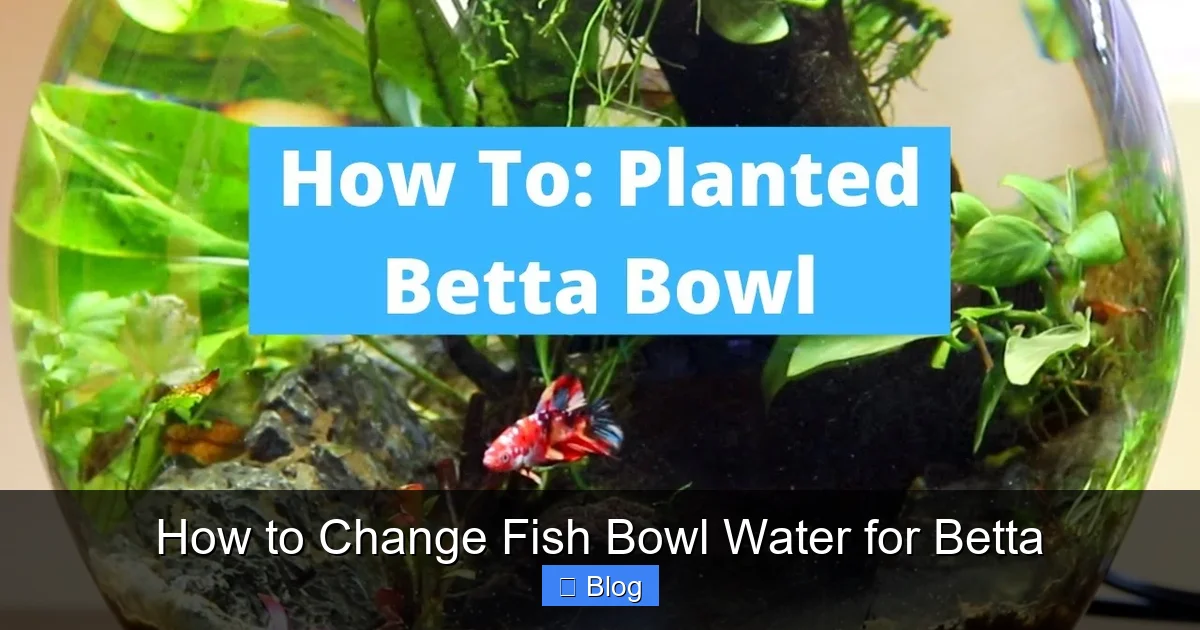
Changing your betta’s bowl water correctly is non-negotiable for its health. Unlike a filtered tank, a small bowl’s water quality can deteriorate in days, leading to toxic ammonia and stress. You must perform partial water changes (25-50%) 2-3 times weekly using properly treated, temperature-matched water. Never remove the fish during the process or use soap on decorations. Consistent, gentle water changes are the single most important factor in preventing disease and ensuring your betta thrives.
So you have a beautiful betta fish, with its flowing fins and vibrant colors, swimming gracefully in its glass bowl. It’s a stunning piece of living art. But here’s the critical truth that often gets overlooked: that beautiful bowl is also a tiny, enclosed ecosystem, and without your active help, it can quickly become a toxic prison for your fish. The cornerstone of betta bowl care isn’t feeding or choosing the right decor; it’s mastering how to change fish bowl water for betta the right way. This isn’t a monthly chore—it’s a frequent, precise ritual that directly determines your betta’s health, vibrancy, and lifespan. Let’s dive into everything you need to know, from the “why” to the exact step-by-step process, so you can provide the clean, stable home your betta deserves.
Key Takeaways
- Frequency is critical: Change 25-50% of the water in a small betta bowl 2-3 times per week. A filtered tank may need changes less often, but a unfiltered bowl requires frequent attention.
- Always dechlorinate: Tap water contains chlorine and chloramines that are deadly to bettas. Always use a water conditioner/dechlorinator on new water before it touches your fish.
- Match the temperature: The new replacement water must be within 1-2°F (0.5-1°C) of the old water in the bowl. Sudden temperature shifts cause severe stress and shock.
- Remove old water, not the fish: Never take your betta out of the bowl for a routine water change. Use a cup or gravel vacuum to siphon out the old water first.
- Never use soap or chemicals: Even a trace of detergent on the bowl, decorations, or your hands is fatal. Use only clean water and dedicated tools (like a gravel vacuum) for rinsing.
- Clean the gravel gently: During changes, stir the gravel lightly with your fingers or a vacuum to remove trapped waste (uneaten food, feces) that decomposes and poisons the water.
- Observe your betta: Watch for signs of stress like lethargy, clamped fins, or loss of appetite after a change. This indicates a problem with temperature, water treatment, or handling.
📑 Table of Contents
- Why Water Changes Are The #1 Priority For Betta Health
- Understanding The Unique Challenge Of A Betta Bowl
- Gathering Your Supplies: The Right Tools For The Job
- Step-by-Step: The Correct Way To Change Your Betta’s Bowl Water
- Common Mistakes And How To Avoid Them
- Long-Term Maintenance: Beyond The Weekly Change
- Conclusion: The Rewarding Ritual Of Care
Why Water Changes Are The #1 Priority For Betta Health
Before we talk about the “how,” we must understand the “why.” Many new betta owners mistakenly believe that because bettas come from shallow, stagnant puddles in the wild, they are built to tolerate dirty water. This is a dangerous myth. In nature, those puddles are part of a vast, complex ecosystem with plants, microorganisms, and constant water refreshment from rain. Your glass bowl is none of those things. It’s a closed system where waste accumulates rapidly.
The Invisible Enemies: Ammonia, Nitrite, and Nitrate
Your betta, like all fish, excretes ammonia directly through its gills and as waste. In a small bowl with no biological filter (like in a proper aquarium), this ammonia has nowhere to go. It builds up quickly, becoming toxic and burning your betta’s gills. Beneficial bacteria would normally convert ammonia to nitrite (also toxic) and then to nitrate (less toxic but still harmful in high amounts). In a tiny bowl, there’s simply not enough surface area or stable conditions for this “nitrogen cycle” to establish properly. The result? Spiking toxin levels that suppress your betta’s immune system, damage its fins, and lead to diseases like fin rot or dropsy.
The Other Culprits: Organics and pH Swings
Uneaten food pellets and decaying plant matter (even if you have a silk plant) break down into organic compounds. This feeds harmful bacteria and causes cloudiness, foul odors, and further oxygen depletion. As these organics break down, they can also cause dangerous swings in pH levels. Bettas are sensitive to pH instability. Regular water changes dilute all these toxins and organics, resetting the water chemistry to a safe, stable state. Simply put, clean water is the best preventative medicine you can provide.
Understanding The Unique Challenge Of A Betta Bowl
A standard “betta bowl” is typically 1-2 gallons. This small volume is the core of the challenge. In a larger, filtered aquarium, a robust population of beneficial bacteria can process waste, and the water volume dilutes toxins, meaning water changes are needed less frequently (often weekly 25% changes). In a small bowl, the opposite is true. The same amount of fish waste is concentrated in far less water, making toxicity rise faster. The surface area for gas exchange (oxygen in, carbon dioxide out) is minimal. This is why the rules for a bowl are stricter and the need for maintenance is more urgent.
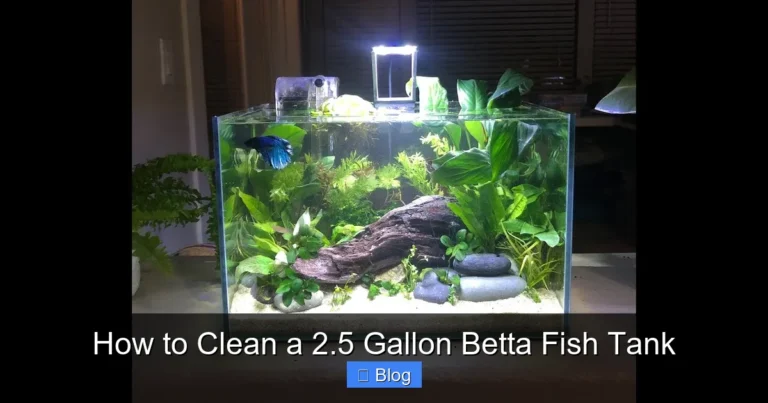
Visual guide about How to Change Fish Bowl Water for Betta
Image source: i.ytimg.com
Bowl vs. Tank: Why Size Matters For Maintenance
Think of it like this: If you spill a teaspoon of sugar into a 10-gallon aquarium, it’s barely noticeable. If you spill that same teaspoon into a 1-gallon bowl, the water becomes syrupy sweet instantly. Your betta’s waste is that sugar. In a bowl, there is no meaningful “cycle” to rely on. You are the filter. Your regular water changes are the only mechanism removing waste. This is why how to change fish bowl water for betta is a more frequent and critical task than for a larger, cycled tank. While we strongly recommend upgrading to a 5-gallon filtered tank for significantly better welfare, if you are using a bowl, diligent water changes are your primary duty.
Gathering Your Supplies: The Right Tools For The Job
Doing this correctly requires a few simple, inexpensive tools. Using the wrong tools (like a soapy sponge or a net you use for other purposes) can do more harm than good. Set up a dedicated “betta care kit” that stays near the sink.
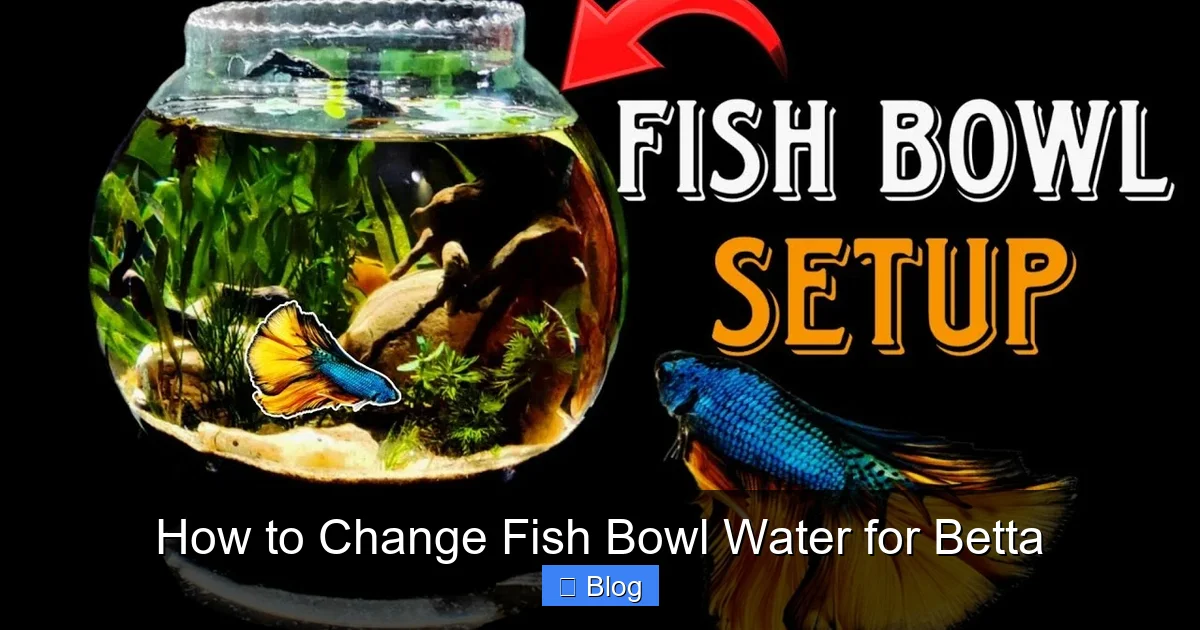
Visual guide about How to Change Fish Bowl Water for Betta
Image source: i.ytimg.com
Essential Checklist
- A Gravel Vacuum/Siphon: This is your most important tool. A simple plastic squeeze-bulb siphon (available at any pet store) allows you to remove old water and debris from the gravel without disturbing the substrate too much. It makes the job 10 times easier and more effective than trying to pour water out.
- A Clean, Dedicated Bucket or Container: This bucket is ONLY for your betta’s water. Never use a bucket that has had cleaning chemicals, soap, or other pets’ supplies in it. A 1-2 gallon bucket is perfect for a bowl.
- Water Conditioner/Dechlorinator: Non-negotiable. Brands like Seachem Prime, API Stress Coat+, or Tetra AquaSafe are reliable. This neutralizes chlorine, chloramines, and heavy metals in tap water instantly.
- A Thermometer: A simple stick-on aquarium thermometer or a floating digital one. You must verify water temperatures match.
- Clean, Soft Cloth or Paper Towels: For wiping the outside of the bowl and any condensation. Do not use any cleaning agents.
- A Small Cup or Bowl: For temporarily holding the old water if you need to move decorations for cleaning (though this is rarely needed).
Step-by-Step: The Correct Way To Change Your Betta’s Bowl Water
Now, the core process. Follow these steps exactly, in this order, every time. The golden rule: the fish stays in the bowl.
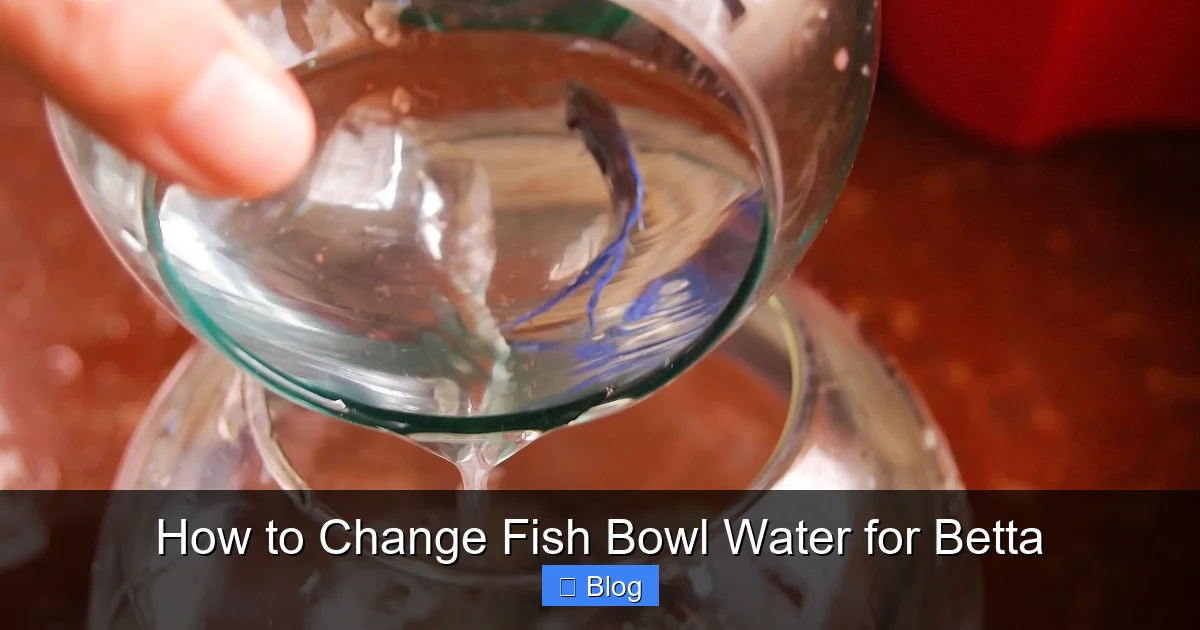
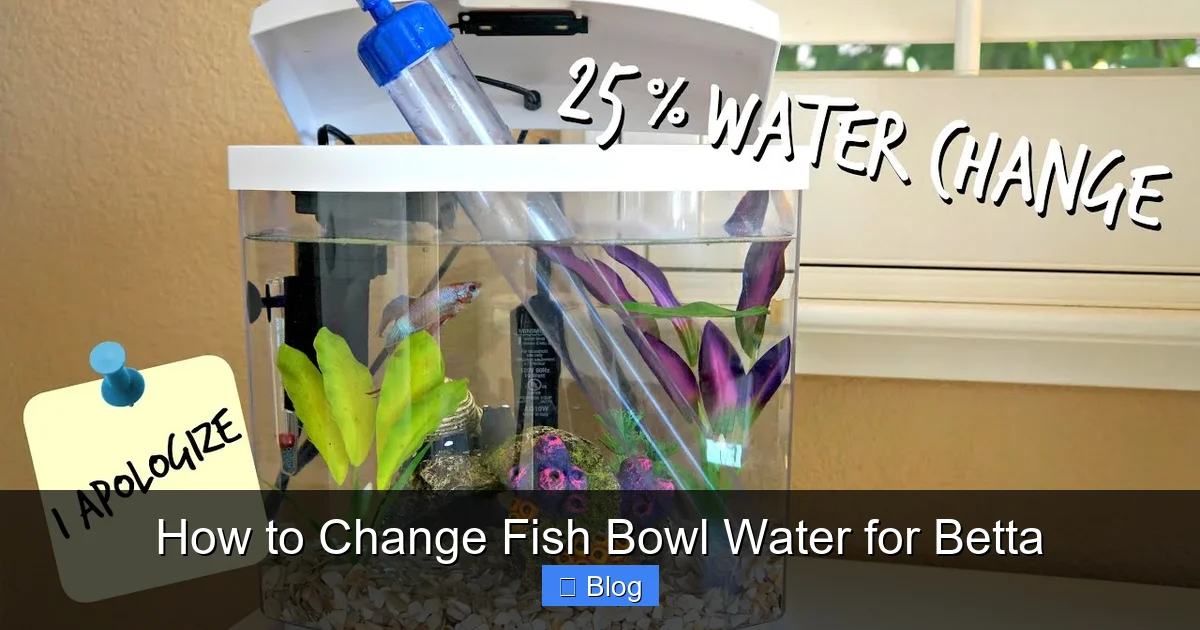
Visual guide about How to Change Fish Bowl Water for Betta
Image source: wikihow.com
Step 1: Preparation (The 10-Minute Rule)
Before you touch anything, fill your clean bucket with the amount of new water you’ll need (for a 25% change in a 1-gallon bowl, that’s about 1 quart). Add the correct dose of water conditioner to this new water immediately and stir. Let it sit while you prepare the bowl. This gives the conditioner time to work and allows the new water to come to room temperature, which should already be close to your bowl’s temperature. Never use hot or cold water directly from the tap.
Step 2: Remove The Old Water Gently
Place the end of your gravel vacuum into the bowl, holding it over the gravel. Squeeze the bulb to start the siphon, then release to let water flow. Gently stir the gravel with the vacuum tip to lift trapped debris. Siphon out the old, dirty water into your sink or a separate drain. Continue until you’ve removed the desired percentage (25-50%). The water should run relatively clear; if it’s still very cloudy, you may not have stirred the gravel enough. Watch your betta closely—it may investigate the vacuum, which is fine as long as you’re gentle.
Step 3: Check And Adjust Temperature
This is a make-or-break step. Place your thermometer in the remaining water in the bowl and in the new water in your bucket. The temperatures must match within 1-2°F. If the new water is cooler, you can let it sit longer or add a tiny bit of warm (not hot) tap water and re-test. If it’s warmer, let it cool. Never pour in water that is a different temperature. A temperature shock is a common cause of sudden betta illness or death after a water change.
Step 4: Add The New Water Slowly
This is the moment of truth. Do not dump the new water in. Instead, place a clean cup or the spout of your bucket into the bowl and create a slow, gentle stream. You can even pour the new water over a clean plate or your hand held in the bowl to diffuse the force. The goal is to avoid creating strong currents that stress your betta and to prevent the new water from shocking the old water’s chemistry too abruptly. Fill the bowl to its original level.
Step 5: Final Clean-Up And Observation
Wipe the outside of the bowl with your dry cloth to remove any splashes or fingerprints. Check for any spilled water on your surface. Now, take 5 minutes to just observe your betta. It should be swimming normally, perhaps curious about the fresh water. Its fins should be open, not clamped. If it’s hiding or breathing rapidly, double-check your water temperature and conditioner dosage. A properly done change should be imperceptible to the fish.
Common Mistakes And How To Avoid Them
Even with the best intentions, it’s easy to slip up. Here are the most frequent errors and their fixes.
Mistake 1: Changing 100% Of The Water At Once
Some owners think a “full clean” is best. It’s not. A 100% water change completely removes any beneficial bacteria that may have colonized the gravel and bowl surfaces. It also causes massive, sudden swings in pH, temperature, and mineral content—a triple shock to the system. Solution: Stick to 25-50% changes. Only do a full change in an emergency (like a chemical spill) and be prepared for the fish to be stressed for a day or two.
Mistake 2: Using Untreated Tap Water
Chlorine and chloramines in municipal water are instant killers. They destroy gill tissue. Solution: Always, always, always use a water conditioner. There is no exception. Let the conditioner mix for a minute before adding it to the bowl.
Mistake 3: Temperature Mismatch
Pouring in cold tap water into a warm bowl is a classic shock trigger. Solution: Use a thermometer. It’s the only way to be sure. Remember, room temperature water (around 76-78°F or 24-26°C) is the target for most bettas.
Mistake 4: Over-Cleaning The Bowl
Scrubbing the entire bowl and decorations with soap or even just scrubbing them too vigorously removes all the beneficial biofilm and bacteria. This resets your ecosystem to zero. Solution: Only clean the glass algae with an algae pad (no soap) during a water change if needed. Rinse decorations in the old water you just siphoned out—never under the tap. The goal is to remove visible gunk, not sterilize.
Long-Term Maintenance: Beyond The Weekly Change
Water changes are your main tool, but they work best as part of a holistic care routine.
Feeding Impacts Water Quality
Overfeeding is the #1 cause of dirty water. Bettas have stomachs the size of their eyeball. Feed 2-3 high-quality pellets once or twice a day, and remove any uneaten food after 5 minutes with a net. This uneaten food decays and pollutes the water immediately, drastically increasing the frequency your bowl needs cleaning.
Monitoring Water Parameters
For a bowl, you don’t need an expensive electronic tester, but a simple liquid test kit (like the API Freshwater Master Test Kit) is invaluable. Test your water before a change. You should see 0 ppm ammonia, 0 ppm nitrite, and nitrate under 20 ppm. If ammonia or nitrite is present, you are not changing the water frequently enough or are overfeeding. Increase your change frequency temporarily.
When To Consider An Upgrade
If you find yourself struggling to keep the water clear between changes, or if your betta seems listless despite proper care, the bowl itself is the problem. A 5-gallon tank with a gentle sponge filter is the gold standard for betta care. The larger volume dilutes toxins, the filter hosts beneficial bacteria for a stable cycle, and it requires less frequent maintenance (like 25% weekly changes). It’s not just easier; it’s dramatically better for your fish’s welfare.
Conclusion: The Rewarding Ritual Of Care
Mastering how to change fish bowl water for betta transforms it from a daunting chore into a simple, 15-minute ritual of care. It’s your direct line of communication with your betta’s health. Each time you perform a gentle, correct water change, you are literally refreshing its world, washing away the invisible toxins that threaten it, and giving it the clean, stable environment it needs to display its full personality and beauty. Remember the core principles: frequent partial changes, always treat the water, match the temperature, and never remove the fish. By making this a consistent habit, you move beyond just keeping a fish alive. You become a dedicated guardian, ensuring your betta’s jewel-toned fins flutter with vitality for years to come. The effort you put into this single task pays off every single day in the form of a happy, active, and stunning companion.
Frequently Asked Questions
Can I use bottled spring water instead of tap water for my betta bowl?
You can, but it’s usually not recommended. Spring water lacks essential minerals that bettas need and can have an unpredictable pH. Tap water treated with a dechlorinator is more consistent and cost-effective. If you do use spring water, you must still treat it with a conditioner and test its parameters against your bowl’s water to avoid shocking the fish.
What happens if I accidentally use water that’s too hot or too cold?
A significant temperature difference (more than 2-3°F) causes thermal shock. Your betta may gasp, dart erratically, clamp its fins, and become extremely lethargic. Immediately check the temperature. If it’s only slightly off, monitor closely. If it’s a large difference, you may need to perform another small, very gradual water change with correctly tempered water to slowly bring the temperature back to safe levels.
My betta bowl water gets cloudy very quickly. Am I changing it enough?
Cloudy water usually indicates a bacterial bloom from excess organics (overfeeding, decaying matter). While regular changes are helping, the root cause is likely too much food or insufficient cleaning of debris. Ensure you are stirring the gravel during changes to remove trapped waste. Reduce feeding amounts and remove all uneaten food promptly. You may need to increase change frequency to 50% daily until the cloudiness clears, then settle into a maintenance routine that keeps it clear.
Do I need to remove my betta’s decorations during the water change?
No, you should not remove them routinely. The decorations host beneficial bacteria. Instead, during your water change, use the gravel vacuum to gently clean around and under the decorations. If a decoration gets particularly slimy or dirty, you can rinse it in the old siphoned-out water (never tap water) to preserve bacteria. Only remove decorations for a full clean in an emergency.
How can I tell if my water conditioner is working or if I’m using the right amount?
Always follow the dosage instructions on your specific conditioner bottle based on your bowl’s gallon size. A good conditioner works instantly. If you have chlorinated water, you can test for chlorine before and after adding conditioner with a chlorine test kit (part of most master test kits). The reading should drop to 0. If you consistently see ammonia or nitrite spikes despite changes, your conditioner may be expired or you may be under-dosing.
Is it okay to use the same siphon/vacuum for my betta bowl and my other aquariums?
It is generally safe if you thoroughly rinse the siphon hose with clean water between uses. However, to eliminate any risk of cross-contamination of disease or medication, it is best practice to have a dedicated siphon for each tank, especially if any fish are or have been sick. For a single betta bowl, a dedicated siphon is simple and safest.