How to Cool Down Betta Fish Tank
Betta fish need warm water, but overheating can cause severe stress and health issues. This article covers practical, step-by-step techniques to cool down your betta fish tank effectively. From quick fixes to long-term solutions, you’ll learn how to maintain a stable, healthy environment for your aquatic pet.
You love your betta fish—their flowing fins, curious personalities, and vibrant colors. But behind that beautiful tank, a hidden danger could be lurking: excessive heat. While bettas are tropical fish that enjoy warm water, overheating is a silent threat that can lead to stress, disease, and even death. Many owners don’t realize how quickly tank temperatures can rise, especially in summer or in rooms without air conditioning. That’s why mastering how to cool down betta fish tank is a non-negotiable skill for every betta keeper. It’s not just about comfort; it’s about survival.
In this guide, we’ll break down everything you need to know, from the science behind betta temperature needs to actionable cooling methods you can implement today. We’ll use simple language and real-world examples so you can confidently protect your fish. Whether you’re dealing with a sudden heatwave or looking for long-term solutions, this article has you covered. Let’s ensure your betta lives a long, healthy life in a perfectly balanced tank.
Key Takeaways
- Monitor Daily: Use a reliable thermometer to check tank temperature every day for consistency.
- Ideal Range: Keep betta water between 76-82°F (24-28°C); avoid temperatures above 82°F.
- Cool Gradually: Always lower tank temperature slowly to prevent shocking your betta fish.
- Safe Methods: Use ice bottles, fans, or air conditioning—never add ice cubes directly.
- Prevent Overheating: Position the tank away from sunlight and heat sources to maintain stability.
- Spot Stress Signs: Lethargy, gasping, or faded colors indicate possible overheating issues.
- Invest in Equipment: A quality heater with thermostat and a chiller for hot climates ensures control.
📑 Table of Contents
Understanding Betta Fish and Their Temperature Needs
Before we dive into cooling techniques, it’s crucial to understand why temperature matters so much for bettas. These fish, native to the shallow waters of Southeast Asia, have specific thermal requirements that, when ignored, can spell trouble. Think of it like this: you wouldn’t wear a winter coat in summer, and your betta can’t adapt to extreme heat either. Their bodies are finely tuned to a narrow temperature range.
Natural Habitat of Betta Fish
In the wild, bettas inhabit rice paddies, marshes, and slow-moving streams. These environments are warm but moderated by shade from vegetation, rainfall, and the air above the water surface. The temperature typically fluctuates between 75°F and 85°F (24°C to 29°C), but it rarely stays at the high end for long. This natural variation means bettas are resilient but not equipped for constant, high heat. They rely on environmental cues to regulate their metabolism and behavior.
Optimal Temperature Range for Bettas
For captive bettas, the sweet spot is 76°F to 82°F (24°C to 28°C). Within this range, your betta will be active, display bright colors, eat well, and resist diseases. Below 76°F, their metabolism slows, making them sluggish and prone to illnesses like swim bladder issues. Above 82°F, their metabolism speeds up, increasing oxygen demand and stress. Prolonged exposure over 85°F (29°C) can cause organ damage and is often fatal. So, when you cool down betta fish tank, your goal is to stay within this ideal window.
Why Overheating is Dangerous
Warm water holds less dissolved oxygen, so your betta might struggle to breathe, gasping at the surface. Heat also accelerates the growth of harmful bacteria and parasites, compromising water quality. Additionally, high temperatures weaken the immune system, opening the door to fin rot, velvet, or other infections. Overheating can also cause erratic swimming, loss of equilibrium, and extreme lethargy. In short, it’s a cascade of problems that starts with temperature and ends with a sick or dead fish. That’s why proactive temperature management is critical.
Recognizing the Signs of an Overheated Betta Tank
Overheating often creeps up slowly. By the time you see obvious symptoms, your betta may already be in distress. Early detection is key. Watch for these telltale signs that your tank is too hot and needs immediate cooling.
Visual guide about How to Cool Down Betta Fish Tank
Image source: nippyfish.net
Behavioral Changes in Your Betta
Bettas are expressive, and their behavior shifts noticeably when stressed by heat. Look for:
- Lethargy and Inactivity: Instead of exploring, your betta might float motionless or rest at the bottom.
- Gasping at the Surface: Frequent trips to the top for air indicate low oxygen from warm water.
- Loss of Appetite: A sudden disinterest in food is a red flag for temperature stress.
- Hiding or Isolation: Unusual shyness, spending time in corners or under plants, can signal discomfort.
- Erratic Swimming: Darting, bumping into objects, or swimming upside down may indicate neurological stress from heat.
Physical Symptoms to Watch For
Physical cues are equally important:
- Faded or Clamped Fins: Colors dull, and fins are held tightly against the body.
- Rapid Gill Movement: Fast-beating gills show respiratory distress.
- Red or Inflamed Areas: Inflammation on the body, especially around the gills or fins, can be a stress response.
- Increased Mucus Production: A slimy coating on the fish or tank walls might indicate poor water quality exacerbated by heat.
How to Confirm Temperature Issues
Never rely on guesswork. Always use a digital aquarium thermometer—stick-on or glass types are affordable and accurate. Place it away from the heater and in a high-traffic area of the tank. Check readings at different times, as temperatures can peak in the afternoon. If the thermometer shows consistent readings above 82°F, it’s time to cool down betta fish tank immediately. Remember, even if your betta seems fine, high temperatures can cause long-term damage.
Immediate Cooling Techniques for Your Betta Tank
When temperatures spike, you need to act fast but calmly. Sudden drops can shock your betta, so aim for gradual cooling—about 1-2°F per hour. Here are safe, effective methods to lower the temperature quickly.
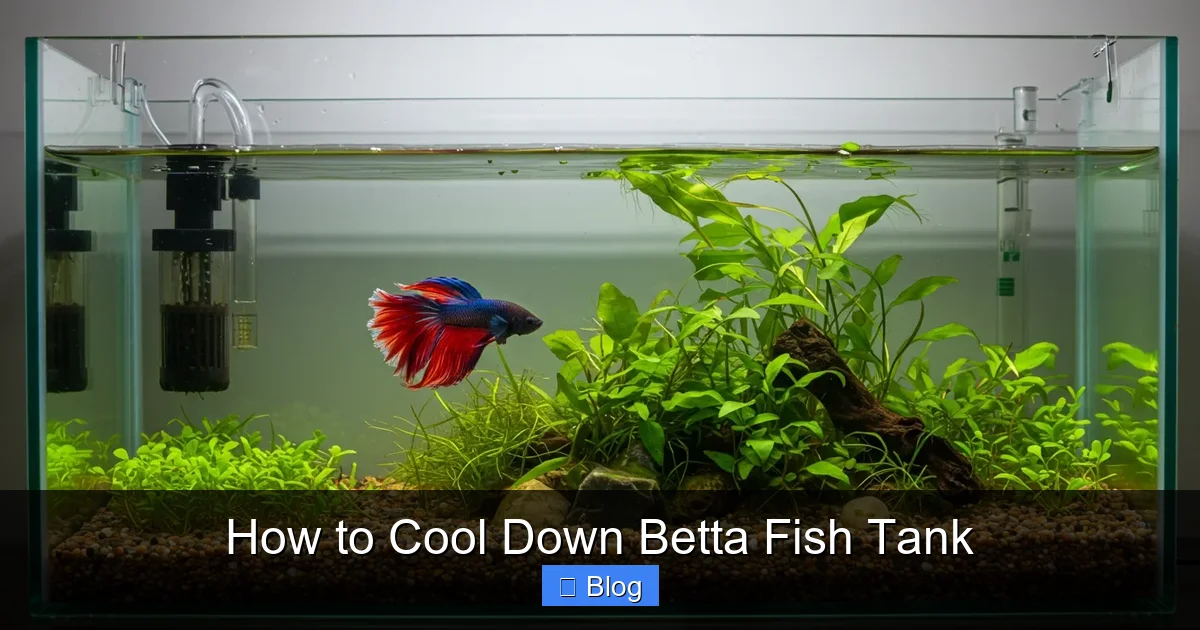
Visual guide about How to Cool Down Betta Fish Tank
Image source: img.houseui.com
Using Ice Bottles or Cold Packs
This is the most popular emergency method. It’s simple, inexpensive, and controllable.
- Prepare the Bottle: Fill a clean, plastic water bottle about 3/4 full with dechlorinated water (to match tank parameters). Leave room for expansion as it freezes.
- Freeze It: Place the bottle in your freezer until solid. You can keep several on hand for repeated use.
- Wrap and Place: Wrap the frozen bottle in a thin cloth or towel to prevent direct contact with tank glass, which could crack due to thermal shock. Gently place it in the tank, ideally near a filter outlet to circulate cool water.
- Monitor Closely: Check the thermometer every 15-20 minutes. Remove the bottle once the temperature drops to the desired range (76-82°F).
Pro Tip: Use multiple small bottles instead of one large one for more even cooling. This method can lower the temperature by 2-4°F over an hour. Never use loose ice cubes—they melt too fast, cause rapid swings, and may introduce contaminants.
Increasing Air Circulation with Fans
Fans promote evaporative cooling, mimicking a breeze over water. This method is gentle and energy-efficient.
- Choose the Right Fan: A small desk fan or computer fan works well. Avoid powerful fans that create strong currents, as bettas prefer calm water.
- Positioning: Place the fan so it blows across the tank’s surface, not directly into the water. This enhances evaporation without disturbing your betta too much.
- Safety First: Ensure the fan is stable and cords are away from water to prevent electrical hazards.
- Combine with Other Methods: Use fans alongside ice bottles for faster cooling in extreme heat.
Note: Evaporation will lower water levels, so top off with conditioned water to maintain volume, but match the temperature closely.
Adjusting Lighting and Equipment
Your tank’s own equipment can generate unwanted heat. Take a look around:
- Turn Off Lights: Aquarium lights, especially high-wattage LEDs or fluorescents, can radiate heat. Switch them off for a few hours during peak heat. If you have a hood, remove it temporarily to allow heat to escape.
- Check Your Heater: A malfunctioning heater can overheat the water. If safe, unplug it temporarily and monitor temperature. Ensure it’s not set too high—most heaters have adjustable dials.
- Unplug Other Devices: Filters or air pumps can also emit heat. Consider running them on battery or reducing usage if they contribute to warming.
- Use Cooler Bulbs: If you need lighting, switch to lower-wattage or LED bulbs that produce less heat.
Long-Term Solutions for Temperature Control
While emergency fixes are vital, preventing overheating is the ultimate goal. Invest in these long-term strategies for consistent temperature management.
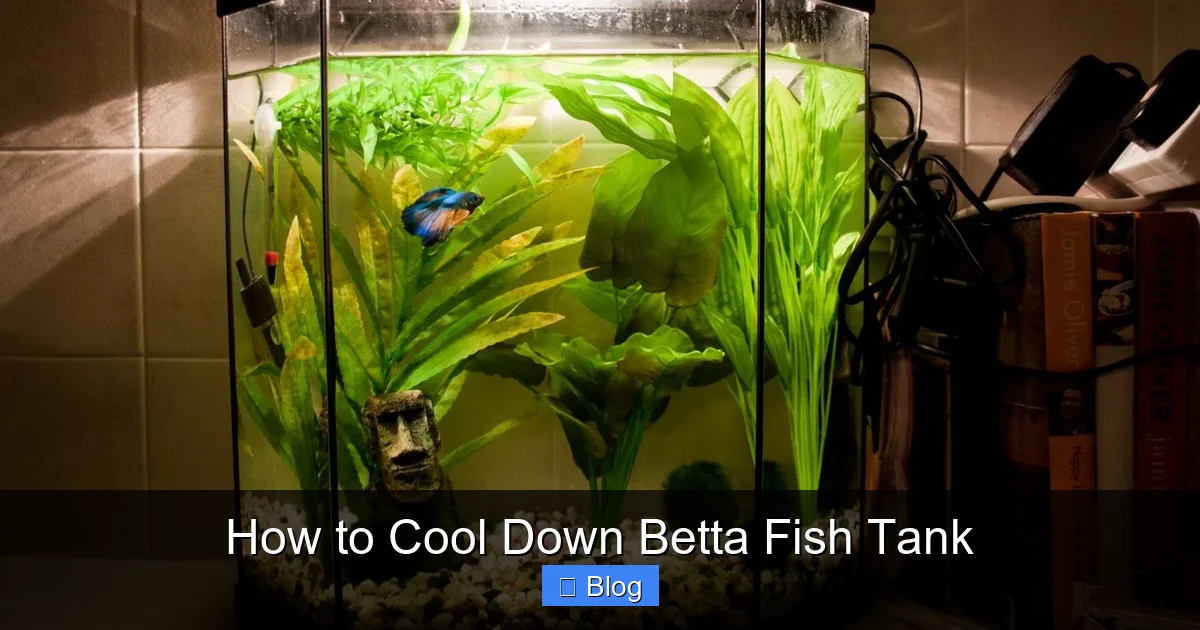
Visual guide about How to Cool Down Betta Fish Tank
Image source: i.pinimg.com
Investing in a Quality Aquarium Chiller
For betta owners in hot climates or with temperature-sensitive setups, an aquarium chiller is the gold standard. These devices work like mini refrigerators for your tank, actively cooling water to a set temperature.
- How They Work: Chillers use a refrigeration system to extract heat from the water as it circulates through the unit.
- Choosing One: Look for chillers designed for small tanks (5-10 gallons), as bettas often live in these sizes. Brands like JBJ or AquaEuro offer reliable options.
- Cost and Installation: Chillers range from $200 to $500+. They require a power source and may need a separate pump. Installation is straightforward but follow manufacturer instructions carefully.
- Benefits: Provides precise, automated temperature control, ideal for summer months or unstable room temperatures.
Consideration: For most betta keepers, a chiller might be overkill unless overheating is a recurring issue. Start with simpler methods first.
Optimizing Tank Placement and Room Environment
Where you put your tank can make a huge difference. Avoid these common placement mistakes:
- Steer Clear of Sunlight: Never place your tank in direct sunlight, even for a few hours. It can raise water temperature rapidly and cause algae blooms. Use curtains or blinds to block rays.
- Avoid Heat Sources: Keep the tank away from radiators, space heaters, kitchen appliances, electronics (like TVs or computers), and windows that get afternoon sun.
- Choose a Cool Room: If possible, locate the tank in a room with air conditioning or good cross-ventilation. Basements or lower floors are often cooler.
- Consider Tank Size: Smaller tanks (under 5 gallons) heat up faster due to less water volume. If overheating is frequent, upgrade to a larger tank (5-10 gallons) for more thermal stability.
- Use Tank Insulation: In hot rooms, avoid insulating the tank. Instead, ensure there’s airflow around all sides. Stand the tank on a rack or stand, not directly on a heat-emitting surface.
Regular Maintenance and Monitoring Tools
Prevention is all about consistency. Establish a routine:
- Daily Temperature Checks: Make it a habit to glance at your thermometer each morning. Digital thermometers with alarms can alert you to dangerous swings.
- Calibrate Your Heater: Test your heater with a separate thermometer to ensure accuracy. Set it to the lower end of the ideal range (76-78°F) to provide a buffer.
- Perform Regular Water Changes: Weekly 25% water changes with slightly cooler (but within 2°F) conditioned water can help lower average temperature. Always treat tap water with a dechlorinator.
- Clean Equipment: Dust off filters and lights, as grime can insulate heat. Ensure your filter isn’t clogged, reducing water flow and heat distribution.
- Track Trends: Keep a simple log of temperature readings to identify patterns, like afternoon spikes or seasonal changes.
Common Mistakes to Avoid When Cooling Your Tank
Even with the best intentions, some cooling methods can backfire. Avoid these pitfalls to keep your betta safe.
Never Use Ice Cubes Directly
It’s tempting to toss a few ice cubes in, but this is a big no-no. Ice cubes melt quickly, causing a rapid temperature drop that shocks your betta’s system. They can also introduce impurities if not made from purified water, and they create uneven cooling as they float. Always use the sealed ice bottle method described earlier for controlled, gradual cooling.
Avoid Over-Cooling the Water
In your haste to cool the tank, you might overshoot. Water that’s too cold is just as dangerous as water that’s too hot. Bettas can suffer from cold stress, leading to lethargy and susceptibility to disease. Never drop the temperature more than 2-3°F per hour. Use a thermometer to guide you and stop cooling once you hit 82°F. If you accidentally over-cool, slowly raise the temperature with a heater set low.
Don’t Neglect Water Quality During Cooling
When using ice bottles or doing water changes to cool the tank, water quality can slip through the cracks. Always ensure any water added (like in ice bottles) is dechlorinated and matches the tank’s pH and hardness. Adding cold, untreated tap water can cause chemical burns or pH crashes. Also, during evaporation, top off with conditioned water to prevent mineral buildup. Balancing temperature and water parameters is essential for betta health.
Creating a Stable Environment for Your Betta
Temperature control is part of a bigger picture: a stable, stress-free environment. Bettas thrive on consistency, so let’s tie everything together.
Seasonal Adjustments and Considerations
Each season brings unique challenges. In summer, ramp up cooling methods: use fans, run air conditioning, and monitor temperatures multiple times daily. In winter, ensure your heater is adequate and check for cold drafts from windows or doors. A tank near an exterior wall might need extra insulation or a heater with higher wattage. Adjust your routine based on seasonal forecasts—have cooling supplies ready before heatwaves hit.
The Role of Tank Size and Setup
Tank size matters more than you think. A 5-gallon tank is the minimum recommended for bettas; it provides more water volume, which resists temperature changes better than a 1-gallon bowl. In a larger tank, temperature fluctuations are slower and less drastic. Additionally, include live or silk plants that offer shade, but avoid overcrowding that blocks filter flow. A well-planted tank with open swimming areas can create microclimates, giving your betta cooler spots to retreat to.
Final Tips for Consistent Care
To wrap up, here’s a checklist for maintaining perfect betta tank temperatures:
- Equip Yourself: Have a digital thermometer, frozen ice bottles, and a small fan ready at all times.
- Know Your Room: Understand your home’s average temperature and how it changes throughout the day.
- Observe Daily: Spend a few minutes each day watching your betta. Behavioral changes are often the first warning sign.
- Educate Continuously: Stay informed about betta care through reputable sources. Join online communities for advice.
- Plan for Emergencies: Have a backup power source for heaters/chillers during outages, and know the signs of temperature stress.
By following these guidelines, you’ll master how to cool down betta fish tank and provide a sanctuary where your betta can flourish. Remember, a stable temperature is just one piece of the puzzle—pair it with clean water, a balanced diet, and enrichment for a truly happy fish. Your betta depends on you; with this knowledge, you’re well-equipped to be their hero.
Frequently Asked Questions
How often should I check my betta tank temperature?
Check your betta tank temperature at least once daily with a reliable thermometer. During hot weather or if you notice any changes in your fish’s behavior, increase checks to 2-3 times per day to catch fluctuations early.
What is the safest way to cool down a betta tank quickly?
The safest quick method is to use a frozen water bottle wrapped in a cloth, placed in the tank. Monitor the temperature closely and remove the bottle once it reaches 82°F to avoid over-cooling. Never use ice cubes directly.
Can I use a fan to cool my betta tank?
Yes, a small fan blowing across the water surface promotes evaporative cooling and can lower temperature by a few degrees. Ensure it’s not too strong to stress your betta, and always monitor temperature changes.
What temperature is too hot for a betta fish?
Temperatures above 82°F (28°C) are too hot for betta fish. Prolonged exposure to water over 85°F (29°C) can be fatal. Aim to keep the temperature consistently between 76°F and 82°F.
How do I prevent my betta tank from overheating in summer?
Prevent overheating by keeping the tank away from direct sunlight, using fans or air conditioning, and considering an aquarium chiller for consistent control. Also, ensure your heater is not set too high and is functioning properly.
Should I turn off my betta tank heater if it’s too hot?
If the tank is overheating, you can temporarily unplug the heater, but first confirm it’s not malfunctioning. However, the primary issue is likely external heat, so focus on cooling the environment and monitor temperature closely before restarting the heater.