How to Change Betta Fish Water Temperature
Changing your betta fish’s water temperature requires extreme care and a slow, methodical approach. Rapid temperature shifts can cause fatal thermal shock, weaken their immune system, and lead to disease. You must use a reliable aquarium heater and a separate thermometer to make adjustments gradually, typically no more than 1-2°F (0.5-1°C) per hour. Consistent monitoring before, during, and after the change is non-negotiable for your betta’s long-term health and vibrant display.
Key Takeaways
- Betta fish are extremely sensitive to temperature swings. Their natural habitat is warm, stable tropical water, and even a few degrees of rapid change can induce deadly thermal shock or severe stress.
- The golden rule is “slow and steady.” Always adjust the water temperature by a maximum of 1-2°F (0.5-1°C) per hour. Patience is the most critical tool in this process.
- You need the right equipment. A fully submersible, adjustable aquarium heater with a thermostat and a separate, accurate stick-on or floating thermometer are absolute necessities.
- Never change the entire tank’s temperature at once. The process involves setting the heater to a new target and allowing the entire water volume to equalize slowly over many hours.
- Acclimation is part of the process. If performing a partial water change with new water, the new water’s temperature must match the tank’s current temperature exactly before it is added.
- Constant monitoring is key. Check the thermometer frequently during the adjustment period and establish a daily routine to ensure stability.
- Stable temperature is more important than a perfect number. While the ideal range is 78-80°F (25.5-26.5°C), a consistent 77°F is far safer for your betta than a fluctuating 80°F.
📑 Table of Contents
- Introduction: The Delicate Balance of a Betta’s World
- Why Temperature Is a Matter of Life and Death for Your Betta
- Essential Equipment: Your Toolkit for a Safe Temperature Change
- Step-by-Step Guide: The Safe, Gradual Adjustment Process
- The Critical Link: Water Changes and Temperature Acclimation
- Common Mistakes and How to Avoid Them
- Long-Term Maintenance: The Goal is Stability, Not Perfection
- Conclusion: A Commitment to Comfort
Introduction: The Delicate Balance of a Betta’s World
Imagine your entire world being defined by the water around you. For a betta fish, that’s not imagination—it’s reality. Their tiny bodies, their metabolism, their very breath (they use a labyrinth organ to gulp air) are all intricately tuned to the temperature of their aquatic environment. This isn’t just about comfort; it’s about survival. The single most critical aspect of betta fish care is maintaining a stable, warm water temperature. Yet, there are times—during a seasonal shift, when upgrading equipment, or correcting a mistake—when you need to change that temperature. Doing it incorrectly is one of the fastest ways to harm or even kill your vibrant companion. This guide will walk you through the precise, safe, and compassionate method to change your betta fish water temperature, transforming a potentially dangerous task into a routine part of responsible fishkeeping.
The keyword here is change. We are not talking about the daily, minor fluctuations that happen in a poorly managed tank. We are talking about a deliberate adjustment of the set point. The core principle that will be echoed throughout this article is this: slowness equals safety. Your betta’s physiology cannot cope with shock. Their immune system collapses under rapid change, making them vulnerable to a host of opportunistic diseases like fin rot or ich. By understanding the “why” behind the “how,” you empower yourself to make decisions that keep your betta thriving, not just surviving.
Why Temperature Is a Matter of Life and Death for Your Betta
Before we dive into the “how,” we must solidify the “why.” Betta splendens are native to the shallow, stagnant rice paddies and slow-moving streams of Southeast Asia. These waters are warm, often exceeding 85°F (29°C) in the afternoons, and remarkably stable. There is no rapid current to mix layers, and the shallow depth means the sun heats the entire water column uniformly. This evolutionary history has made bettas specialists in a narrow thermal range, typically between 75°F and 85°F (24°C – 29°C), with an ideal, stress-free sweet spot of 78-80°F (25.5-26.5°C).

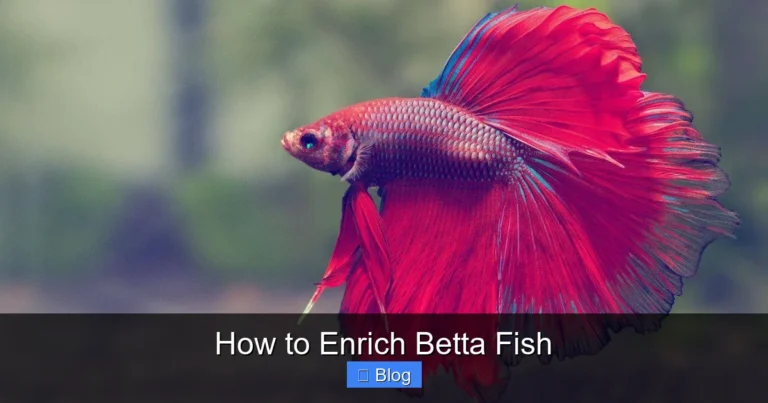
Visual guide about How to Change Betta Fish Water Temperature
Image source: fishkeepertank.com
The Domino Effect of Temperature on Physiology
Water temperature directly controls a betta’s metabolic rate. Think of it like their internal engine speed. In colder water (below 75°F), their metabolism slows drastically. Digestion becomes inefficient, leading to constipation and bloating. Their immune system, already not as robust as many freshwater fish, practically shuts down. They become lethargic, their colors may fade, and they are highly susceptible to infections. You might see them clamped at the bottom, barely moving.
Conversely, water that is too warm (a consistent 82-84°F is acceptable, but above 86°F is dangerous) speeds their metabolism to a frantic pace. This burns energy reserves quickly, shortens their lifespan, and increases their oxygen demand—a problem because warm water holds less dissolved oxygen. They may gasp at the surface, become hyperactive, or exhibit stress stripes. The key is finding that stable middle ground.
Thermal Shock: The Immediate Killer
This is the acute danger of changing betta fish water temperature too fast. Thermal shock is a physiological crisis. When the water temperature shifts rapidly—say, by pouring in cold water during a tank clean or having a heater malfunction—it causes a severe constriction or dilation of blood vessels and internal organs. It’s like a human going from a sauna to an ice bath instantly. The shock can cause organ failure, nervous system disruption, and immediate death. Even if they survive the initial shock, the resulting stress compromises their immune system, opening the door for diseases that may kill them in the following days or weeks. This is why the “1-2°F per hour” rule is not a suggestion; it is a hard ceiling.
Essential Equipment: Your Toolkit for a Safe Temperature Change
You cannot safely or accurately change your betta’s water temperature with guesswork. Attempting to do so with just the tank’s built-in thermometer (often inaccurate) or by adjusting room temperature is a recipe for disaster. You need a dedicated, reliable toolkit.
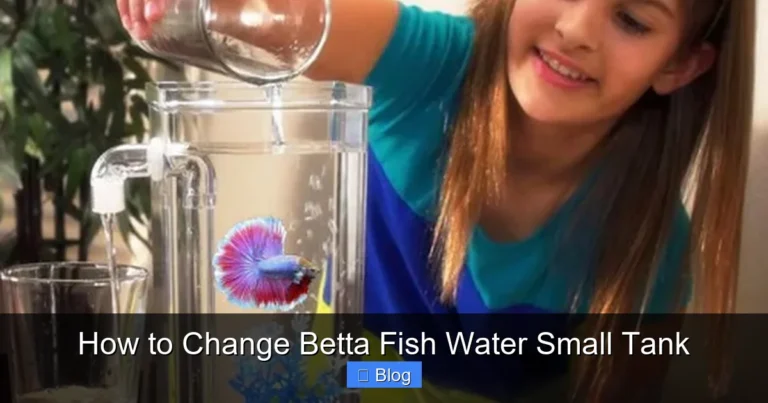
Visual guide about How to Change Betta Fish Water Temperature
Image source: smartaquariumguide.com
The Adjustable Submersible Heater: Your Primary Tool
This is the engine of the operation. For a standard betta tank (2.5 to 5 gallons), you need a heater rated for that specific volume. A common mistake is buying a heater that is too powerful, which can cause rapid overheating and dangerous temperature swings as it cycles on and off. Look for a heater with a fully submersible design and, most importantly, an external, analog or digital thermostat control. This allows you to set an exact target temperature (e.g., 79°F). The heater will then automatically maintain that temperature by turning on and off as needed. Avoid stick-on pad heaters or preset heaters you cannot adjust—they offer no control for a deliberate change.
Practical Tip: For a 5-gallon tank, a 50-watt adjustable heater is a good, safe choice. Always place the heater near a water flow (like the filter output) to ensure even heat distribution and prevent “hot spots” that could burn your fish.
The Separate, Accurate Thermometer: Your Most Important Monitor
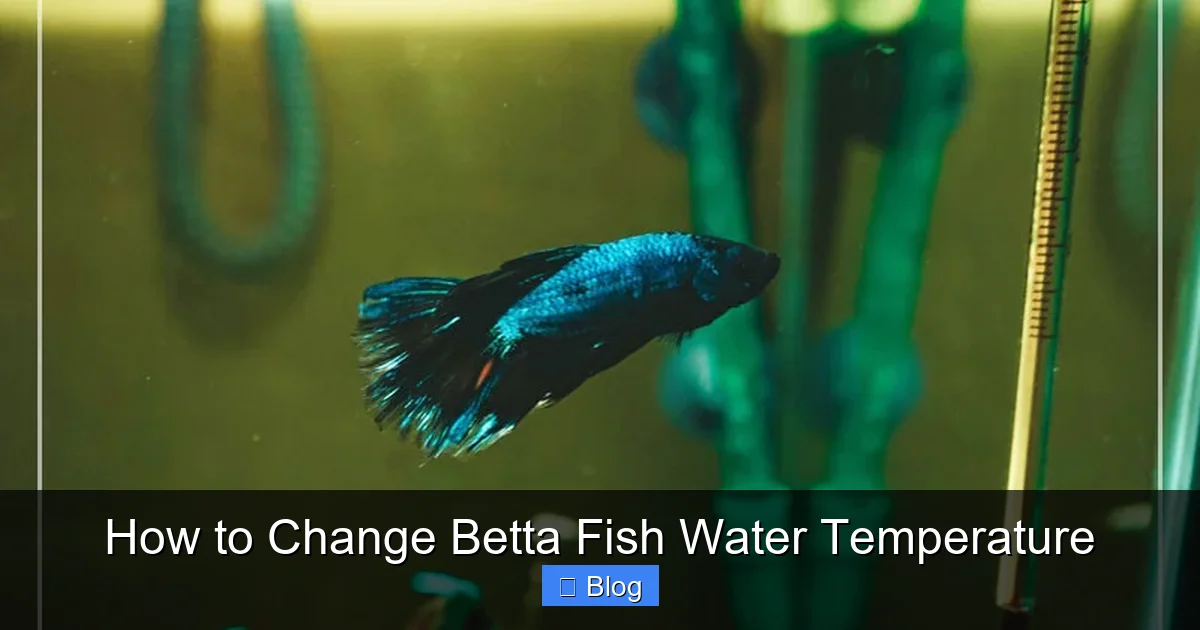
Do not, under any circumstances, rely on the thermometer sticker that came with your tank or the small dial on the heater itself. These are notoriously inaccurate. You need an independent verification device. Your best options are:
- Floating Thermometers: Simple, cheap, and effective. They float in the tank and give a clear digital or analog read.
- Stick-On Liquid Crystal Thermometers: These adhere to the outside of the tank glass. They are very affordable and provide a constant visual reference. Ensure you place it at the height where your betta spends most of its time.
- Digital Thermometers with a Probe: The gold standard for accuracy. The digital display sits outside the tank, and a long, waterproof probe goes inside. These are highly recommended for precision.
Practical Example: Place your independent thermometer on the opposite side of the tank from the heater’s location. This gives you a true reading of the average water temperature, not just the temperature right next to the heating element.
Other Helpful Tools
A small, clean cup or baster for water testing. A dedicated bucket for any necessary water changes (if you’re adjusting temperature via new water). A notebook or notes app on your phone to log the start time, target temperature, and hourly checks. This documentation is crucial for complex adjustments and troubleshooting.
Step-by-Step Guide: The Safe, Gradual Adjustment Process
Now, for the core procedure. Let’s assume your betta’s tank is currently at 76°F, and you need to raise it to the ideal 79°F. You will follow this same process for lowering the temperature, simply by setting the heater to a lower target instead of a higher one.
Visual guide about How to Change Betta Fish Water Temperature
Image source: animalslog.com
Step 1: Establish Your Baseline
Before you touch anything, record the current, accurate water temperature from your separate thermometer. Let’s say it’s 76.2°F. This is your starting point. Also, note the current setting on your heater. It might be set to 77°F, but the actual water is 76.2°F due to room temperature or heater calibration. This baseline is critical for measuring progress.
Step 2: Make the Smallest Possible Adjustment
Unplug the heater for safety (though most have safety cut-offs, it’s best practice). Gently adjust the thermostat dial. Do not set it to your final target of 79°F. Instead, set it just 1-2°F above your current baseline. If your baseline is 76.2°F, set the heater to 77°F or 78°F at most. This tiny step starts the warming process without shocking the system. Plug the heater back in securely.
Step 3: The Waiting Game & Active Monitoring
This is where patience pays off. The heater will now slowly work to bring the entire water volume up to its new set point. This is not a race. Check your thermometer every 30-60 minutes. You want to see a gradual, steady increase. Do not be tempted to turn the heater up again if it’s slow. The goal is for the entire tank to reach the new, slightly higher set point. Once the thermometer reads consistently at the new set point (e.g., 77.8°F), you have completed one cycle.
Important: The time this takes depends on tank size, heater power, and the temperature difference. For a 5-gallon tank going from 76°F to 78°F, this first step might take 2-4 hours.
Step 4: Repeat Incremental Adjustments
Once the tank has stabilized at the first new set point (e.g., ~78°F), wait at least another 1-2 hours. Then, return to Step 2. Adjust the heater dial up by another 1-2°F. Set it to 79°F. Allow the tank to slowly reach this new equilibrium, monitoring constantly. Repeat this process until you have reached your final, desired target temperature of 79°F. For our example, it might take 2-3 adjustments over 8-12 hours total.
Step 5: The Final Stabilization Period
Once your thermometer shows the tank has reached and is holding at 79°F, do not consider the process complete. Leave everything undisturbed for at least 4-6 hours, and ideally overnight. This ensures the temperature is truly stable throughout the entire water column and that your betta has had time to acclimate without any hidden stress. Observe your betta’s behavior during this period. Normal, active swimming and a healthy appetite are excellent signs that the change was successful.
For Lowering Temperature: The process is identical, but you are setting the heater to a lower target each time. If your room is very warm and you need to cool the tank, you must use a chiller (an expensive piece of equipment) or the gradual method of replacing small amounts of water with cooler, pre-treated water (see Acclimation section below). Never use ice cubes directly in the tank; this causes extreme, localized cold shock.
The Critical Link: Water Changes and Temperature Acclimation
Changing your betta’s water temperature often coincides with the most common activity in fishkeeping: the water change. This is a point of extreme vulnerability if temperature is mishandled. The rule is absolute: the temperature of the new, dechlorinated water must exactly match the temperature of the existing tank water at the moment it is added.
How to Prepare Perfectly Matched Water
1. Fill your clean bucket with the appropriate amount of tap water.
2. Treat it with a reliable water conditioner to remove chlorine, chloramines, and heavy metals.
3. Measure the temperature of this new water using your thermometer. It will likely be your room’s tap water temperature, say 72°F.
4. If your tank is at 79°F, you must adjust the new water. You have two safe options:
- The Heater Method (Best): Place a small, spare heater (like a 25-watt) in the bucket of new water. Set it to 79°F and allow 30-60 minutes for the water to heat up. Verify with your thermometer before adding.
- The Gradual Mix Method: If you don’t have a spare heater, you can add a small amount of the warmer tank water to the bucket of cold new water, stir, and re-test. Repeat until you achieve a perfect match. (e.g., add 1 cup of 79°F tank water to a 2-gallon bucket of 72°F new water, stir, re-test. You’ll likely need to add several cups).
5. Only when the temperatures are identical (within 0.5°F) should you proceed with the water change. Slowly siphon out the old tank water and slowly pour the perfectly matched new water back in, aiming it against the glass or a decoration to avoid disturbing the substrate or your betta directly.
This practice is non-negotiable. Adding water that is even 5°F different is a guaranteed shock event. This is the single most common way bettas experience dangerous temperature changes, and it is 100% preventable.
Common Mistakes and How to Avoid Them
Even with the best intentions, pitfalls exist. Here are the most frequent errors and their solutions.
Mistake 1: Rushing the Process
The Error: Seeing the heater is slow and cranking the dial up by 5-10 degrees at once to “get it over with.”
The Consequence: The heater will work overtime, potentially overshooting the set point, creating a dangerous cycle of overheating and cooling. The rapid change itself shocks the fish.
The Fix: Embrace the slow method. Trust the 1-2°F per hour rule. Write it down. Set a timer. The total time to change temperature is measured in half-days, not minutes.
Mistake 2: Using Inaccurate or No Thermometer
The Error: Relying on the heater’s built-in dial or the sticker on the tank. These are often off by 2-4 degrees.
The Consequence: You think you’re at 79°F, but you’re actually at 75°F or 83°F. Your betta is suffering in silence.
The Fix: Calibrate your equipment. Place your accurate digital thermometer and the heater’s sticker side-by-side in a cup of room-temperature water. See the difference. Know your heater’s “personality.” Always trust your separate, verified thermometer.
Mistake 3: No Heater or Improper Heater Size
The Error: “My room is warm enough, I don’t need a heater,” or using a 100-watt heater in a 2.5-gallon tank.
The Consequence: Without a heater, temperature is at the mercy of your home’s HVAC, which can drop 10 degrees at night. An oversized heater will rapidly overheat a small tank and cycle violently, causing huge swings.
The Fix: Always use a heater for a betta. Choose the correct wattage (generally 25-50 watts for typical betta tanks). Ensure it has an adjustable thermostat.
Mistake 4: Ignoring Betta Behavior During the Change
The Error: Focusing only on the thermometer and not watching the fish.
The Consequence: You might miss signs of distress like rapid gill movement, frantic swimming, loss of balance, or clamping fins. These are signs the change is too fast, even if the thermometer seems okay.
The Fix: Observe your betta for 5-10 minutes after each minor adjustment. Normal behavior is a green light. Any stress behavior means you must pause the adjustment, keep the temperature stable for several hours, and perhaps even revert to the previous, stable setting before trying again more slowly.
Long-Term Maintenance: The Goal is Stability, Not Perfection
The ultimate goal of learning how to change your betta’s water temperature is to never have to do it again urgently. Once you have your betta at its ideal, stable temperature, the focus shifts to maintaining that stability indefinitely.
Daily and Weekly Checks
Make checking the thermometer part of your daily routine. A quick glance when you feed your betta should confirm the reading is still in the safe zone. Once a week, during your water change, double-check the temperature of both the tank and the new replacement water. This simple habit catches a failing heater or a drifting thermometer before it becomes a crisis.
Seasonal Considerations
Your home’s ambient temperature is the biggest external factor. In winter, with heating on, room temperature can be very stable. In summer, or if you use air conditioning, temperatures can plummet at night. Position your tank away from direct sunlight (which can cause dangerous overheating), drafty windows, and heating/AC vents. A tank cover can help slightly with temperature retention, but ensure adequate air exchange for your betta’s labyrinth organ.
Heater Failure Preparedness
Heaters can and do fail. The most common failure mode is getting stuck “on,” which can cook your fish. The less common but equally dangerous failure is not heating at all during a cold snap. This is why your daily thermometer check is vital. Consider using a tank thermostat controller (like those from Inkbird). You plug your heater into it, and it uses its own probe to cut power to the heater if the water gets too hot or too cold, acting as a fail-safe. This is a relatively inexpensive peace-of-mind upgrade.
The Power Outage Scenario
During a power outage, your heater and filter will stop. In winter, the tank will slowly drop to room temperature. The key is to prevent it from dropping too fast. Insulate the tank by wrapping it in blankets, bubble wrap, or styrofoam. Do not cover the top completely if you have an air-breathing betta, but insulate the sides and bottom. For short outages (a few hours), this is usually sufficient. For prolonged outages in cold weather, you may need to use warm (not hot) water bottles wrapped in plastic bags, floated in the tank, and replaced as they cool.
Conclusion: A Commitment to Comfort
Changing your betta fish’s water temperature is not a simple on/off switch. It is a deliberate, gentle process that mirrors the stable, warm pools they come from. It is a direct reflection of your commitment to providing an environment that allows not just survival, but the full expression of their personality—the curious flares, the graceful glides, the stunning color displays. By arming yourself with the right equipment—a reliable adjustable heater and an accurate thermometer—and by adhering to the sacred rule of slow, incremental change, you remove one of the most significant threats to your betta’s health. You transform potential danger into a manageable, predictable aspect of care. Remember, your betta cannot speak. Its behavior is its only language. A vibrant, active fish exploring every corner of its well-maintained tank is the ultimate thank you for your patience and diligence. Start with that first small adjustment, watch the thermometer creep up by a degree, and know that with each slow, safe step, you are building a fortress of stability for your aquatic friend.
Frequently Asked Questions
How quickly can I change my betta’s water temperature without harming it?
You should never change the temperature by more than 1-2°F (0.5-1°C) per hour. A full adjustment of 3-4 degrees could safely take 6-12 hours or more. The slower, the safer.
What is the ideal water temperature range for a betta fish?
The consistently ideal range is 78-80°F (25.5-26.5°C). They can tolerate a stable range of 76-82°F, but consistency within that ideal window is far more critical than hitting an exact number.
Can I use my tank’s built-in thermometer sticker to adjust the temperature?
No. These stickers are notoriously inaccurate, often off by several degrees. You must use a separate, reliable floating or digital thermometer to make any adjustments and for daily monitoring.
What are the signs my betta is suffering from a temperature shock or stress?
Look for clamped fins, lethargy (hovering at the bottom), loss of appetite, rapid gill movement, frantic darting, or the appearance of horizontal stress stripes on the body. If you see these after a temperature change, halt adjustments and stabilize the current temperature immediately.
Do I need to adjust the temperature for seasonal changes?
You should not need to make deliberate seasonal adjustments if your tank heater is functioning properly. The heater’s job is to counteract room temperature fluctuations and maintain a stable set point year-round. If you find your tank temperature dropping significantly in winter, check your heater’s function and wattage suitability.
My power went out and the tank is getting cold. What should I do?
Insulate the tank by wrapping blankets or styrofoam around the sides and back. Do not cover the top completely. For short outages, this slows the cooling. For longer outages, you can float sealed, warm (not hot) water bottles in the tank, replacing them as they cool. Once power returns, let the heater restore the temperature slowly; do not try to heat the water rapidly.