How to Clean a Fish Tank Betta
Cleaning your betta’s tank correctly is crucial for its health and longevity. Unlike many fish, bettas are sensitive to water quality and environmental stress. A proper cleaning routine involves partial water changes, gentle substrate vacuuming, and careful decor cleaning—never a full, disruptive scrub. Using dechlorinated water at the correct temperature and avoiding harmful chemicals are non-negotiable steps. This guide provides a detailed, stress-minimizing process to ensure your vibrant betta thrives in a pristine aquatic home.
Congratulations on welcoming a beautiful betta fish into your home! Those flowing fins and vibrant colors are a joy to watch. But to keep your Siamese fighting fish healthy, vibrant, and thriving for years—often 3 to 5 years in captivity—you must master the art of the tank clean. Cleaning a betta’s aquarium is not about brute force scrubbing; it’s a delicate dance of maintaining a stable, clean ecosystem while minimizing stress for your sensitive pet. This comprehensive guide will walk you through every step, transforming what might seem like a chore into a simple, reassuring ritual for both you and your fish.
Key Takeaways
- Partial Changes are Paramount: Never perform a 100% water change or clean all decorations/gravel at once. This destroys beneficial bacteria and stresses your betta.
- Water Conditioner is Mandatory: Tap water contains chlorine and heavy metals lethal to fish. Always treat new water with a reliable water conditioner before it touches the tank.
- Temperature Matching is Critical: The new replacement water must be within 1-2°F (0.5-1°C) of the tank’s existing temperature to prevent thermal shock.
- Gentle Gravel Vacuuming: Use a gravel vacuum to clean only 25-40% of the substrate per session, hovering above the surface to avoid disturbing hidden waste too much.
- Never Use Soap or Chemicals: Even a trace of household cleaner, soap, or detergent on decorations or the tank glass is fatal. Use only water or tank-safe algae pads.
- Filter Care is Minimal: For a single betta in a filtered tank, rinse filter media (sponge, cartridge) in the *old tank water* you’ve removed, never under tap water. This preserves beneficial bacteria.
- Observe Your Betta’s Behavior: Your fish’s activity and appearance are the best indicators of water quality. Lethargy, clamped fins, or loss of appetite signal a need for a water change.
📑 Table of Contents
- Why Proper Cleaning is Non-Negotiable for Betta Health
- Gathering Your Supplies: The Betta-Safe Cleaning Kit
- The Step-by-Step Cleaning Process: A Stress-Minimized Approach
- Troubleshooting: Common Mistakes and How to Avoid Them
- Establishing a Maintenance Schedule: Tailored to Your Setup
- Beyond the Clean: Creating a Truly Healthy Betta Home
- Conclusion: A Partnership in Care
Why Proper Cleaning is Non-Negotiable for Betta Health
Before we dive into the “how,” let’s understand the “why.” Bettas are native to the slow-moving, shallow waters of Southeast Asia’s rice paddies and streams. These environments are warm, still, and have a delicate biological balance. Your betta’s tank is a closed version of that ecosystem. Waste products from the fish (ammonia), uneaten food, and decaying plant matter constantly break down. Without intervention, these toxins spike, leading to burns on your betta’s gills, fin rot, and a suppressed immune system.
The Nitrogen Cycle: Your Tank’s Invisible Support System
Every healthy aquarium hosts a colony of beneficial bacteria. This “bio-filter” converts toxic fish waste (ammonia) into nitrite (still toxic), and finally into nitrate (much less harmful). This process is the nitrogen cycle. When you clean a betta tank improperly—say, by over-cleaning the gravel or replacing all the water—you wipe out these essential bacteria. The cycle crashes, and ammonia levels can skyrocket within hours, a condition known as “new tank syndrome” that can kill even in an established tank. The goal of cleaning is to remove pollutants (nitrates, solid waste) while preserving the beneficial bacteria.
Bettas Are Particularly Sensitive
Compared to many common freshwater fish, bettas have a labyrinth organ that allows them to breathe atmospheric air. This adaptation makes them somewhat hardy in low-oxygen water but does not make them tolerant of poor water quality. They are also solitary, territorial fish. A sudden, dramatic change in their environment—like a full tank overhaul—causes immense stress, weakening their immune system and making them susceptible to diseases like dropsy or velvet. A proper clean is a subtle tune-up, not a demolition.
Gathering Your Supplies: The Betta-Safe Cleaning Kit
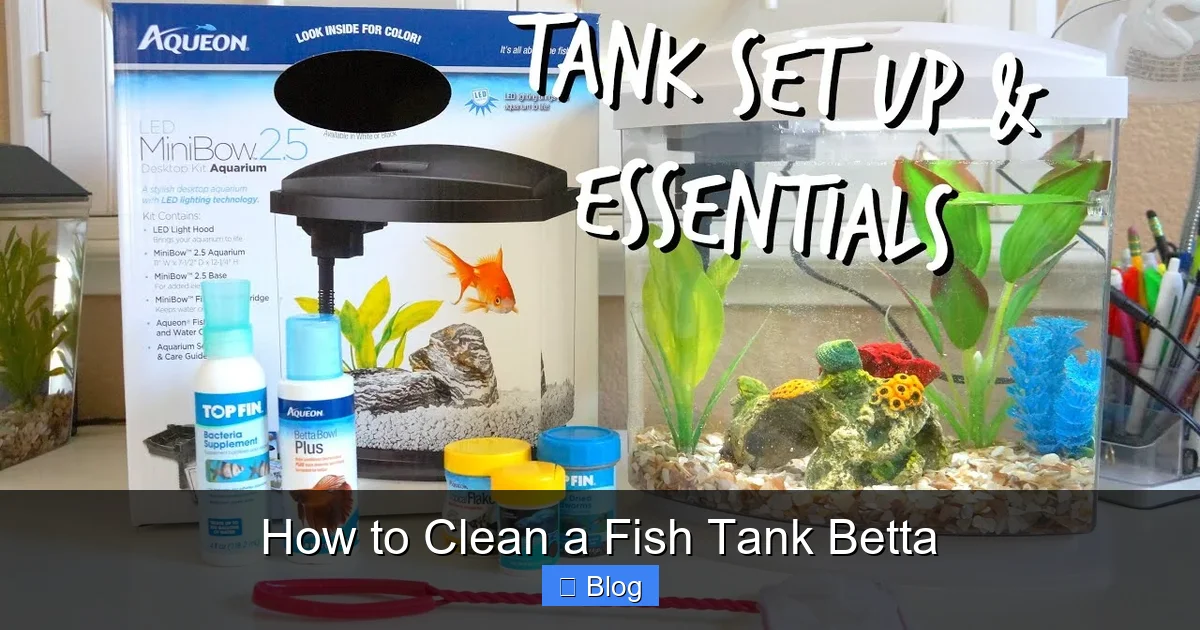
Having everything ready before you start is key to a smooth, fast process that minimizes the time your betta is disturbed. Scrambling for supplies mid-clean prolongs the process and increases stress.
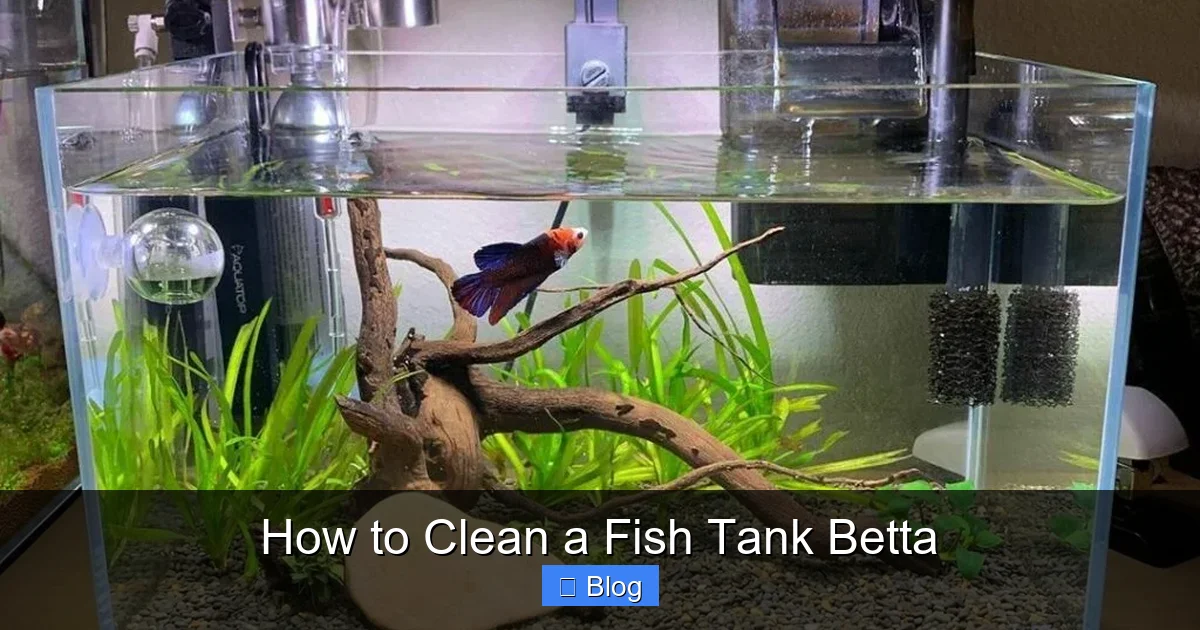
Visual guide about How to Clean a Fish Tank Betta
Image source: i.ytimg.com
- Two Clean Buckets or Containers: Designate one exclusively for aquarium use. Never use a bucket that has held chemicals or cleaning agents. One will hold old tank water for your fish and filter media, the other for fresh, conditioned water.
- Aquarium Gravel Vacuum/Siphon: A simple plastic siphon with a wide, angled end is perfect. For a betta tank (often 5-10 gallons), a hand-pump style is easiest.
- Water Conditioner: This is your #1 chemical defense. Choose a reputable brand that detoxifies chlorine, chloramines, and heavy metals. Seachem Prime is a popular, concentrated option.
- Algae Scraper or Mag-Float: For glass or acrylic tanks. Use the plastic blade side for stubborn algae. For acrylic, ensure the scraper is labeled safe to avoid scratches.
- Soft, Clean Cloths or Paper Towels: For wiping the outside glass and any spills. Keep these separate from your household cleaning rags.
- Thermometer: To精确 match water temperatures.
- Optional: A Small Fish Net (for temporary holding if needed), a dedicated toothbrush for scrubbing decorations, and a bucket with an air stone if you need to hold the fish for an extended period.
The Step-by-Step Cleaning Process: A Stress-Minimized Approach
This routine should be performed weekly or bi-weekly, depending on tank size, filtration, and feeding. A 5-gallon tank with a filter typically needs a 25-30% water change weekly. A 2.5-gallon unfiltered bowl requires a 50% change twice a week. Consistency is more important than volume.
Visual guide about How to Clean a Fish Tank Betta
Image source: acaquarium.com
Step 1: Preparation and Fish Safety First
Start by unplugging any heaters, filters, and air pumps. This is a safety precaution for you and prevents equipment damage. If your heater is fully submerged and will be exposed to air during the clean, unplug it to avoid cracking. Do not remove your betta from the tank unless absolutely necessary (e.g., a massive spill or tank break). The stress of netting and relocation is significant. Instead, we will work around him.
Step 2: The Partial Water Change – The Heart of the Clean
This is the most important step. Place the end of your gravel vacuum into the substrate. You want to dislodge and siphon out debris (fish waste, uneaten food) that has settled. For a betta tank with fine sand or smooth gravel, gently stir the vacuum tip just above the substrate in a slow, deliberate pattern. You are not digging a trench; you are skimming the surface layer of waste. For a larger gravel, you can insert the tip slightly deeper. Siphon out 25-40% of the tank’s total water volume into your designated “old water” bucket. This old water is gold—it contains beneficial bacteria and will be used for your fish and filter media.
Practical Tip: If your betta is curious and investigates the siphon, you can gently guide him away with a clean finger or the rim of the vacuum. Do not chase him. If he persists, you may need to carefully net him into the “old water” bucket (with a lid or air stone) for the few minutes you are actively vacuuming near his favorite spot.
Step 3: Decor and Glass Cleaning
With the water level lowered, you have better access. Take your algae scraper and gently clean the inside glass, working from the top down to avoid spreading loose debris. Use the plastic blade for tough green spot algae. For decorations (ceramic castles, silk plants, resin logs), use your dedicated toothbrush and only the old tank water from your bucket to scrub off any slime or algae. Rinse thoroughly in the old water. Never use tap water on decorations, as it will kill any beneficial bacteria that have colonized their surfaces. If you have live plants, you can gently rinse their leaves in the old water as well.
Step 4: Filter Maintenance – The Gentle Touch
This is where many beginners fail. Your filter media (the sponge, cartridge, or ceramic rings) is the home of your precious nitrifying bacteria. Turn off the filter. Disassemble it according to the manufacturer’s instructions. Take the media out and squeeze and rinse it gently in the bucket of old tank water. You want to remove the gunk that is blocking water flow, but you do not need to make it pristine. A slightly cloudy sponge is fine; it still has bacteria. Never, under any circumstances, run filter media under the tap. The chlorine will sterilize it. Rinse any filter housing or impeller well in old water. Reassemble and set the filter aside for now.
Step 5: The New Water – Temperature and Dechlorination
Fill your second clean bucket with fresh tap water. Check its temperature with your thermometer. It must match your tank’s temperature within 1-2°F (0.5-1°C). If it’s too cold, add a little warm (not hot!) tap water. If too warm, let it sit or add a little cold. Once matched, add the correct dose of water conditioner. Stir well. For a betta, temperature stability is paramount. A 78-80°F (25.5-26.5°C) range is ideal.
Step 6: Refilling and Restarting
Slowly pour the new conditioned water back into the tank. To avoid disturbing the substrate and stressing your betta, pour the water over a clean plate, a colander, or the side of the tank glass so it cascades gently. Fill to the original level. Once full, wipe down the outside of the tank with a dry, clean cloth. Now, re-submerge your heater (if you unplugged it) and plug all equipment back in. Check that the filter is flowing properly and the heater is on. Place any decorations back where they were, if you removed them.
Step 7: The Final Check and Fish Observation
Do a quick visual check for any spills. Then, observe your betta for 15-30 minutes. He might be a bit tentative at first, exploring the refreshed water. This is normal. Look for signs of distress: frantic darting, gasping at the surface (could indicate oxygen issue or ammonia spike from the disturbance), or lying on the bottom. A healthy betta will begin to flare at his reflection or explore. If he seems severely stressed, double-check your water temperature match and ensure no conditioner was missed. Over the next 24 hours, keep an extra eye on him.
Troubleshooting: Common Mistakes and How to Avoid Them
Even with the best intentions, things can go wrong. Here’s how to navigate the most common pitfalls of cleaning a betta tank.
Visual guide about How to Clean a Fish Tank Betta
Image source: fishlab.com
The Algae Blitz: Managing Growth Without Harsh Chemicals
Green spot algae (on glass) and hair algae (on decorations) are common. Prevention is key: don’t overfeed (a betta’s stomach is the size of his eye!), ensure the tank isn’t in direct sunlight, and maintain consistent water changes. For removal, the manual scrape and brush method described above is safest. Never use algae-killing chemicals in a betta tank; the dosage is too risky for a single-species system. If you have persistent algae, consider adding a live plant or two (like an Anubias or Java Fern) to out-compete it for nutrients.
My Betta Jumped! Emergency Protocol
Bettas are notorious jumpers, especially during a clean when the water level is low or they are startled. If your betta is on the floor, act fast but calmly. Do not pour him back in. Gently scoop him up with a soft net and place him in a small, clean container with some of the old tank water. Let him recover for 10-15 minutes, then acclimate him back to the main tank by floating the container in the tank for 15 minutes to equalize temperature, before slowly adding tank water to the container and finally netting him back home. Check for any injuries and monitor closely.
Cloudy Water After Cleaning: Is It a Crash?
A slight cloudiness for a few hours after a water change is often just stirred-up fine particles from the substrate and is normal. It should clear as the filter cycles. If the water remains cloudy for more than a day, it could be a bacterial bloom, indicating an imbalance. Ensure you didn’t over-clean the filter. Do not perform another water change immediately. Let the tank settle and monitor ammonia/nitrite levels with a test kit if you have one. Reduce feeding for a day or two.
Establishing a Maintenance Schedule: Tailored to Your Setup
There is no one-size-fits-all rule. Your cleaning schedule depends on your tank’s ecosystem.
- Filtered 5-Gallon Tank (Ideal): 25-30% water change weekly. Quick gravel vacuum. Rinse filter media in old water every 4-6 weeks or when flow visibly decreases.
- Filtered 2.5-3 Gallon Tank (Minimum Recommended): 30-40% water change weekly. Gravel vacuum every other week. Rinse filter media every 3-4 weeks.
- Unfiltered “Walstad” Style or Bowl: This is the most challenging setup for a betta. Requires 50% water changes twice a week. Aggressive gravel vacuuming each time to remove solid waste. No filter media to rinse. Requires immense diligence to prevent toxic spikes.
Consistency is your greatest tool. Mark your calendar. A reliable weekly routine is far better than irregular, large-volume changes. Test your water parameters (ammonia, nitrite, nitrate, pH) monthly with a liquid test kit to confirm your routine is working. Nitrate should ideally be kept below 20 ppm for a betta.
Beyond the Clean: Creating a Truly Healthy Betta Home
A clean tank is a foundation, but true betta welfare includes more.
Enrichment is Essential
Bettas are intelligent and curious. A bare tank is a stressor. Provide silk or live plants (broad leaves for resting at the surface), smooth ceramic or resin caves, and floating logs or betta hammocks. These provide security, reduce stress, and mimic their natural habitat. Avoid rough decorations that can tear delicate fins.
Diet and Its Impact on Water Quality
Overfeeding is the #1 cause of dirty tanks. Feed a high-quality pellet or frozen food (like brine shrimp or daphnia) once or twice a day, only what he can consume in 2-3 minutes. Remove any uneaten food immediately with a net. This simple act drastically reduces the bioload and the need for frequent cleaning.
Recognizing a Truly Clean Tank
What are you aiming for? Clear, odorless water. A betta with fully extended, vibrant fins. Active, curious behavior. A tank where you can see the gravel clearly and algae growth is minimal and slow. This state is achieved not by harsh chemicals, but by consistent, gentle, informed maintenance that respects the delicate balance you’ve worked to establish.
Conclusion: A Partnership in Care
Cleaning your betta’s tank is more than a maintenance task; it’s a direct act of care and an expression of your commitment to your pet’s wellbeing. By following this gentle, methodical approach—prioritizing partial water changes, preserving beneficial bacteria, matching temperatures, and avoiding toxins—you create a stable, healthy sanctuary. Your betta, with his brilliant colors and lively personality, will reward you with years of fascinating companionship. Remember, in the world of betta care, slow and steady, consistent and gentle, always wins the race. You’ve got this. Your fish is counting on you.
Frequently Asked Questions
How often should I completely clean my betta’s tank?
You should never perform a complete, full-strip clean of an established betta tank. Instead, aim for a partial water change (25-40%) weekly or bi-weekly. A full clean, where all gravel and decorations are removed and scrubbed, should only happen in an emergency (like a contaminant spill) and requires reseeding the tank with beneficial bacteria.
Can I use tap water directly for my betta’s tank?
Absolutely not. Tap water contains chlorine, chloramines, and sometimes heavy metals that are instantly fatal to fish. You must treat all new water with a complete water conditioner that neutralizes these chemicals before adding it to the tank. Let the conditioned water sit for a few minutes to ensure full treatment.
My betta hides during and after cleaning. Is this normal?
Yes, it is very common. The disturbance to his environment, even when done gently, is stressful. He may hide for a few hours or until the next day. As long as he resumes normal eating and activity within 24 hours and shows no signs of illness (clamped fins, rapid gill movement, loss of color), it’s just his way of adjusting. Ensure the water parameters are stable to help him recover quickly.
Should I clean the filter at the same time as the water change?
Not usually. Cleaning the filter media (rinsing it in old tank water) and doing a large water change on the same day can shock the system by removing too much beneficial bacteria at once. A good rule is to rinse filter media every 4-6 weeks, and schedule it for a week when you are doing a slightly smaller water change, or the week after a water change.
What temperature should the new water be when I add it?
The new water must be within 1-2 degrees Fahrenheit (0.5-1°C) of your existing tank water temperature. A sudden temperature change is a severe shock to a betta’s system. Always use a thermometer to check both the tank and the new water in the bucket before refilling. For a 78°F tank, your new water should be between 76°F and 80°F.
Is it okay to use a sponge from my kitchen to clean the tank?
No. Kitchen sponges can harbor soap residue, food particles, and bacteria from their previous use. Even a tiny trace of dish soap is lethal to fish. Always use a dedicated, brand-new algae pad or scrubber for the inside of the tank, and a separate dedicated toothbrush for decorations. These items should never be used for any other purpose.