How to Clean a Betta Fish Bowl Without Filter
Cleaning a betta fish bowl without a filter requires a careful, partial-water change approach to protect your fish. Unlike filtered tanks, betta bowls rely entirely on you to maintain water quality by replacing 25-50% of the water weekly with properly conditioned water. The process involves gently removing your betta, cleaning the decor and glass with tank water (never soap), and refilling slowly to avoid stress. Following this consistent routine prevents toxic ammonia and nitrite buildup, ensuring a long, healthy life for your vibrant companion.
Key Takeaways
- Never use soap or chemicals: Even a tiny residue of household cleaner is fatal to bettas. Use only water from the bowl and a designated algae pad or soft cloth.
- Partial changes are mandatory: Complete water changes shock the fish. Replace only 25-50% of the old water weekly to maintain beneficial bacteria and stable parameters.
- Condition all new water: Tap water contains chlorine and heavy metals. Always use a reliable water conditioner/dechlorinator before adding it to the bowl.
- Match temperature and pH: New water must be within 1-2°F (0.5-1°C) of the old water and have a similar pH to prevent dangerous osmotic shock.
- Clean surfaces with old water: Use the water you’ve siphoned out to scrub algae from the glass and decor. This preserves the slime coat and beneficial bio-film.
- Test your water regularly: Use an aquarium test kit to monitor ammonia, nitrite, and nitrate levels. This is the only way to know if your cleaning schedule is sufficient.
- The betta goes last: Always acclimate your fish in a separate container *after* the bowl is fully prepared and ready to receive it.
📑 Table of Contents
- Why Cleaning a Betta Bowl Without a Filter is So Critical (and Different)
- Gathering Your Supplies: The Non-Negotiable Toolkit
- The Step-by-Step Cleaning Process: A Gentle, Fish-First Method
- Establishing a Sustainable Cleaning Schedule: The Rhythm of Care
- Common Mistakes & How to Avoid Them: The Pitfalls of Unfiltered Care
- Beyond the Basics: Optimizing Health in a Filterless World
- Conclusion: The Rewarding Discipline of Bowl Care
Why Cleaning a Betta Bowl Without a Filter is So Critical (and Different)
You brought home that stunning Betta splendens, with its flowing fins and bold personality, and placed it in a beautiful, unfiltered bowl. Maybe it was a classic glass vase, a decorative ceramic pot, or a modern geometric vessel. It looks serene and simple. But here’s the crucial truth many new betta owners miss: a filterless betta bowl is not a low-maintenance setup—it’s a high-attention, delicate ecosystem entirely dependent on you.
In a filtered aquarium, mechanical and biological filtration constantly process fish waste, uneaten food, and decaying plant matter, breaking down toxic ammonia into less harmful nitrates. The filter media houses colonies of beneficial bacteria that are the unsung heroes of the nitrogen cycle. Without this mechanical assistance, every piece of waste your betta produces stays in the water, slowly decomposing and releasing ammonia. Ammonia is a silent, invisible killer. Even at low levels (0.25 ppm), it burns your betta’s gills, damages its slime coat, and suppresses its immune system, leading to disease and a shortened lifespan.
Therefore, cleaning a betta bowl without a filter isn’t about occasional deep cleans. It’s about consistent, precise water management to manually remove those toxins before they accumulate to dangerous levels. Your goal is to mimic the constant, gentle purification a filter would provide, but through your disciplined weekly actions. This guide will walk you through exactly how to do that safely and effectively, ensuring your betta thrives in its bowl for three, four, or even five years.
Gathering Your Supplies: The Non-Negotiable Toolkit
Before you even think about touching the bowl, you need the right tools on hand. Doing this improperly with the wrong items is the fastest way to harm or kill your fish. Let’s build your betta bowl cleaning kit.
Visual guide about How to Clean a Betta Fish Bowl Without Filter
Image source: petshun.com
The Absolute Essentials
- A dedicated aquarium siphon (gravel vacuum): This is your most important tool. It’s a flexible tube with a wide, open end that you can squeeze to start a siphon, allowing you to suck up debris from the substrate while water flows out. Get a small, mini version designed for bowls or small tanks. Never use a household turkey baster or syringe—they are inefficient and can stress the fish if used improperly.
- Water conditioner/dechlorinator: This is non-negotiable. Brands like Seachem Prime, API Stress Coat+, or Tetra AquaSafe are industry standards. They instantly neutralize chlorine, chloramines, and heavy metals in tap water. You must treat every single drop of new water before it touches your betta.
- Two clean, dedicated buckets or containers: One is for the old, dirty water you remove (never use this for anything else). The other is for the clean, conditioned new water. Plastic or glass is fine; just ensure they have never held soap, chemicals, or food.
- An algae scraper or pad: Use a magnetic algae cleaner for glass bowls or a non-scratch pad (like those for non-stick pans) for acrylic. Absolutely do not use the green, yellow, or blue scouring pads from your kitchen—they contain soap and abrasives.
- A soft, lint-free cloth or paper towels: For wiping the outside of the bowl and any stubborn spots on the inside. Again, these must be dedicated to aquarium use only.
- A separate, clean holding container: This is for your betta during the clean. A small, clear plastic food container with a lid (like from a takeout salad) or a dedicated specimen container works perfectly. It should be large enough for your betta to swim in comfortably for 15-30 minutes.
Optional but Highly Recommended
- An aquarium water test kit: The liquid test kits (like API Freshwater Master Test Kit) are more accurate than test strips. Testing for ammonia, nitrite, nitrate, and pH before and after a water change gives you scientific feedback on your maintenance routine.
- A thermometer: A small, stick-on floating thermometer or a digital one ensures your new water temperature matches the old water within 1-2°F (0.5-1°C).
- A small net: For gently transferring your betta. A soft, fine-mesh net is best to avoid fin damage.
Now, with your arsenal ready, let’s get into the step-by-step process.
The Step-by-Step Cleaning Process: A Gentle, Fish-First Method
The golden rule here is minimize stress and maximize toxin removal. Your betta’s well-being depends on a calm, predictable routine. Here is the definitive protocol.
Visual guide about How to Clean a Betta Fish Bowl Without Filter
Image source: i.pinimg.com
Step 1: Preparation – The “Mise en Place” of Fish Care
Before you disturb a single drop of water, get everything ready.
- Condition the new water: Fill your clean “new water” bucket with tap water. Add the correct dose of water conditioner according to the product label (e.g., 1 drop per gallon for Prime). Stir gently. Let it sit for 5-10 minutes to fully neutralize contaminants. If your tap water is very cold or warm, you may need to adjust its temperature here.
- Check temperature: Use your thermometer to check the temperature of the old water in the betta bowl. Adjust the new water (by adding a little warm or cold tap water, then re-conditioning) until it matches within 1-2°F. Bettas are tropical fish and prefer 76-82°F (24-28°C).
- Set up the holding container: Place your clean holding container next to the bowl. Add just enough of the old water from the bowl to cover your betta’s body. This is its “comfort” water. Do not add new water here yet.
- Have your siphon and tools ready: Place the siphon, algae pad, and cloth within easy reach.
Step 2: The Gentle Capture and Relocation
This is the most stressful part for your fish, so be slow and deliberate.
- Do not net your betta unless absolutely necessary. The best method is to use a small cup or container. Gently herd your betta into a corner of the bowl. Slide the cup underwater behind it and slowly lift it out, allowing the fish to swim in on its own. If you must use a net, do it in one smooth, confident motion.
- Transfer immediately: Place your betta, along with the cup of old water, into the prepared holding container. The water level should be just deep enough to cover its dorsal fin. Secure the lid if it’s a ventilated one, or leave it open in a quiet, draft-free spot away from direct sunlight or loud noises.
- Let it rest. Do not disturb your betta for at least 10-15 minutes. It is likely stressed and will be calmer if left alone.
Step 3: The Cleaning – Removing Toxins, Not Bacteria
Now the bowl is empty of its occupant. Your goal is to remove physical waste (uneaten food, feces, decaying matter) and surface algae, not to sterilize the bowl. Sterilizing kills the beneficial bacteria that help process waste in the substrate and on surfaces.
- Remove decorations: Take out all plants, rocks, and ornaments. Place them in a separate bowl with some of the old tank water.
- Start the siphon: Submerge the wide end of your siphon in the substrate (gravel, sand, or bare bottom). Squeeze the bulb or end to start the siphon flow. Gently move the siphon over the entire bottom surface, lifting and hovering it just above the substrate to suck up loose debris. For a bare-bottom bowl, simply hover it to pick up waste. Do not dig deep into gravel if you have it, as this can disturb any established beneficial bacteria bed. Focus on the visible gunk.
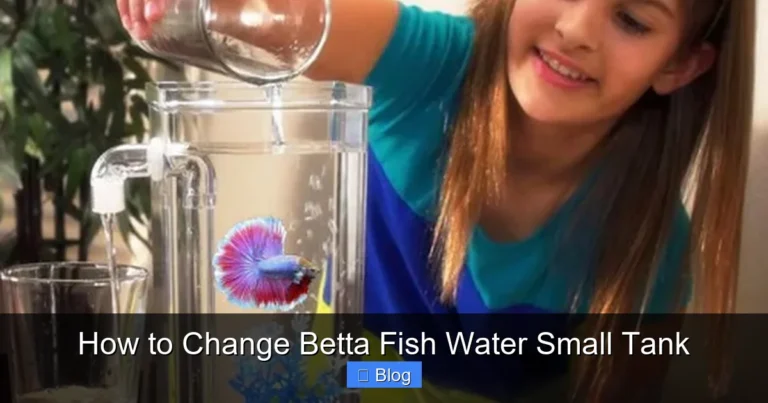
- Remove 25-50% of the water: Continue siphoning until you have removed the desired amount of water into your “dirty water” bucket. For a 1-gallon bowl, 25% is 2.5 cups (approx. 20 oz). For a 2.5-gallon bowl, 50% is 1.25 quarts. Never remove more than 50% at once in a filterless system, as it can cause drastic swings in water chemistry and temperature.
- Clean the decorations: Take the decorations from their bowl of old water. Gently scrub them with the algae pad or a soft toothbrush (dedicated only to this task) to remove algae and slime. Do not use soap. Rinse them briefly in the old tank water you siphoned out. Place them on a clean towel.
- Clean the glass: Using your algae pad or a cloth dampened with old tank water from the siphon bucket, scrub the inside of the bowl from top to bottom. Pay special attention to the water line, where algae loves to grow. For stubborn salt deposits (from evaporation), use a dedicated razor blade scraper at a 45-degree angle to avoid scratching.
- Wipe the outside: Use a separate cloth with clean water or a vinegar-water solution (1:1) to clean the outside of the bowl for clarity. Rinse with a water-dampened cloth.
- Dispose of dirty water: Pour the siphoned “dirty water” down the drain. Do not reuse it.
Step 4: Refilling and Reuniting
The most critical phase for preventing temperature and pH shock.
- Place decorations back: Arrange your clean decorations in the empty bowl.
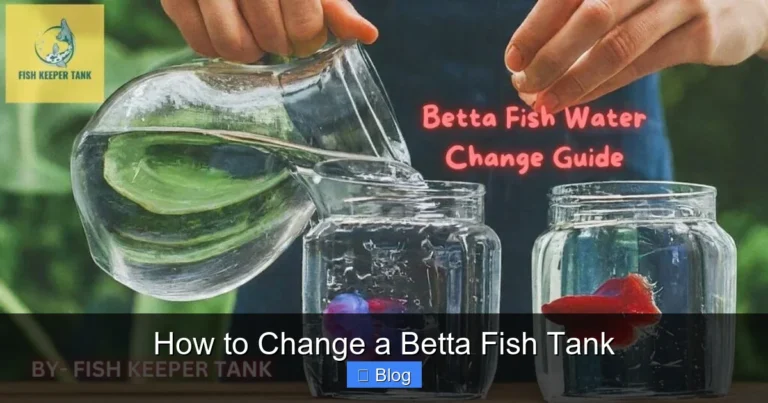
- Begin refilling slowly: Place a clean plate or saucer on the substrate. Pour the conditioned, temperature-matched new water over the plate to diffuse the flow and avoid disturbing the substrate and decorations. Fill the bowl to about 1 inch below the top rim (to allow for evaporation and prevent jumping).
- Check parameters (optional but ideal): If you have a test kit, test a sample of the new water and the remaining old water in the bowl. The pH should be within 0.2-0.4 points. The temperature we already matched.
- The final, gentle transfer: Now, it’s time for your betta. Using your cup or net, gently transfer it from the holding container into the freshly cleaned bowl. Do not pour the holding container water into the bowl. Pouring in the “comfort” water introduces any waste your betta expelled while stressed. Instead, net or cup the fish, leaving the old water behind, and place it directly into the new environment.
- Turn off the lights: For the next few hours, keep the room quiet and dim. Do not feed immediately. Wait at least 2-4 hours to let your betta adjust and recover from the stress before offering a tiny meal.
There you have it. A complete, safe, and thorough cleaning of a filterless betta bowl. The entire process should take 20-30 minutes once you’re practiced.
Establishing a Sustainable Cleaning Schedule: The Rhythm of Care
Consistency is the single most important factor in a filterless system. A strict schedule prevents the slow creep of toxic buildup. Here is a recommended timeline, but always let your water tests be your ultimate guide.
Visual guide about How to Clean a Betta Fish Bowl Without Filter
Image source: aquariumnexus.com
The Weekly Routine (The Absolute Minimum)
For a standard 1-2.5 gallon bowl housing a single betta, you must perform a 25-50% water change every 7 days, without fail. This is not a suggestion; it is a requirement. The small water volume means toxins concentrate incredibly quickly. Mark it on your calendar. Set a weekly alarm. Treat it like a bill you must pay.
- Day 1 (Water Change Day): Follow the full cleaning process detailed above. This is when you siphon the substrate, scrub the glass, and rinse decorations.
- Days 2-6: Daily observation and spot maintenance. Check the water clarity. Is it getting cloudy? That’s a sign of bacterial bloom from excess waste. Use your siphon without removing your betta to spot-clean any visible poop or uneaten food from the bottom. Top off evaporated water with conditioned water if the level drops significantly (match temperature!).
When to Adjust Your Schedule
Your bowl is a living system. Its needs change.
- Overfeeding: If you accidentally overfeed, you must do an immediate 25% water change to remove the decaying food before it rots and fouls the water.
- Sick Betta: A betta with fin rot or velvet is producing extra waste and slime. Increase to 50% water changes every 3-4 days during treatment, using pristine, conditioned water.
- Water Test Alerts: If your ammonia or nitrite test shows any color change (0.25 ppm or higher), you must do an immediate 50% water change and re-test 12 hours later. Continue large changes until tests read 0 ppm.
- Larger Bowls: If you have a 5-gallon or larger unfiltered “bowl” (more like a small tank), you may be able to stretch to a 25% change every 10-14 days, but test your water first to confirm.
The mantra for a filterless betta is: When in doubt, do a water change. It is the single most effective thing you can do for your fish’s health.
Common Mistakes & How to Avoid Them: The Pitfalls of Unfiltered Care
Even with the best intentions, well-meaning owners make critical errors. Let’s debunk the myths and correct the dangerous habits.
Mistake 1: The Full 100% Water Change
Why it’s bad: This is the #1 killer of bettas in unfiltered setups. A 100% change completely removes all trace of the betta’s scent and the stable water chemistry it’s adapted to. The sudden shift in pH, temperature, and mineral content causes severe osmotic shock, damaging its cells and slime coat. It also removes any beneficial bacteria living on surfaces, resetting the nitrogen cycle to zero, leaving the fish vulnerable to the next waste product it produces.
The Fix: Stick to 25-50% changes. The remaining 50-75% of old water acts as a buffer, carrying over beneficial bacteria and maintaining stable parameters.
Mistake 2: Using Tap Water Directly or “Aging” It
Why it’s bad: Tap water contains chlorine and chloramines to kill bacteria—for humans. For bettas, it’s poison. “Aging” water (letting it sit for 24 hours) only removes chlorine, not chloramines, which are more stable and persist for days. It also doesn’t neutralize heavy metals.
The Fix: Always, always use a water conditioner. It works instantly and is safe. There is no scenario where untreated tap water is acceptable.
Mistake 3: Cleaning Everything with Soap or Harsh Scrubbers
Why it’s bad: Soap residue is lethal, even in microscopic amounts. It destroys the delicate cells of the gills and skin. Abrasive scrubbers scratch glass and acrylic, creating microscopic grooves where algae and bacteria will grow faster.
The Fix: Use only dedicated, soap-free algae pads or a soft cloth with old tank water. For decorations, a dedicated soft toothbrush in old tank water is perfect.
Mistake 4: Ignoring the Nitrogen Cycle Misconception
Why it’s bad: Many believe a betta bowl doesn’t need to cycle because it’s just one fish. This is false. The nitrogen cycle is a biological process that happens in any aquatic environment with organic waste. Without a filter, the cycle happens slowly on the glass, substrate, and decor surfaces. A “cycled” bowl has enough beneficial bacteria to process the betta’s daily ammonia output. An uncycled bowl has none, leading to rapid ammonia poisoning.
The Fix: Understand that you are building and maintaining this bacteria colony yourself through consistent partial water changes and surface cleaning (with old water). It takes 4-6 weeks of diligent care for a stable colony to establish in a new bowl. During this time, test water daily and be prepared for more frequent changes.
Mistake 5: Overfeeding and Under-Cleaning
Why it’s bad: A betta’s stomach is the size of its eye. Overfeeding leads to constipation, bloating, and excess waste. That uneaten food immediately begins decomposing, spiking ammonia. If you then skip a water change, you have a toxic soup.
The Fix: Feed no more than 2-3 high-quality pellets once per day, or a small portion of frozen or live food. Remove any uneaten food after 2-3 minutes with a siphon or turkey baster. Never let it sit in the bowl.
Beyond the Basics: Optimizing Health in a Filterless World
Cleaning is your foundation, but a truly thriving betta needs more. Think of these as force multipliers for your maintenance routine.
Live Plants: Nature’s Mini-Filters
Even in a bowl, a few live plants are a game-changer. Fast-growing, easy plants like Anubias nana, Java fern, Marimo moss balls, or Java moss absorb ammonia, nitrates, and phosphates directly from the water as nutrients. They also provide hiding places and reduce stress. Anchor them to a rock or driftwood with fishing line or glue. They require minimal light (a few hours from a nearby window or a low-wattage LED) and no substrate. Their presence means you’re fighting waste on two fronts: your siphoning and their natural uptake.
The Importance of a Lid and Stable Temperature
Bettas are labyrinth fish; they gulp air from the surface. A lid (with air holes) is crucial to maintain humidity and temperature. Uncovered bowls experience rapid evaporation and temperature swings, especially in homes with AC or heating. A stable temperature between 78-80°F (25.5-26.5°C) keeps your betta’s metabolism steady and its immune system strong. Use an aquarium heater (with a guard) for bowls 2 gallons or larger, or keep the bowl in a consistently warm room (away from windows and vents). A secure lid also prevents catastrophic jumps.
Water Testing: Your Early Warning System
You cannot see ammonia, nitrite, or nitrate. You must test for them. A weekly test kit check, done before your water change, tells you if your schedule is working.
- Ammonia (NH3/NH4+): Should always be 0 ppm. Any detectable amount means you need more frequent or larger water changes.
- Nitrite (NO2-): Should always be 0 ppm. Its presence indicates your beneficial bacteria are overwhelmed.
- Nitrate (NO3-): Should be kept below 20 ppm in a betta bowl. It’s less toxic but still a stressor. Regular water changes keep this low.
- pH: Bettas prefer slightly acidic to neutral water (6.5-7.5). The key is stability—avoid swings of more than 0.2 in a day.
Keep a simple logbook. Write down the date, % change, and test results. You’ll quickly see patterns and know exactly what your specific setup needs.
Conclusion: The Rewarding Discipline of Bowl Care
Cleaning a betta fish bowl without a filter is not a burdensome chore; it is the sacred, daily ritual of stewardship that defines your relationship with your fish. It is the tangible expression of the care you promised when you brought that shimmering, curious creature home. By following this precise, gentle method—prioritizing partial changes, using only safe tools, matching water parameters, and committing to a relentless weekly schedule—you are not just maintaining a container of water. You are curating a stable, toxin-free sanctuary.
Remember, your betta cannot speak. Its vibrant colors, its active exploration, its graceful fin displays, and its eager response at feeding time are its voices. They say, “My water is clean. My world is safe.” A cloudy bowl, lethargy, torn fins, or constant hiding are its silent screams for help. Your diligence in this weekly process is the direct line to those happy, healthy signals. Embrace the rhythm. Master the siphoning. Become the expert your betta needs you to be. In return, you’ll be rewarded with the companionship of one of the most personality-rich, beautiful creatures in the freshwater world, for years to come.
Frequently Asked Questions
Can I use bottled spring water instead of tap water for my betta bowl?
You can, but it’s usually not recommended. Bottled water varies wildly in mineral content and pH, which can cause instability. Many brands also lack essential minerals bettas need. Tap water treated with a conditioner is more consistent and cost-effective. If you must use bottled water, choose a plain, non-distilled brand and still use a conditioner, then test parameters closely.
What’s the best time of day to clean my betta’s bowl?
The best time is during the day, when you are active and can monitor your betta afterward. Avoid cleaning right before you go to bed or leave the house. Many owners find cleaning in the late afternoon or early evening works well, allowing several hours of observation before the lights go out. The key is to do it consistently on the same day each week.
My betta jumped out during cleaning! What do I do?
Act fast but calmly. Gently pick up the fish with a wet hand or soft net and place it immediately back into the bowl. If it’s dried out, you can gently place it in a cup with some of the old bowl water and add a tiny drop of stress coat or conditioner to help its slime coat. Most bettas recover if returned to water quickly. To prevent jumps, always use a secure lid with air holes.
Is it okay to use a water conditioner that also says it “detoxifies ammonia”?
Yes, products like Seachem Prime are excellent for unfiltered betta bowls. They not only remove chlorine/chloramines but also bind to toxic ammonia, nitrite, and nitrate for 24-48 hours, rendering them harmless. This provides a crucial safety net between water changes. However, it is not a substitute for water changes—it only buys you time.
How can I tell if my water change was successful?
The best indicator is a water test. Test your water 12-24 hours after a change. Ammonia and nitrite should be 0 ppm, and nitrate should be significantly lower than before the change. Visually, the water should be clear, not cloudy. Behaviorally, your betta should be active, curious, and eating readily within a few hours after the change.
My betta bowl gets algae really fast. Is more cleaning the answer?
Fast algae growth is usually a sign of too much light and/or excess nutrients (from overfeeding or inadequate water changes). First, reduce the light: move the bowl away from direct sunlight and limit artificial light to 6-8 hours max. Second, ensure you are doing full substrate siphoning and not just surface water changes. Third, consider adding a live plant or two to compete with the algae for nutrients. More frequent water changes (e.g., 25% every 5 days) may also be needed.