How to Clean Betta Fish Tank with Filter
Cleaning a betta tank with a filter is about balance, not scrubbing everything away. The golden rule is to never clean all the filter media and decor at once, as this destroys the beneficial bacteria that keep the tank safe. You must perform regular partial water changes (25-30%) using properly conditioned water, while only gently rinsing the filter sponge or media in old tank water during a monthly deep clean. Always dechlorinate new water and avoid soap or chemicals. This routine maintains water quality, prevents harmful ammonia spikes, and keeps your betta healthy and vibrant.
Key Takeaways
- Partial Water Changes are Essential: Replace 25-30% of the tank water weekly with dechlorinated water to remove waste toxins and maintain stable water parameters.
- Never Wash Filter Media in Tap Water: Chlorine in tap water kills the beneficial bacteria living in your filter. Always rinse filter sponges/cartridges in old tank water you’ve removed during a water change.
- Clean Components Separately: Never clean the gravel, filter, and decor all in the same session. Stagger your deep cleaning to preserve at least half of the beneficial bacteria colony at all times.
- Conditioner is Non-Negotiable: All new water added to the tank must be treated with a reliable water conditioner to neutralize chlorine, chloramines, and heavy metals.
- Match Your Filter to Your Betta: Choose a gentle filter with adjustable flow (like a sponge filter) to prevent stressing your betta with strong currents that can damage its delicate fins.
- Observation is Part of Maintenance: Use cleaning time to closely observe your betta for signs of illness, stress (clamped fins, lethargy), or changes in its environment.
- Consistency Beats Intensity: A small, frequent water change routine is far safer and more effective than occasional, massive overhauls that crash the tank’s ecosystem.
📑 Table of Contents
- Why Cleaning a Filtered Betta Tank is Different (and Crucial)
- Step-by-Step: The Safe Weekly & Monthly Cleaning Routine
- Choosing & Caring for the Right Filter for Your Betta
- Common Cleaning Mistakes That Harm Your Betta
- Establishing a Long-Term Maintenance Calendar
- Conclusion: A Clean Tank is a Healthy, Happy Home
Why Cleaning a Filtered Betta Tank is Different (and Crucial)
So, you have a beautiful betta fish in a lovely planted tank with a filter. Great! But now you’re staring at the glass, wondering, “How do I clean this without hurting my fish?” Cleaning a betta tank with a filter isn’t like scrubbing a dirty window. It’s a delicate dance of maintaining a miniature, balanced ecosystem. Your filter isn’t just a mechanical water clearer; it’s the heart of a biological system teeming with “good” bacteria (nitrifying bacteria). These invisible heroes convert your betta’s toxic waste (ammonia) into less harmful substances. The biggest mistake new owners make is being too thorough, washing away this essential bacterial colony and causing a dangerous “cycle crash.”
Betta fish (Betta splendens) are notoriously sensitive to poor water quality. In the wild, they live in slow-moving, plant-choked waters. Your tank is their entire world. A filter helps, but it creates flow and houses the bacteria that process waste. Cleaning it wrong means ammonia and nitrite spikes, which can burn your betta’s gills, suppress its immune system, and lead to disease or death. The goal of cleaning is to remove physical debris and excess nutrients while preserving the bacterial film that makes the water safe. It’s less about making things sparkly and all about maintaining biological stability.
The Nitrogen Cycle: Your Tank’s Invisible Safety Net
Before we dive into the how-to, let’s briefly understand the nitrogen cycle. This is the process your filter media facilitates:
- Ammonia (NH3/NH4+): From fish waste, uneaten food, and decaying plants. Highly toxic.
- Nitrite (NO2-): Bacteria (Nitrosomonas) convert ammonia to nitrite. Also highly toxic.
- Nitrate (NO3-): A second type of bacteria (Nitrospira) converts nitrite to nitrate. Much less toxic, but still needs to be managed via water changes.
Your filter sponge, ceramic rings, or bio-balls provide massive surface area for these bacteria to colonize. When you clean, you’re not just removing gunk; you’re handling this living biofilter. Disturb it too much, and you remove the bacteria, allowing ammonia to build up unchecked.
Step-by-Step: The Safe Weekly & Monthly Cleaning Routine
Cleaning is split into two types: weekly maintenance (quick, minimal disturbance) and monthly deep cleaning (more thorough, but still cautious). Never combine the full scope of both. Let’s start with the weekly must-do.
1. The Weekly 25-30% Water Change (Your Most Important Task)
This is the single most effective thing you can do for water quality. It dilutes nitrates and other dissolved organics without disrupting the bacterial colony living in your filter and on surfaces.
- Gather Your Tools: A dedicated bucket (5 gallons/19L for a 5-10 gallon betta tank), a gravel vacuum/siphon, water conditioner, and a thermometer. Have everything ready before you start.
- Prepare New Water: Fill your clean bucket with tap water. Add the correct dose of water conditioner (like Seachem Prime, API Stress Coat) as per the label. Stir well. Let it sit for 15-30 minutes to reach room temperature. Never add cold tap water directly to the tank—temperature shock is a major stressor.
- Temperature Check: Use your thermometer to ensure the new water is within 1-2°F (0.5-1°C) of your tank’s current temperature. Betta are tropical fish, typically kept at 76-82°F (24-28°C).
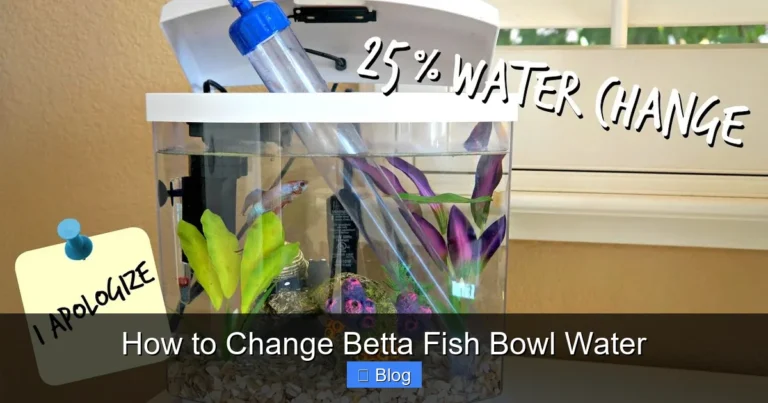
- Siphon & Vacuum: Gently insert the gravel vacuum into the substrate. Start the siphon (by sucking the tube briefly—be careful not to ingest water!) and move it slowly over the gravel, lifting debris and waste. Focus on areas with visible poop or uneaten food. Do not dig deeply into the substrate; just clean the top layer. Aim to remove 25-30% of the total water volume into a separate bucket or down the drain.
- Refill Slowly: Once the old water is removed, slowly pour the conditioned, temperature-matched new water back into the tank. Pour it against the glass or use a bowl to diffuse the flow and prevent disturbing the substrate too much. A gentle trickle is key.
Pro Tip: During this weekly change, you can also use an algae pad (the kind for acrylic tanks) to gently wipe the inside glass where algae has built up. Never use soap! For decor or silk plants, gently squeeze and rinse them in the old tank water you just removed.
2. The Monthly Filter Maintenance (The Gentle Rinse)
This is done less frequently than water changes because your filter’s bacteria need time to recover. For a typical hang-on-back (HOB) or internal filter with a sponge, do this during your monthly deep clean, after you’ve done your water change but before you refill.
- Unplug the Filter: Safety first. Turn off and unplug your filter before touching any parts.
- Remove Filter Media: Take out the sponge, cartridge, or bio-balls. Place them in a bowl with some of the old tank water you just siphoned out. Never use tap water.
- Gentle Squeeze & Swirl: For sponge media, gently squeeze and release it in the old tank water several times. You’ll see the dirty water cloud up. This is the debris and excess gunk being removed. Continue until the water runs relatively clear. For ceramic rings or plastic bio-balls, simply swirl them in the old water to dislodge large debris. Do not scrub, scrub, or use any soap or detergents. The goal is to unclog pores so water can flow through, not to sterilize it.
- Reassemble Carefully: Put the media back into the filter. If your filter has a mechanical pre-filter (like a foam pad on the intake), this can be rinsed a bit more thoroughly as it’s primarily for debris, not bacteria. Reinstall the filter, ensure it’s level, and plug it back in.
Important: If your filter uses replaceable carbon cartridges, these are primarily for chemical filtration (removing odors, medications, tannins) and do not house much bacteria. You can replace these monthly or as recommended, but always rinse your biological media (sponge/ceramic) separately as described.
Choosing & Caring for the Right Filter for Your Betta
Not all filters are created equal for bettas. Their long, flowing fins are easily damaged by strong currents, and they are labyrinth fish that need to gulp air from the surface. A filter that churns the surface too much can hinder this.
Sponge Filters: The Betta Gold Standard
An air-driven sponge filter is often the #1 recommendation for betta tanks. It provides excellent biological filtration (the sponge is pure bio-media), creates minimal surface agitation, and produces a gentle flow that can be adjusted with an air valve. It’s also cheap, easy to clean (just squeeze the sponge in old tank water), and safe for even the smallest tanks or fry. The only downside is it takes up space inside the tank and requires an air pump.
Adjustable Hang-On-Back (HOB) & Internal Filters
If you use a HOB or internal power filter, you must be able to adjust the flow rate to a very low setting. Look for models with a spray bar or directional output you can point toward the tank wall to diffuse flow. Use filter media that is primarily biological (sponges, ceramic rings) and avoid excessive mechanical floss that clogs quickly. When cleaning, always rinse the biological media in old tank water as described.
What to AVOID:
- Powerful Canister Filters: Overkill for most betta setups and create too much flow unless heavily modified.
- Filters with No Adjustable Flow: If the current is too strong, your betta will hide, clamp its fins, and become stressed. You can sometimes baffle the outflow with a sponge or craft baffle.
- Over-reliance on Carbon: While useful for specific issues, carbon’s adsorption capacity is short-lived (3-4 weeks). Don’t replace your primary bio-media with carbon cartridges.
Common Cleaning Mistakes That Harm Your Betta
Even with good intentions, it’s easy to make a critical error. Here are the pitfalls to avoid at all costs.
Mistake 1: The “Full Tank Scrub”
This is the cardinal sin. Unplugging everything, removing all the fish, scrubbing every surface with soap or even just tap water, replacing all the filter media, and doing a 100% water change. This obliterates your biological filter, leading to “new tank syndrome” where ammonia and nitrite poison your fish. The tank will cycle from zero, taking 4-6 weeks to become safe again. Your betta will likely not survive this process.
Mistake 2: Using Tap Water on Filter Media
As emphasized, tap water contains chlorine/chloramines to make it safe for humans—it’s deadly to the beneficial bacteria in your filter. Always, always use old tank water (from the water change) to rinse filter sponges and bio-media.
Mistake 3: Using Soaps, Detergents, or Antibiotics
Never, under any circumstances, use household cleaners, soap, or even “aquarium-safe” cleaners on anything that will go back into the tank (except for a dedicated quarantine tub). Residues are often fatal. Similarly, do not use antibiotics or medications preventatively. Only treat confirmed illnesses with targeted medication, and be aware that many medications will harm your filter bacteria, requiring extra precautions.
Mistake 4: Inconsistent Water Changes
Skipping weekly water changes because “the water looks clear” is a problem. Toxins like ammonia are colorless and odorless. Nitrates build up silently, suppressing the immune system over time. Stick to your schedule regardless of appearance.
Mistake 5: Ignoring the Betta During the Process
Cleaning day can be stressful for your fish. Be quick, calm, and gentle. Keep the tank lights off during the process to reduce stress. After cleaning, observe your betta closely for 30 minutes to ensure it’s breathing normally and not panicking. If it’s gasping at the surface excessively, double-check your water temperature and conditioner dosage.
Establishing a Long-Term Maintenance Calendar
Consistency is the key to a low-stress, healthy tank. Here’s a simple, fail-safe schedule for a standard 5-10 gallon filtered betta tank.
Weekly (Every 7 Days)
- Test water parameters ( Ammonia, Nitrite, Nitrate, pH) with a liquid test kit. This is non-negotiable for monitoring cycle health.
- Perform a 25-30% water change with conditioned, temperature-matched water.
- Gently wipe algae from the glass with an algae pad.
- Remove any uneaten food from the substrate with a siphon or turkey baster.
- Check filter flow rate. If it seems weaker, the media may need a rinse (but check your monthly schedule first).
Monthly (Every 4 Weeks)
- Perform your weekly water change first.
- Unplug filter. Rinse biological filter media (sponge, ceramic rings) gently in old tank water from that week’s change. Squeeze sponges until water runs clearer.
- Inspect and clean the filter impeller and housing if there is visible debris (use a soft brush and old tank water).
- Wipe down the outside of the glass and the lid/hood.
- Prune any live plants, remove dead leaves.
- Deep clean decor in old tank water if visibly coated in algae/gunk. Stagger this—clean half your ornaments one month, the other half next month.
Quarterly/As Needed (Every 3 Months)
- Replace filter media if it is disintegrating (e.g., a sponge falling apart) or if it’s a carbon cartridge. Never replace all biological media at once. If you need to add new ceramic rings or a new sponge, place it alongside the old one for 4-6 weeks to allow bacteria to colonize the new media before removing the old.
- Deep clean the substrate more thoroughly in sections if compacted (use the vacuum to stir it up in one quadrant per month).
- Perform a more thorough decor cleaning.
Conclusion: A Clean Tank is a Healthy, Happy Home
Cleaning your betta fish tank with a filter is an act of stewardship. It’s not a chore, but a vital practice that directly translates to the health, color vibrancy, and longevity of your aquatic companion. By understanding the critical role of beneficial bacteria and committing to a gentle, consistent routine of partial water changes and mindful filter rinsing, you create a stable, thriving environment. You move from being a mere owner to a caretaker of a complex, beautiful microcosm. Remember the mantra: clean often, clean gently, and never start from zero. Your betta, swimming energetically through clear water with its fins flaring proudly, will be your most grateful and beautiful reward. Stick to the plan, observe your fish daily, and enjoy the serene beauty of a well-maintained, filtered betta tank.
Frequently Asked Questions
How often should I clean my betta fish tank with a filter?
You should perform a 25-30% partial water change weekly. The filter media itself only needs a gentle rinse in old tank water about once a month, or when you notice a significant reduction in water flow. Never clean everything at once.
Can I use tap water to clean my betta tank filter?
Absolutely not. Tap water contains chlorine or chloramines that will instantly kill the beneficial bacteria living in your filter media. Always rinse filter sponges, bio-rings, and cartridges in the old tank water you removed during your water change.
What kind of filter is best for a betta fish?
The best filters for bettas are gentle. A sponge filter is ideal as it provides excellent biological filtration with minimal current. If using a hang-on-back or internal filter, choose one with an adjustable flow setting so you can turn it down to a very gentle stream to avoid stressing your betta and damaging its fins.
My betta tank has a filter, do I still need to clean the gravel?
Yes. While the filter handles ammonia, leftover food, fish poop, and decaying plant matter settle in the gravel. You must siphon the top layer of gravel during your weekly water change to remove this solid waste, prevent it from decaying into ammonia, and keep nitrate levels under control.
Should I remove my betta from the tank when cleaning?
For routine weekly water changes and filter rinsing, you do not need to remove your betta. It’s less stressful for the fish to stay in a familiar environment. Only remove your betta if you are performing a major intervention that requires the tank to be completely empty, which should be extremely rare.
How do I know if I cleaned the filter too much and hurt the bacteria?
If you washed the filter media in tap water or replaced all of it at once, you likely crashed the cycle. Test your water daily for ammonia and nitrite. If you see a reading above 0ppm for either, you have a problem. Perform small, frequent water changes (15-20% daily) to dilute toxins while the bacteria colony regrows. Use a bacterial supplement to help reseed the filter.