How to Clean a Betta Fish
Cleaning a betta fish isn’t about bathing the fish itself, but meticulously maintaining its aquatic home. A clean tank prevents toxic ammonia and nitrite buildup, reduces stress, and mimics the betta’s natural, pristine shallow water habitats. This process involves regular partial water changes with dechlorinated water, gentle scrubbing of algae, careful filter media rinsing (never with tap water), and never using soap or chemicals. Consistent, proper tank maintenance is the single most important factor in ensuring your betta lives a long, colorful, and active life.
Key Takeaways
- You clean the tank, NOT the fish: Betta fish have a protective slime coat; never scrub or handle them unnecessarily. Cleaning focuses on the habitat—water, glass, decor, and filter.
- Water changes are non-negotiable: Perform 25-50% water changes weekly (or bi-weekly for larger tanks) using a gravel vacuum to remove solid waste from the substrate.
- Always dechlorinate: Tap water contains chlorine and chloramines that are lethal to bettas. Use a reliable water conditioner every single time you add new water.
- Filter media needs gentle care: Never rinse filter sponges, cartridges, or bio-balls in untreated tap water, as it kills beneficial bacteria. Swirl them gently in old tank water removed during a water change.
- Avoid all soaps and chemicals: Even a tiny residue of dish soap, hand sanitizer, or household cleaner is catastrophic for bettas. Use only designated aquarium tools and products.
- Observe your betta during cleanings: Watch for signs of stress (clamped fins, frantic swimming, hiding). If stressed, pause and let the water settle. Your betta’s behavior is your best feedback.
📑 Table of Contents
- Introduction: The Great Misconception
- Essential Tools: Your Betta Cleaning Kit
- The Weekly Ritual: The Partial Water Change
- Beyond the Basics: Deep Cleaning & Special Situations
- Common Catastrophic Mistakes (And How to Avoid Them)
- Creating a Maintenance Schedule That Sticks
- Conclusion: The Reward of a Sparkling Home
Introduction: The Great Misconception
Let’s clear the air right now, because this is the most common and dangerous mistake new betta owners make: you do not clean the betta fish. You do not give it a bath. You do not scrub its scales or fins. The phrase “how to clean a betta fish” is a misnomer that leads to well-intentioned but harmful practices. What we’re really talking about is how to clean a betta fish tank—how to maintain the pristine, stable aquatic environment that this magnificent, labyrinth-breathing fish requires to thrive.
Bettas (Betta splendens) are native to the shallow, slow-moving rice paddies, streams, and puddles of Southeast Asia. These waters are warm, often tea-colored from tannins, and surprisingly clean for their size due to the dense plant life and gentle water movement. They are not fish that live in mud or murky, dirty water. In captivity, their stunning colors and flowing fins are a direct result of excellent water quality. Poor water conditions are the #1 cause of betta illness, faded colors, lethargy, and a shortened lifespan. This guide will walk you through the precise, gentle, and effective methods to clean your betta’s world, ensuring your Siamese fighting fish remains the vibrant, curious centerpiece it’s meant to be.
Essential Tools: Your Betta Cleaning Kit
Before you even think about lifting a siphon, you need the right tools. Using improper equipment is a fast track to disaster. Think of this as your essential maintenance toolkit. Investing in these items once will save your fish from stress and potential harm repeatedly.
Visual guide about How to Clean a Betta Fish
Image source: iqss.eu
The Gravel Vacuum/Siphon: Your #1 Weapon
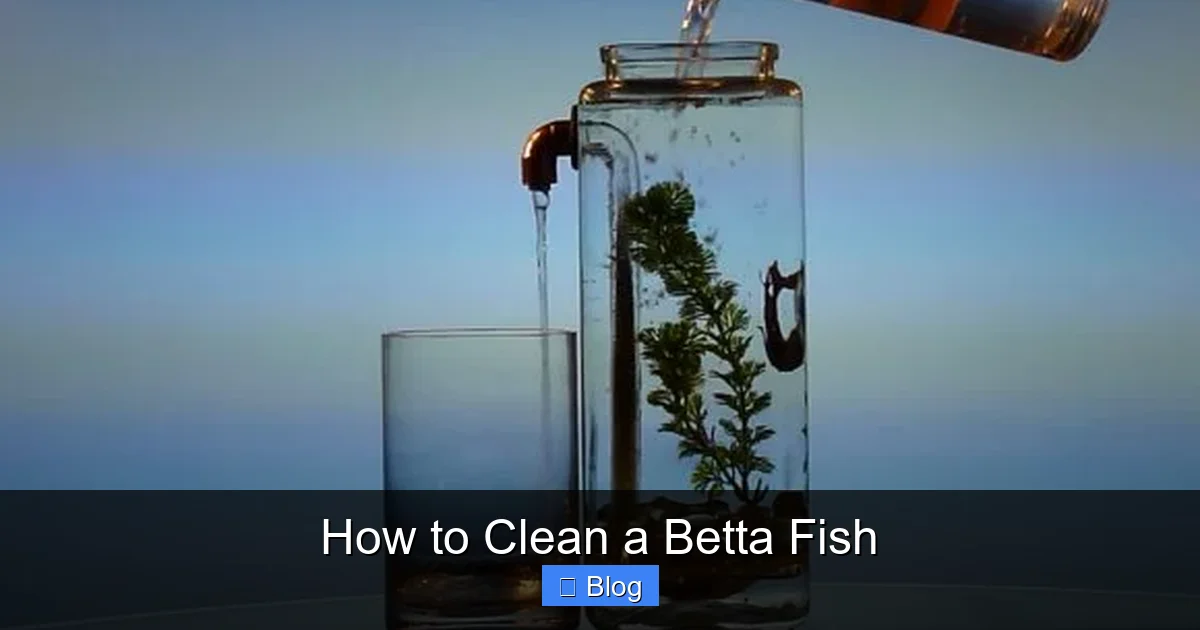
This is the cornerstone of tank cleaning. A gravel vacuum is a simple plastic tube with a wide mouth and a narrower siphon tube. Its purpose is twofold: to remove debris (uneaten food, fish waste, dead plant matter) from the substrate without disturbing the gravel too much, and to displace old tank water. Do not use a simple airline tubing siphon; the wide mouth of a dedicated gravel vacuum creates enough suction to lift debris out of the gravel’s pockets.
- How it works: You prime the siphon (by sucking on the narrow tube or using a pump bulb), then place the wide mouth into the gravel. As you move it through the substrate, waste is sucked up into the collection bucket, and clean water follows.
- Pro Tip: For fine sand substrates (which are not ideal for bettas but sometimes used), hold the vacuum mouth slightly above the sand to avoid sucking up the sand itself. For standard aquarium gravel, you can gently push the mouth into the gravel.
Water Conditioner/Dechlorinator: The Non-Negotiable
This is the most critical chemical in your aquarium. Tap water is treated with chlorine and/or chloramines to make it safe for human consumption. For a betta, it’s poison. It burns their gills, damages their slime coat, and kills the beneficial bacteria that process waste. Every single drop of new water added to the tank must be treated. Choose a reputable brand like Seachem Prime, API Stress Coat+, or Tetra AquaSafe. Prime is popular because it also detoxifies ammonia and nitrite for 24-48 hours, which is helpful during cleanings.
Bucket(s): Dedicated and Labeled
You need at least one, preferably two, buckets used only for aquarium purposes. Never use a bucket that has held cleaning chemicals, even if you think you rinsed it. Label them “AQUARIUM ONLY” with a permanent marker. A 5-gallon bucket is ideal for most betta tanks. One bucket will hold the dirty water you siphon out. The other can hold the fresh, conditioned water you’ll add back in.
Algae Scraper/Pad: For the Glass
Choose a scraper appropriate for your tank material. For glass tanks, a razor blade scraper (with a protective shield to avoid scratching the silicone) is incredibly effective for stubborn green spot algae. For acrylic tanks (less common for small betta setups), use only plastic scrapers to avoid scratching. A simple magnetic cleaner can also work well for the inside glass without you having to get your arm wet.
Soft Cloths or Paper Towels: For the Exterior
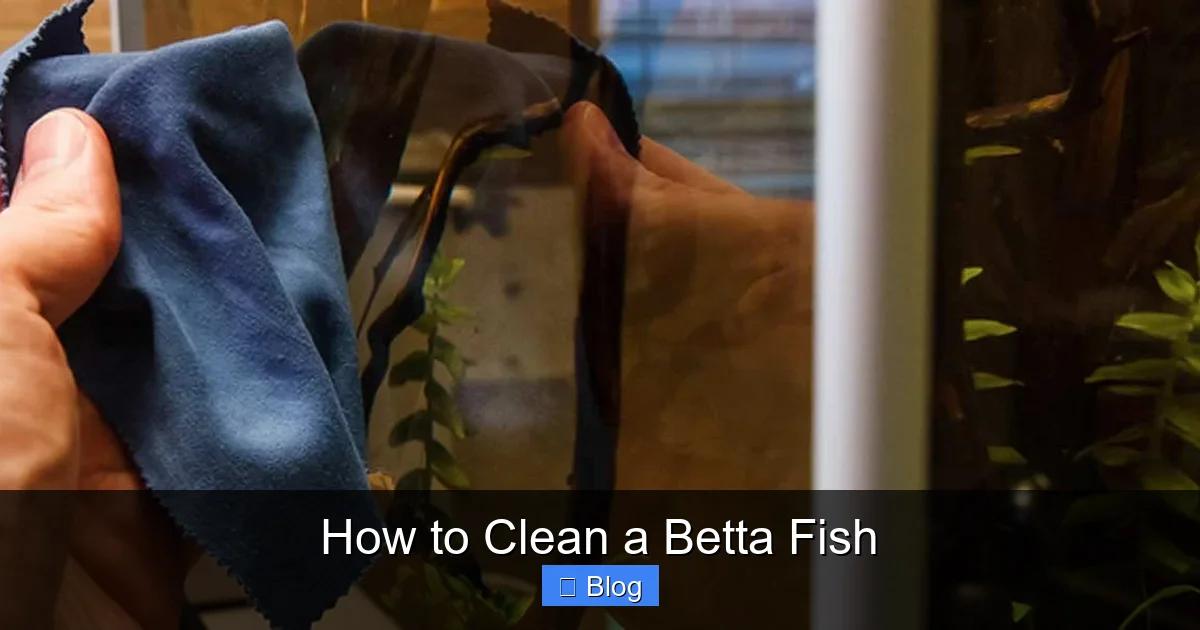
Have dedicated, clean microfiber cloths for wiping down the outside of the tank. Use only plain water or a vinegar-water solution (1:1) for hard water stains. Rinse thoroughly with a water-only cloth afterward. Never use window cleaners or paper towels with added lotions near the tank.
Optional but Helpful: Turkey Baster, Toothbrush, Tweezers
A turkey baster is perfect for sucking out stubborn debris from plant leaves or decor crevices without a full water change. A dedicated, never-used toothbrush can scrub decorations. Long tweezers are great for plucking dead leaves from live plants or moving delicate items.
The Weekly Ritual: The Partial Water Change
The partial water change (PWC) is the heart of betta tank maintenance. Its goal is to dilute the accumulating waste products (ammonia, nitrite, nitrate) and remove solid debris before it decomposes. A full, 100% water change is stressful and unnecessary for a properly cycled tank; it also resets your beneficial bacteria colonies. Here is the step-by-step process for a 25-50% water change.
Visual guide about How to Clean a Betta Fish
Image source: uploads-ssl.webflow.com
Step 1: Preparation is Peace
Before you touch anything, gather all your tools: gravel vacuum, bucket, water conditioner, thermometer. Fill your clean “fresh water” bucket with tap water to the volume you plan to replace (e.g., 2.5 gallons for a 5-gallon tank). Add the correct dosage of water conditioner to this fresh water bucket now. Let it sit. This accomplishes two things: 1) it ensures the water is safe for your betta, and 2) it allows the fresh water to come to room temperature. Pouring cold water into a tropical tank (78-80°F/25.5-26.5°C) is a massive shock. If your tap is very cold, you may need to use a small aquarium heater in the fresh water bucket to get it to temperature.
Step 2: The Gentle Siphon – Removing the Old
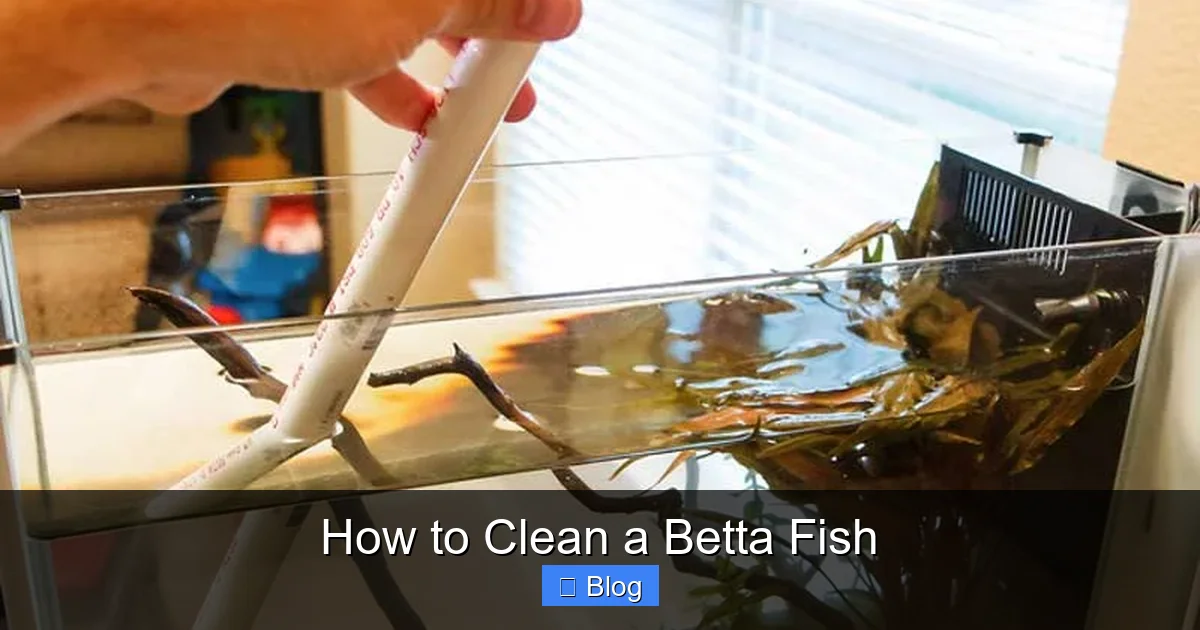
Place the gravel vacuum into the tank. If you have a filter, try to siphon away from the filter intake to avoid creating a cyclone that pulls in your betta. Start the siphon. Gently plunge the wide mouth into the gravel at one spot. You’ll see debris and cloudy water get sucked up. Move the vacuum slowly through the gravel, pausing in each spot for a few seconds. Focus on areas where waste accumulates: under the filter outflow, in corners, and near feeding spots. Do not aggressively stir up the entire gravel bed. Your goal is to remove the debris sitting on top and in the top layer, not to deep-clean the whole substrate in one go. Rotate your cleaning spots each week to cover the entire tank floor over time.
Siphon out the desired volume of water (e.g., 2.5 gallons) into your “dirty water” bucket. You’ll notice the water in the siphon tube gets clear once all the loose debris is gone. If you’re not getting much debris, your tank may be over-vacuumed or you need to adjust your feeding.
Step 3: Cleaning Decor & Glass (While the Water is Low)
With some water removed, it’s easier and safer to clean the tank’s interior. This is your chance to tackle algae.
- Glass: Use your algae scraper. Start from the bottom and work your way up to prevent debris from falling onto already cleaned areas. For tough algae, hold the razor blade at a 45-degree angle and use short, firm strokes.
- Decor (rocks, plastic plants, ornaments): Remove them from the tank. Use your dedicated toothbrush or algae pad to scrub them in the bucket of dirty tank water you just siphoned out. Do not use soap. The gritty texture of the dirty water is actually abrasive and perfect for removing algae and bio-film. Rinse them off with a blast from the gravel vacuum or a cup of the conditioned fresh water before returning them.
- Live Plants: Gently wipe broad leaves with your fingers or a soft cloth to remove algae. Use tweezers to pluck any dead or dying leaves at the stem. You can also gently swirl them in the bucket of old tank water.
Step 4: Filter Maintenance – The Delicate Balance
Your filter is home to the precious beneficial bacteria that run the nitrogen cycle. Never, ever replace all your filter media at once or rinse it under the tap.
- Sponge Filters/Power Filters with Foam: Gently wring out the sponge in the bucket of old tank water you removed earlier. Swirl it, squeeze it a few times. You want to remove the gunk, but you’ll see brownish water—that’s the bacteria. It’s okay. Do not wring it until it’s white and clean.
- Cartridge Filters: If it’s a mechanical filter (floss), gently rinse it in old tank water. If it’s a chemical filter (carbon), it’s typically replaced monthly, but do not replace it during a regular water change unless it’s due. Replace only half if needed.
- Bio-Balls/Ceramic Rings: Never wash these with anything but old tank water. A gentle swirl is enough. They should never be replaced unless they physically disintegrate.
Reassemble your filter with the rinsed media. If you have a hang-on-back (HOB) filter, you can also use a cup of the new conditioned water to rinse the impeller and intake tube if they are gunked up.
Step 5: The Grand Return – Adding New Water
Now, slowly and gently pour the bucket of conditioned, temperature-matched fresh water back into the tank. Do not dump it directly onto your betta. Pour it against the tank wall, or better yet, use a clean cup to drizzle it in slowly over several minutes. You can also pour it onto a decoration or the filter outflow to diffuse the flow. The goal is to avoid creating a sudden current or temperature shock. Once the tank is full, wipe down the exterior with your dedicated cloth.
Step 6: The Reset & Observation
Turn your filter and heater (if you unplugged it) back on. Place any removed decor back. Now, find a quiet spot and observe your betta for 10-15 minutes. Is it swimming normally? Are its fins relaxed? Is it eating if you offer food? Some mild curiosity is fine, but frantic darting, hiding, or rapid gill movement indicates stress from the process. If you see this, check your water temperature and flow. Next time, be even gentler.
Beyond the Basics: Deep Cleaning & Special Situations
Your weekly PWC handles 95% of maintenance. But what about algae blooms, bacterial blooms (cloudy water), or a tank that’s gotten genuinely grimy? These require special, less frequent interventions.
Visual guide about How to Clean a Betta Fish
Image source: uploads-ssl.webflow.com
Combating Algae: Identification & Treatment
Not all algae is bad, but an overgrowth is a symptom of an imbalance—usually too much light or excess nutrients (from overfeeding or insufficient water changes).
- Green Spot Algae (GSA): Hard, small green dots on glass. The razor scraper is best. Reduce light duration to 6-8 hours max.
- Hair/Thread Algae: Long, stringy green strands. Often from high nitrates. Manual removal with tweezers is most effective. Check your nitrate levels.
- Blue-Green Algae (Cyanobacteria): A smelly, slimy, blue-green film that coats everything. It’s technically a bacteria. Remove as much as possible, increase water circulation, and consider a short blackout (cover tank for 2-3 days). In severe cases, a targeted, low-dose erythromycin antibiotic (like Maracyn) is used, but this is a last resort and must be done with caution in a hospital tank.
- Prevention: The best cure is prevention via consistent water changes, not overfeeding (a betta’s stomach is the size of its eye!), and controlling light. Keep the tank out of direct sunlight.
The “Reset” Tank: When Things Go Wrong
If you’ve had a major issue—a medication overdose, a severe ammonia spike, or a prolonged power outage—you might need a more thorough reset. This is not a weekly event.
- Perform a 50% water change immediately.
- Remove all decorations and scrub them thoroughly in conditioned water.
- Consider replacing filter media only if it’s clogged and you have an established, cycled tank with an extra filter (like a sponge filter) running to preserve bacteria. Otherwise, just a good rinse in old tank water.
- Do not use bleach on anything that will go back in the tank unless you are absolutely certain you can rinse it 50+ times. The risk is too high.
- After the reset, monitor water parameters (ammonia, nitrite, nitrate, pH) daily for a week with a liquid test kit.
The key is to act decisively but not recklessly. A stressed betta from poor water is worse than a temporarily stressed betta from a deep clean.
Common Catastrophic Mistakes (And How to Avoid Them)
Even with the best intentions, it’s easy to make a fatal error. Let’s highlight the top offenders.
Using Soap or Household Cleaners
This cannot be stressed enough. NEVER. A single drop of dish soap on a decoration you rinsed poorly will create a surface film that suffocates your betta by disrupting its labyrinth organ and gill function. It also destroys the slime coat. If you suspect soap contamination, immediately perform a massive 75%+ water change and rinse all affected items repeatedly in dechlorinated water. Use only aquarium-safe products if you need to disinfect (like diluted hydrogen peroxide for treating certain parasites on a separate quarantine tank).
Cleaning the Filter with Tap Water
This is the second most common mistake. That brown, murky water you see when you rinse your filter sponge? That’s the beneficial bacteria colony. Chlorine and chloramines in tap water will kill it instantly. Rinse exclusively in the bucket of old tank water you just siphoned out. This water is dechlorinated and teeming with the bacteria you’re trying to preserve.
Overcleaning / Disrupting the Cycle
Your tank is a living ecosystem, not a sterile laboratory. A 100% water change every week, scrubbing every surface until it’s “sterile,” and replacing all filter media monthly will crash the nitrogen cycle. This leads to toxic ammonia spikes. The cycle is maintained by the bacteria living in your filter media and substrate. Your job is to support it with regular, partial changes and gentle rinsing, not to annihilate it.
Ignoring Water Temperature
Bettas are tropical fish. A drop of even 5-10°F (3-5°C) during a water change can send them into shock, suppress their immune system, and invite disease like Ich. Always match the temperature of the new water to the old water within 1-2 degrees. Use a reliable aquarium thermometer, not the one on your heater.
Forgetting to Dechlorinate
It seems obvious, but it happens. You’re in a hurry, you think “just a little won’t hurt.” It will. Chlorine is an acute toxin. Always add conditioner to the fresh water before it touches anything in your tank. If you accidentally add untreated water, immediately perform another water change with conditioned water.
Creating a Maintenance Schedule That Sticks
Consistency is everything. The easiest way to ensure you never forget is to create and stick to a simple schedule. For a standard 5-gallon betta tank:
- Daily (2 minutes): Check your betta. Is it active? Eating? Any visual signs of illness (clamped fins, spots, ragged fins, bloating)? Check the water temperature. Feed a small amount (2-3 pellets or a few frozen foods). Remove any obvious uneaten food after 5 minutes.
- Weekly (30-45 minutes): This is your PWC day. Perform the 25-50% water change as detailed above. Scrape any visible algae. Wipe the glass. Check filter flow—is it reduced? If so, it’s time for a quick rinse of the media in old tank water.
- Monthly (15 minutes): Beyond the weekly change, do a deeper inspection. Test your water parameters with a liquid test kit (API Master Test Kit is the gold standard). Record the results. Clean the outside of the tank and the hood/light. Inspect all equipment (heater, filter) for signs of wear. Prune live plants. Rinse filter media more thoroughly if needed.
- Every 3-6 Months: Consider replacing 25% of your filter media (if it’s cartridges) to ensure optimal performance, but never all at once. Stagger it. For example, replace one of two sponge pads, or cut a new piece of foam to add to the filter while keeping the old.
Write this schedule down. Put a reminder on your phone. A clean tank is a happy betta, and a happy betta is a joy to watch for years.
Conclusion: The Reward of a Sparkling Home
Cleaning your betta’s tank is not a chore; it’s a fundamental act of care. It’s the direct link between your effort and your fish’s wellbeing. You will see the results immediately in the form of brighter colors, more active exploration, beautiful flowing fins, and a hearty appetite. A pristine tank with stable parameters is the best disease prevention you can buy. It transforms your betta from a fish merely surviving in a small bowl to a majestic creature flourishing in its own piece of the Amazon, the Mekong, or the rice paddies. Remember the golden rule: clean the habitat, not the fish. Treat the water, scrub the glass, tend the filter with reverence for the invisible life within it. By mastering this simple, weekly ritual, you honor the betta’s legendary spirit and ensure that fiery personality continues to captivate you for its full, five-year (or more) lifespan. Now, grab your gravel vacuum, and let’s get that water sparkling.
Frequently Asked Questions
Can I use tap water directly for my betta tank?
No. Tap water must always be treated with a water conditioner/dechlorinator to neutralize chlorine and chloramines, which are lethal to bettas and their beneficial bacteria. Always condition new water before adding it to the tank.
How often should I completely clean my betta tank?
You should never do a 100% full clean on a cycled, established tank. Instead, perform a 25-50% partial water change weekly. A full tear-down and clean is only necessary for a major emergency or when setting up a new tank initially.
Can I clean my betta fish with soap or a soft brush?
Absolutely not. Bettas have a delicate protective slime coat. Soap, even in tiny amounts, is toxic and will destroy this coat, leading to infection and death. You should never intentionally scrub or handle your betta outside of necessary health treatments in a separate hospital tank.
My betta looks stressed after a water change. What did I do wrong?
>Stress is usually caused by a temperature shock, water parameter shock (pH, hardness), or rapid water movement. Ensure your new water is within 1-2 degrees of the old water, has been conditioned, and is added slowly down the tank wall or against a decoration.
Do I need to clean the filter media every week?
No. Rinsing filter media weekly during your water change is usually sufficient if you use it in old tank water. Only replace media when it’s falling apart or is so clogged it’s no longer functional, and even then, replace only half at a time to preserve bacteria.
What’s the biggest mistake people make when cleaning a betta tank?
The most common and dangerous mistake is using tap water to rinse filter media or adding untreated tap water to the tank. This kills the beneficial bacteria that process toxic waste, crashing the nitrogen cycle and potentially poisoning your betta with ammonia. Always use dechlorinated water for any tank contact.