How to Care Betta Fish in Hindi
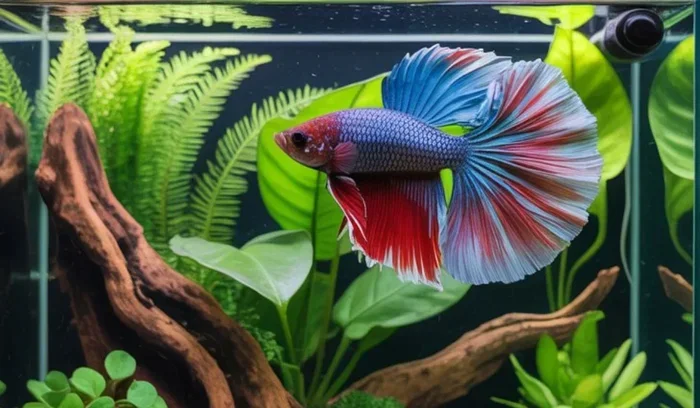
Learning how to care betta fish in Hindi is easier than you think. This guide covers everything from tank setup and water temperature to feeding schedules and common health issues. Whether you are a beginner or an experienced fish keeper, you will find practical tips to keep your betta fish thriving and vibrant.
Are you searching for how to care betta fish in Hindi? You are in the right place. Betta fish, also known as Siamese fighting fish, are one of the most popular pets in India. Their bright colors and flowing fins make them a joy to watch. But many people struggle to keep them healthy. This guide will walk you through everything you need to know. We will cover tank setup, feeding, water changes, and common health problems. By the end, you will feel confident caring for your betta fish like a pro.
Taking care of a betta fish does not need to be hard. With the right knowledge, anyone can do it. This article breaks down complex topics into simple steps. You will learn what your betta fish needs to live a long and happy life. We will also share tips in a way that is easy to understand. No confusing jargon. No fluff. Just clear, practical advice that works.
Key Takeaways
- Proper Tank Setup: A minimum 5-gallon tank with a heater and filter creates the ideal betta fish habitat.
- Water Quality Matters: Regular water changes and monitoring ammonia levels keep your betta fish healthy.
- Right Feeding Habits: Feed small amounts twice a day and avoid overfeeding to prevent constipation and bloat.
- Know Common Diseases: Spot early signs of ich, fin rot, and dropsy to treat your betta fish quickly.
- Ideal Water Temperature: Keep the water between 76-80°F (24-27°C) for optimal betta fish care.
- Hindi Resources Help: Finding care guides in Hindi makes it easier for Indian fish keepers to follow proper routines.
- Consistent Routine: A simple weekly care schedule prevents most common betta fish problems.
📑 Table of Contents
- Why Learning How to Care Betta Fish in Hindi Matters
- Setting Up the Perfect Betta Fish Tank
- Water Care and Maintenance
- Feeding Your Betta Fish Properly
- Common Betta Fish Diseases and How to Treat Them
- Creating a Healthy Environment for Your Betta
- Breeding Betta Fish at Home
- Quick Tips for Better Betta Fish Care
- Final Thoughts on How to Care Betta Fish in Hindi
Why Learning How to Care Betta Fish in Hindi Matters
Many fish keepers in India search for how to care betta fish in Hindi. The reason is simple. When you understand care instructions in your native language, you make fewer mistakes. You follow steps more accurately. You also feel more confident as a pet owner. English guides can be helpful, but Hindi resources remove the language barrier completely.
Betta fish are tropical creatures. They need warm water, clean tanks, and proper food. Without the right care, they can get sick quickly. Common problems include fin rot, constipation, and stress. When you read care guides in Hindi, you absorb the information better. You remember the steps more easily. This leads to a healthier, happier fish.
Another benefit is community support. Many Indian fish keeping groups share advice in Hindi. When you learn the basics from a Hindi guide, you can join these communities. You can ask questions and share your own experiences. This creates a support system that helps both you and your fish thrive.
Setting Up the Perfect Betta Fish Tank
Choosing the Right Tank Size
Many beginners make the mistake of keeping betta fish in tiny bowls. A small bowl might look cute, but it is not healthy. Your betta fish needs at least a 5-gallon tank. This gives them room to swim and explore. Larger tanks also make it easier to maintain stable water conditions. If you want to know more about bowl setups, check out how to care for betta fish in bowl for additional tips.
Here are some tank size recommendations:
- Minimum: 5 gallons for one betta fish
- Ideal: 10 gallons for a single betta with plants
- Avoid: Bowls smaller than 2 gallons
A bigger tank is always better. It gives your fish space and helps keep the water clean longer. You should also add a lid. Betta fish are jumpers, and they can escape from open tanks. A tight-fitting lid keeps your fish safe.
Essential Equipment for Your Betta Tank
Every betta fish tank needs a few key pieces of equipment. First, you need a heater. Betta fish are tropical, and they need warm water. Set the heater to keep the temperature between 76°F and 80°F (24°C to 27°C). A thermometer helps you monitor the temperature daily.
Second, you need a filter. But choose a gentle one. Betta fish do not like strong water flow. Sponge filters work great because they provide biological filtration without creating a strong current. Third, add some plants and decorations. These give your betta fish places to hide and rest. Live plants are best because they help clean the water naturally.
Finally, do not forget a light. A simple LED tank light works well. It helps you see your fish and keeps any live plants healthy. Keep the light on for 8 to 10 hours a day. Too much light can cause algae growth.
Water Care and Maintenance
How to Keep Betta Fish Water Clean
Clean water is the most important part of how to care betta fish in Hindi. Dirty water makes fish sick. It causes stress, infections, and even death. The good news is keeping the water clean is not difficult. You just need to be consistent.
For tanks under 5 gallons, change 50% of the water every week. For larger tanks, change 25% to 30% weekly. Always use a water conditioner to remove chlorine and chloramine from tap water. These chemicals are harmful to betta fish. A conditioner neutralizes them instantly.
Here is a simple water change routine:
- Siphon out the old water using a gravel vacuum
- Replace it with treated water at the same temperature
- Check the pH level. It should be between 6.5 and 7.5
- Test the ammonia and nitrite levels weekly
High ammonia levels are dangerous for betta fish. Even small amounts can damage their gills and cause serious health problems. If you notice your fish gasping at the surface, test the water immediately. This is often a sign of ammonia poisoning.
Understanding the Nitrogen Cycle
The nitrogen cycle is essential for a healthy aquarium. It converts harmful ammonia into less toxic substances. When you set up a new tank, you need to cycle it before adding your betta fish. This process takes about 4 to 6 weeks. It grows beneficial bacteria that break down waste.
You can speed up cycling with bottled bacteria supplements. These products add the good bacteria your tank needs. Never add your betta fish to an uncycled tank. Doing so often leads to health problems and a shortened lifespan. For more details on cycling, read how to do a fish in cycle with betta.
Feeding Your Betta Fish Properly
What to Feed Your Betta Fish
Feeding is a big part of how to care betta fish in Hindi. Betta fish are carnivores, and they need protein-rich food. The best options include betta pellets, frozen bloodworms, and brine shrimp. High-quality pellets should be the staple of their diet. They contain all the nutrients your fish needs.
You can also offer variety. Freeze-dried daphnia and mosquito larvae make great treats. Live food is excellent but can carry parasites. Always buy from reputable sources. Avoid feeding your betta fish exclusively with flakes. Most flakes are designed for community fish and lack the protein bettas need.
Feeding Schedule and Portions
Overfeeding is one of the most common mistakes. It causes constipation, bloat, and dirty water. Feed your betta fish small amounts twice a day. What they can eat in 2 to 3 minutes is enough. Remove any uneaten food after feeding. This keeps the water clean and prevents health issues.
Here is a simple feeding guide:
- Morning: 2 to 3 pellets or a small pinch of frozen food
- Evening: Same amount as the morning
- Treat days: Once a week, offer bloodworms or daphnia
- Fast day: Skip feeding one day per week to aid digestion
Fasting once a week helps prevent constipation. It gives your betta fish’s digestive system a break. Many experienced fish keepers follow this practice. Your fish will stay healthier and more active as a result.
Common Betta Fish Diseases and How to Treat Them
Identifying Early Warning Signs
Even with the best care, betta fish can get sick. The key is catching problems early. Watch for changes in behavior, appetite, and appearance. A healthy betta fish is active, eats well, and has bright colors. If your fish starts hiding, refusing food, or looking dull, something is wrong.
Common warning signs include:
- Clamped fins: Fish holds fins close to its body
- White spots: May indicate ich or white spot disease
- Ragged fins: Could be fin rot or fin biting
- Swollen belly: Often a sign of dropsy or constipation
- Gasping at the surface: Usually a water quality issue
If you notice any of these symptoms, act quickly. Early treatment gives your fish the best chance of recovery. For detailed treatment guides, visit how to care for a betta fish for comprehensive advice on common health issues.
Treating Common Illnesses
Fin Rot: This is a bacterial infection that damages the fins. It looks like the fins are fraying or disappearing. Treat it with aquarium salt and antibacterial medication. Improve water quality to prevent it from coming back.
Ich (White Spot Disease): Ich appears as small white spots on the body and fins. Raise the water temperature slowly to 82°F for three days. Add ich medication to the tank. This usually clears the infection quickly.
Constipation: A constipated betta fish has a swollen belly and stops eating. Feed them a peeled pea or fast them for one to two days. This usually resolves the problem fast.
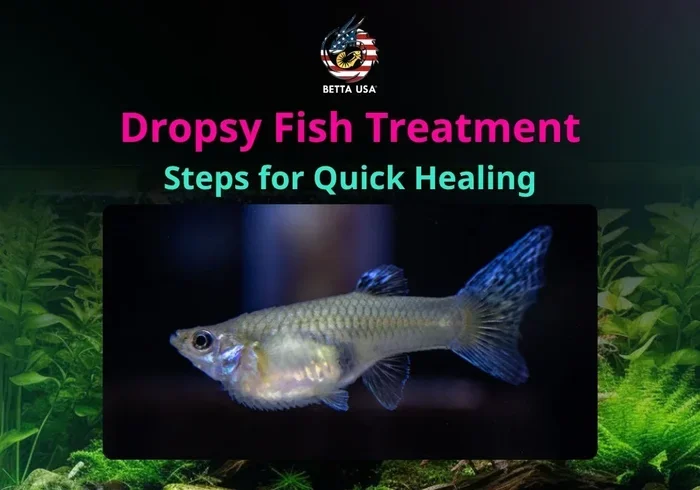
Dropsy: Dropsy is a serious condition where the body swells with fluid. It is often fatal, but early intervention can help. Treat with Epsom salt baths and antibiotics. Isolate the fish in a hospital tank.
Creating a Healthy Environment for Your Betta
Tank Mates and Compatibility
Betta fish are often kept alone, and for good reason. Male bettas are territorial and may fight other bettas. However, some peaceful tank mates can work in larger tanks. Snails, ghost shrimp, and certain bottom-dwelling fish are good options.
Always watch for signs of aggression. If your betta fish chases other fish or nips at their fins, separate them immediately. A stressed betta fish is an unhealthy betta fish. The tank should have plenty of hiding spots and open swimming space.
Enrichment and Mental Stimulation
Betta fish are smarter than people think. They need mental stimulation to stay happy. Add plants, caves, and tunnels to their tank. Some bettas even enjoy exploring new decorations. You can also place a mirror near the tank for short periods. This gives your fish exercise and mental engagement.
Just be careful. Never leave the mirror on for more than 10 to 15 minutes. Prolonged exposure causes stress. A happy betta fish is an active one. They will flare their fins and explore their environment with curiosity.
Breeding Betta Fish at Home
If you want to try breeding betta fish, it is possible with the right setup. You need a separate breeding tank of at least 10 gallons. The water should be warm and clean. Add a bubble nest made from floating plants or a specially built nest site.
The male betta will build the bubble nest. He will then court the female by flaring his fins and showing bright colors. After mating, the male collects the eggs and places them in the bubble nest. Remove the female after mating to prevent aggression from the male.
Raising betta fry is challenging but rewarding. They need infusoria or liquid fry food for the first week. Gradually introduce baby brine shrimp as they grow. For detailed breeding instructions, you can explore how to breed betta fish in aquarium for expert guidance.
Quick Tips for Better Betta Fish Care
Quick Tip: Always acclimate your betta fish slowly when introducing them to a new tank. Float the bag for 15 to 20 minutes, then gradually mix tank water into the bag over 30 minutes.
Quick Tip: Keep a consistent schedule. Feed your fish at the same times each day. Perform water changes on the same day every week. Routine reduces stress for your betta.
Quick Tip: Observe your fish daily. Spend a few minutes watching your betta. You will notice changes in behavior early. This helps you catch problems before they become serious.
Quick Tip: Never use soap or chemicals when cleaning your tank. Residue is toxic to betta fish. Use only aquarium-safe cleaning products and rinse everything with plain water.
Final Thoughts on How to Care Betta Fish in Hindi
Caring for a betta fish is a rewarding experience. These beautiful creatures bring color and life to any room. When you follow the right steps, your betta fish can live for 3 to 5 years, sometimes even longer. The key is consistency and attention to detail.
Remember that how to care betta fish in Hindi resources make this journey easier for Indian fish keepers. You do not need to struggle with English guides when you can learn in your native language. Start with the basics. Set up a proper tank. Maintain clean water. Feed the right food. Watch for signs of illness. With these simple steps, you will create a happy, healthy home for your betta fish.
Every fish keeper starts somewhere. Do not feel overwhelmed by the information. Focus on one thing at a time. Build your confidence slowly. Your betta fish will thank you with vibrant colors and active behavior. The bond between a keeper and their fish is truly special. Enjoy every moment of it.
Frequently Asked Questions
Can I keep my betta fish in a bowl without a filter?
You can keep a betta fish in a bowl, but it is not ideal. Bowls without filters require more frequent water changes. You should change the water at least every 3 to 4 days. A small sponge filter makes a big difference in water quality and fish health.
How often should I feed my betta fish?
Feed your betta fish twice a day. Give them small amounts they can eat in 2 to 3 minutes. Overfeeding is the biggest mistake new fish keepers make. It leads to constipation, bloat, and dirty water. Stick to a consistent feeding schedule for the best results.
What is the ideal water temperature for betta fish?
The ideal water temperature for betta fish is between 76°F and 80°F (24°C to 27°C). Use a reliable heater and thermometer to maintain this range. Cold water slows down their metabolism and makes them weak. Sudden temperature changes can also stress your fish.
Why is my betta fish staying at the top of the tank?
A betta fish staying at the top may be gasping for air. This usually means the water has low oxygen or high ammonia. Check your water parameters immediately. Test for ammonia, nitrite, and nitrate levels. Perform a partial water change if needed. Also ensure your tank has proper surface agitation for gas exchange.
Can betta fish live with other fish?
Male bettas should generally be kept alone because they are territorial. Female bettas can sometimes live in small groups. Some peaceful species like snails and ghost shrimp make good tank mates. Always monitor behavior closely and separate aggressive fish immediately.
How long do betta fish live?
With proper care, betta fish live for 3 to 5 years on average. Some well-cared-for bettas have been known to live longer. The key factors are clean water, proper diet, and a stress-free environment. Following a consistent care routine gives your fish the best chance at a long, healthy life.
=== INTERNAL LINKS USED ===
Internal links used in this article: