How to Care for Betta Fish
Caring for a betta fish means providing a proper tank (not a tiny bowl!), clean warm water, a high-protein diet, and mental stimulation. These vibrant, intelligent fish can live 3-5 years with the right setup. Avoid common myths like keeping them in vases or feeding them plant matter. A filtered, heated tank with hiding spots is non-negotiable for their health and happiness.
So you’ve brought home a beautiful betta fish, with its flowing fins and bold personality. Maybe it came in a tiny cup from a store, or you’ve admired them for years. But now the real question begins: how do you actually care for a betta fish properly? The internet is full of conflicting advice, from “just keep it in a vase” to complex planted tank setups. Let’s clear the fog. This guide will walk you through every single step of how to care for betta fish the right way, turning you from a curious beginner into a confident, responsible betta owner. We’ll bust myths, break down essentials, and give you practical, actionable tips to ensure your new aquatic friend not only survives but thrives, displaying those brilliant colors and playful behaviors for years to come.
The foundation of good betta care is understanding their natural habitat. Bettas, or Siamese fighting fish, hail from the shallow, slow-moving rice paddies and floodplains of Southeast Asia. These waters are warm, often vegetated, and can have fluctuating conditions. This history explains their famous labyrinth organ (allowing them to gulp air), their preference for warm water, and their need for mental stimulation from plants and hiding spots. Ignoring these innate needs is the primary reason many bettas die prematurely. Our goal is to replicate the best parts of their wild home in your aquarium. Let’s start with the most fundamental piece of the puzzle: their home.
Key Takeaways
- Tank Size is Critical: A minimum of 5 gallons is essential for a single betta; smaller containers lead to stress, poor water quality, and a shortened lifespan.
- Water Quality is Non-Negotiable: A gentle filter is mandatory, and you must perform partial water changes weekly to remove toxic ammonia and nitrites.
- Temperature Must Be Warm: Bettas are tropical fish requiring a stable water temperature between 76-82°F (24-28°C) using an aquarium heater.
- Diet Must Be Carnivorous: Feed high-quality pellet or frozen foods (brine shrimp, daphnia) and avoid overfeeding; their digestive tracts are short.
- Enrichment Prevents Boredom: Provide plants, caves, and floating resting spots. Bettas are intelligent and need stimulation to avoid stress and lethargy.
- Monitor Health Daily: Watch for clamped fins, loss of appetite, faded colors, or ragged fins. Early detection of illness like fin rot or velvet is key to treatment.
- Never House with Incompatible Tank Mates: Avoid other male bettas and fin-nipping fish. Research peaceful, short-finned community fish thoroughly if you choose to add companions.
📑 Table of Contents
- 1. The Perfect Betta Tank: Beyond the Bowls and Vases
- 2. Mastering Water Quality: The #1 Key to Betta Health
- 3. Temperature and Lighting: Creating the Right Atmosphere
- 4. Feeding Your Betta: A Carnivore’s Diet
- 5. Tank Mates and Social Behavior: Solitary but Not Lonely
- 6. Betta Health: Prevention, Recognition, and Basic Treatment
- Conclusion: A Lifelong Commitment
1. The Perfect Betta Tank: Beyond the Bowls and Vases
Let’s address the elephant in the room first: the myth of the betta in a bowl. You’ve seen them—a solitary fish floating in a small, round vase on a desk. This is perhaps the most damaging piece of misinformation in the aquarium hobby. A bowl is not a suitable home for any fish, especially not a betta. It’s a tiny, unstable ecosystem. There’s no room for a filter or heater, water quality plummets rapidly due to the small volume, and there is zero environmental enrichment. To learn how to care for betta fish, you must start by rejecting the bowl.
Tank Size: The Absolute Minimum
The absolute, bare-minimum tank size for a single betta is 5 gallons (about 19 liters). This is not a generous suggestion; it’s a hard requirement based on their biology. A larger water volume provides several critical benefits. First, it dilutes toxins. Fish produce ammonia as waste. In a half-gallon bowl, a single piece of food or a bit of waste can cause a toxic spike almost overnight. In 5+ gallons, those same toxins are diluted, giving your filter and beneficial bacteria a chance to process them safely. Second, it provides stable parameters. Temperature and pH fluctuate less in a larger volume, and bettas are sensitive to rapid changes. Finally, and most importantly, it gives your betta space to explore. Bettas are curious, active fish. They need room to swim horizontally, not just bob vertically.
If you have the space and budget, a 10-gallon (38-liter) tank is even better. It’s easier to maintain stable water conditions, allows for more decorations and plants, and provides a richer environment. For your first betta tank, a standard 5.5-gallon “long” tank is an excellent, affordable choice. The “long” shape gives more swimming space at the surface where bettas prefer to be, compared to a tall, narrow tank of the same volume.
Tank Shape and Lid Considerations
Bettas are labyrinth fish, meaning they breathe air from the surface. They frequently swim to the top to take a gulp of air. Therefore, a tank with a large surface area is preferable to a tall, skinny one. A wide, shallow tank mimics their natural habitat better and makes it easier for them to access air. Always use a secure lid or hood. Bettas are notorious jumpers. A startled or curious betta can leap right out of an open tank in a split second, with fatal results. A tight-fitting lid is a non-negotiable safety feature.
Substrate: More Than Just Gravel
You have choices here. Fine gravel or sand is ideal. Avoid large, sharp gravel that can tear their delicate fins. A dark-colored substrate often makes your betta’s colors pop more vibrantly. Bettas like to sift through the bottom occasionally. If you use sand, rinse it thoroughly before adding it to the tank to prevent cloudiness. A layer of substrate is also crucial for beneficial bacteria colonies, which help process fish waste. You don’t need a deep bed—1-2 inches is plenty.
Essential Equipment Checklist
Before you even add water, you need the right tools. Here’s your non-negotiable equipment list for a healthy betta tank:
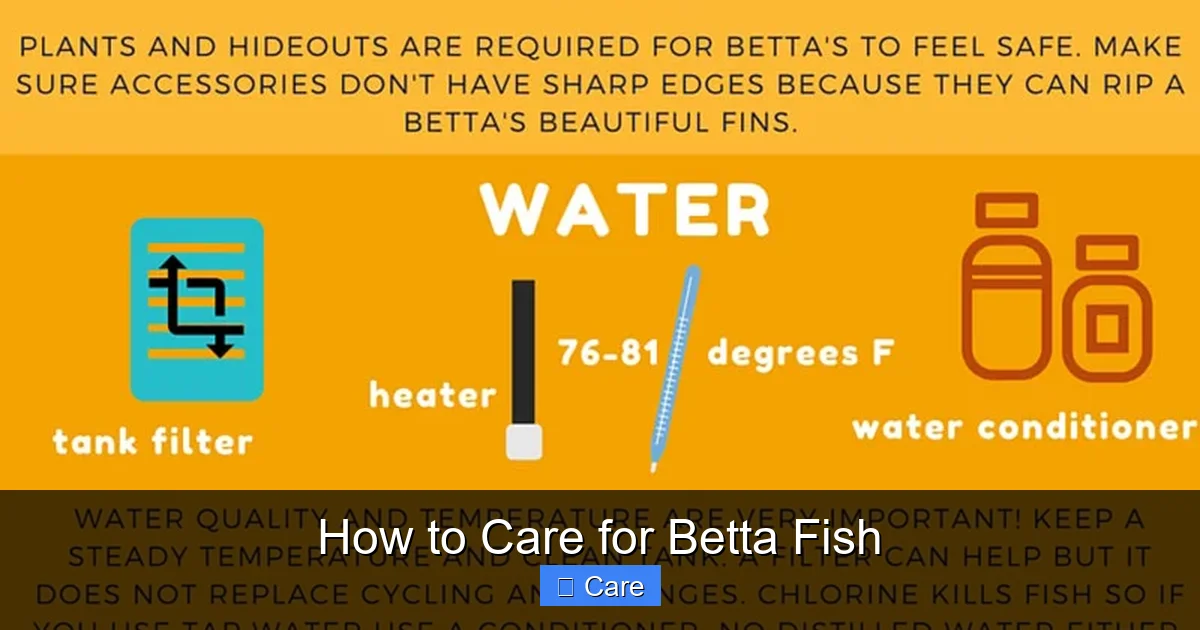
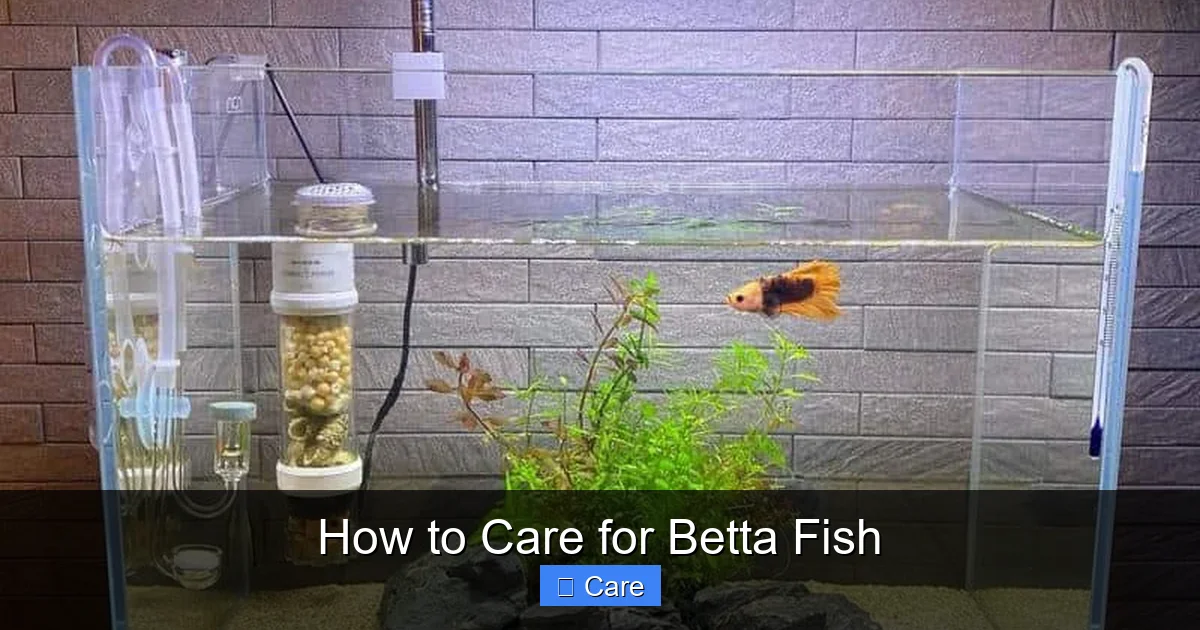
- Filter: A gentle filter is mandatory. Bettas come from still waters and have large, flowing fins. A strong current will exhaust them, stress them, and can even damage their fins. Look for a filter with an adjustable flow rate, or one designed for small tanks or “betta tanks.” Sponge filters are an excellent, ultra-gentle option that also provides great biological filtration.
- Heater: A reliable, adjustable aquarium heater is essential. Room temperature is almost never warm enough or stable enough for a tropical betta. Get a heater rated for your tank size (a 25-watt heater is typically fine for a 5-gallon tank). Use a separate aquarium thermometer to verify the temperature. Set it between 78-80°F (25.5-26.5°C) as a stable target.
- Thermometer: Do not rely on the heater’s built-in gauge. A separate, accurate glass or digital thermometer is cheap insurance to prevent overheating or under-heating.
- Water Dechlorinator: Tap water contains chlorine and chloramines, which are deadly to fish. You must treat every bucket of tap water with a liquid dechlorinator (like Seachem Prime) before it touches your fish or tank.
- Gravel Vacuum/Siphon: This is your primary tool for water changes. It allows you to remove debris from the substrate without disturbing the tank too much.
- Bucket: Dedicate a clean bucket (5-gallon size is handy) for aquarium use only. Never use a bucket that has held soap or chemicals.
- Test Kit (Highly Recommended): A liquid water test kit (API Freshwater Master Test Kit is the gold standard) is the best way to monitor ammonia, nitrite, nitrate, and pH. While test strips are easier, they are far less accurate. Knowing your water parameters is the cornerstone of prevention.
2. Mastering Water Quality: The #1 Key to Betta Health
If tank setup is the foundation, water quality is the entire building. Poor water quality is the number one cause of betta illness and death. It’s not dramatic; it’s a slow poison. You cannot see ammonia or nitrite, but they are devastating. A cycled tank with a functioning filter and a regular maintenance schedule is the single most important thing you can do for your betta’s longevity. Let’s break down what this means.
Visual guide about How to Care for Betta Fish
Image source: acaquarium.com
The Nitrogen Cycle: Your Tank’s Biological Filtration
This is a critical concept. A new tank is not “ready” for fish. It needs to cycle. The nitrogen cycle is the process by which beneficial bacteria colonize your filter and substrate. These bacteria convert toxic fish waste (ammonia) into less harmful nitrite, and then into much less toxic nitrate. A “cycled” tank has a robust population of these bacteria. Adding fish to an uncycled tank is like putting them in a bath of their own poison.
How to Cycle a Tank (The Fishless Method is Best): Set up your tank with filter, heater, and dechlorinated water. Add a source of ammonia—a few drops of pure ammonia from a hardware store, or a piece of shrimp/food that will decay. Use your test kit to monitor ammonia, nitrite, and nitrate. You will see ammonia spike, then drop as nitrite rises. Nitrite will then spike and drop as nitrate rises. Once you see nitrates and can add ammonia and see it convert to nitrite and then nitrate within 24 hours (with zero ammonia or nitrite readings), your tank is cycled. This takes 4-6 weeks. During this time, do not add your betta. You can add a bacterial starter supplement (like Tetra SafeStart or Seachem Stability) to help seed the bacteria. This is the safest, most humane method.
Performing Water Changes: Your Weekly Ritual
Even a cycled tank needs help. Nitrate, the end product of the cycle, is still toxic at high levels. Weekly water changes are how you control it. For a 5-gallon tank with a single betta, a 25-30% water change once a week is the standard. Here’s the step-by-step:
- Turn off the heater and filter.
- Use your gravel vacuum/siphon to clean the substrate. Push the vacuum into the gravel and move it around. Debris and waste will be sucked up. This is the most important part—cleaning the poop and uneaten food from the substrate where it decays and causes ammonia. You don’t need to clean every single piece of gravel, but do a thorough pass over the entire bottom.
- Siphon out the old water into your dedicated bucket until you’ve removed 25-30% of the total volume.
- Take the bucket to the sink. Check your tap water temperature. It must match the tank water temperature within 1-2 degrees to avoid thermal shock. Use your thermometer.
- Add the correct dose of dechlorinator to the new, temperature-matched tap water in the bucket. Stir.
- Slowly pour the new, treated water back into the tank. Try not to disturb the substrate too much. Pouring it over a clean cup or your hand can help diffuse the flow.
- Wipe down the outside of the tank with a clean, algae pad or paper towel (never use soap!).
- Turn the filter and heater back on.
Never, ever remove more than 50% of the water at once, and never replace water without treating it for chlorine. Consistency is more important than perfection. A 25% change every week is far better than a 50% change once a month.
Understanding Water Parameters
Use your test kit. Here are the safe ranges for a betta:
- Ammonia (NH3/NH4+): 0 ppm. Always.
- Nitrite (NO2-): 0 ppm. Always.
- Nitrate (NO3-): Below 20 ppm is ideal. Below 40 ppm is the absolute maximum before a water change is needed.
- pH: 7.0 is neutral. Bettas are adaptable and do well in a range of 6.5-7.5. Avoid rapid swings.
If you ever see ammonia or nitrite above 0, you have a problem. Either your tank isn’t fully cycled, you are overfeeding, your filter isn’t working, or you have too many fish. Perform an immediate 50% water change and troubleshoot the cause.
3. Temperature and Lighting: Creating the Right Atmosphere
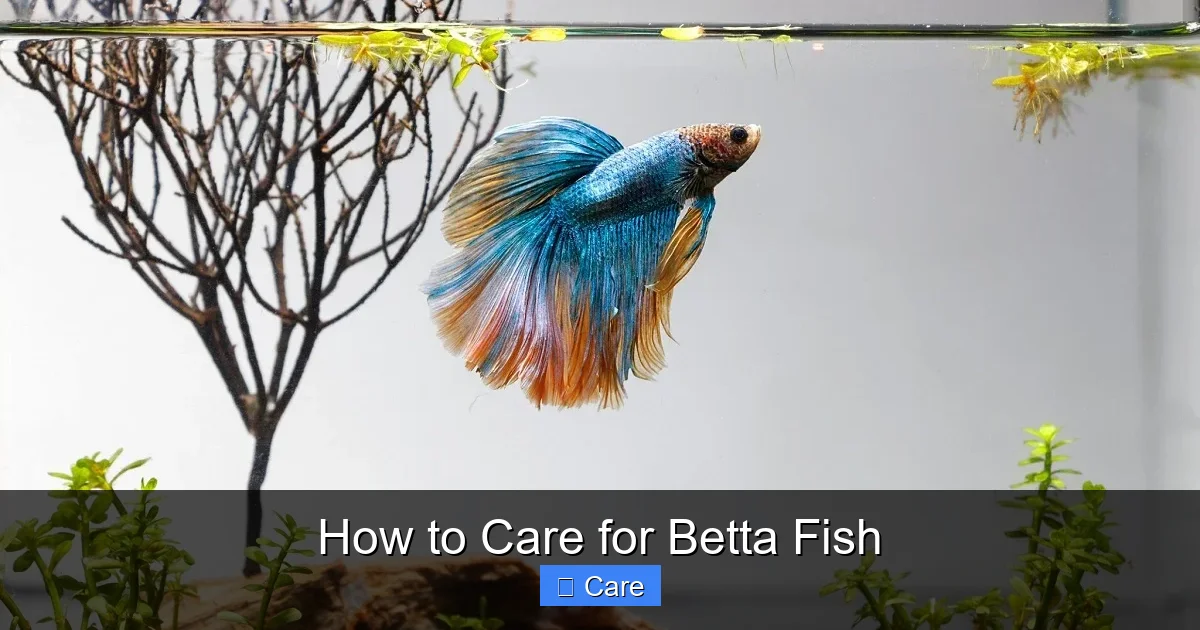
Bettas are tropical fish. This is a fact that cannot be overstated. Their metabolism, immune system, and digestion all function optimally within a specific temperature range. Cold water slows their metabolism, makes them lethargic, suppresses their immune system, and makes them highly susceptible to diseases like ich and velvet.
Visual guide about How to Care for Betta Fish
Image source: bettacarefishguide.com
The Heater: Your Betta’s Best Friend
As mentioned, a reliable heater is mandatory. Set it to a steady 78-80°F (25.5-26.5°C). Use your separate thermometer to confirm. Place the heater near the water flow from your filter so heat distributes evenly. Never run a heater outside of water—it will crack and become a fire hazard. Invest in a good quality heater from a reputable brand. It’s a one-time purchase that protects your fish for years.
Lighting: Day and Night Cycles
Bettas, like all creatures, need a proper day/night cycle. Constant light stresses fish and promotes excessive algae growth. A simple 8-10 hour light cycle per day is perfect. If your tank light doesn’t have a timer, get a cheap plug-in timer from a hardware store. Consistency is key. In the evening, turn the light off. Your betta will appreciate the darkness to rest. You can also provide floating plants or a betta hammock (a suction-cup leaf) near the surface for a dark, secure resting spot during the day if the lighting is bright.
4. Feeding Your Betta: A Carnivore’s Diet
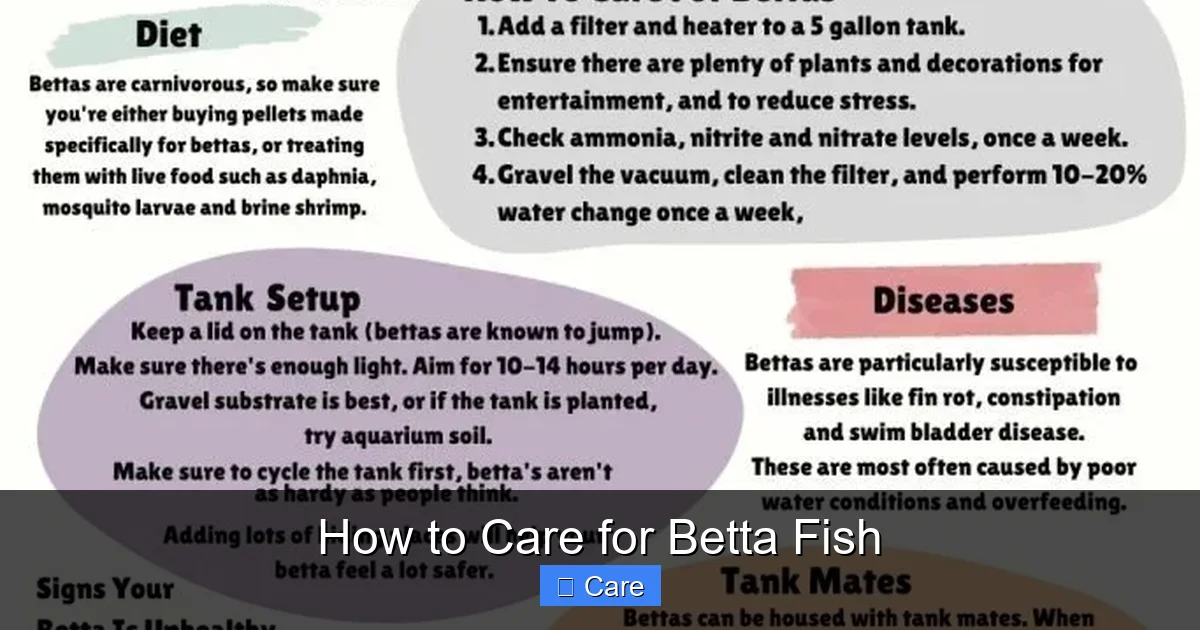
This is another area rife with misinformation. Bettas are NOT vegetarians. They are insectivores and carnivores by nature, eating mosquito larvae, small insects, and crustaceans in the wild. Their short digestive tracts are not designed to process plant matter or carbohydrates. Feeding them pea “soup” for constipation is an old, outdated myth. Let’s talk about what to actually feed.
Visual guide about How to Care for Betta Fish
Image source: fishlab.com
Choosing the Right Food
The staple of your betta’s diet should be a high-quality betta pellet or micro-pellet. Look for pellets where the first few ingredients are fish or shrimp meal, not wheat or soy. These provide complete nutrition. Pellets should be small enough for your betta’s mouth. A good rule is that the pellet should be no larger than the size of its eye.
In addition to pellets, you must provide variety with high-protein “treats” 2-3 times a week. Excellent options include:
- Frozen Foods: Frozen brine shrimp, daphnia, or bloodworms. Thaw a small portion in a cup of tank water (never microwave!) and offer it. These are fantastic for conditioning and adding fiber (daphnia).
- Live Foods: Live brine shrimp or daphnia are the ultimate treat and provide excellent stimulation as the betta hunts. Only purchase from reputable sources to avoid pathogens.
- Freeze-Dried Foods: A convenient alternative to frozen. Soak them in tank water for a minute before feeding to prevent digestive issues.
How Much and How Often: The Rule of Thumb
Overfeeding is the fastest way to foul your water and constipate your betta. Their stomachs are roughly the size of their eyeball. Follow this simple rule: Feed no more than 2-3 pellets per day, 6 days a week. On the 7th day, fast them. This gives their digestive system a rest and mimics natural feeding patterns where food is scarce. If you are feeding frozen or live foods, a tiny pinch (the size of a small pea, total) is plenty. Watch your betta eat. If it doesn’t consume everything in 1-2 minutes, you are overfeeding. Remove any uneaten food immediately with a net or siphon. Leftover food rots and pollutes the water.
The Importance of Fasting
That weekly fast is not optional; it’s preventive medicine. It helps clear their digestive system and reduces the constant metabolic load. If your betta ever appears constipated (swollen abdomen, difficulty swimming), the first step is a 3-day fast. Often, this resolves the issue without intervention.
5. Tank Mates and Social Behavior: Solitary but Not Lonely
This is a complex and often debated topic. The short, safe answer: Male bettas are solitary and should almost always be kept alone. Their common name, Siamese fighting fish, comes from their historic use in brutal fights. While modern breeding has reduced extreme aggression, the instinct to flare (extend gills and fins aggressively) at other long-finned or brightly colored fish, especially other males, is hardwired. A male betta with another male betta will almost certainly result in one or both being killed or severely injured.
Can Female Bettas Be Kept Together?
Female bettas are less aggressive than males and can sometimes be kept in a “sorority” tank. However, this is an advanced setup. It requires a minimum of 10 gallons (15+ is better), at least 4-5 females to disperse aggression, and abundant hiding places and line-of-sight breaks. Even then, a dominant hierarchy forms, and injuries or death can occur. For a beginner, it is strongly recommended to keep a single female betta alone as well.
Potential Community Tank Mates for a Male Betta
If you have a large enough tank (10+ gallons) and a *calm* individual betta, you *might* be able to add a few carefully selected tank mates. The rules are strict:
- NO: Other bettas, guppies (long fins trigger aggression), fancy guppies, other brightly colored fish with long fins (some male swordtails), fin-nippers (like tiger barbs, serpae tetras, most danios).
- YES (with caution and observation): Small, schooling, non-aggressive fish that are not brightly colored or long-finned. Examples include: harlequin rasboras, ember tetras (in a school of 6+), corydoras catfish (a small school of 3+), kuhli loaches, and snails (like nerite or mystery snails). Shrimp (like cherry shrimp) are a gamble—your betta may see them as food.
Introduction Protocol: Always add the tank mates to the cycled, decorated tank FIRST, and let them settle for a few hours. Then, float your betta in a cup inside the tank for 30 minutes to acclimate to the temperature and water. Finally, use a net or cup to gently release the betta into the tank. Watch closely for at least an hour. If your betta immediately flares, chases, and tries to bite the other fish, remove the betta (have a hospital tank ready) and abandon the community idea. Some bettas are simply too aggressive. Your betta’s life comes first; a community tank is a luxury, not a necessity.
Environmental Enrichment: Toys for a Smart Fish
Regardless of tank mates, your betta needs things to do. A bare tank is a prison. Bettas are intelligent and curious. Provide:
- Plants: Live plants are best (java fern, anubias, marimo moss balls). They improve water quality and provide natural hiding spots. Silk plants are a good, non-abrasive alternative. Avoid plastic plants with sharp edges.
- Caves and Hiding Spots: Use ceramic or plastic caves, driftwood, or PVC pipe segments (clean and aquarium-safe). Your betta needs a place to retreat and feel secure.
- Floating Resting Spots: Bettas frequently rest at the surface. A “betta hammock” (a suction-cup leaf), a piece of Indian almond leaf, or even a clean piece of Styrofoam (hidden under plants) provides a crucial resting place. They often sleep like this!
- Mirror (Use Sparingly): A small mirror placed outside the tank for a few minutes a day can provide mental stimulation as your betta “flares” at its reflection, thinking it’s a rival. Don’t leave it in permanently, as prolonged flaring is stressful.
6. Betta Health: Prevention, Recognition, and Basic Treatment
A healthy betta is active, curious, has fully extended fins, and displays vibrant colors. It will come to the front of the tank when you approach (often hoping for food!). A sick betta is lethargic, may clamp its fins close to its body, lose its appetite, fade in color, develop spots, or show physical damage like torn or rotting fins. Prevention through pristine water, correct temperature, and a good diet is 90% of the battle.
Common Betta Illnesses
- Fin Rot: A bacterial or fungal infection causing fins to become ragged, torn, and develop white or black edges. It’s almost always due to poor water quality. Treatment: Immediately improve water quality with more frequent water changes. Use a broad-spectrum antibacterial medication like Maracyn or Mardel Fin & Body Cure. Salt baths (1 tsp of aquarium salt per gallon for 15-20 minutes daily) can help, but do not use salt in a freshwater tank long-term.
- Ich (White Spot Disease): A parasitic infection causing tiny, salt-like white spots all over the body and fins. Fish will also “flash” or rub against objects. Treatment: Raise the tank temperature slowly to 82-84°F (28-29°C) over 24 hours. Use a formalin or malachite green-based ich treatment for the full duration (usually 7-10 days), as the parasite has a life cycle.
- Velvet: A parasitic infection that looks like a fine gold or rust dusting on the fish, especially under a flashlight. Fish will be lethargic, clamp fins, and scratch. Treatment: Similar to ich—raise temperature and use a copper-based medication (like Cupramine) or formalin. Treat for the full life cycle.
- Swim Bladder Disorder (SBD): The fish floats upside down, sinks, or swims erratically. Often caused by overfeeding and constipation, but can also be from bacterial infection or physical injury. Treatment: First, fast for 3 days. Then, feed a cooked, skinned pea (despite the myth, this is for fiber, not because they are herbivores). If no improvement, consider a bacterial infection and treat with an antibiotic like Maracyn 2.
Quarantine and Hospital Tanks
This is a pro tip that saves lives. Always have a small, bare “hospital tank” (2.5 gallons is fine) set up and running with a heater and sponge filter. When you bring a new betta home, keep it in this quarantine tank for at least 2-4 weeks. Observe it for any signs of illness before introducing it to your main display tank. This prevents you from introducing diseases to your established, healthy tank. The hospital tank is also where you move a sick betta for treatment. This allows you to medicate it without harming the beneficial bacteria in your main filter or exposing other fish to strong medications.
When to Euthanize
This is the hardest part of pet ownership. If your betta is suffering with no hope of recovery—for example, advanced, untreatable dropsy (severe swelling), prolonged and painful SBD, or a massive, spreading fungal infection—humane euthanasia is the kindest option. The most accepted method is using a clove oil solution. It is peaceful and effective. Research the process thoroughly if you ever face this situation. A good vet can also perform this.
Conclusion: A Lifelong Commitment
Caring for a betta fish is a rewarding experience that teaches responsibility and offers a peaceful window into the natural world. By providing a properly sized, filtered, and heated tank; maintaining impeccable water quality through regular maintenance; feeding a correct, high-protein diet; and offering enrichment and vigilance, you are giving your betta the gift of a full, healthy life of 3-5 years or more.
Remember, your betta is not a disposable decoration. It is a living creature with specific needs. The initial investment in a proper 5-gallon tank setup, heater, filter, and decor might seem higher than a cup and a bowl, but it pays off in the long run with a vibrant, interactive pet that will greet you every day. Ditch the myths, embrace the science of the nitrogen cycle, and enjoy the journey of becoming a true betta caretaker. Your fish will show its appreciation with every graceful flare and curious exploration of its well-appointed home.
Frequently Asked Questions
Can betta fish live with other fish?
Male bettas are generally best kept alone due to their aggressive nature. With a very large, well-planted tank (10+ gallons) and careful selection of peaceful, short-finned tank mates like certain tetras or corydoras, it may be possible, but there are no guarantees. Female bettas can sometimes be kept in small groups (sororities) in large, heavily decorated tanks, but this is advanced and risky. For a beginner, a single betta in its own tank is the safest and most rewarding choice.
How often should I change my betta’s water?
For a properly cycled 5-gallon tank with a filter and a single betta, you should perform a 25-30% water change once a week. This removes built-up nitrate and cleans debris from the substrate. Never change 100% of the water at once, as this removes beneficial bacteria and shocks the fish. Always use a dechlorinator on the new water and match the temperature to the tank.
Why is my betta fish not eating?
A loss of appetite is a common symptom with many potential causes. First, check your water parameters—poor water quality is the #1 stressor. Ensure your heater is working and the water is warm enough (76-82°F). Look for other signs of illness like clamped fins, lethargy, or spots. Sometimes a new betta is just stressed from moving and needs a few days to settle. Try offering a variety of foods like frozen brine shrimp. If the issue persists for more than a couple of days, investigate water quality and common diseases.
Do betta fish need a filter?
Yes, absolutely. A gentle, adjustable filter is essential for a betta’s health. It houses the beneficial bacteria that process toxic fish waste (the nitrogen cycle) and keeps the water clean. The idea that bettas can live in stagnant water because they breathe air is a dangerous myth. Stagnant water accumulates ammonia from the fish’s own waste, which will poison and kill it. Choose a filter with a low flow setting to avoid stressing your betta with a strong current.
What is the ideal temperature for a betta fish?
The ideal temperature for a betta fish is between 76-82°F (24-28°C), with a stable target of 78-80°F (25.5-26.5°C) being perfect. They are tropical fish and require a consistent, warm environment. Cold water (below 75°F) slows their metabolism, weakens their immune system, and makes them prone to diseases like ich and velvet. An aquarium heater with a separate thermometer is non-negotiable equipment for a betta tank.
How can I tell if my betta is happy and healthy?
A happy, healthy betta will be active and curious, swimming all levels of the tank (often near the surface). Its fins will be fully extended and flowing (not clamped tight to its body). It will have bright, vivid colors. It will eat readily and may even recognize you. It will use its environment—exploring plants, resting on a leaf, and occasionally flaring at its reflection. Signs of poor health include lethargy, loss of appetite, faded or dark colors, clamped fins, torn or rotting fins, abnormal swimming (like floating upside down), or visible spots/patches.