How to Treat Betta Fish Tail Rot
Betta fish tail rot is a common but treatable condition caused by bacterial or fungal infections. Early detection and proper treatment can fully restore your betta’s tail and overall health. This guide covers causes, symptoms, treatments, and prevention steps you can start today.
Betta fish tail rot is one of the most common health problems betta owners face. If you have noticed your betta’s tail looking ragged, frayed, or discolored, you are not alone. This condition affects thousands of betta fish every year, and the good news is that it is treatable when caught early.
In this guide, we will walk you through everything you need to know about betta fish tail rot. You will learn what causes it, how to spot the early warning signs, and exactly what steps to take to nurse your fish back to health. Whether your betta is showing mild tail damage or something more serious, this article has you covered.
We will also share practical tips on prevention so you can keep your betta safe in the future. Let us dive right in and help your finned friend feel better.
Key Takeaways
- Tail rot is caused by bacteria or fungi that thrive in poor water conditions and stressed fish.
- Early signs include ragged, discolored fins and a receding tail edge that worsens over time.
- Treatment involves water changes, aquarium salt, and antibiotics depending on severity.
- Prevention focuses on clean water, stable temperatures, and reducing stress in your betta’s environment.
- Fin regrowth is possible with consistent care and proper treatment over several weeks.
- Never ignore tail rot — untreated cases can spread and become life-threatening.
📑 Table of Contents
What Is Betta Fish Tail Rot?
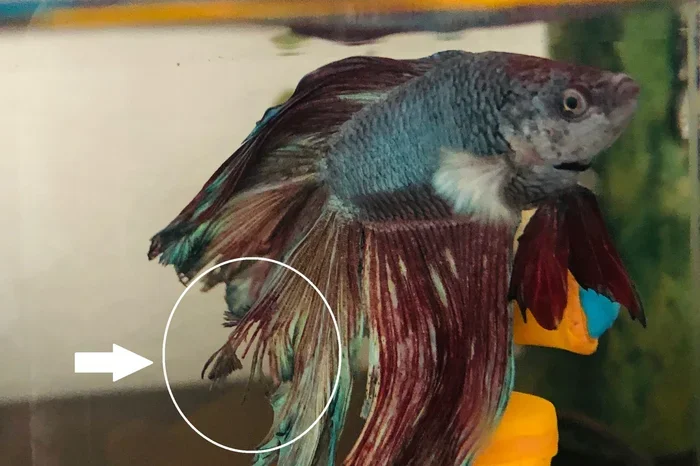
Betta fish tail rot is a condition where the tail (and sometimes the fins) begins to break down and deteriorate. It happens when harmful bacteria or fungi attack the delicate tissue of the tail. Over time, the tail can appear shredded, translucent, or even blackened at the edges.
Tail rot is often confused with fin rot, and the two conditions share many similarities. However, tail rot specifically targets the tail membrane and can progress quickly if left untreated. The good news is that mild cases respond well to simple interventions, while more advanced cases may need stronger treatment.
Understanding what tail rot looks like and what triggers it is the first step toward effective treatment. Many beginners mistake early tail rot for normal fin wear, which is why this condition often goes unnoticed until it has worsened.
Common Causes of Tail Rot in Betta Fish
Several factors can lead to betta fish tail rot. Most of these causes are tied to the fish’s environment and overall health. Let us look at the most common culprits.
Poor Water Quality
The number one cause of tail rot is dirty water. When ammonia and nitrite levels rise in a betta fish tank, the fish becomes stressed and its immune system weakens. Harmful bacteria thrive in these conditions and quickly attack vulnerable tissue like the tail.
A tank that has not been cleaned in weeks, or one that is too small, creates the perfect breeding ground for the bacteria that cause fish disease. Even a small amount of neglect can lead to serious problems for your betta.
Stress and Poor Living Conditions
Stressed fish are far more likely to develop infections. Common stressors include overcrowded tanks, aggressive tank mates, sudden temperature changes, and lack of hiding spots. A stressed betta cannot fight off infections as effectively, making it an easy target for the bacteria that cause tail damage.
If you have ever dealt with a stressed betta fish, you know how quickly their health can decline. Stress weakens the body and opens the door for bacterial and fungal invaders.
Injury or Physical Damage
Sometimes tail rot starts after a physical injury. Sharp decorations, rough tank mates, or even a betta rubbing against a filter can create tiny wounds. These openings give bacteria a way to enter the tissue and start an infection.
Even a small scratch can become a big problem if the water quality is not maintained. This is why keeping your tank environment safe and smooth is so important for betta fish care.
Incorrect Water Temperature
Betta fish are tropical creatures and need warm, stable water. Water that is too cold slows down their immune system and metabolism. This makes them more susceptible to infections, including bacterial infection that leads to tail rot.
An aquarium heater is essential for any betta setup. Keeping the water between 78 and 80 degrees Fahrenheit gives your betta the best chance of staying healthy and fighting off disease.
How to Identify Tail Rot Symptoms
Catching tail rot early makes treatment much easier. Here are the most common betta fish symptoms to watch for.
- Ragged or shredded tail edges — the tail starts looking like it is tearing apart.
- Discoloration — white, red, or black patches appear along the tail.
- Translucent or milky tail tissue — the tail becomes see-through as it deteriorates.
- Receding tail edge — the tail appears to be getting shorter over time.
- Frayed fin rays — the fin structure starts to look uneven and broken.
- Lethargy or loss of appetite — your betta becomes less active and stops eating.
If you notice any of these signs, it is important to act quickly. The longer tail rot goes untreated, the more damage it does. Compare your betta’s tail to healthy examples of fin regeneration to understand how far the condition has progressed.
Step-by-Step Treatment for Betta Fish Tail Rot
Treating betta fish tail rot depends on the severity of the condition. Mild cases can often be managed at home, while advanced cases may require medication. Here is a clear breakdown of what to do.
Step 1: Improve Water Quality Immediately
The first and most important step is to clean the tank. Do a 25 to 50 percent water change using dechlorinated water at the correct temperature. This removes harmful toxins and reduces the bacterial load in the tank.
Make sure your water parameters are in check. Test for ammonia, nitrite, and nitrate levels. Ammonia and nitrite should always read zero, and nitrates should stay below 20 ppm. Clean water is the foundation of betta fish health and recovery.
Step 2: Add Aquarium Salt
Aquarium salt is a mild but effective treatment for early-stage tail rot. It helps reduce stress, promotes healing, and creates a less favorable environment for bacteria. Add one teaspoon of aquarium salt per gallon of water, and dissolve it in a cup of tank water before adding it to the tank.
Continue the salt treatment for 7 to 10 days. Monitor your betta closely during this time. If you see improvement, you can gradually reduce the salt concentration with regular water changes.
Step 3: Use Medication for Severe Cases
If the tail rot is advanced or not improving with salt baths alone, you may need to use fish antibiotics or antibacterial treatments. Products containing tetracycline or erythromycin are commonly used for bacterial infections in bettas.
Always follow the dosage instructions carefully. Overmedicating can harm your fish just as much as under medicating. If you are unsure, consult with a veterinarian who specializes in fish health. You can learn more about using specific medications in our guide on how to use tetracycline for betta fish.
Step 4: Isolate the Fish if Needed
In some cases, moving your betta to a quarantine tank can help speed up recovery. A separate tank lets you control water quality more precisely and gives your fish a stress-free environment to heal. This is especially helpful if you have other fish in the main tank that might be spreading infection.
Step 5: Support Recovery with Proper Nutrition
A healthy diet supports a strong immune system. Feed your betta high-quality pellets or frozen brine shrimp. Avoid overfeeding, as uneaten food can foul the water. A well-nourished betta has a much better chance of fighting off infection and regrowing damaged tail tissue.
Preventing Tail Rot in the Future
Prevention is always better than cure. Once your betta has recovered, you want to make sure tail rot does not come back. Here are the best practices for keeping your betta healthy.
- Perform regular water changes — aim for at least 25 percent weekly.
- Use a water conditioner to remove chlorine and chloramines from tap water. Learn more in our guide on how to use tap water conditioner for betta fish.
- Keep the tank clean — vacuum the substrate and remove debris during each water change.
- Maintain stable water temperature with a reliable aquarium heater.
- Avoid overcrowding — bettas do best in tanks of at least 5 gallons.
- Remove sharp decorations that could cause injuries.
- Monitor your betta daily for any changes in appearance or behavior.
Consistent tank maintenance goes a long way. A clean, stable environment keeps your betta’s immune system strong and reduces the risk of fish disease returning.
How Long Does Recovery Take?
Recovery time depends on how severe the tail rot was when you started treatment. Mild cases often show improvement within 7 to 10 days. The tail may start to regrow and fill in over the following weeks.
More advanced cases can take 4 to 6 weeks or longer to heal. During this time, it is important to stay consistent with water changes and medication if prescribed. You can learn more about how betta fins regrow in our article on how to regrow betta fish fins.
Be patient and watch for signs of healing. New tail growth usually appears as a clear or slightly pinkish edge that gradually fills in with color. If the tail stops getting worse and your betta starts eating normally, you are on the right track.
Common Mistakes to Avoid When Treating Tail Rot
Even well-meaning fish owners can make mistakes that slow down recovery. Here are the most common ones to avoid.
- Waiting too long to treat — the longer you wait, the worse the condition gets.
- Overmedicating the tank — more is not always better and can harm your betta.
- Skipping water changes — clean water is essential for any treatment to work.
- Using table salt instead of aquarium salt — table salt contains additives that are harmful to fish.
- Ignoring water temperature — cold water slows healing and weakens the immune system.
Avoiding these mistakes will help your betta recover faster and stay healthy in the long run. If you want to learn about proper betta fish care in more detail, check out our guide on how to properly take care of betta fish.
When to See a Vet
Most cases of mild tail rot can be treated at home. However, there are times when professional help is necessary. If your betta’s condition does not improve after 10 days of treatment, or if the tail rot spreads rapidly, it is time to consult a fish veterinarian.
Also seek help if your betta stops eating completely, starts floating or sinking abnormally, or shows signs of severe distress. These could be signs of a more serious underlying condition that needs expert attention.
Conclusion
Betta fish tail rot is a treatable condition, especially when you catch it early and act quickly. By improving water quality, using aquarium salt, and providing proper medication when needed, you can help your betta recover fully. Prevention through regular tank maintenance and stress reduction is the best long-term strategy.
Remember that your betta depends on you for a clean and safe environment. A little attention and consistent care go a long way in keeping tail rot away. With the right approach, your betta can enjoy a long, healthy, and beautiful life with a fully restored tail.
Frequently Asked Questions
Can betta fish tail rot heal on its own?
Mild tail rot can sometimes improve with better water quality alone, but most cases benefit from targeted treatment. Aquarium salt and regular water changes give your betta the best chance of healing without medication.
Is betta fish tail rot contagious to other fish?
Tail rot itself is not directly contagious, but the bacteria that cause it can spread to fish with weakened immune systems. Keeping water clean and isolating infected fish reduces the risk of spreading infection.
How can I tell the difference between tail rot and fin wear?
Fin wear usually looks like even, smooth trimming, while tail rot causes jagged, discolored, and progressively worsening damage. If the tail edges look ragged and are getting worse over time, it is likely tail rot.
What is the best aquarium salt for treating tail rot?
Use pure aquarium salt without additives, such as API Aquarium Salt. Avoid table salt, which contains iodine and anti-caking agents that can harm your betta. Always dissolve the salt before adding it to the tank.
Can tail rot cause a betta fish to die?
Severe, untreated tail rot can become life-threatening if the infection spreads to the body. However, with prompt treatment and good water care, most bettas recover fully. Learn more about saving a dying betta in our guide on how to save dying betta fish after water change.
How often should I do water changes to prevent tail rot?
Aim for a 25 percent water change every week. This keeps ammonia and nitrite levels low and removes waste before it builds up. Consistent maintenance is one of the most effective ways to prevent betta fish tail rot and other common fish diseases.