How to Care Betta Fish Fry
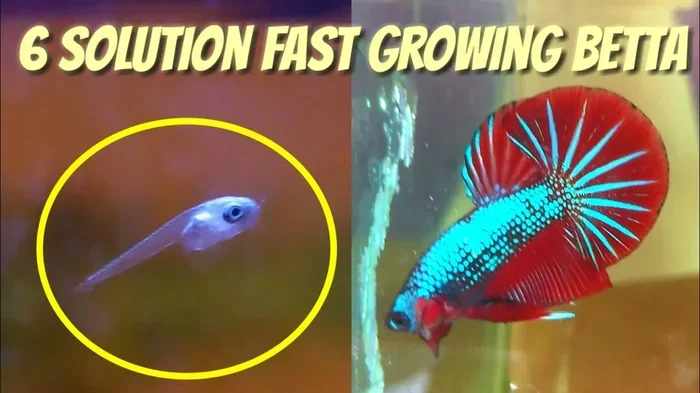
Learning how to care betta fish fry is exciting and rewarding. This guide covers everything from tank setup to feeding schedules and health tips. You will discover the best practices to keep your baby bettas thriving through every growth stage.
Raising betta fish fry is one of the most rewarding experiences a fish keeper can have. These tiny, colorful creatures require special attention and care during their first few weeks of life. Without the right knowledge, their survival rate drops significantly. This guide will walk you through every step of caring for baby bettas. Whether you are a beginner or an experienced aquarist, you will find practical tips that make a real difference.
Betta fish fry are delicate and need a very specific environment to thrive. Their tiny size means even small changes in water quality can be dangerous. Feeding them the right food at the right time is equally important. In this article, we will cover everything you need to know. From setting up a fry tank to understanding growth stages, you will have a complete roadmap. Let us dive in and give your baby bettas the best start in life.
Key Takeaways
- Proper Tank Setup: A small, clean tank with gentle filtration and stable water conditions is essential for betta fish fry survival.
- Frequent Feeding: Baby bettas need small, frequent meals multiple times a day to support their rapid growth.
- Water Quality Matters: Regular water changes and proper parameters prevent diseases and keep fry healthy.
- Growth Milestones: Understanding betta fry development stages helps you provide the right care at each phase.
- Avoid Common Mistakes: Overfeeding, poor water quality, and wrong tank mates are the top threats to fry survival.
📑 Table of Contents
Understanding Betta Fish Fry
What Are Betta Fish Fry?
Betta fish fry are baby bettas that have recently hatched from eggs. They are incredibly small, often less than a quarter of an inch long. At this stage, they are very fragile and need constant care. Their bodies are still developing, and they cannot eat regular fish food yet. Understanding their needs is the first step toward raising healthy betta fry.
Baby bettas go through several stages of development very quickly. In the first week, they survive off their yolk sac. After that, they need external food sources. Watching them grow from tiny specks to fully formed fish is truly amazing. But it also requires dedication and attention to detail every single day.
Early Development Stages of Betta Fry
Betta fry development happens fast. Here is a quick look at what to expect in the early days:
- Day 1 to 3: Fry absorb nutrients from their yolk sac. They do not need external food yet. Keep the water very still and clean.
- Day 3 to 7: The yolk sac disappears. Fry start needing their first foods. Infusoria or liquid fry food works best at this stage.
- Week 2: Fry begin to swim more actively. They can eat baby brine shrimp and micro worms now.
- Week 3 to 4: Fins start developing. Color begins to show. Growth becomes more visible every day.
Each stage has unique requirements. Paying close attention during these early weeks sets the foundation for strong, healthy fish. If you want more details on caring for young bettas, check out our guide on how to care for a betta fish for broader care principles that apply as they grow.
Setting Up the Perfect Fry Tank
Tank Size and Equipment
You do not need a large tank for betta fish fry. In fact, a smaller tank makes it easier to maintain water quality. A 5-gallon tank works perfectly for a small batch of fry. The key is to keep the environment clean and stable.
Use a sponge filter on the lowest setting. Strong filters can suck up tiny fry and harm them. A gentle air pump attached to the sponge filter provides enough biological filtration without creating strong currents. Keep the tank simple. Too many decorations make cleaning difficult and can trap fry.
Water Parameters for Betta Fry
Water quality is critical for betta fry survival. Here are the ideal parameters to maintain:
- Temperature: Keep water between 78 and 80 degrees Fahrenheit. Stable warmth supports healthy growth.
- pH Level: Aim for a pH between 6.5 and 7.0. Stable pH reduces stress on young fish.
- Ammonia and Nitrite: Both should be at zero. Even trace amounts can be deadly to fry.
- Nitrate: Keep below 10 ppm. Regular water changes help maintain safe nitrate levels.
Before adding fry to the tank, make sure the water is fully cycled. If you need help preparing the right water, our article on how to prepare water for a betta fish has detailed steps to follow.
Feeding Your Betta Fish Fry
What to Feed Baby Bettas
Feeding betta fry is one of the most important parts of their care. These tiny fish have very small mouths and high metabolisms. They need food that is small enough to eat and rich in nutrients. Here are the best food options for betta fry:
- Infusoria: These are microscopic organisms perfect for the first few days. You can culture them at home or buy them online.
- Liquid Fry Food: Commercial liquid foods are designed specifically for newborn fish. They are easy to digest.
- Baby Brine Shrimp: This is a staple food for growing fry. It is packed with protein and promotes fast growth.
- Micro Worms: Another excellent option for fry past the first week. They are easy to culture and very nutritious.
For more specific feeding guidance for betta fry, our article on how to feed betta fish fry provides in-depth strategies and schedules.
Feeding Schedule and Tips
Betta fry need to eat more frequently than adult bettas. Here is a simple feeding schedule to follow:
- First Week: Feed 4 to 6 times per day. Offer tiny amounts each time.
- Week 2 to 3: Feed 3 to 4 times per day. Gradually increase portion sizes slightly.
- Week 4 and Beyond: Feed 2 to 3 times per day. You can introduce crushed flake food at this stage.
Always remove any uneaten food after a few minutes. Leftover food decays quickly and pollutes the water. Overfeeding is one of the biggest mistakes new fry raisers make. It can cause deadly water quality swings in a small tank.
Keeping Betta Fry Healthy
Common Health Issues in Betta Fry
Betta fry are vulnerable to several health problems. Knowing the signs early helps you act fast and save lives. Here are the most common issues:
- Fungal Infections: Look for white cotton-like growths on the body. These often appear in dirty water.
- Bacterial Infections: Red streaks or bloating can indicate bacterial disease. Poor water quality is usually the cause.
- Constipation: A swollen belly that does not go away can mean the fry is constipated. This happens from overfeeding.
- Swim Bladder Issues: Fry that float upside down or struggle to swim may have swim bladder problems.
If you notice any sick fish, isolate them immediately. For more information on treating ill fish, our guide on how to care for sick betta fish covers treatment methods that can also be adapted for fry.
Prevention Tips for Fry Health
Prevention is always better than treatment when it comes to betta fry. Here are simple steps to keep your fry healthy:
- Perform small water changes of 10 to 20 percent every other day. Use a turkey baster to remove debris without sucking up fry.
- Keep the tank in a quiet place. Sudden noises and vibrations stress young fish.
- Maintain stable temperatures. Use a small heater with a thermostat to avoid temperature swings.
- Wash your hands before handling tank water. Oils and chemicals from your skin can harm delicate fry.
- Quarantine any new plants or decorations before adding them to the fry tank. They can carry parasites and bacteria.
Growth Stages and Milestones
From Birth to One Month Old
The first month of a betta fry’s life is the most critical. During this time, they grow rapidly and develop their key features. By the end of the first week, fry should be actively swimming and searching for food. By two weeks, you will start to see tiny fins forming. At three to four weeks, color patterns begin to appear, and the fry looks more like a miniature adult betta.
During this period, pay close attention to which fry are growing faster. Stronger fry may need to be separated from weaker ones to prevent bullying and ensure everyone gets enough food. Growth rates can vary significantly, and that is completely normal.
Transitioning to Adult Care
Around four to six weeks old, betta fry can start eating the same food as adult bettas. Crushed flake food and small pellets work well at this stage. You can also introduce frozen foods like bloodworms as an occasional treat.
By two months old, your fry should be about half an inch to three-quarters of an inch long. At this point, you can consider moving them to larger tanks or separating them by sex. Male bettas will start showing fin development and color changes. Females tend to be smaller and less colorful at this stage.
Once your fry reach about three months old, they are essentially young adults. Their care routine becomes very similar to that of adult bettas. For more on adult betta care, you might want to read our guide on how to take care of a betta fish to ensure a smooth transition.
Common Mistakes to Avoid When Raising Betta Fry
Even experienced fish keepers make mistakes when raising fry. Here are the most common errors and how to avoid them:
- Overcrowding the Tank: Too many fry in a small space leads to stress, disease, and poor growth. Keep fry density low, especially in the first few weeks.
- Feeding Too Much: Excess food fouls the water quickly in a small fry tank. Feed small amounts more frequently instead of large meals.
- Ignoring Water Changes: Fry produce waste just like adult fish. Without regular water changes, ammonia levels spike fast and can be lethal.
- Using Strong Filters: Power filters with intakes can pull in tiny fry. Always use sponge filters on the lowest setting for fry tanks.
- Skipping Quarantine: Introducing untreated plants or equipment from other tanks can introduce diseases that wipe out an entire batch of fry.
- Not Separating Sick Fish: Disease spreads fast among fry. At the first sign of illness, isolate affected fish immediately.
Avoiding these simple mistakes dramatically improves your fry survival rate. A little extra care in the early weeks pays off with healthy, vibrant bettas as they grow.
Expert Tips for Raising Healthy Betta Fry
Experienced breeders share a few insider tips that can make a big difference. First, always culture your own infusoria and micro worms. This ensures a constant supply of fresh, quality food without relying on store-bought options. Second, dim the lights slightly during the first two weeks. Fry are more comfortable in low-light environments and it reduces stress. Third, observe your fry daily. Spending just a few minutes each day watching their behavior helps you catch problems early.
Patience is the most important tool you need. Raising betta fry is a slow process that rewards consistency and attention to detail. Do not rush the process. Let each growth stage unfold naturally, and your fry will thrive.
Conclusion
Caring for betta fish fry requires dedication, but the rewards are well worth the effort. From setting up a proper fry tank to feeding the right foods and maintaining clean water, every step matters. By following the tips in this guide, you give your baby bettas the best chance at a healthy life. Remember to be patient and observe your fry daily. Each small action you take contributes to their growth and well-being. Start applying these practices today and watch your betta fry grow into beautiful, healthy adult fish.
Frequently Asked Questions
How often should I feed betta fish fry?
Betta fish fry need to be fed 4 to 6 times a day during their first week. As they grow, you can reduce feeding to 2 to 3 times daily. Always offer small amounts that they can eat within a few minutes.
What is the best food for betta fry?
Infusoria and liquid fry food are the best options for newborn betta fry. As they grow, baby brine shrimp and micro worms become excellent food choices. These foods are small enough for their tiny mouths and rich in nutrients.
When can betta fry be moved to a bigger tank?
Betta fry can be moved to a larger tank once they reach about one inch in length, usually around 6 to 8 weeks old. Make sure the new tank is fully cycled and has stable water parameters before introducing them.
Why are my betta fry not growing?
Poor nutrition, incorrect water temperature, or low-quality water are common reasons betta fry stop growing. Check your feeding schedule, water parameters, and tank conditions to identify the issue and make adjustments.
Can betta fry live with adult bettas?
No, adult bettas should never be kept with fry. Adult bettas may eat the fry or show aggressive behavior toward them. Always keep betta fry in a separate tank until they are large enough to defend themselves.
How can I tell if my betta fry are healthy?
Healthy betta fry are active swimmers with good appetites. They should have clear bodies without white spots or redness. Regular observation and clean water are the best ways to ensure your fry stay healthy and strong.