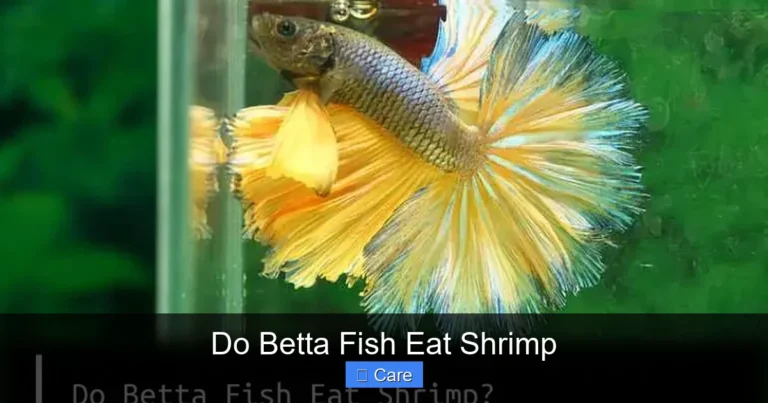
How to Take Care of Betta Fish

Betta fish are far more resilient than their small bowl reputation suggests. Proper care hinges on providing a heated, filtered tank of at least 5 gallons with pristine water conditions. Their stunning fins and vibrant colors flourish with a varied diet, regular maintenance, and an understanding of their solitary nature. Ditch the myth of the “low-maintenance” fish and give your betta the environment it deserves to thrive.
Key Takeaways
- Tank Size is Critical: A minimum of 5 gallons is non-negotiable for a healthy, stable environment. Smaller containers lead to rapid toxin buildup and stress.
- Heated Water is Essential: Bettas are tropical fish requiring a consistent water temperature between 78-80°F (25.5-26.5°C) using an adjustable aquarium heater.
- Water Quality is Paramount: A gentle filter is mandatory to cycle the tank and remove harmful ammonia/nitrites. Perform regular partial water changes (25-50% weekly).
- Feed a High-Quality, Varied Diet: Offer high-protein pellets/fry food as a staple, supplemented with frozen or live foods like brine shrimp 1-2 times a week. Avoid overfeeding.
- Bettas are Solitary by Nature: Male bettas must be kept alone. Female sororities are possible but require expert setup. They are generally not compatible with most other fish species.
- Observe Your Fish Daily: Watch for changes in activity, fin condition, color vibrancy, and eating habits. Early detection of illness is key to successful treatment.
- Enrichment Matters: Provide silk plants, caves, and safe decorations to reduce stress and boredom, encouraging natural exploratory behavior.
📑 Table of Contents
- Introduction: Beyond the Betta Bowl
- 1. The Perfect Tank Setup: More Than Just a Bowl
- 2. Mastering Water Quality: The Science of a Healthy Tank
- 3. Nutrition and Feeding: A Carnivore’s Diet
- 4. Health and Wellness: Prevention and Early Detection
- 5. Tank Mates and Social Behavior: Know Your Betta
- 6. Common Beginner Mistakes to Avoid
- Conclusion: A Lifelong Commitment to a Remarkable Pet
Introduction: Beyond the Betta Bowl
You’ve likely seen them: a vibrant, flowing-finned betta fish, often isolated in a tiny vase or a small, clear bowl on a desk or in a store. This iconic image has cemented the betta’s false reputation as a “low-maintenance” pet that can thrive in minimal conditions. But this couldn’t be further from the truth. The betta splendens, also known as the Siamese fighting fish, is a complex, intelligent, and surprisingly delicate creature whose brilliant colors and dramatic finnage are direct reflections of its environment and care. Taking proper care of a betta fish is a deeply rewarding commitment that transforms your pet from a survivor into a thriving, interactive companion. This guide will dismantle the myths and provide you with a complete, actionable blueprint for betta fish care, ensuring your aquatic friend lives a full, healthy life of 3-5 years or more.
At its core, betta care revolves around replicating the warm, slow-moving, plant-rich waters of their native Thailand. It’s about understanding their biology—their labyrinth organ that allows them to breathe air, their carnivorous digestive system, and their fiercely territorial instincts. This isn’t about creating a complex marine ecosystem; it’s about providing consistent, high-quality fundamentals. From selecting the right tank to diagnosing the first signs of illness, we’ll walk through every step. Let’s begin with the most fundamental piece of the puzzle: your betta’s home.
1. The Perfect Tank Setup: More Than Just a Bowl
The single most critical decision you’ll make for your betta’s long-term welfare is its tank. The persistent “betta in a bowl” myth is arguably the greatest disservice to this species. A proper setup is the foundation of all other care aspects.
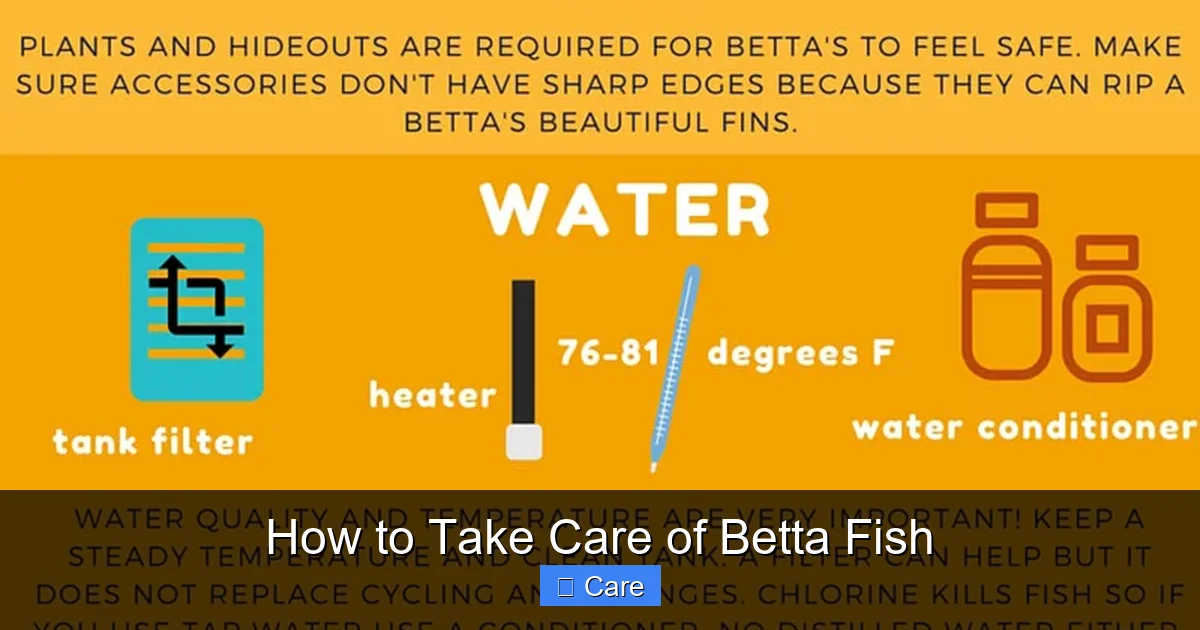
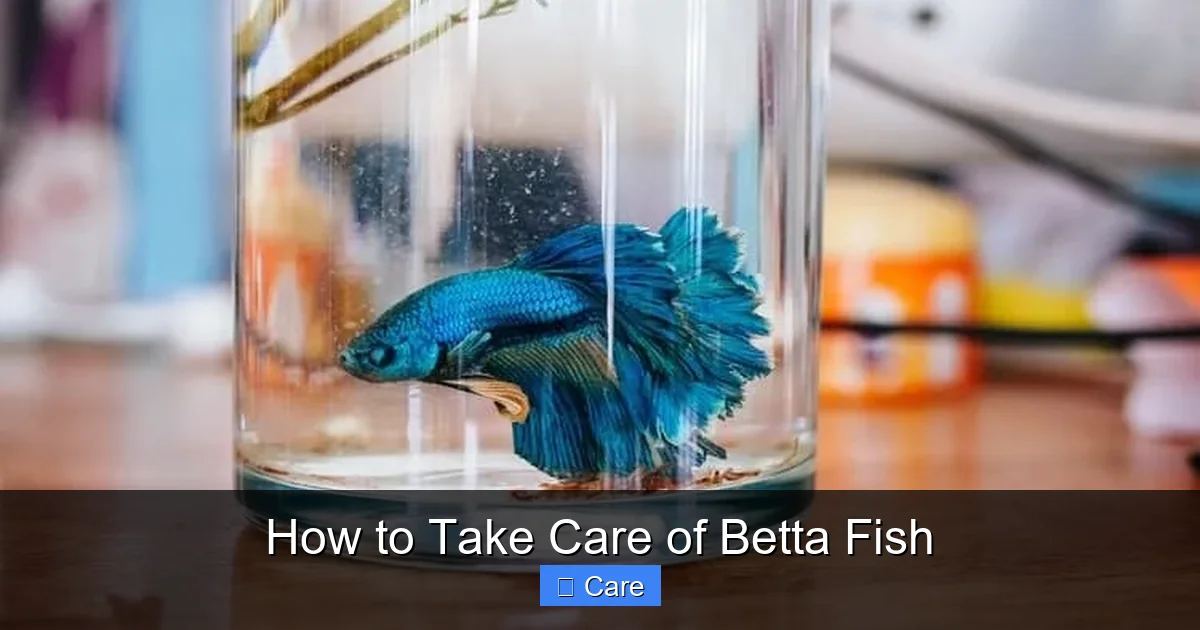
Visual guide about How to Take Care of Betta Fish
Image source: bettafish.org
Tank Size and Shape: Why 5 Gallons is the Minimum
Forget the decorative “betta vases” or one-gallon “nano tanks.” A single male or female betta requires a minimum of a 5-gallon (19-liter) aquarium. This volume is crucial for several reasons. First, it provides a stable water chemistry. In a tiny container, waste (ammonia) from the fish and uneaten food accumulates instantly, creating a toxic environment that can burn fins and damage gills. A larger volume dilutes these toxins, giving your filter and beneficial bacteria a chance to process them safely. Second, it allows for proper heating and filtration without creating dangerous currents. Third, and just as importantly, it provides space for enrichment—plants, caves, and areas to explore—which is vital for a fish’s mental well-being and reduces stress.
Practical Tip: A standard 10-gallon “long” tank is an excellent, affordable starter choice. Its larger surface area (compared to a tall, narrow tank) promotes better gas exchange at the water’s surface, which is beneficial for a fish that uses its labyrinth organ to take gulps of air. Ensure the tank has a secure lid, as bettas are notorious jumpers.
Filtration: The Gentle, Continuous Cleaner
Every betta tank needs a filter. The filter’s job is to house the beneficial bacteria that convert toxic fish waste (ammonia) into less harmful nitrates—a process called the nitrogen cycle. It also removes physical debris and promotes water aeration. However, bettas have long, flowing fins and are not strong swimmers. A filter with a strong, turbulent current will exhaust your fish, stress it, and can even damage its delicate fins.
Choosing the Right Filter: Look for filters designed for “small tanks” or “betta tanks” that offer adjustable flow. Sponge filters (powered by an air pump) are a fantastic, quiet option. They provide gentle flow and excellent biological filtration. Internal power filters (like hang-on-back or internal canister styles) often have flow adjustment dials. Always direct the outflow against the tank glass or use a spray bar to diffuse the current. The goal is to see a slight ripple on the water’s surface, not a swirling vortex.
Heating: A Non-Negotiable Tropical Requirement
Bettas are tropical fish. They originate from the warm, shallow waters of Southeast Asia, where temperatures consistently hover around 80°F (27°C). Room temperature is almost always too cold. A cold betta is a lethargic, immune-compromised betta prone to diseases like dropsy and fin rot. An adjustable, fully submersible aquarium heater is essential equipment.
Heater Sizing & Safety: A general rule is 5 watts per gallon. For a 5-gallon tank, a 25-watt heater is sufficient. Always purchase a heater with an automatic shut-off feature. Pair your heater with a reliable digital aquarium thermometer (the stick-on liquid crystal types are inaccurate). Place the thermometer on the opposite side of the tank from the heater to get a true reading of the ambient water temperature. Set the heater to maintain a stable temperature between 78-80°F (25.5-26.5°C). Never run a heater in a tank that is not filled with water.
Lighting and Décor: Creating a Calm, Enriched Home
Bettas do not require intense lighting. In fact, bright light can stress them and encourage excessive algae growth. A standard LED aquarium light on a 8-10 hour day/night cycle (use a timer!) is perfect. Décor serves two purposes: hiding spaces to reduce stress, and stimulation to prevent boredom.
Plants: Live plants (like java fern, anubias, or marimo moss balls) are ideal as they help absorb nitrates and improve water quality. However, they require care. High-quality silk plants are an excellent, zero-maintenance alternative that provide the same visual and tactile benefits without risk of decay. Avoid plastic plants with sharp edges—they can tear a betta’s delicate fins.
Hiding Spots: Provide at least one cave or overhang (using ceramic pots, coconut shells, or store-bought betta caves) where your fish can retreat. Floating plants or a floating betta log are also beloved, as bettas often rest at the surface. Ensure all decorations are rinsed thoroughly with dechlorinated water before adding to the tank. Never use soap or chemicals.
2. Mastering Water Quality: The Science of a Healthy Tank
You can have the most beautiful tank setup, but without pristine water quality, your betta’s health will rapidly decline. Water is not just a medium for your fish to live in; it’s the air it breathes, the food it consumes, and the environment that dictates its entire physiology. Understanding and maintaining water parameters is the single most important ongoing task in betta care.
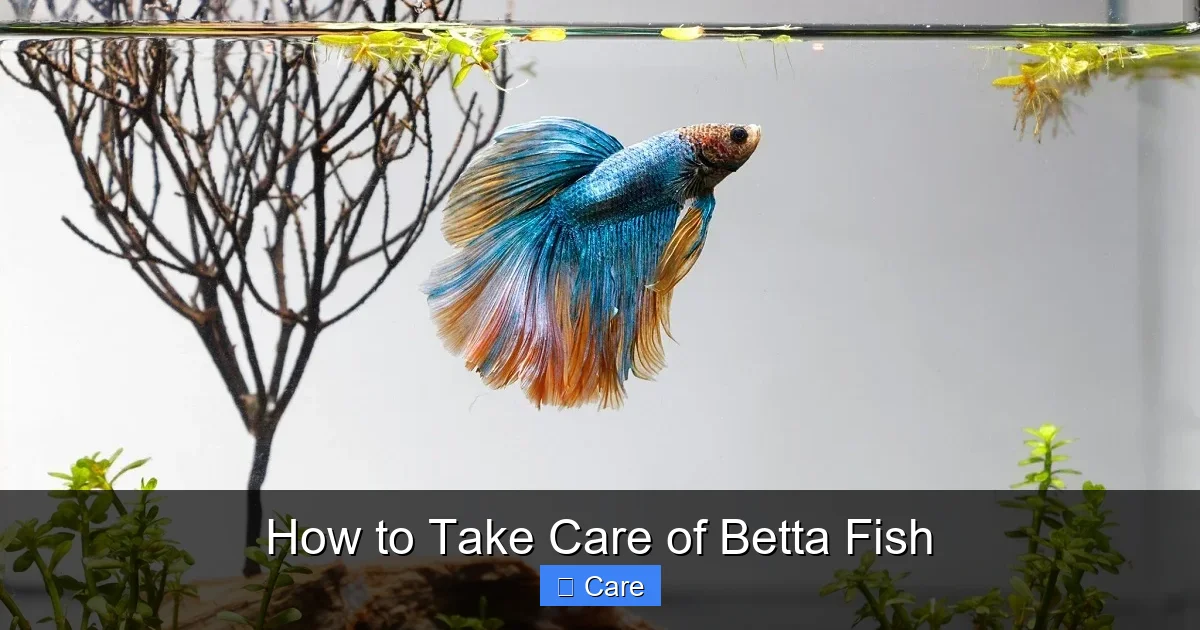
Visual guide about How to Take Care of Betta Fish
Image source: fishlab.com
The Nitrogen Cycle: Understanding Your Tank’s Bio-Load
This is the cornerstone of aquarium science. When your betta eats, it produces ammonia as waste. Uneaten food and decaying plant matter also produce ammonia. Ammonia is extremely toxic, even in small amounts. In a cycled tank, beneficial bacteria (Nitrosomonas) consume this ammonia and convert it into nitrite. Another bacteria (Nitrospira) then consumes the nitrite and converts it into nitrate. Nitrate is much less toxic and is removed from the system through regular water changes. A tank is “cycled” when it has a robust population of these bacteria, allowing it to process the ammonia produced by your betta within 24 hours.
How to Cycle a Tank: This process takes 4-6 weeks. Set up your filtered, heated tank with water and conditioner. Add a source of ammonia (a few flakes of food, a piece of shrimp, or pure ammonia from a store). Test the water daily with a liquid test kit (API Freshwater Master Test Kit is the industry standard). You will see ammonia spike, then drop as nitrites appear and spike, then both drop as nitrates rise. Once you can add ammonia and see it convert to nitrates within 24 hours with zero ammonia or nitrite readings, the tank is cycled and safe for your betta. Never add your fish to an uncycled tank.
Essential Water Parameters & Testing
For a betta, the target parameters are:
- Ammonia (NH3/NH4+): 0 ppm
- Nitrite (NO2-): 0 ppm
- Nitrate (NO3-): < 20 ppm (ideally under 10 ppm)
- pH: 7.0-7.5 is ideal, but they can tolerate a stable range of 6.5-7.5. Sudden swings are deadly.
- Temperature: 78-80°F (25.5-26.5°C) consistently.
Test your water weekly with a liquid test kit. Test strips are notoriously inaccurate, especially for ammonia and nitrite. Maintaining these parameters is achieved through a combination of a functioning cycled filter and regular partial water changes.
The Weekly Water Change Ritual
Even with a filter, nitrates accumulate. Diluting them with fresh, dechlorinated water is crucial. For a 5-gallon tank with one betta, a 25-30% water change once a week is the standard. For larger tanks or multiple inhabitants, you may need to change 50% weekly. The process is simple:
- Prepare the new water in a clean, dedicated bucket. Treat it with a complete water conditioner that detoxifies chlorine, chloramines, and heavy metals. If your tap water is very hard or soft, you may need to adjust it with products like Seachem Equilibrium or GH/KH boosters, but this is an advanced step for most.
- Use a gravel vacuum (siphon) to clean the substrate as you remove the old water. This sucks out debris and waste trapped in the gravel.
- Gently pour the new, conditioned water back into the tank. Try not to disturb the substrate or shock the fish with a rapid temperature change (the new water should be within 1-2°F of the tank temperature).
- Never, under any circumstances, remove your betta from the tank for a water change. The stress of netting and relocation is often more harmful than the change itself.
Common Mistake: “Topping off” the tank with fresh water instead of performing a true water change. This does not remove nitrates; it only dilutes them temporarily and allows other dissolved wastes to concentrate.
3. Nutrition and Feeding: A Carnivore’s Diet
Bettas are obligate carnivores. Their short, simple digestive tracts are designed to process protein, not plant matter. Many commercial “betta pellets” contain fillers like wheat and soy, which can cause digestive issues and constipation. A proper diet is key to vibrant color, healthy fins, and a strong immune system.
Visual guide about How to Take Care of Betta Fish
Image source: pangopets.com
Choosing the Right Food
Staple Diet: Look for high-quality betta pellets or granules specifically formulated for bettas (they are often smaller). Read the ingredient list—the first few ingredients should be whole fish, fish meal, or shrimp meal. Brands like New Life Spectrum OPTI-Betta, Hikari Betta Bio-Gold, or Fluval Bug Bites are excellent choices. These provide balanced nutrition.
Essential Supplements: Pellets alone are not enough. In the wild, bettas eat insects, insect larvae (especially mosquito larvae), and tiny crustaceans. Replicate this with frozen or live foods 1-2 times per week. Excellent options include:
- Frozen Brine Shrimp or Mysis Shrimp: Thaw a small cube in a dish of tank water and feed a few rinsed shrimp.
- Daphnia: Tiny water fleas, excellent for fiber and aiding digestion.
- Bloodworms: A favorite treat, but feed sparingly as they are rich and can cause constipation if overfed.
Live foods (like microworms or vinegar eels) are the ultimate enrichment but carry a risk of introducing parasites. For most keepers, high-quality frozen foods are the best supplement.
Feeding Schedule and Portion Control
Overfeeding is the #1 cause of water quality problems and constipation in bettas. Their stomachs are roughly the size of their eye. A proper portion is 2-3 pellets or a small pinch of frozen food per feeding. Feed once or twice daily, only what your betta can consume within 2-3 minutes. Any uneaten food must be siphoned out immediately. It’s better to slightly underfeed than overfeed. A good practice is to implement a “fast day” once a week where you offer no food. This gives their digestive system a break and can help prevent constipation.
Signs of Constipation: A bloated abdomen, stringy feces hanging from the fish, lethargy, and loss of appetite. Treatment involves fasting for 3-5 days and feeding a small piece of a peeled, blanched pea (the inside only) as a fiber source.
4. Health and Wellness: Prevention and Early Detection
A healthy betta is a active, curious fish that flares at its reflection, builds bubble nests (males), and displays brilliant, even coloration. Prevention is always better than cure, and 90% of betta illnesses are directly linked to poor water quality or diet.
Common Ailments and Their Causes
Fin Rot: A bacterial (or sometimes fungal) infection causing frayed, ragged, or dissolving fins, often with white or black edges. Cause: Poor water quality, physical injury from sharp décor or fin-nipping tank mates. Treatment: Aggressive water changes, pristine water, and antibacterial medication like Maracyn or Kanaplex.
Velvet Disease: A parasitic infection. The fish looks like it’s been dusted with fine gold or rust powder, especially visible under a flashlight. Fish will scratch against objects (flashing), clamp fins, and become lethargic. Cause: Stress, poor water quality, introduction of an infected fish. Treatment: Raise water temperature slowly to 82-84°F (28-29°C) and treat with a copper-based medication (like Cupramine) or malachite green, following dosing instructions precisely.
Ich (White Spot Disease): Another parasite. Characterized by distinct, salt-like white spots all over the body and fins. Fish will flash and scratch. Cause: Introduction of an infected fish or invertebrate. Treatment: Raise temperature to 82-84°F and treat with ich medication (containing malachite green or formalin) for a full cycle, as the parasite has life stages vulnerable to medication.
Swim Bladder Disorder (SBD): The fish floats upside down, sinks, or swims erratically. Cause: Most commonly constipation from overfeeding or poor diet. Can also be from genetic defects, bacterial infection, or physical injury. Treatment: Fast for 3-5 days, then feed a peeled pea. If caused by infection, antibiotics may be needed.
The Quarantine Tank: Your Secret Weapon
A quarantine tank (a simple 2-5 gallon setup with a heater and a sponge filter) is one of the most important tools for any fish keeper. Before adding a new betta to your main display tank, house it in the quarantine tank for 2-4 weeks. This allows you to observe it for any signs of illness (ich, velvet, fin rot) without exposing your established, healthy tank and its beneficial bacteria to pathogens. It also allows you to treat any disease in a smaller, more manageable volume without harming live plants or invertebrates in your main tank.
5. Tank Mates and Social Behavior: Know Your Betta
Understanding the betta’s infamous temperament is crucial for community tank planning. Their common name, “Siamese fighting fish,” comes from their historical use in gambling matches where two males would fight until one submitted. This aggression is deeply ingrained.
Male Bettas: The Ultimate Solitaries
Male bettas must be kept alone. They are intensely territorial and will attack any fish they perceive as a rival, especially other males with long, colorful fins (like guppies or fancy guppies). They may also see their own reflection as a rival, so ensure there are no reflective surfaces in the tank. The only possible exceptions are in very large, heavily planted, expert-level community tanks with careful species selection, but for 99% of keepers, a male betta is a single-specimen centerpiece.
Female Bettas: The Sorority Option
Female bettas can sometimes be kept in groups, called a “sorority.” This is not for beginners. It requires a minimum of a 20-gallon long tank (the larger the better) with abundant visual barriers (plants, wood, rocks) to break lines of sight. You must introduce a group of 5+ females simultaneously to a new, cycled tank. Aggression and hierarchy establishment can be severe, leading to fatalities. Close monitoring for weeks is required. This is an advanced setup and carries significant risk.
Potential Tank Mates: A Cautious List
If you have a peaceful, community tank and want to try a betta, you must follow strict rules: the tank must be at least 10 gallons, heavily planted, with the betta added last. Tank mates must be fast, non-flashy, and non-aggressive. Never house with fish that have flowing fins (guppies, angelfish, fancy mollies) or that are known nippers (some tetras, barbs). Potential candidates include:
- Schooling Fish: Harlequin rasboras, Chili rasboras, Ember tetras (in a large school of 8+).
- Bottom Dwellers: Kuhli loaches, Corydoras catfish (in a group of 6+).
- Invertebrates: Ghost shrimp or Amano shrimp (larger shrimp may be eaten, but they also help clean the tank). Nerite snails are excellent algae cleaners and have a hard shell.
Always have a backup plan. Be prepared to remove the betta or the other fish at the first sign of persistent aggression or stress. Observe the tank closely for the first 48 hours after introduction.
6. Common Beginner Mistakes to Avoid
Even with the best intentions, new betta owners often fall into predictable traps. Avoiding these will save you and your fish immense stress.
Myth #1: “Bettas Can Live in Bowls or Vases”
This is the cardinal sin. A bowl has no filtration, no heating, and a tiny, unstable water volume. It is a slow death sentence for a tropical fish. A 5-gallon filtered, heated tank is the absolute minimum standard of care.
Myth #2: “They Eat Plant Roots or Can Survive on Plant Matter”
The “betta in a vase with a peace lily” is a cruel marketing gimmick. Bettas cannot digest plant matter. They are carnivores. They will starve in this setup, and the decaying plant roots will foul the water. Feed them proper meat-based foods.
Mistake #3: Inconsistent or No Water Changes
Assuming the filter does all the work. Filters process toxins but do not remove nitrates or dissolved organics. Weekly partial water changes are mandatory for long-term health.
Mistake #4: Using Untreated Tap Water
Chlorine and chloramines in tap water are lethal to fish and will destroy your beneficial bacteria colony. Always use a complete water conditioner that neutralizes both.
Mistake #5: Overfeeding
It’s the easiest mistake to make. A betta’s stomach is tiny. Feed minimally, 1-2 times a day. Excess food = ammonia spike = sick fish. Remember: a slightly thin betta is healthier than a constipated, bloated one.
Mistake #6: Ignoring Temperature
Room temperature is not tropical. A heater with a reliable thermometer is essential. A cold betta has a sluggish metabolism, a weakened immune system, and is prone to disease.
Conclusion: A Lifelong Commitment to a Remarkable Pet
Caring for a betta fish is a journey of observation, consistency, and quiet reward. By moving beyond the myth of the “disposable” bowl fish and investing in a proper 5-gallon (or larger) heated and filtered tank, you are providing a foundation for your betta to express its full, magnificent potential. You’ll be rewarded with a pet that recognizes you, performs playful flaring displays, builds bubble nests (a sign of contentment!), and glows with health for years to come. Remember the pillars: Space (tank size), Cleanliness (water quality), Warmth (heater), and Proper Food (carnivore diet). Stick to these fundamentals, perform your weekly water changes without fail, and you will have a thriving, beautiful companion that defies its unfortunate reputation. Your betta’s vibrant life is a direct reflection of the care you provide—rise to the occasion, and enjoy the fascinating world of betta fish keeping.
Frequently Asked Questions
Can betta fish live with other fish?
Male bettas are almost always best kept alone due to their territorial aggression. Female bettas can sometimes be kept in carefully managed sororities in large, heavily planted tanks. Peaceful community tanks with fast, non-flashy tank mates (like certain rasboras or corydoras) in a 10+ gallon tank are possible but require close monitoring and a backup plan.
How often should I do water changes for my betta?
In a properly cycled, filtered 5-gallon tank with a single betta, perform a 25-30% partial water change once a week. Use a gravel vacuum to clean the substrate and always treat the new water with a complete water conditioner before adding it to the tank.
Why is my betta fish not eating?
A loss of appetite is a major red flag. First, check your water parameters (ammonia, nitrite, nitrate) with a liquid test kit—poor water quality is the most common cause. Also ensure the water temperature is correct (78-80°F). Stress from new surroundings, illness (like velvet or ich), or constipation from overfeeding can also cause refusal to eat. Fast for a day, then offer a high-quality frozen food like brine shrimp.
Do betta fish need a filter?
Yes, absolutely. A filter is essential to cycle the tank and establish beneficial bacteria that process toxic fish waste. Choose a filter with an adjustable, gentle flow to avoid stressing your betta or damaging its fins. Sponge filters are an excellent, quiet option for betta tanks.
How can I tell if my betta is happy and healthy?
A healthy betta is active, curious, and will often flare at its reflection or a finger near the glass. Its fins should be held open and flowing (not clamped tight), its colors bright and even, and its body smooth and streamlined. It will eat readily and may build a bubble nest (males). Lethargy, clamped fins, fading color, torn fins, or a loss of appetite are signs of stress or illness.
My betta’s fins are tearing or looking ragged—what is wrong?
Torn or ragged fins are most commonly caused by fin rot, a bacterial infection often triggered by poor water quality. It can also be caused by physical injury from sharp decorations or by fin-nipping tank mates. Immediately test your water, perform an extra water change, and ensure your décor is smooth. If the damage worsens, you will need to treat with an antibacterial medication like Maracyn in a quarantine hospital tank.