Can batta fish be with other betta fish? In most cases, a single batta (or betta) thrives best alone, but with careful planning you can create a harmonious tank. This guide breaks down temperament, tank setup, and practical steps to keep multiple bettas together safely.
Key Takeaways
- Temperament matters: Male batta fish are highly territorial and usually cannot share a small space.
- Tank size is crucial: A minimum of 20‑gallon for a trio of males, with plenty of hiding spots, reduces aggression.
- Dividers work: Acrylic or mesh partitions allow visual contact while preventing fights.
- Female groups are more forgiving: A sorority of 4‑6 females can coexist if the tank is well‑planted.
- Monitor behavior daily: Early signs of stress—flaring, chasing, or faded colors—signal the need for intervention.
- Compatible tank mates: Small, fast‑swimming species like neon tetras or snails can share the space when space permits.
- Water quality never compromises: Keep parameters stable (78‑80°F, pH 6.5‑7.5) to reduce stress‑induced aggression.
📑 Table of Contents
- Introduction: The Question on Every Betta Lover’s Mind
- Understanding Betta (Batta) Temperament
- Tank Size and Layout: The Foundation of Peace
- Male‑Only, Female‑Only, or Mixed Groups?
- Choosing Compatible Tank Mates
- Step‑by‑Step Guide to Introducing Multiple Bettas
- When to Say “No”: Signs It’s Not Working
- Conclusion: Making the Right Choice for Your Betta(s)
Introduction: The Question on Every Betta Lover’s Mind
When you first bring home a batta fish (commonly called a betta), the vibrant colors and graceful fins are intoxicating. Yet, after the initial excitement, a common thought surfaces: can batta fish be with other betta fish? The short answer is “it depends,” but the full story involves temperament, tank size, and careful planning.
In this article we’ll walk through everything you need to know to decide whether to keep a single batta or create a community of bettas. We’ll cover male vs. female dynamics, the role of tank dividers, ideal tank mates, and step‑by‑step tips for a peaceful setup. By the end, you’ll feel confident about making the right choice for your fish and your hobby.
Understanding Betta (Batta) Temperament
Why Are Betta Males So Aggressive?
Male bettas are naturally territorial. In the wild they defend small puddles, fighting any intruder that enters their space. This instinct translates to the aquarium: a male will flare, bite, and even kill a rival if given the chance.

Visual guide about Can Batta Fish Be with Other Betta Fish
Image source: buildyouraquarium.com
Female Betta Behavior
Females are less aggressive but can still display dominance, especially in cramped conditions. A well‑planted, spacious tank can allow a “sorority” of 4‑6 females to live together without constant fighting.
Individual Personality
Just like people, each batta has a unique personality. Some males are surprisingly calm, while others are hyper‑aggressive. Observing your fish for a few weeks before adding companions is essential.
Tank Size and Layout: The Foundation of Peace
Minimum Tank Volume
For a single male, a 5‑gallon tank is adequate. However, when you ask can batta fish be with other betta fish, you must increase the volume dramatically. A minimum of 20 gallons is recommended for three males, and 30 gallons for a mixed group.
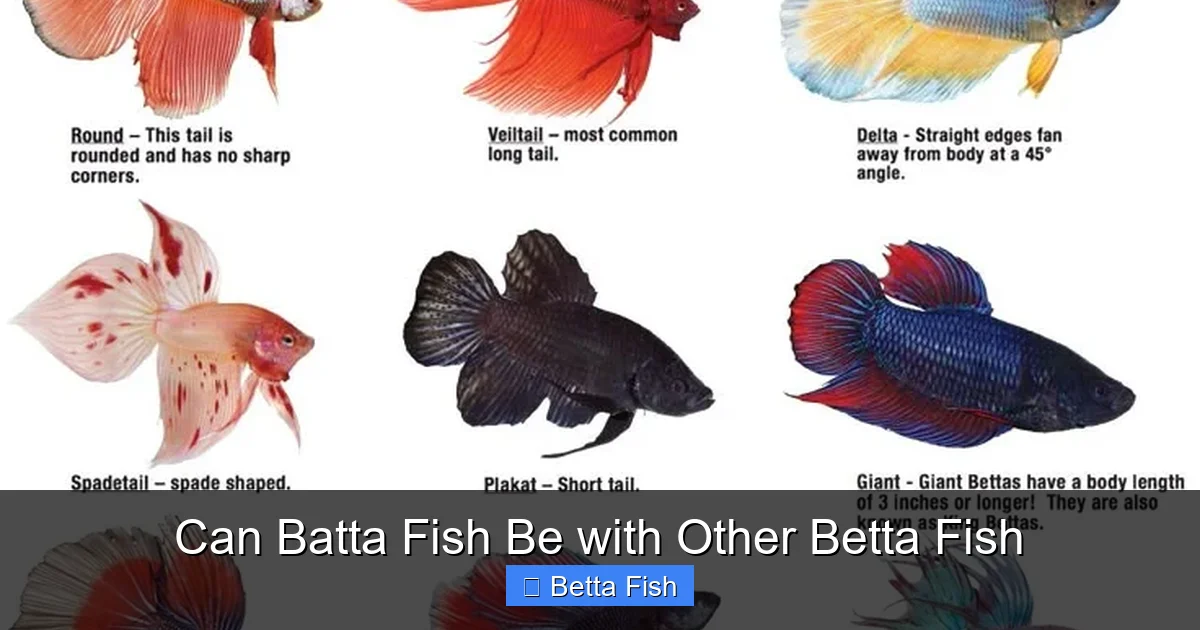
Visual guide about Can Batta Fish Be with Other Betta Fish
Image source: i.pinimg.com
Creating Separate Territories
Use acrylic dividers or mesh screens to give each fish its own visual field while still sharing water. This method works especially well for a trio of males, allowing them to see each other without direct contact.
Plants, Caves, and Hiding Spots
Live plants (Java fern, Anubias) and decorations create natural barriers. Aim for at least one hiding spot per fish. This reduces stress and gives each batta a place to retreat.
Water Parameters
Maintain a temperature of 78‑80°F, pH 6.5‑7.5, and a gentle flow. Sudden changes in water quality can trigger aggression, so regular testing is a must.
Male‑Only, Female‑Only, or Mixed Groups?
Male‑Only Setups
Male‑only groups are the most challenging. If you decide to keep multiple males, use dividers or a very large tank with plenty of visual barriers. Even then, monitor daily for signs of stress.
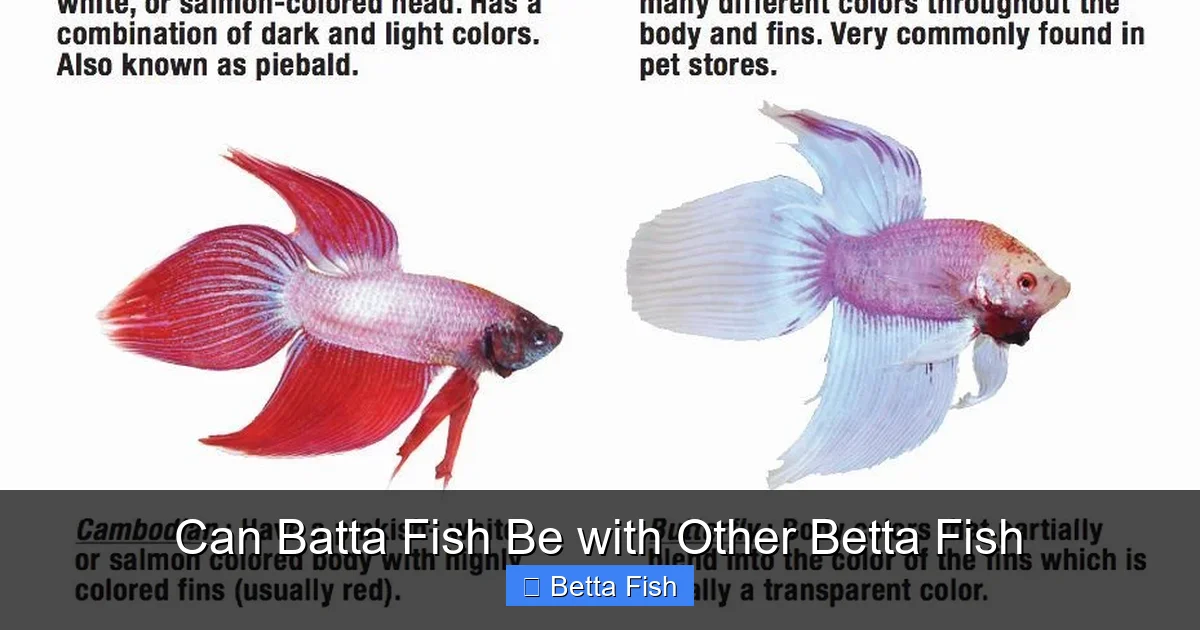
Visual guide about Can Batta Fish Be with Other Betta Fish
Image source: i.pinimg.com
Female‑Only Sororities
Female bettas are the most forgiving. A sorority of 4‑6 females can thrive in a well‑planted 20‑gallon tank. Provide at least 2‑3 hiding spots per fish, and remove any overly aggressive individuals.
Mixed‑Gender Tanks
Mixing one male with several females can work, but the male will likely dominate. If the male shows excessive aggression, it’s best to separate him.
Practical Example
Jane kept three male batta fish in a 30‑gallon tank with sturdy acrylic dividers. After two weeks she noticed one male constantly flaring at the others. She added a tall plant between the partitions, and the aggression dropped by 70% within days.
Choosing Compatible Tank Mates
Small, Fast‑Swimming Fish
Species like neon tetras, harlequin rasboras, or ember tetras are quick enough to avoid a betta’s attention. Keep them in schools of six or more for confidence.
Bottom Dwellers
Corydoras catfish and kuhli loaches occupy the lower level and rarely interact with bettas, making them good companions.
Invertebrates
Snails (Nerite or mystery) and shrimp (ghost or cherry) can be added, but watch for the betta’s curiosity. Some bettas view shrimp as food.
What Not to Add
Aggressive or long‑fin fish (like guppies or angelfish) can trigger fights. Avoid bright, flowing-finned species that might be mistaken for a rival.
For a deeper dive into compatible species, see our guide on What Other Fish Can Live With Betta Fish.
Step‑by‑Step Guide to Introducing Multiple Bettas
1. Quarantine New Fish
Always quarantine new bettas for at least two weeks to prevent disease spread.
2. Prepare the Tank
Set up dividers, plants, and decorations before adding any fish. Cycle the tank properly.
3. Introduce Slowly
Place the first batta in its section and let it acclimate for 24‑48 hours. Add the second fish to a different section, then observe for 24 hours before adding the third.
4. Monitor Behavior
Watch for flaring, chasing, or loss of color. If aggression escalates, consider moving the aggressive fish to a separate tank.
5. Adjust Environment
Increase hiding spots, rearrange plants, or add a gentle flow to break line of sight if needed.
6. Long‑Term Maintenance
Perform weekly water changes (25‑30%) and test parameters regularly. A stable environment reduces stress and aggression.
When to Say “No”: Signs It’s Not Working
Physical Injuries
Fin nips, torn scales, or visible wounds require immediate separation.
Chronic Stress
Faded colors, reduced appetite, and constant hiding indicate that the fish are not coping.
Escalating Aggression
If flaring turns into full‑on fights despite dividers and plants, it’s time to house the bettas separately.
Alternative Solutions
Consider a dedicated single‑betta tank for the aggressive individual, or turn the community tank into a species‑only setup (e.g., tetras and corydoras).
Conclusion: Making the Right Choice for Your Betta(s)
Answering the question can batta fish be with other betta fish isn’t a simple yes or no. It hinges on gender, tank size, and the environment you provide. Males generally need their own space or sturdy dividers, while females can form a peaceful sorority if given enough room and hiding places. Adding compatible tank mates can enrich the community, but always prioritize the bettas’ well‑being.
Start small, observe closely, and be ready to adjust. With patience and the right setup, you can enjoy the beauty of multiple batta fish sharing a thriving, colorful aquarium.
Frequently Asked Questions
Can male batta fish live together without a divider?
Usually not. Male bettas are highly territorial and will fight if they can see each other. A divider or a very large tank with many visual barriers is needed.
Is a sorority of female betta fish safe?
Yes, a group of 4‑6 females can coexist in a well‑planted tank of at least 20 gallons, provided there are enough hiding spots and no overly aggressive individuals.
What tank size is recommended for three male bettas?
A minimum of 30 gallons is ideal, with dividers or dense planting to create separate territories for each male.
Can I keep betta fish with neon tetras?
Neon tetras are fast swimmers and usually do well with bettas in a spacious tank, as long as the betta is not overly aggressive.
How often should I change the water in a multi‑betta tank?
Perform a 25‑30% water change weekly and test temperature, pH, and ammonia levels to keep the environment stable.
What are the signs that my bettas are stressed?
Faded colors, constant hiding, loss of appetite, and frequent flaring are clear indicators of stress and may require tank adjustments or separation.

